



 Carry Awards
 Insights
 Liking
 Projects
 Interviews
 Carry Candy
 Community and Marketplace

Culture
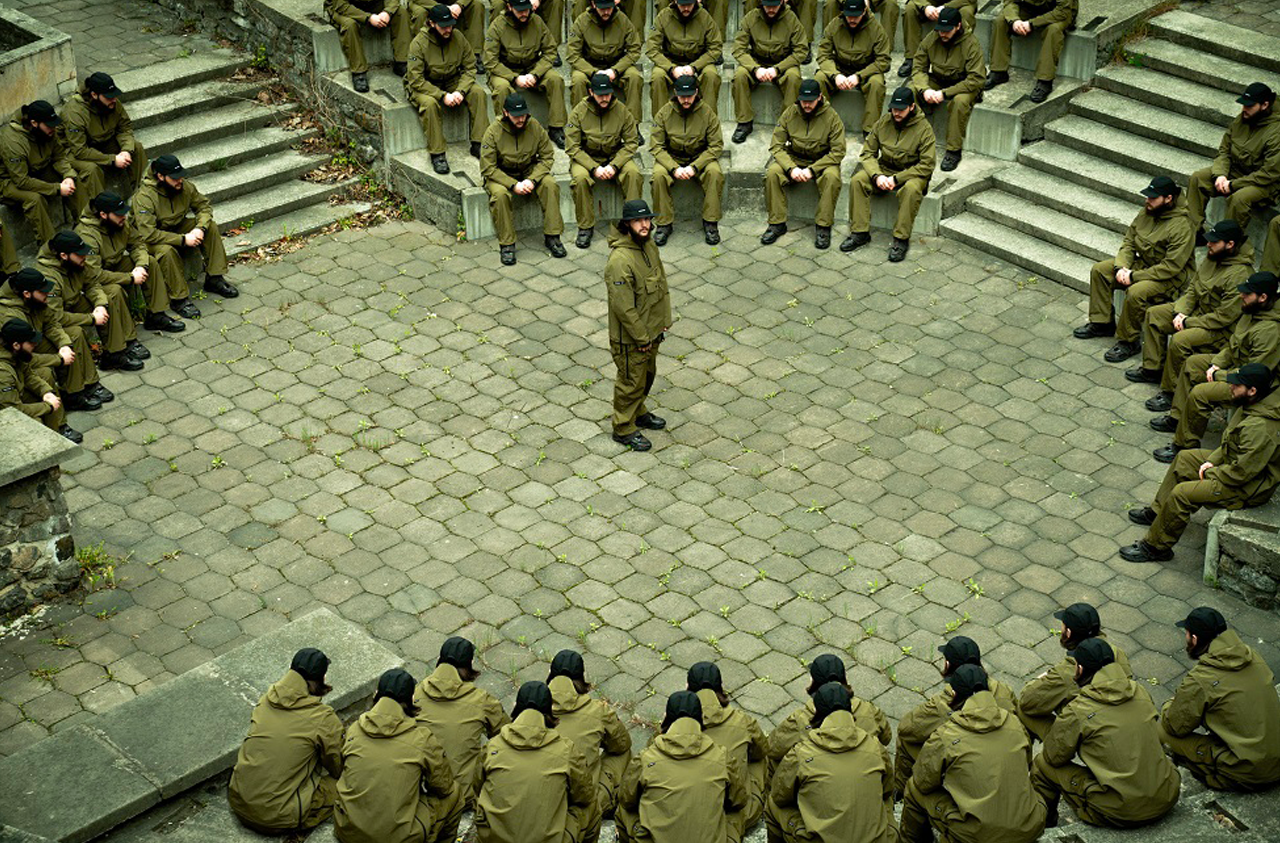
On the morning of February 24, 2022, Oleksandr Nachosa woke to the sound of a missile.
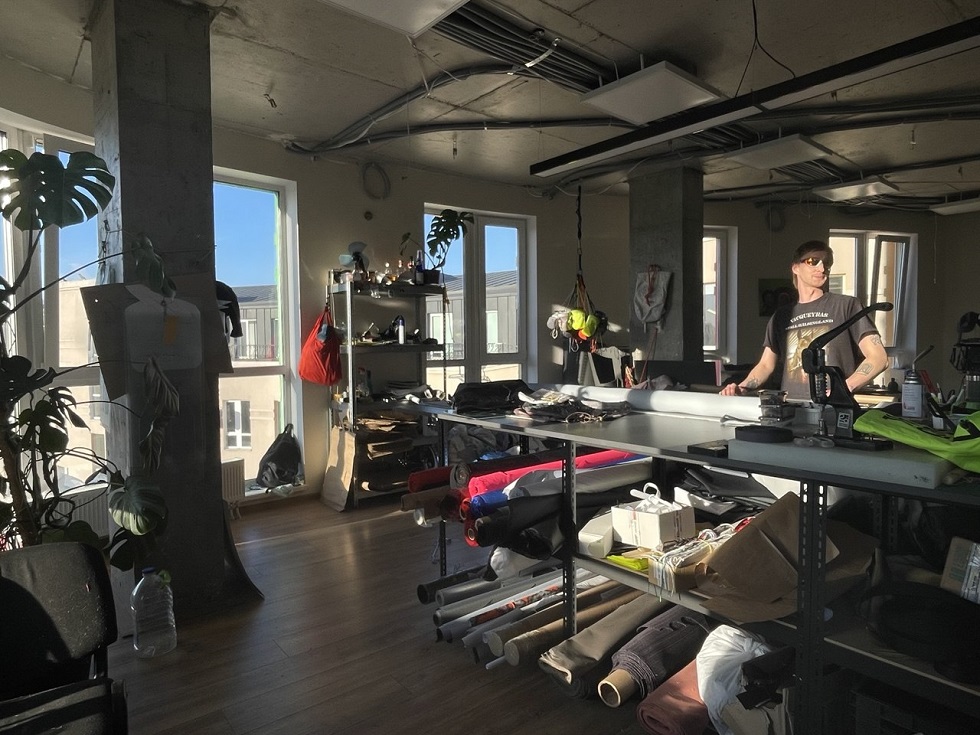
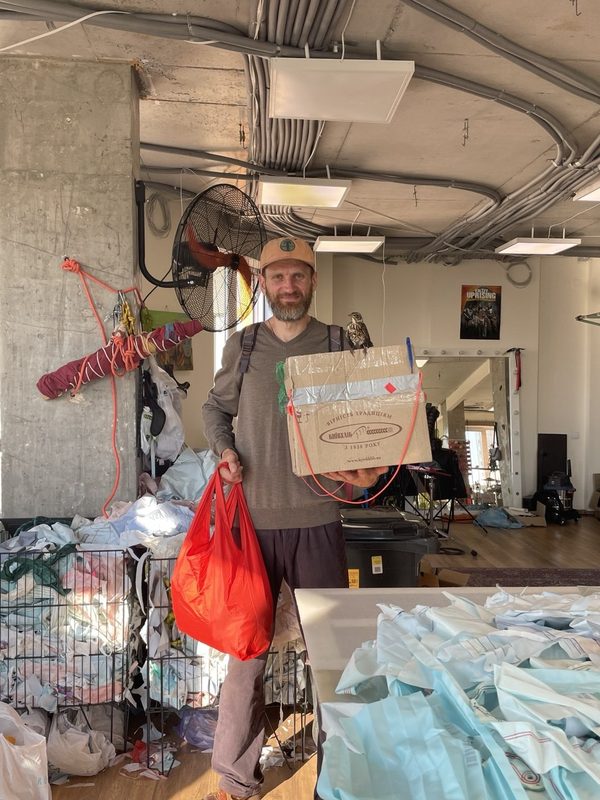
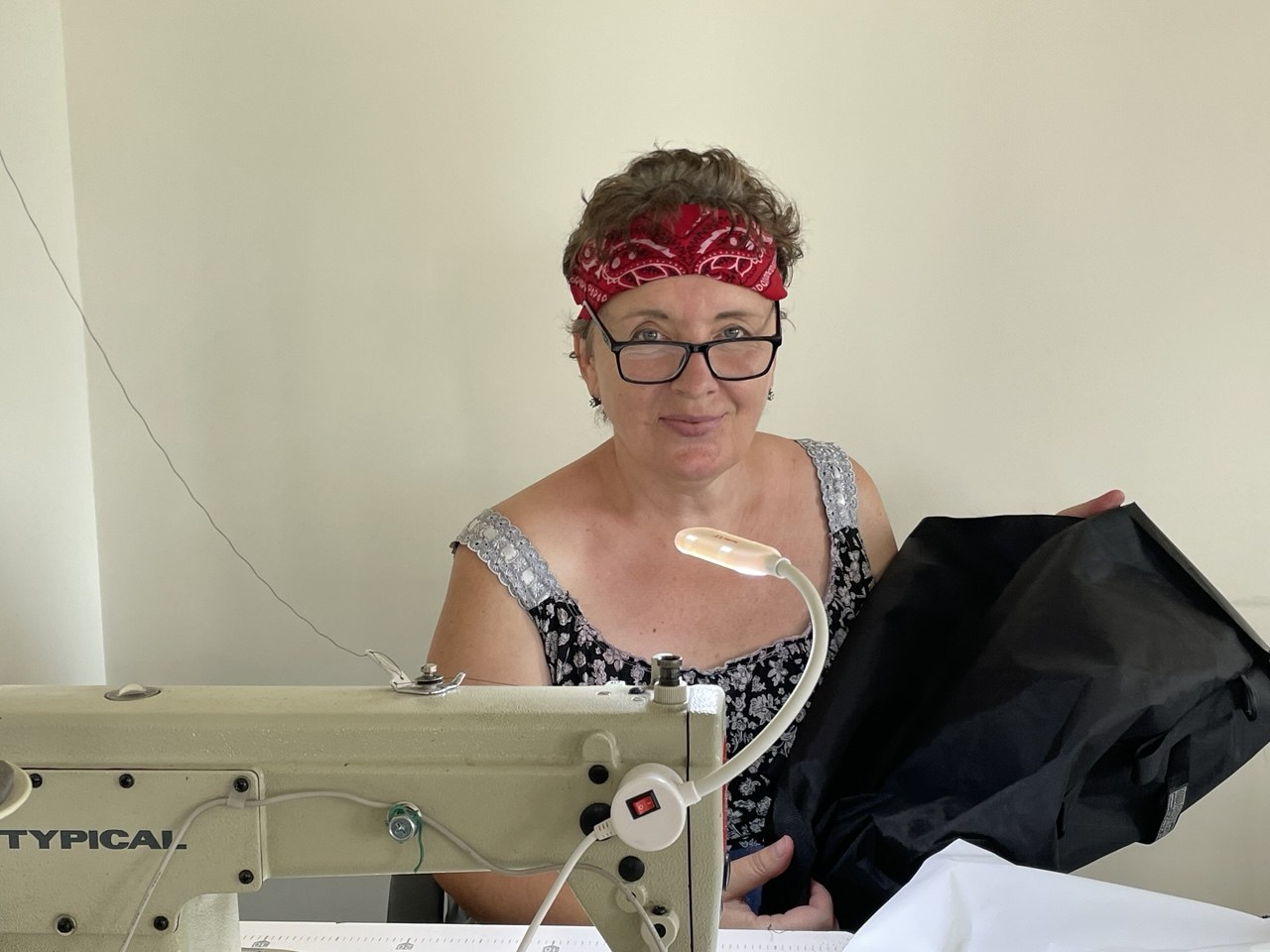
Within hours, half his team had gathered at the workshop. On the way there, he passed long lines at gas stations, ATMs, and grocery stores. Then they started sewing tactical gear and handing it out for free to the territorial defense forces. They’d done it before, in 2014, when Russia first invaded. They had the materials, the machines, and the muscle memory.
“We didn’t even have time to think about stopping. Getting into gear and doing what we could was the only natural response.”
– Oleksandr, Blackpack
Oleksandr’s workshop wasn’t the only one that found a new purpose that morning. Across Ukraine, carry brands were forced to adapt, each in their own way.
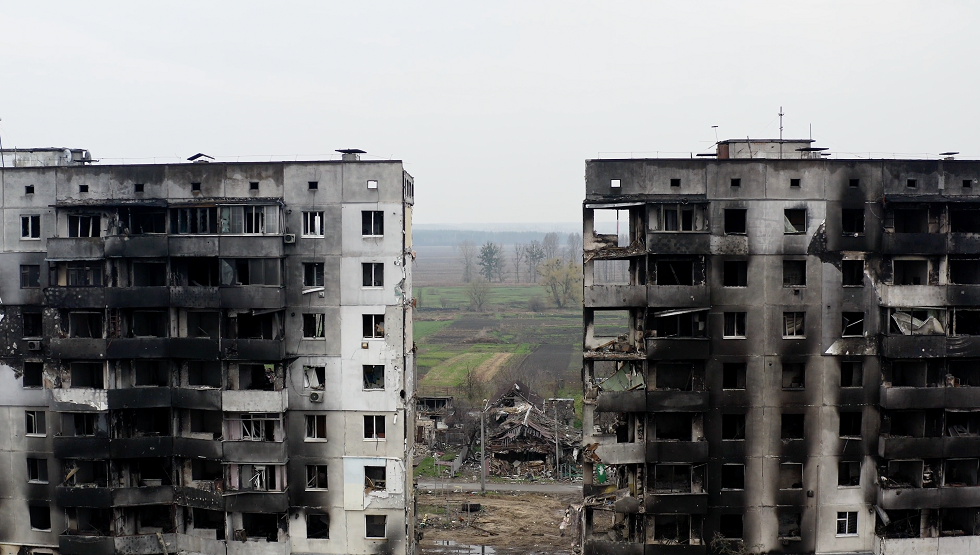
Shortly after the invasion, we reached out to Dima of D4 Bags, a bag maker living and working in Vinnytsia, to ask a simple question: how can we help? Many Ukrainian makers had halted production. Shipping had stopped. The idea of continuing to build a business felt almost beside the point. The carry community rallied around them.
A lot has changed since then. And a lot hasn’t. A war that slips in and out of the news cycle still needs attention.
So we went back to Ukraine’s carry brands. This time, rather than asking how the world could help Ukraine, we asked the makers themselves how they’ve survived and what it means to keep building something when everything around you is uncertain.
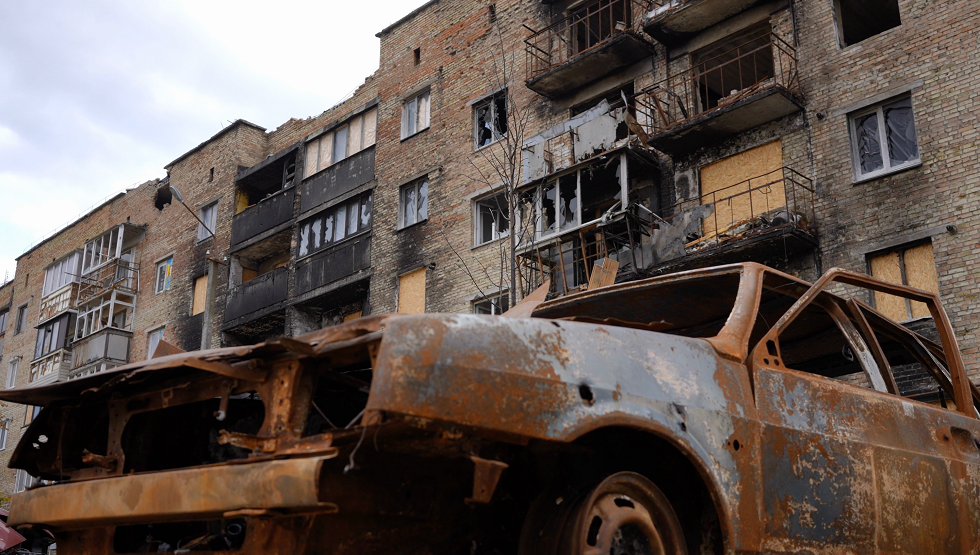
The Brands on the Ground
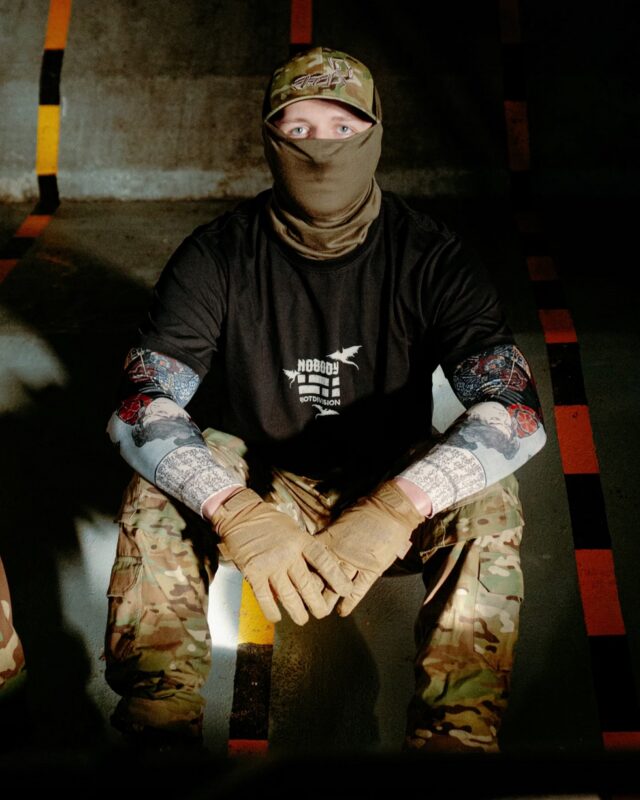
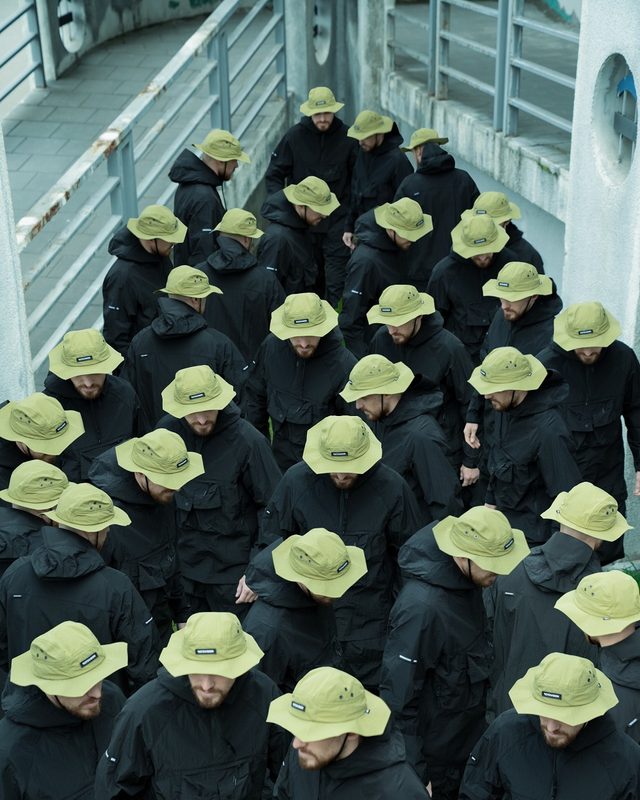
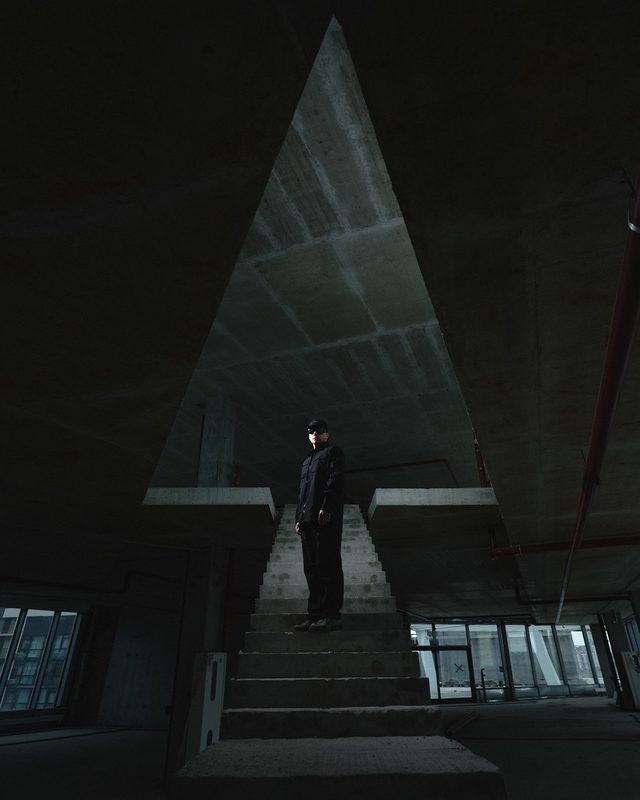
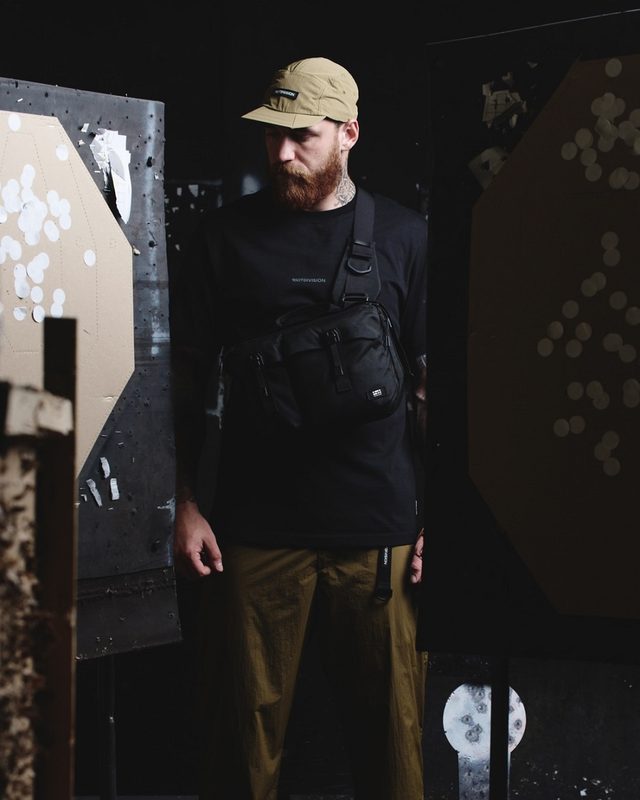
Riot Division began in Kyiv in 2010 as a clothing label rooted in utility: technical fabrics, considered construction, a visual language shaped as much by military culture as by streetwear. Over fifteen years they’ve grown into one of Ukraine’s most internationally recognized softgoods brands, making clothing, bags, and accessories that sit at the intersection of function and identity. Robert Spangle, a conflict photographer, designer, and founder of The Observer Collection, has reported from Ukraine for several major outlets, including his own dispatches. When we asked Robert which Ukrainian brand deserves the world’s attention, he named Riot Division without hesitation. “Riot Division is the biggest thing in Ukraine right now,” he said. “They popularized the military/EDC style.”
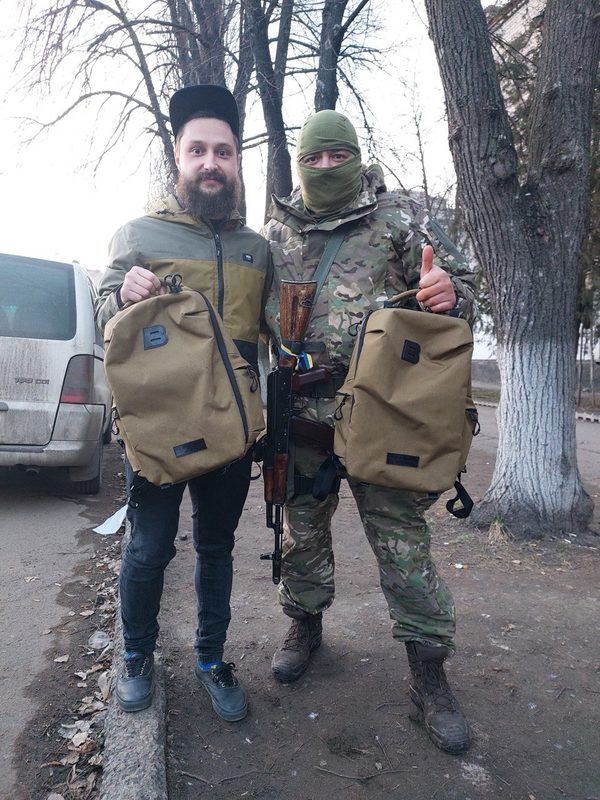
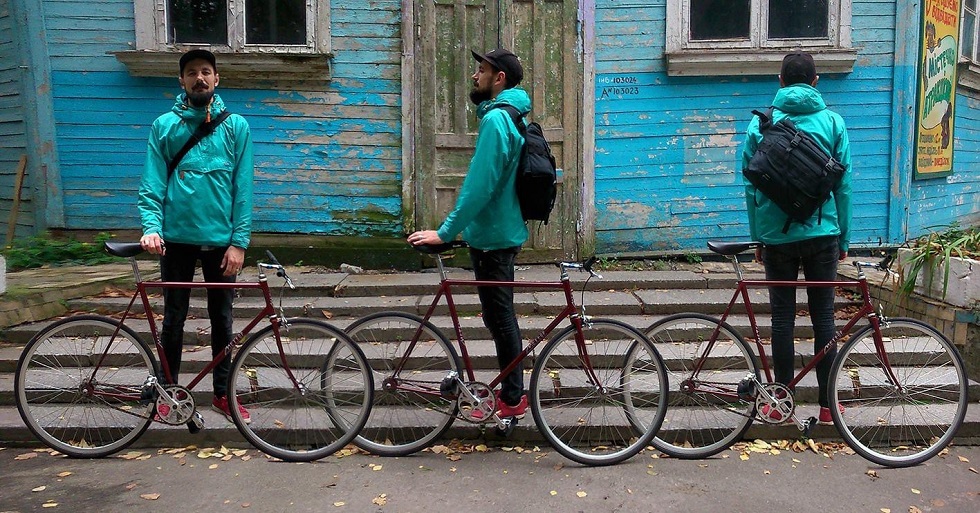
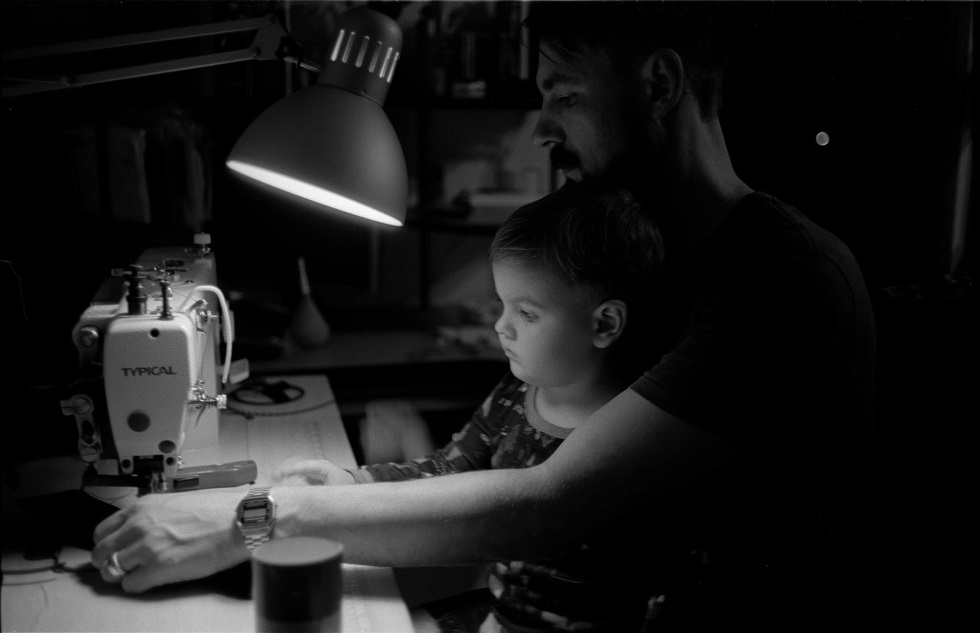
Blackpack was founded by Oleksandr in Kremenchuk, a city in central Ukraine that has been among the most heavily targeted by Russian missile strikes since 2022. The brand builds bags and gear for cyclists and everyday carry enthusiasts: products engineered by a team that actually rides, travels, and uses what they make. Their roots go back further than the full-scale invasion. Blackpack mobilized to support the territorial defense in 2014 as well, giving them a kind of institutional muscle memory for crisis response that few brands anywhere in the world can claim.
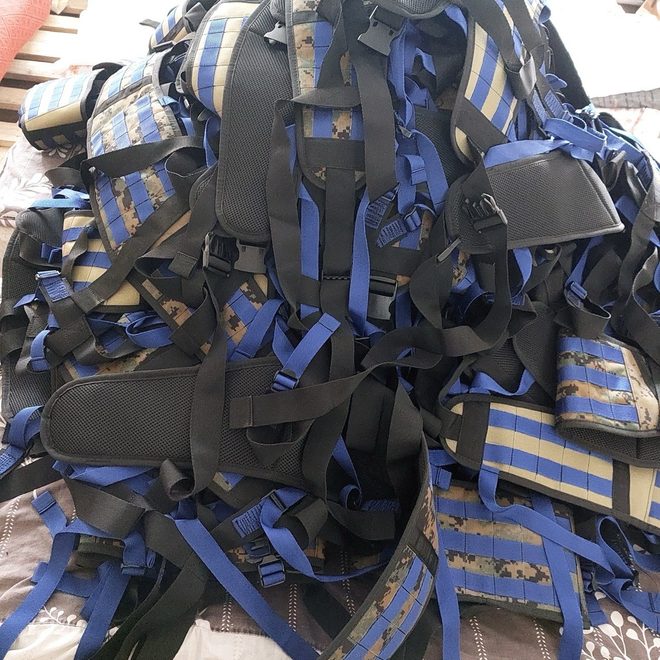
D4 Bags is, in most respects, one person: Dima, a Vinnytsia-based maker who has been designing and building EDC bags since 2013. What started as a hobby became a craft, and that craft became a brand with a devoted international following, many of whom are outside Ukraine. Dima designs, makes, and ships almost entirely on his own. His operation is small by design and resilient by necessity.
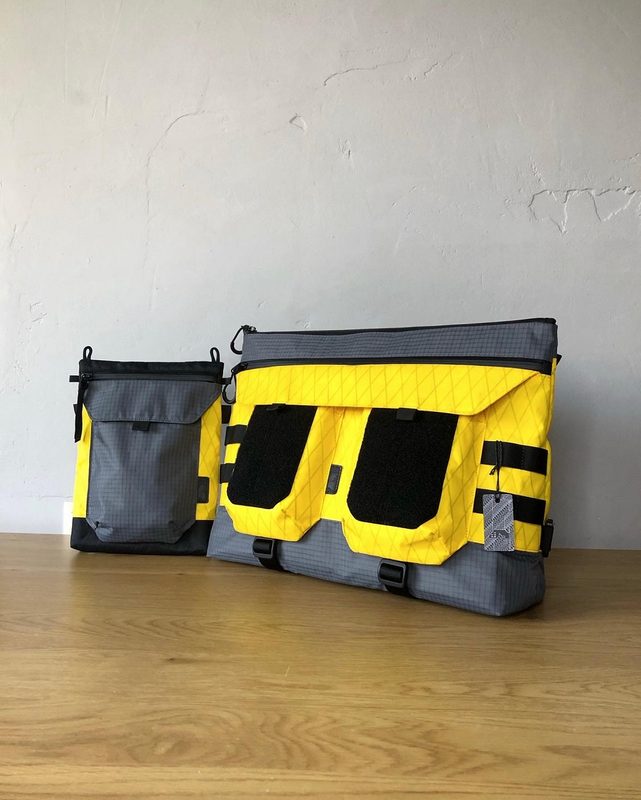
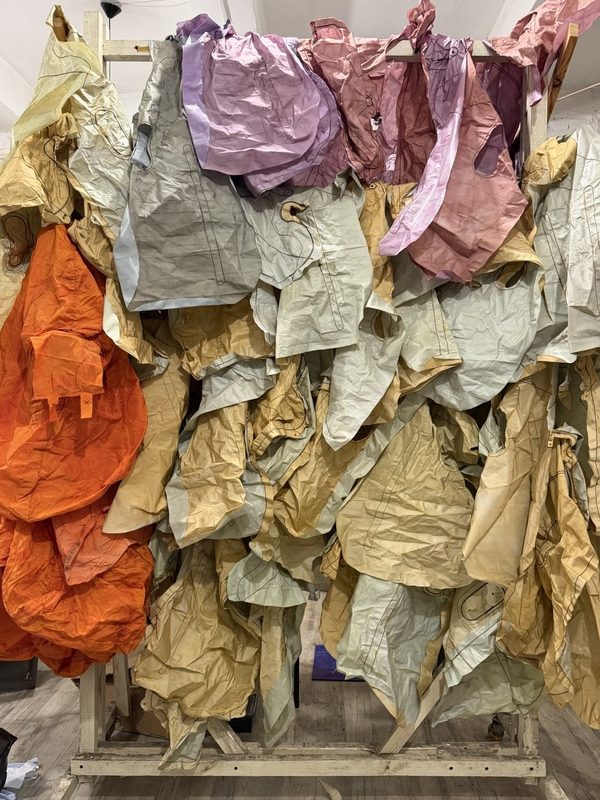
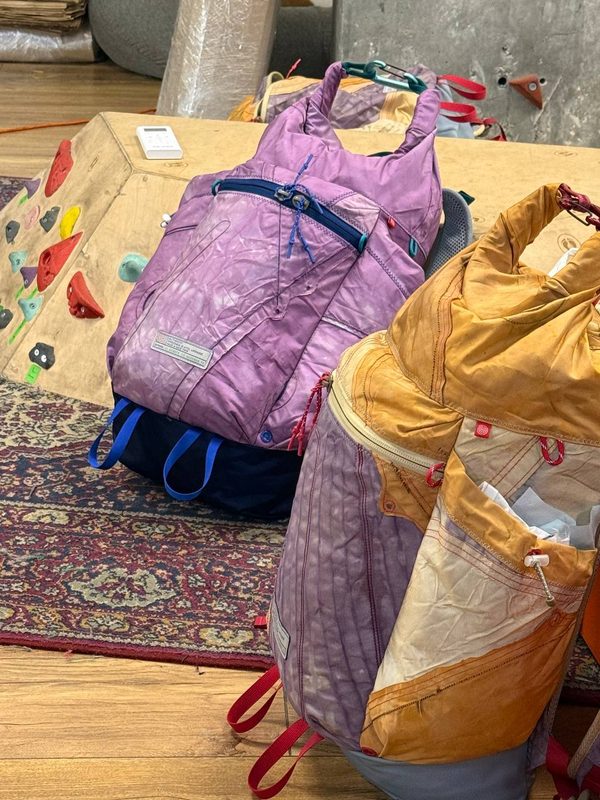
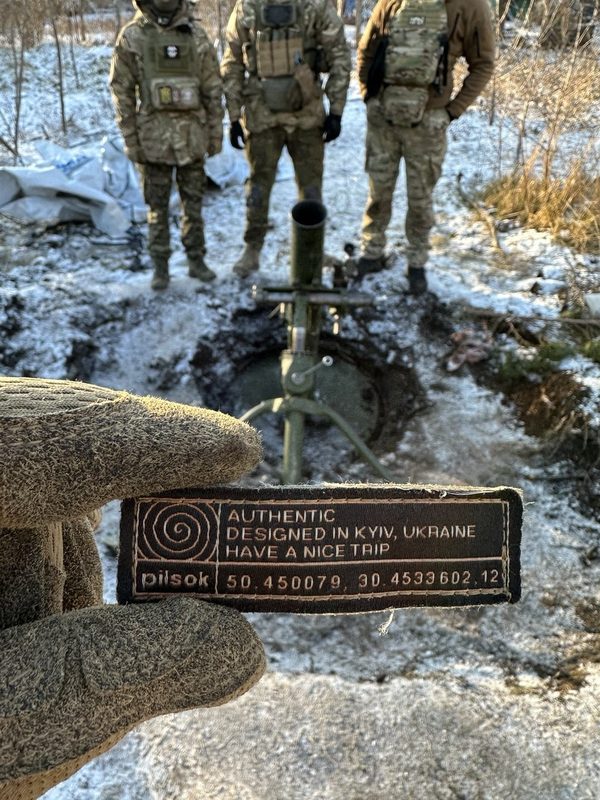
Pilsok has been making bags in Kyiv for fifteen years. Founded by Dmytro Isaienko, the brand built a reputation for design-forward thinking and for working with unusual materials, most notably airbags salvaged from car safety systems, cut and sewn into bags with a texture and history unlike anything else on the market. Pilsok is not a large operation, but it is a considered one.
The Beginning of the War
Blackpack wasn’t alone in responding that morning in February 2024.
Riot Division took a different pace. They tried to keep some sense of normalcy for their community. While production stopped for the first month, their concept store in Kyiv stayed open from day one.
For Dima, the instinct was the same as Oleksandr’s, even if the obstacles were different. A solo maker whose work is almost entirely export-driven, he watched international logistics collapse overnight. “Of course, my immediate instinct was to keep going,” he says. “I’ve long had zero doubt that this is 100% what I’m meant to be doing.” The shipping lanes came back faster than anyone expected, and so did Dima.
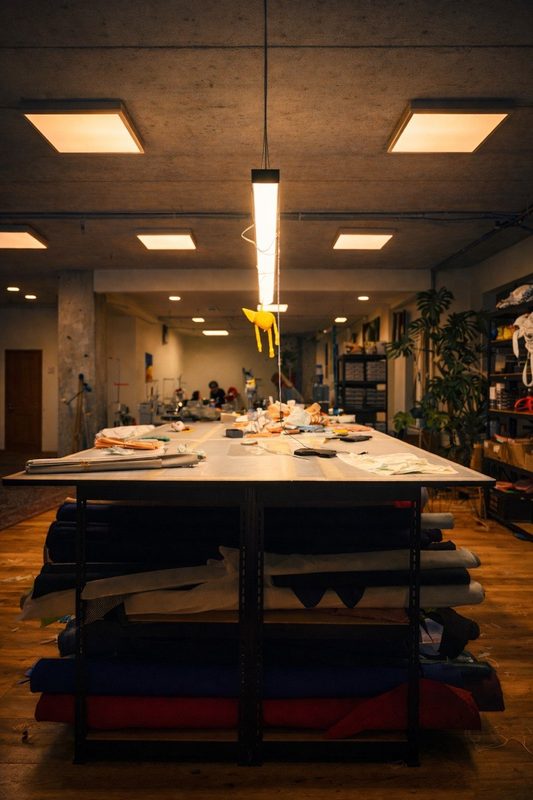
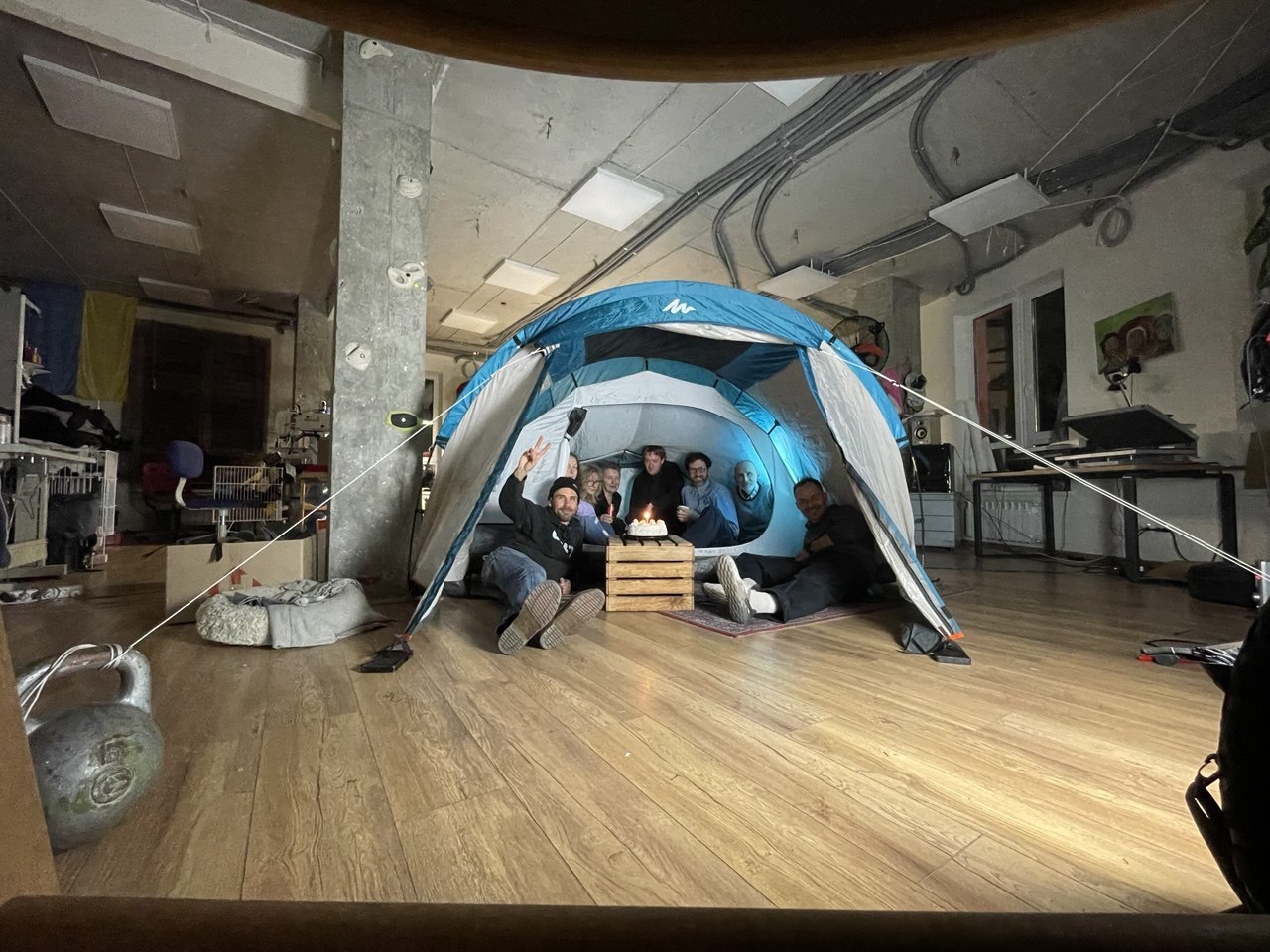
Pilsok’s response was immediate and collective. The team gathered in the basement of their workshop and started making tactical pouches, body armor carriers, and more from whatever materials they had on hand. There was no deliberation about whether to help. Dmytro gathered a team of volunteers and started making equipment in a basement for Ukrainian soldiers. The production workshop became a volunteer operation. It was, in its own way, the same instinct as always: bring people together around the work.
How to Keep Working
What the work looked like, though, changed considerably.
For Blackpack, pivoting to military production at the outset made sense. They had the experience and the inventory. But as the market for tactical gear became saturated, they returned to what they loved: bags and gear for sport, travel, and everyday carry. “Making military gear is honestly a pretty lucrative business,” the founder says, “but I strongly believe everyone should stick to what they do best.”
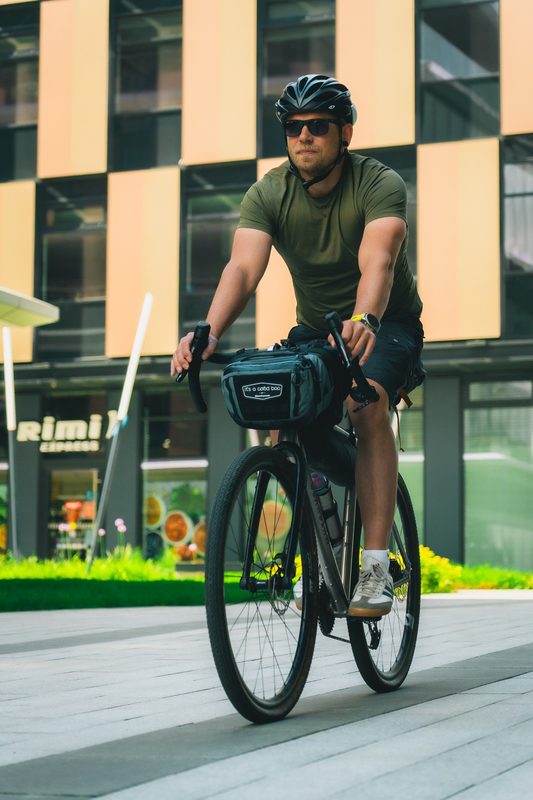
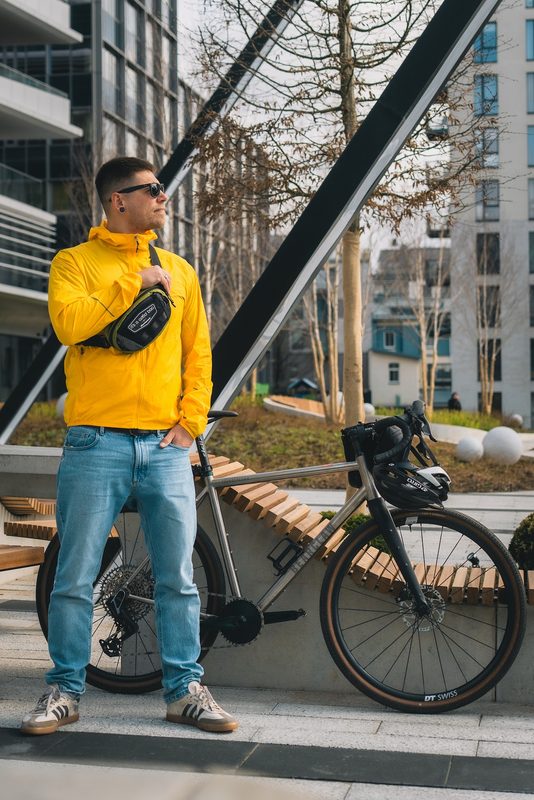
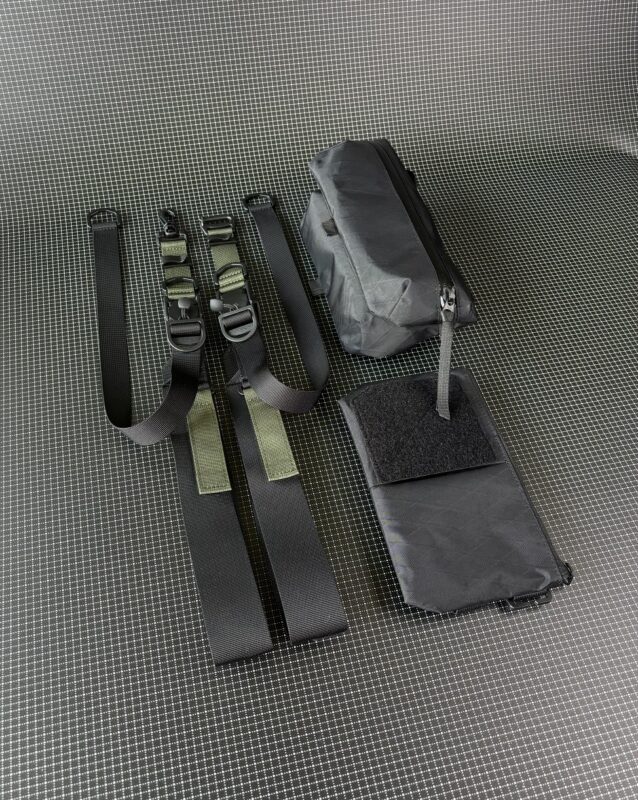
What they love and do best is bike bags: modular, transforming systems designed for the road, built by a team that includes a co-owner who has cycled through dozens of countries and knows firsthand what makes gear work. That specific expertise didn’t disappear when the war started. If anything, the commitment to it deepened.
“When you’ve spent the whole night awake in a shelter, going to the post office the next day to pick up a bag you were choosing online yesterday is a huge little spark of joy. And keeping that alive matters to us.”
– Oleksandr, Blackpack
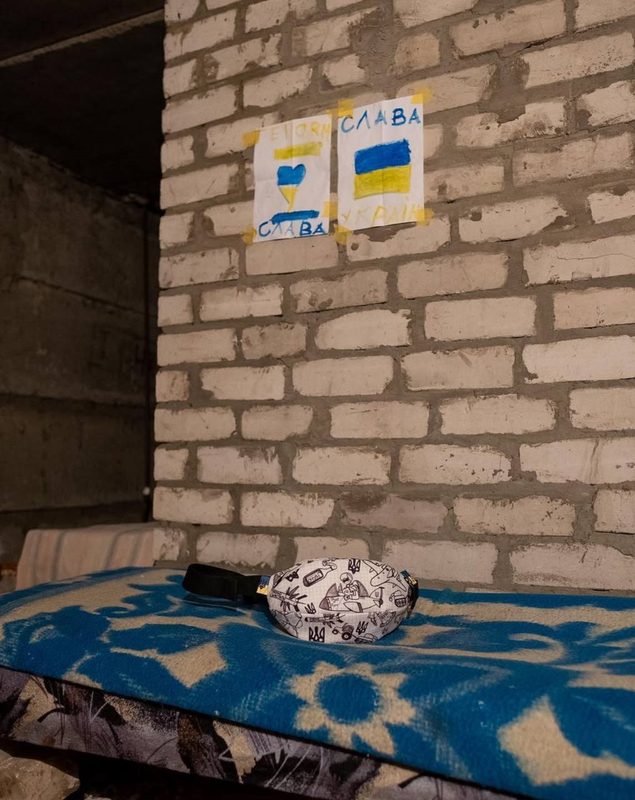
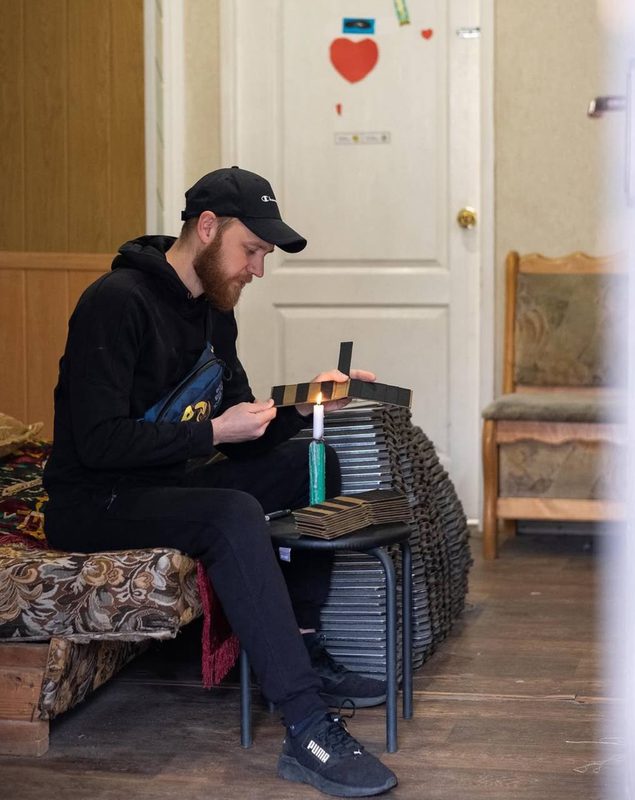
Riot Division, meanwhile, kept developing clothing collections while donating gear to the military and to people recovering from injuries. They’re matter-of-fact about it. “We do not consider this to be something extraordinary,” they say. “For us, this is a normal practice of socially responsible business in a country at war.”
Dima’s approach was similar in spirit – making military gear for friends when asked, donating pieces to charity fundraisers for the military – while keeping his core work intact. “It’s crucial for me to stick to making what I truly enjoy,” he says. “It keeps me from burning out.”
Pilsok found their most unexpected adaptation not in what they made, but in how they funded it. Early on, the brand discovered airbag fabric and started incorporating it into their designs. The material became a signature. Then they invented a fundraising model to match: one-of-a-kind pieces raffled off, with proceeds going to the military. A single raffle could raise more than a full production run of tactical gear. It was more efficient and, in a way, more honest.
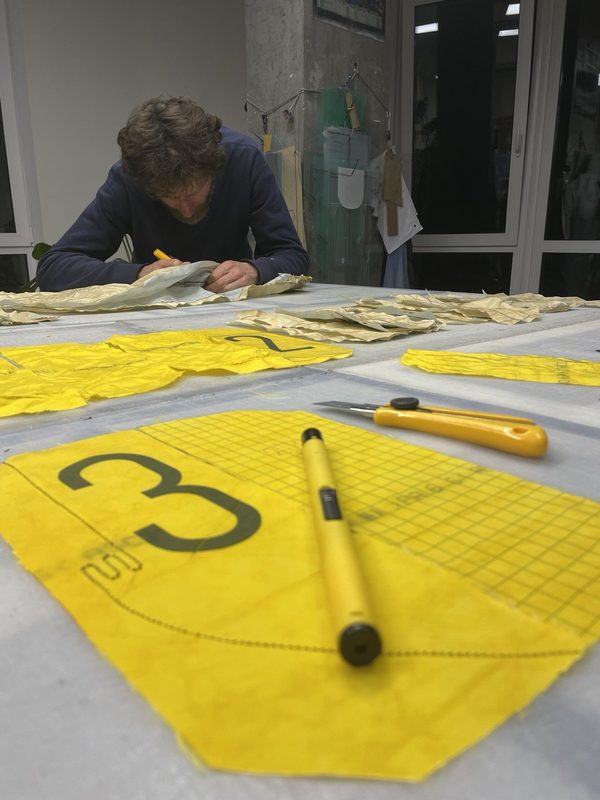
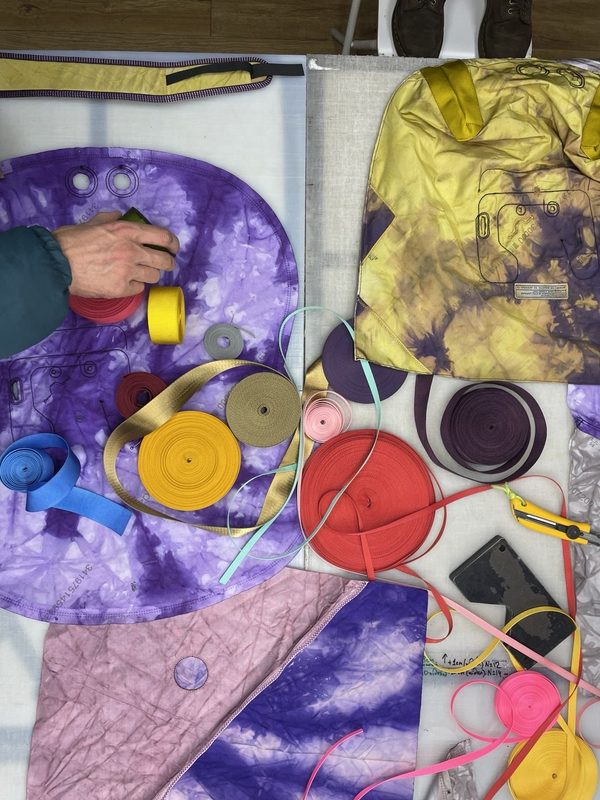
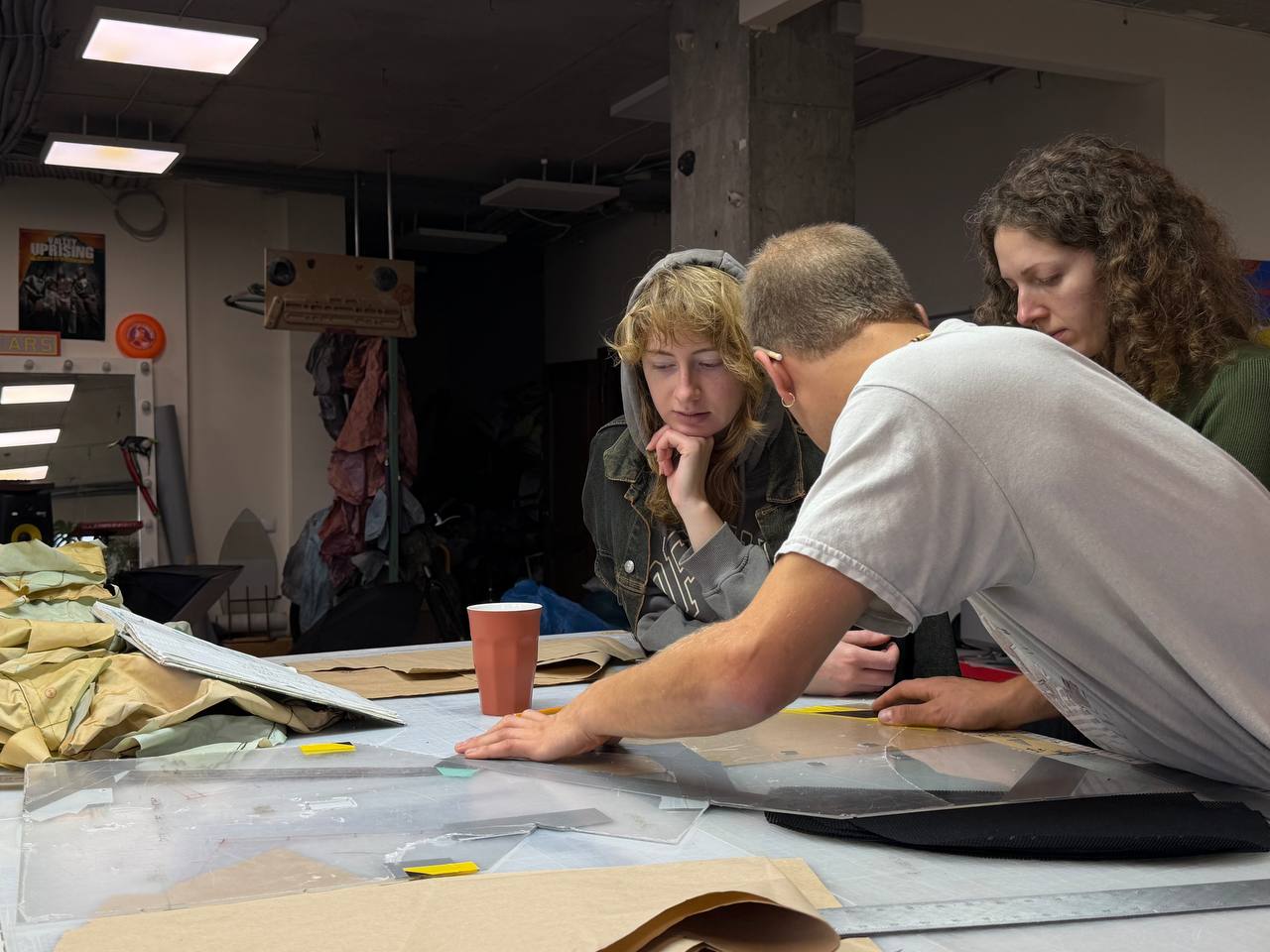
Across the board, logistics have had to adapt constantly. Riot Division describes a planning horizon that used to stretch a full year and now collapses to weeks or less. “Circumstances can change dramatically several times within one month,” they note. Supply chains shift, infrastructure gets hit, and the work of keeping a brand running becomes inseparable from the work of navigating a country under sustained attack.
Making as Resistance
Perhaps the most striking thread across our friends in Ukraine is what continuing to make things means to these brands, not just practically, but personally.
For Riot Division, it’s a form of agency in a situation that resists individual control. “We do not overestimate the scale of our own influence,” they say. “We are simply trying to do our job well, to help where we can be useful, to support our army and country.” What makes their work distinctly Ukrainian today, they argue, isn’t a design element or a cultural reference, it’s the conditions under which it’s made. The team can spend the night in a shelter during shelling, then return the next morning. The work itself becomes a form of continuity.
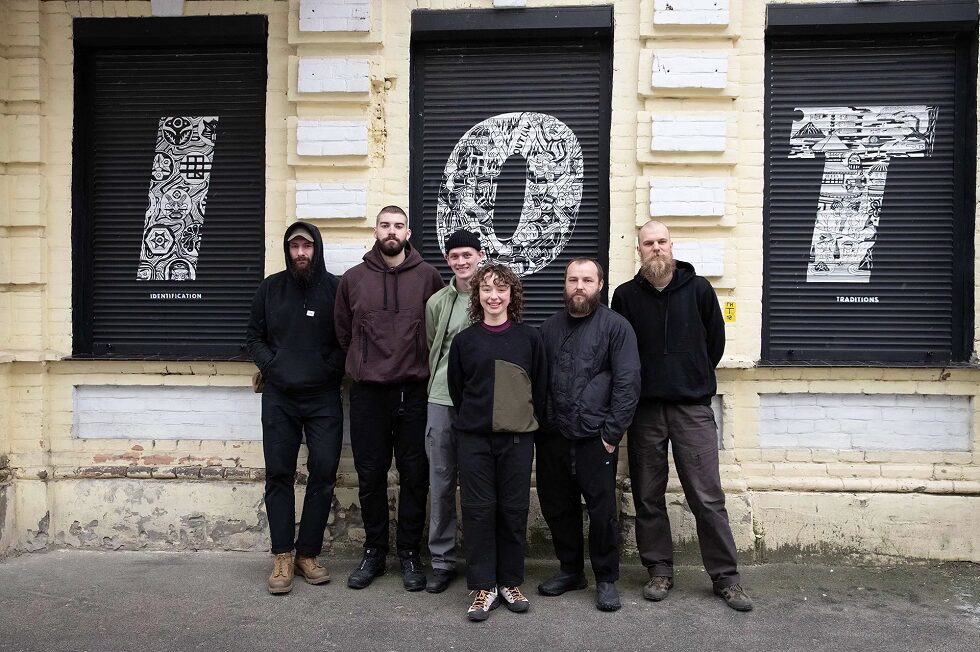
“Our designers and seamstresses can spend the night in an underground shelter during shelling, and the next day return to work, think over a new collection, choose fabrics, and look for new solutions so that our product remains competitive on the world market.”
– Riot Division
Blackpack frames it in human terms. “On a personal level, it’s actually pretty simple,” the founder says. “I just love creating value and sense.” That means comfort for customers, stability for a team of around 30 people, support for friends serving in the military, and something like normalcy for himself and his family, even if, as he puts it, “it feels a bit illusory these days.”
He recalls a moment from a couple of years ago, when the brand was close to falling apart and he’d essentially stopped coming to the workshop. A team member, Olena, sent him a message: no matter what happened, she believed in them and would be waiting for the day they came back. “I literally had tears in my eyes,” he says. He couldn’t reply for almost a full day. “You’d think it’s just a bag manufacturing business, but the human element here means so much more than that.”
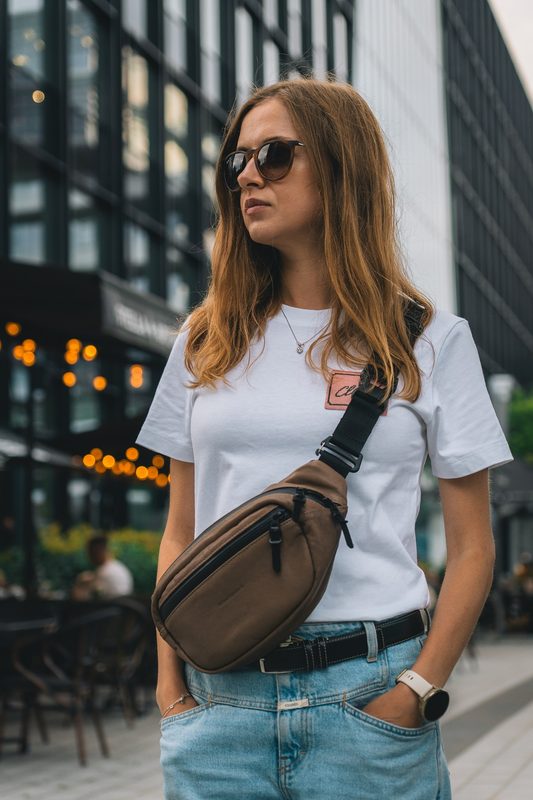
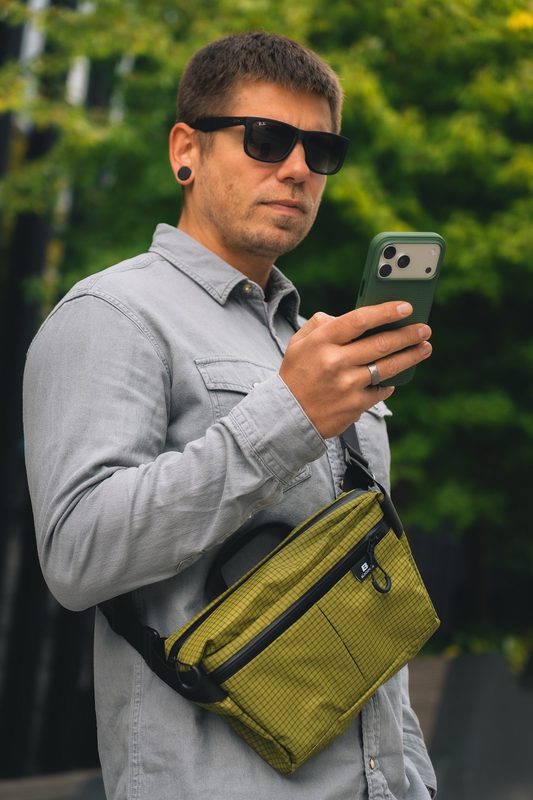
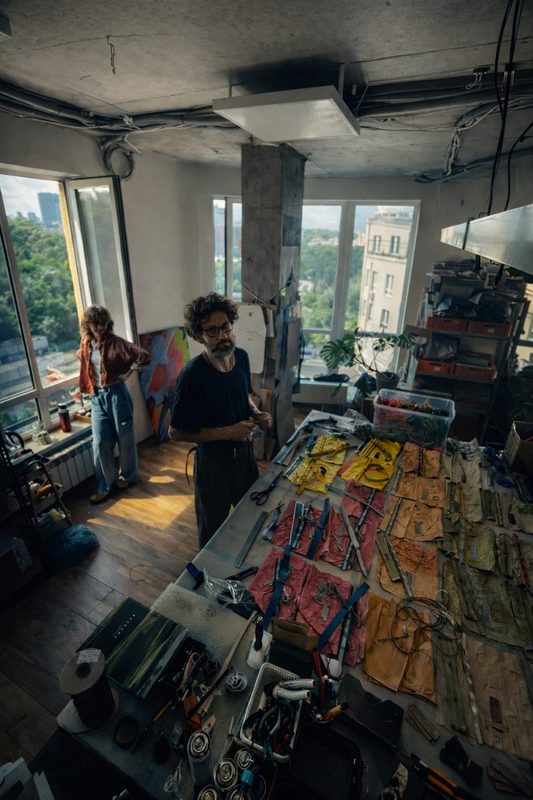
Pilsok’s founder reaches for a Ukrainian concept to describe it: srodna pratsia, or “kindred work.” It’s the idea that some work is simply native to a person, that the doing of it feels like an expression of who you are rather than something imposed from outside. The workshop, even in wartime, is where that shows up most clearly: people joking, experimenting, trying things that probably won’t work. A soldier once came to the workshop asking if Pilsok could make thirty tactical pouches for his unit. When they were ready, Dmytro brought them out. The soldier asked the price. Dmytro told him there was no price, “this is for all of us.” The soldier didn’t say anything. He just stood there, hugged Dmytro in the street, and held on.
The Outside World
All four are clear-eyed about their relationship with the international community. Blackpack describes itself as “well-known in narrow circles.” The vast majority of their international orders come from Ukrainians living abroad, not foreign customers who discovered them from the outside.
Dima has felt the weight of that attention directly. After the full-scale invasion, messages started arriving from existing customers checking in, from fellow makers offering support, from strangers who became repeat buyers. “Many repeat clients even sent donations just to show their support,” he says. “It was deeply moving and hugely motivating.” Some of that, he notes, came directly from our 2022 highlight: “A massive thank you for keeping the spotlight on Ukraine. It truly means the world to us.”
Pilsok’s founder describes a trip to Milan Fashion Week that broke something open in him. He sat in a cafe watching Italians order pizza while the news rolled in from home. He cried. Not out of weakness, but out of contrast. At concerts across Europe, he saw Palestinian flags raised in solidarity. He understood the impulse. He felt the sting of it too. “I understand the importance of supporting people suffering from war, wherever they are,” he says. “But at the same time, I really wish Ukraine wouldn’t disappear from the attention of European society.”
“Right next to them, the largest war in Europe since World War II is taking place. Every day, it destroys lives, takes people away from their families, devastates cities, and leaves an enormous amount of pain behind.”
– Dmytro, Pilsok
None of them are waiting for external energy to keep going, but all four are aware that attention matters, not just commercially, but symbolically. The ask isn’t charity. It’s presence. Don’t look away.
“It is important for us to feel that Ukraine and what is happening here remain in the focus of the international community.”
– Riot Division
Looking Forward
Five years, or more, from now is a difficult horizon to imagine from inside a war. Blackpack’s founder keeps his specific hopes close to his chest. “I’ve gotten pretty used to the fact that tomorrow can look drastically different from whatever you planned today,” he says. “I believe we’ll be here, and we’ll be doing awesome, successful things.”
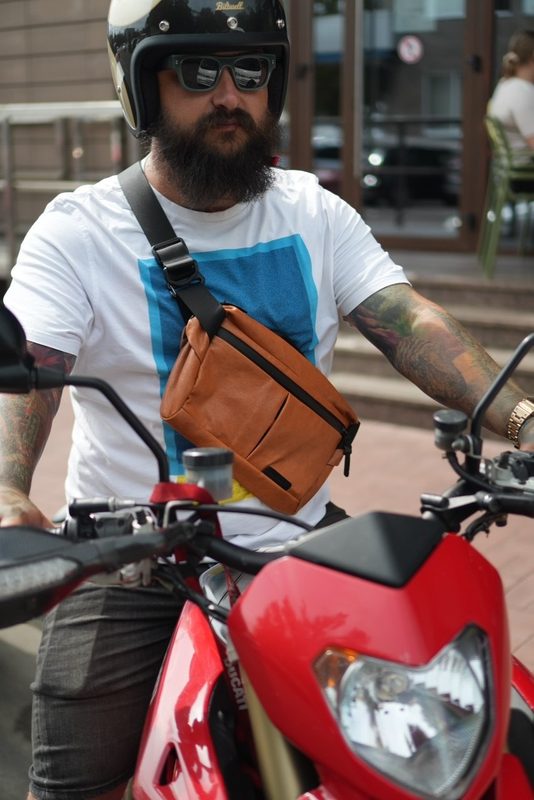
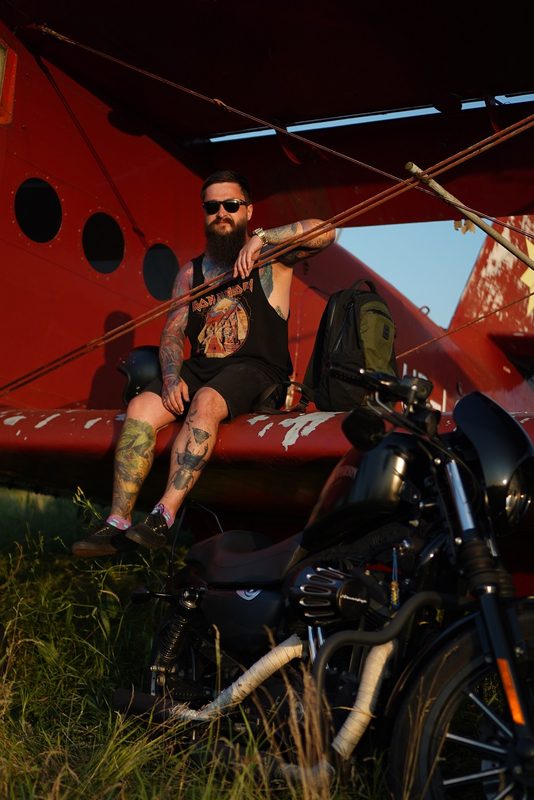
Dima, for all intents and purposes, is D4. “As long as I exist and function, I hope the brand will too.” He’s not looking at the horizon right now. He’s looking at the next design, the next idea, the next step. “The perception of time and the future feels completely different here,” he says. “Nobody knows when the war will end or who we will be when it does.”
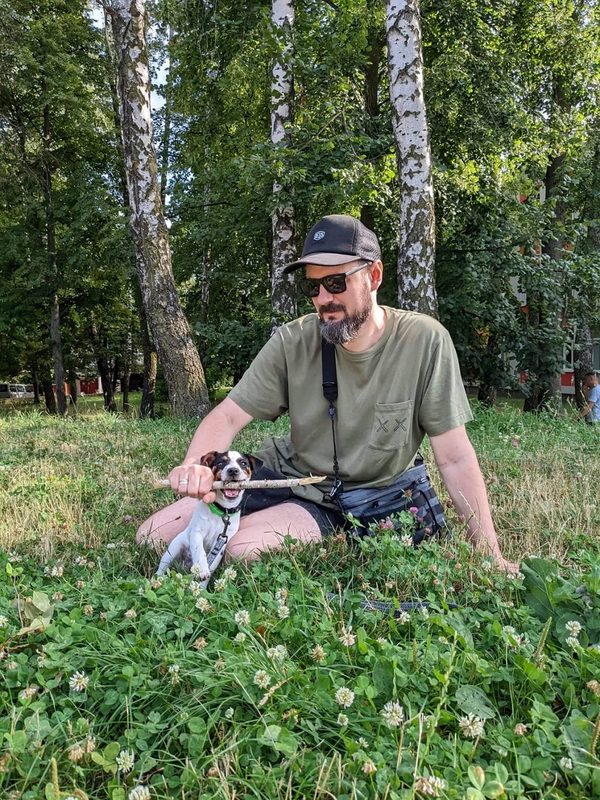
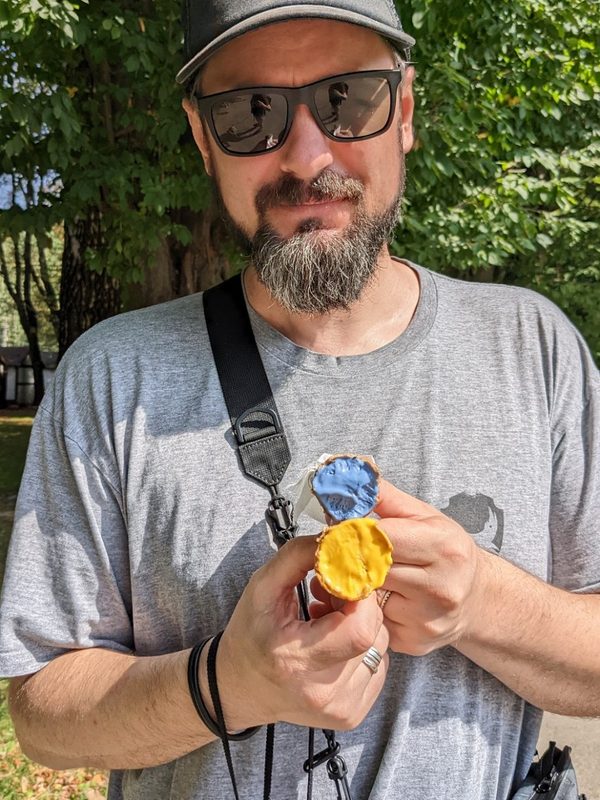
Riot Division is more explicit about their ambitions. They want to be a visible part of the global industry. They want the work of their designers, seamstresses, and managers, people who take shelter during shelling and come back the next morning to keep building, to be recognized beyond Ukraine’s borders.
“Our people create a competitive product in conditions that most European and American clothing brands have never encountered. And we want the result of this work to be presented far beyond the borders of Ukraine.”
– Riot Division
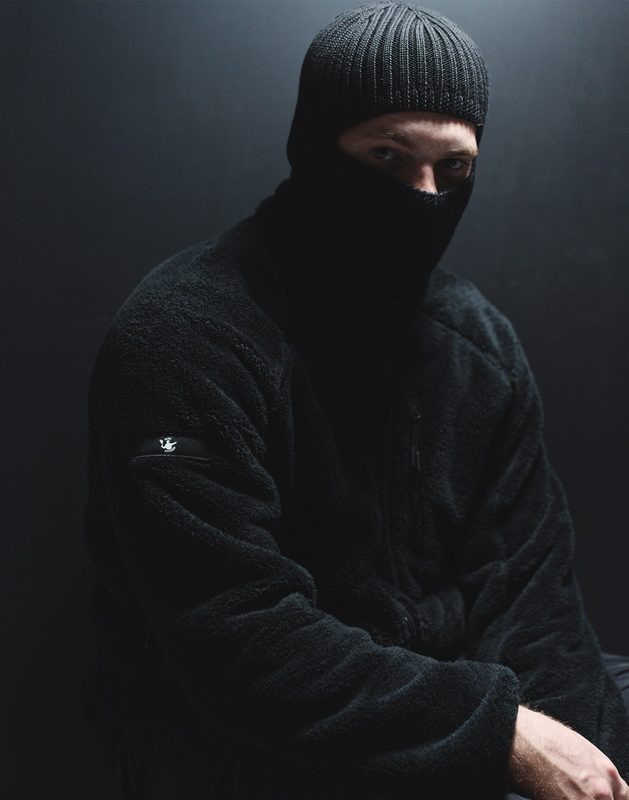
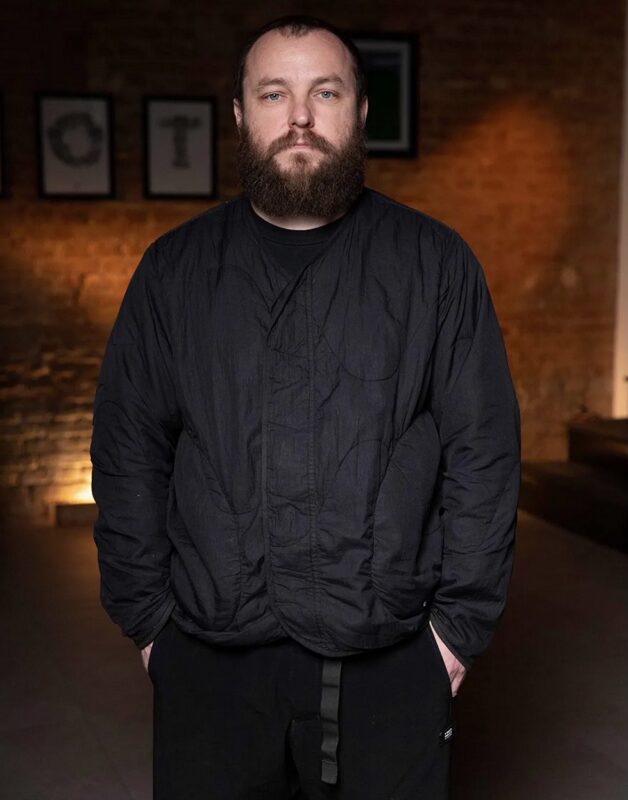
Pilsok’s answer to the future is deceptively simple: no plan. “Our plan is to have no plan,” the founder says, and he means it as a hard-won philosophy, not ambivalence. In a country where tomorrow is genuinely uncertain, the freedom to follow the work wherever it leads has become its own form of resilience. He dreams of a post-war Kyiv where the workshops hum with creative energy, where the celebrations outnumber the fundraisers, where the world shows up not out of obligation but out of genuine curiosity about what Ukrainians are making.
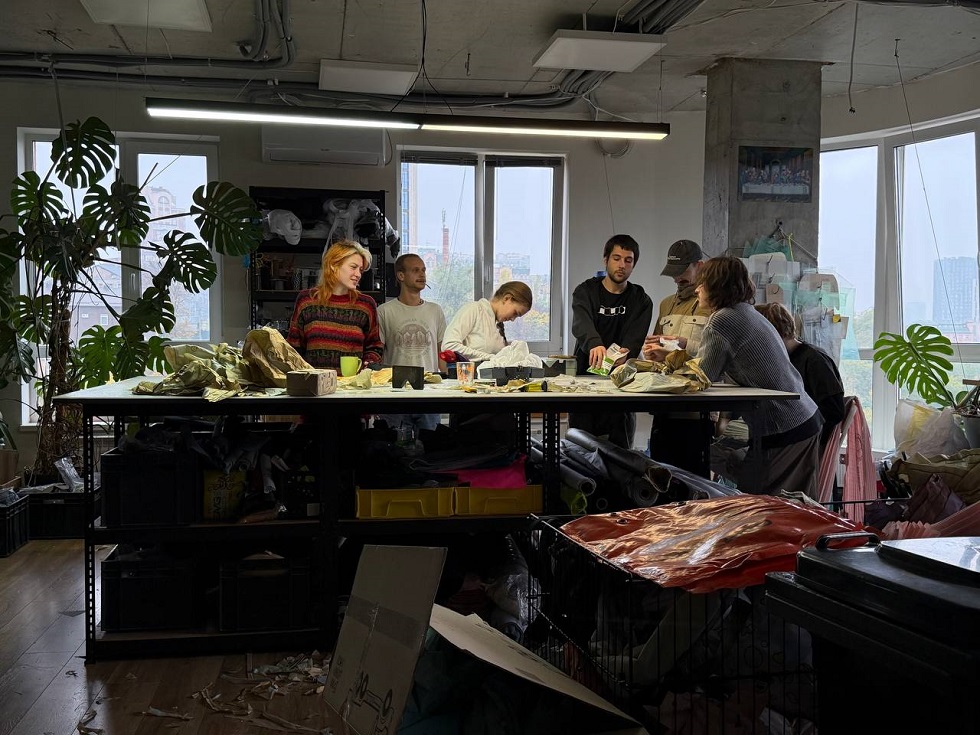
Somewhere in Kyiv, the night sky lights up with another attack. People in a production facility ask each other, half-joking and half-not, whether they’ll be lucky this time. Whether the building will still be there in the morning. Whether they’ll have somewhere to go back to.
And in the morning, if everything is fine, they simply return to work. Not heroics. Not spectacle. Just the quiet act of showing up and making something again, and again, and again.




 WAYS TO CARRY