



 Carry Awards
 Insights
 Liking
 Projects
 Interviews
 Carry Candy
 Community and Marketplace
Insights
In human history, long before Cordura, aluminum stays, and magnetic buckles, humans were already tackling one of survival’s hardest problems: how to carry heavy loads over impossible terrain.
Firewood. Water. Trade goods. Children. Salt. Hunting equipment. Across continents and centuries, the same question kept reappearing: Where does the weight sit?
Cultures around the world arrived at radically different solutions. Some used the forehead or the hips. Others relied on flexible netting, woven bark, bamboo frames, or little more than a single piece of cloth. Each solution reflected both the landscape it emerged from and the people who depended on it.
This is a brief journey through the ergonomics, materials, and cultural stories behind some of humanity’s oldest carry systems, and a look at why many of their underlying principles still challenge our modern assumptions about what it takes to carry well.
Japan | Furoshiki
The Art of Adaptability
Steam rises in a Kyoto bathhouse. A powerful feudal lord strides in with his entourage, preparing for the ritual of bathing, conversation, and political maneuvering. A servant kneels on the warm wooden floorboards to carefully spread an ornate square of cloth, adorned with the family’s crest. One by one, silk kimonos are folded onto the fabric, wrapped with practiced hands, and set safely aside until the session is complete.
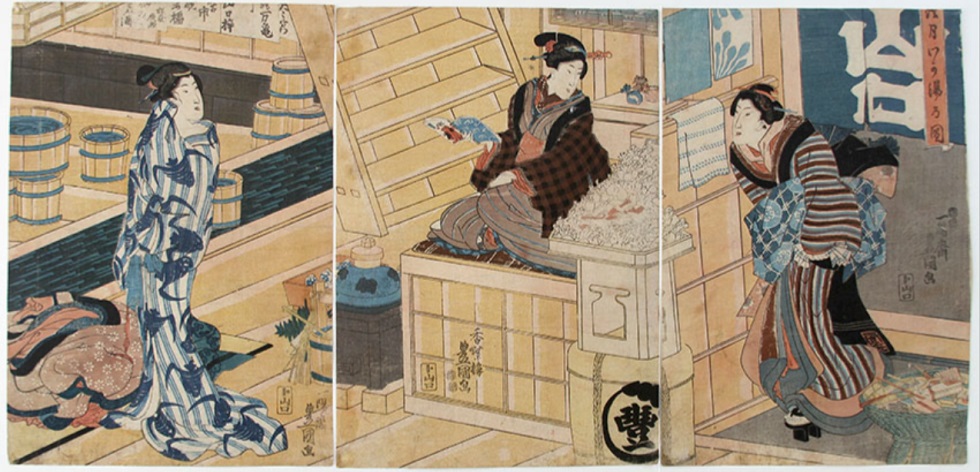
This simple ritual helped shape what would become the furoshiki, literally ‘bath spread’, during Japan’s Muromachi period (1336–1573). The word itself describes two things: the cloth itself, and the art and action of folding it.
Its roots reach even further back to the Nara period (710–794), when similar wrapping cloths, known as tsutsumi, were used to protect precious temple objects during transport.
What began as sacred protection gradually evolved into an elegant, multi-purpose carrying system. When public bathhouses became increasingly accessible during the Edo period (1603-1867), furoshiki became a more generalized cloth for wrapping objects.
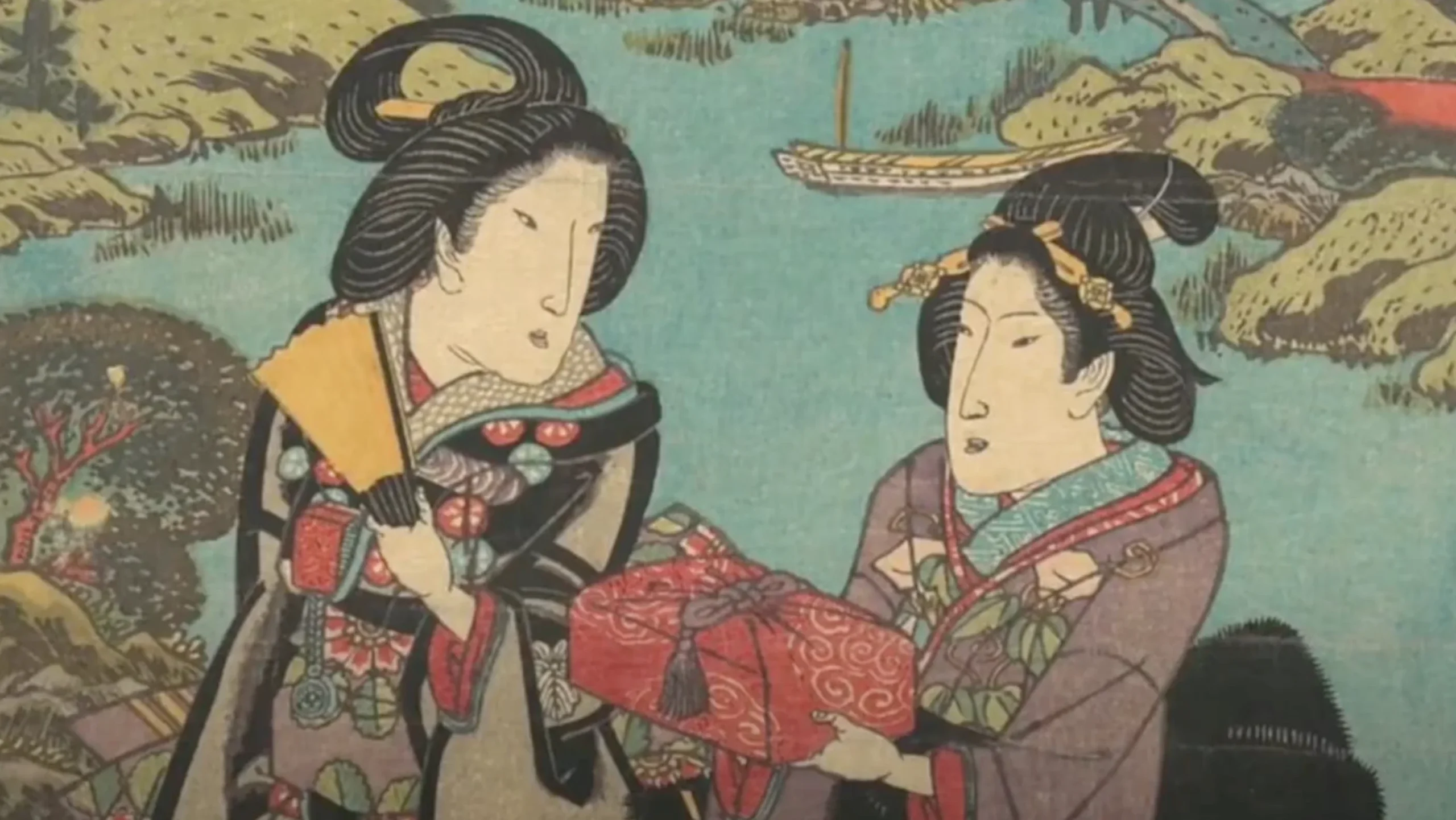
A modern backpack solves one problem remarkably well. Furoshiki solves countless others.
With nothing more than a square of cloth and a handful of knots, it can become a grocery bag, bottle carrier, lunch wrap, shoulder sling, overnight bundle, or gift wrap. It packs flat, weighs almost nothing, requires no hardware, and can be repaired indefinitely. Every knot can be untied. Every fold can become something else.
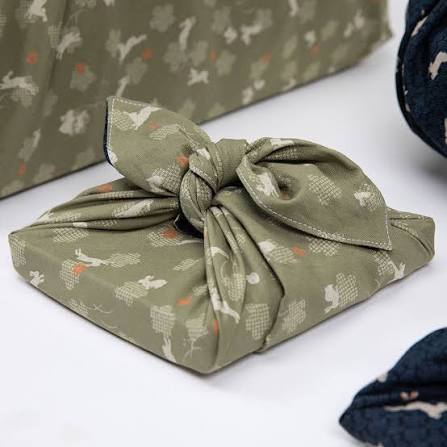
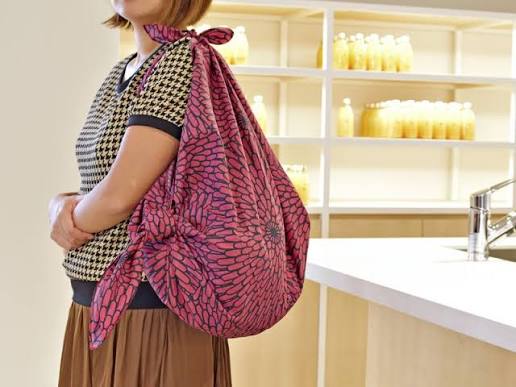
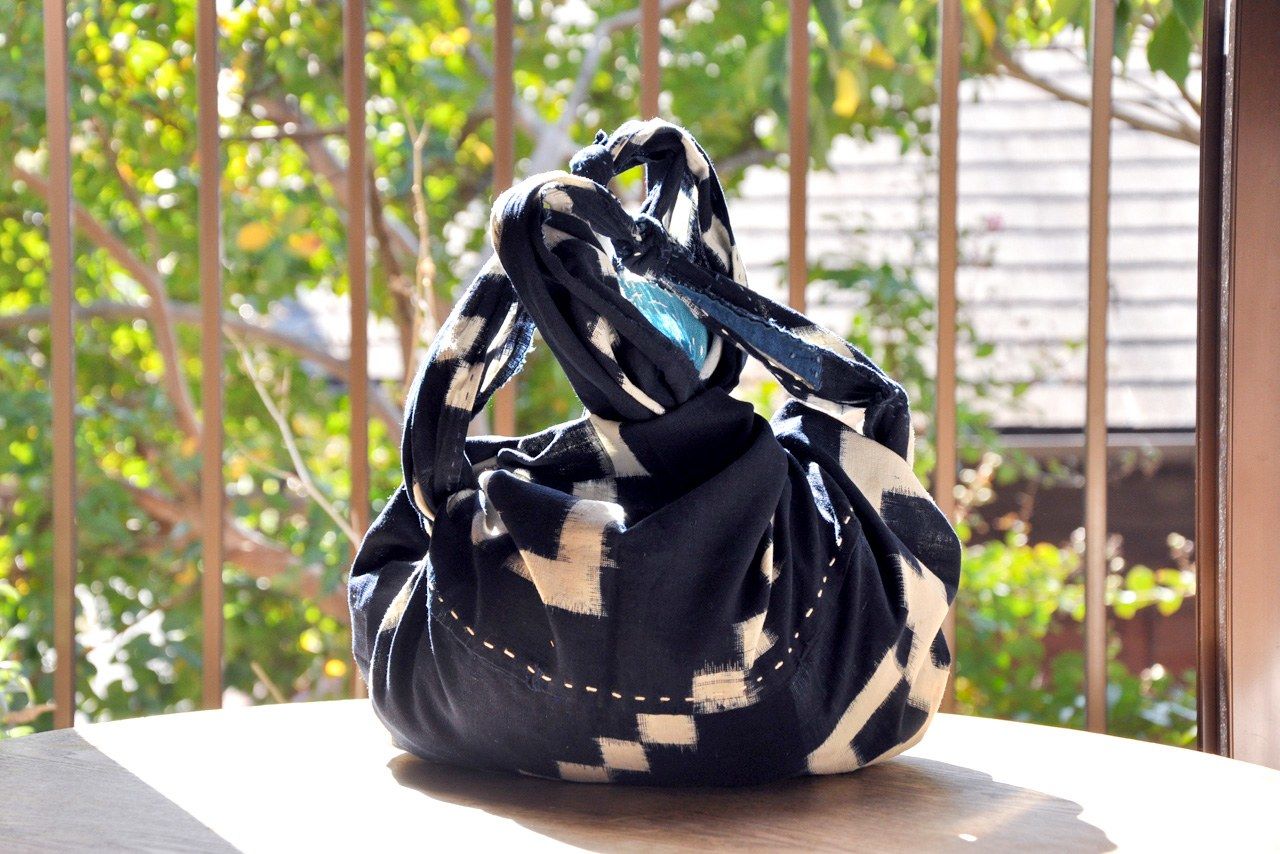
Far from being a relic of the past, the furoshiki has found renewed relevance in modern Japan, used for everything from shopping and travel to gift wrapping and everyday carry.
In 2006, Japan’s Ministry of the Environment launched a campaign promoting furoshiki as an alternative to disposable plastic bags, using the traditional wrapping cloth as a symbol of waste reduction and mindful consumption.
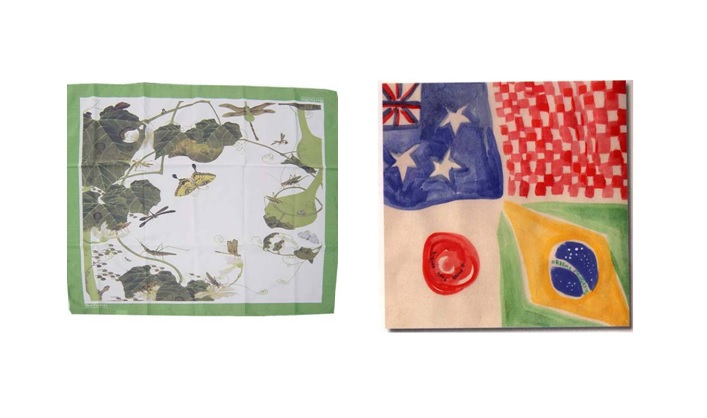
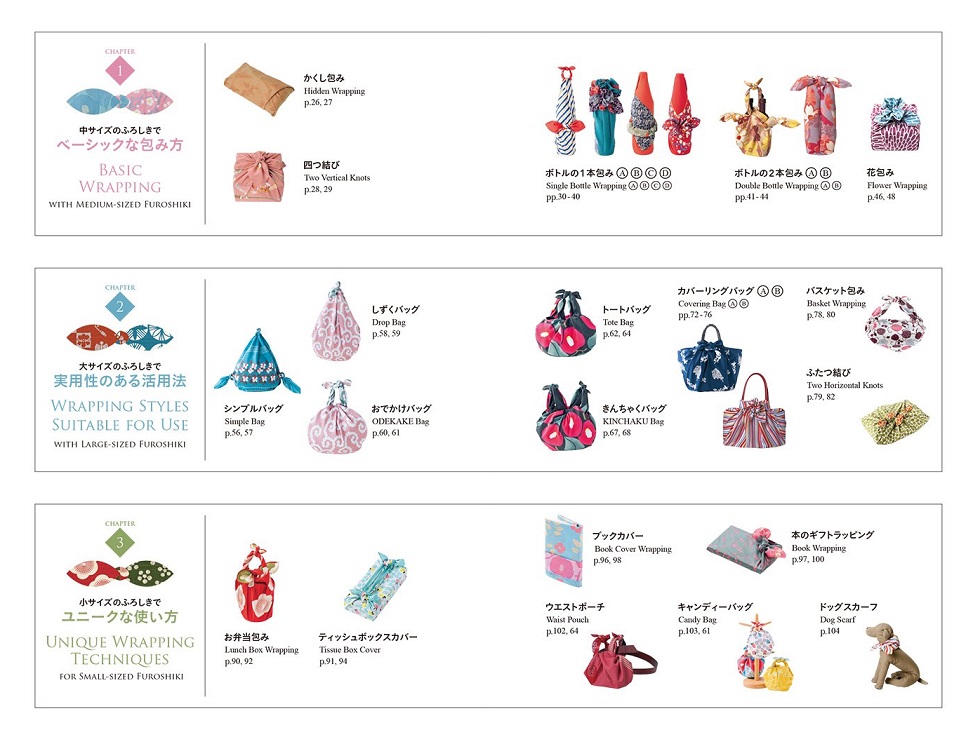
Contemporary designers have also continued to reinterpret the form, including Tokyo-based textile artist Yamada Etsuko, whose work explores fresh applications for traditional wrapping techniques.
Papua New Guinea | Bilum
The Art of Expansion and Ergonomics
For generations, the bilum has been one of Papua New Guinea’s most versatile everyday carrying systems. In Tok Pisin, the word translates to ‘womb’, reflecting its traditional role in carrying babies, food, firewood, and almost anything else daily life demands.
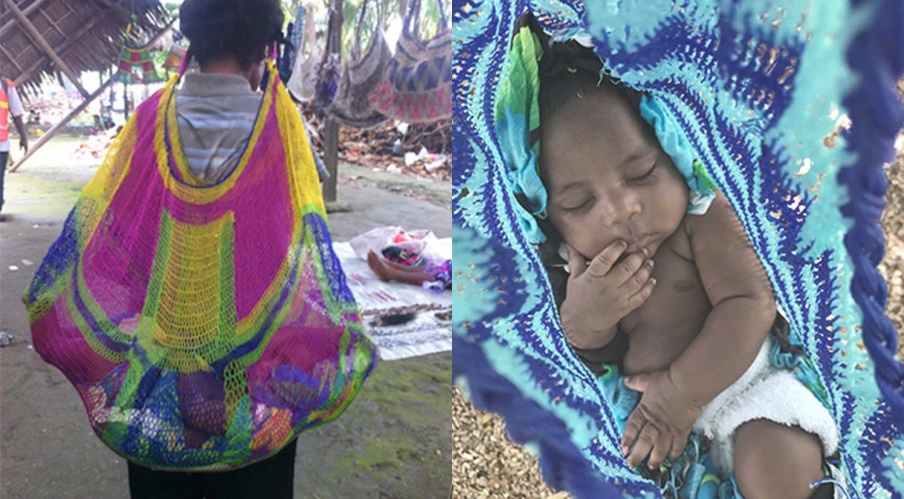
Handcrafted using a distinctive looping technique rather than weaving or knitting, bilums are made from fibers derived from tree bark, pandanus, grasses, and, increasingly, commercially spun yarns.
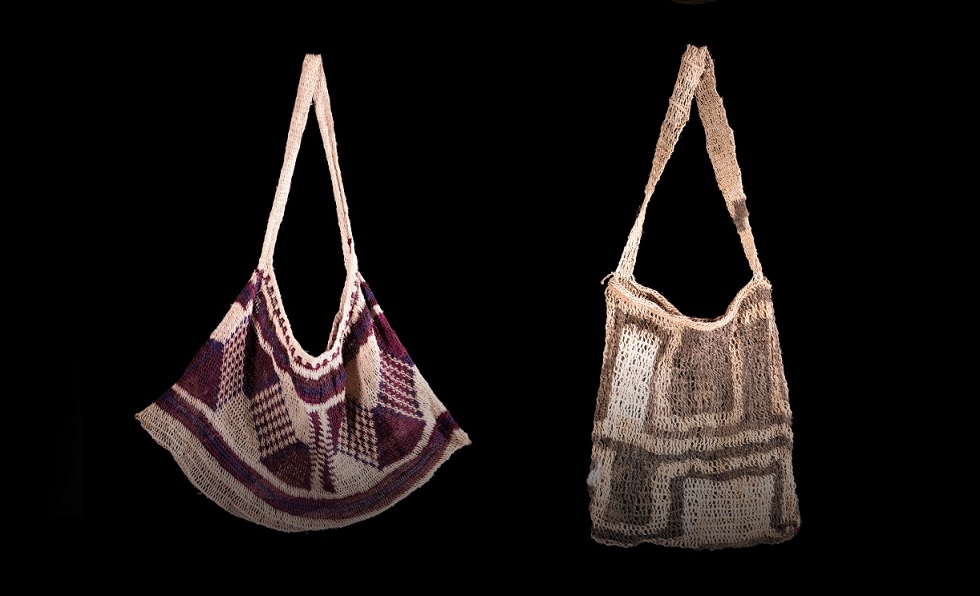
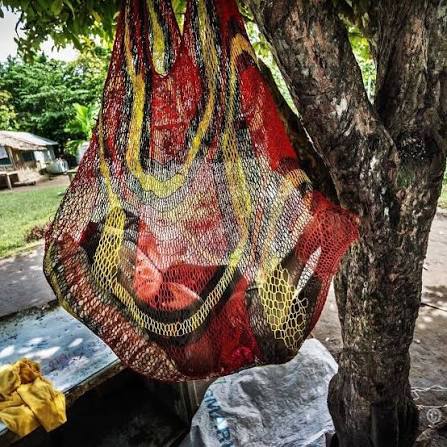
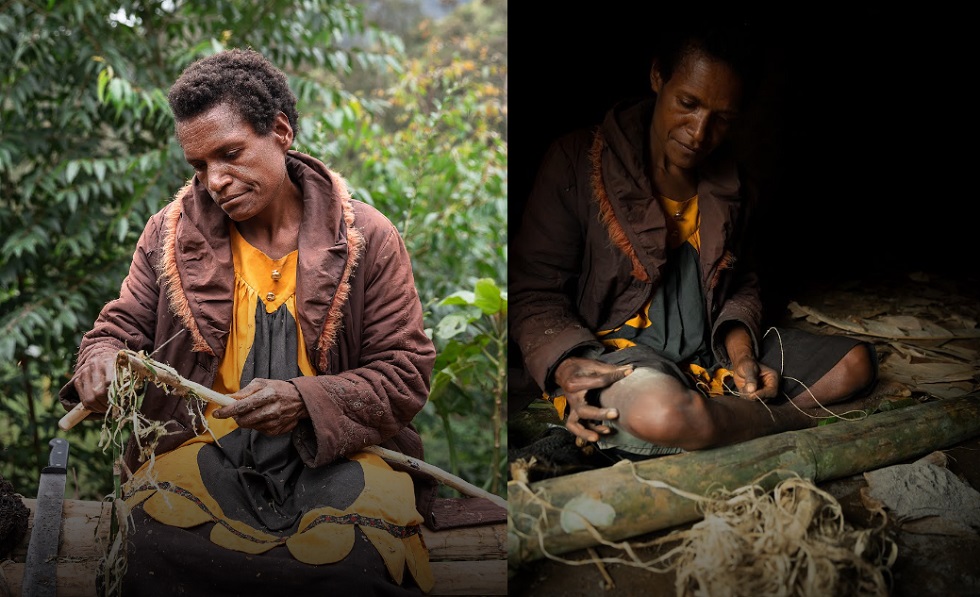
Preparing the fibers is a labor in itself. They’re stripped, dried, twisted by hand against the weaver’s leg, and spun into strong cord before the first loop is even formed. Patterns and colors are commonly used to identify regional traditions, family heritage, or the individual maker – an expression of identity and lineage.
While many modern backpacks pursue comfort through elaborate frames, harnesses, and adjustment systems, the bilum follows almost the opposite philosophy. It shapes to the body.
Unlike a modern pack, it relies on almost no rigid structure. Its genius lies in its flexibility.
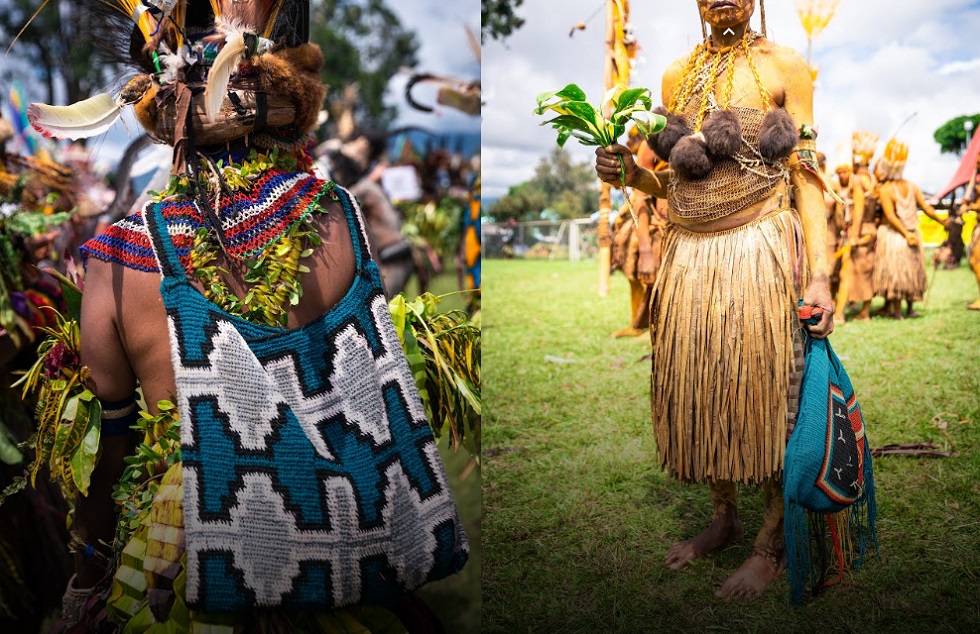
The open weave expands or contracts according to its contents, while the forehead strap helps distribute the load through the body’s natural centre of gravity rather than concentrating it on the shoulders alone.
Soft where modern packs are rigid, adaptive where many packs are prescriptive, the bilum remains one of the most elegant demonstrations that carrying is as much about motion as it is storage.
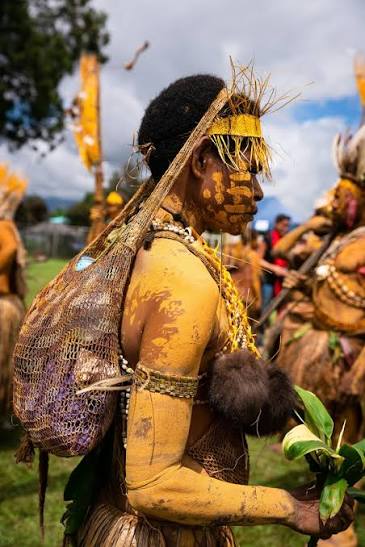
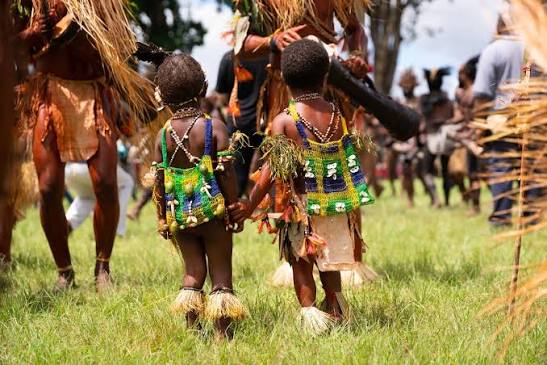
Far from being a static tradition, the bilum continues to evolve. Textile artist Florence Jaukae Kamel, widely known as the ‘Bilum Meri’, was initially criticised for adapting the craft into contemporary garments rather than traditional carry bags. Her work ultimately helped transform the bilum into both a cultural emblem and a source of economic independence, creating new opportunities for women’s cooperatives while bringing the craft onto international runways and into the broader design conversation.
Himalaya | Namlo + Doko
The Art of Balance and Simplicity
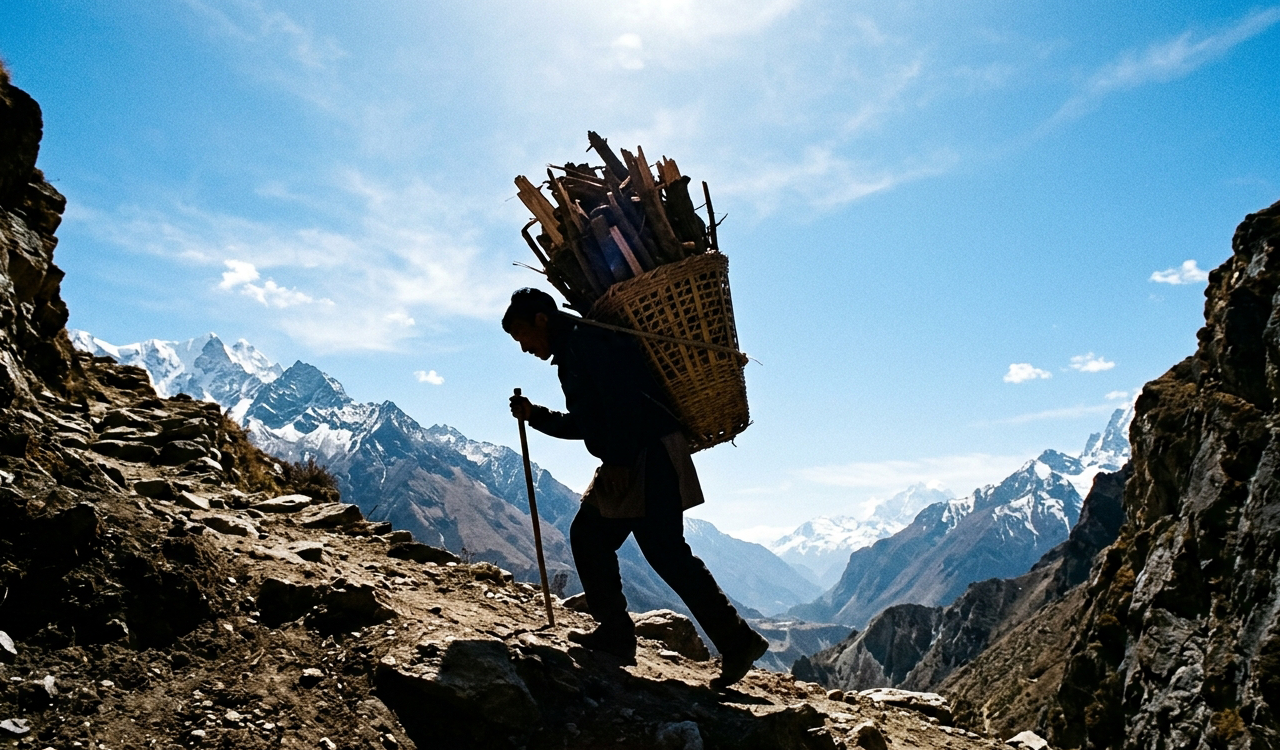
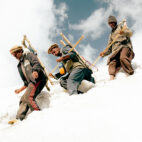
A porter prepares for the morning’s ascent along a steep, rocky trail in Nepal’s Solukhumbu region. The air is sharp and thin. Above him, a cloudless sky. Beyond: the serrated outline of the Himalayas. He lowers a hand-woven bamboo doko onto the ground, its conical frame overflowing with food, fuel, and expedition gear. He loops a thick braided namlo around the basket before drawing it over the crown of his head.
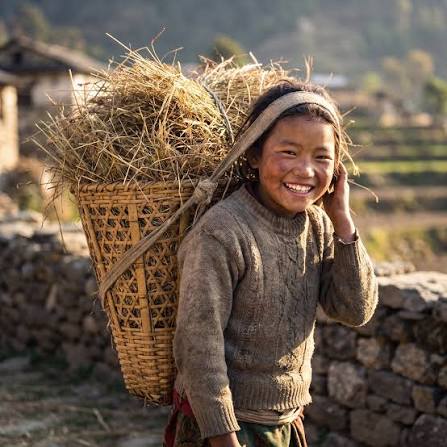
He leans forward. The weight doesn’t sit on his shoulders. It hangs from his forehead. From the side view, it seems impossible. His body folds into the slope while the basket stays upright behind him, suspended from the strap in a way that seems to defy conventional assumptions about carrying heavy loads.
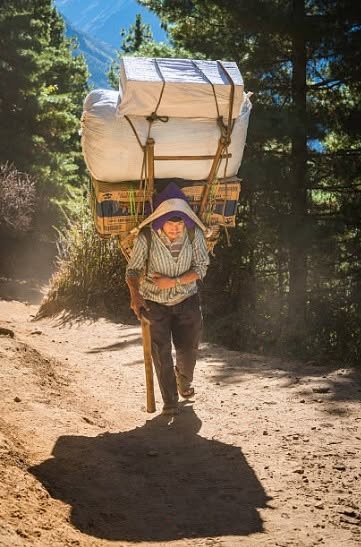
If the furoshiki is geometry, and the bilum is anatomy, the namlo and doko system is pure physics.
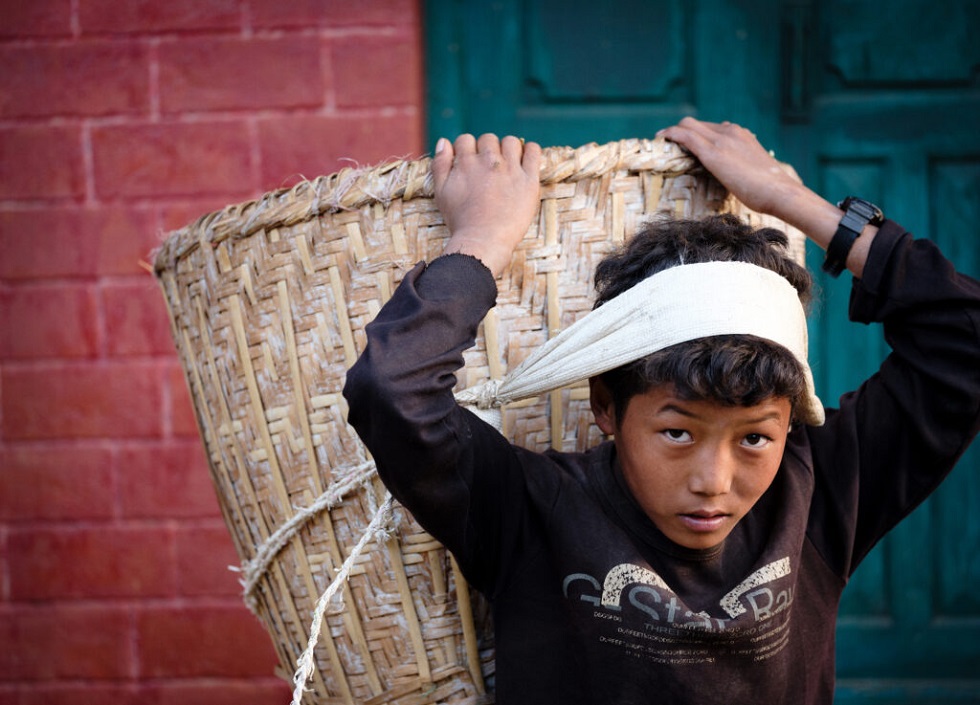
Instead of distributing weight across padded shoulder straps or sculpted hip belts, the system aligns the load with the carrier’s center of gravity, allowing the body’s structure to share more of the load. The basket rides close to the spine, while the carrier leans into the climb, balancing the weight through posture rather than hardware.
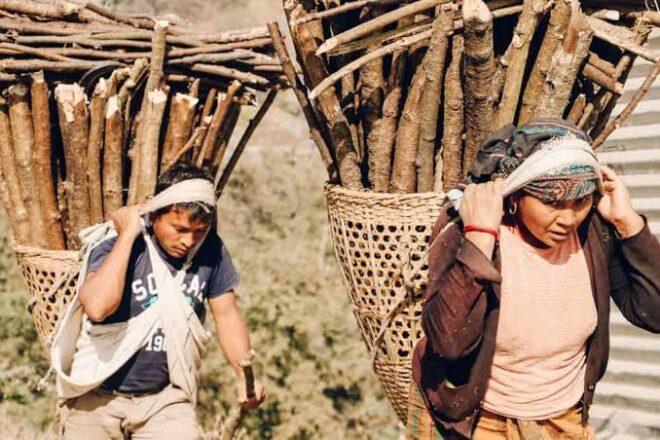
What appears uncomfortable at first glance has evolved over centuries into one of humanity’s most refined approaches to heavy-load carrying.
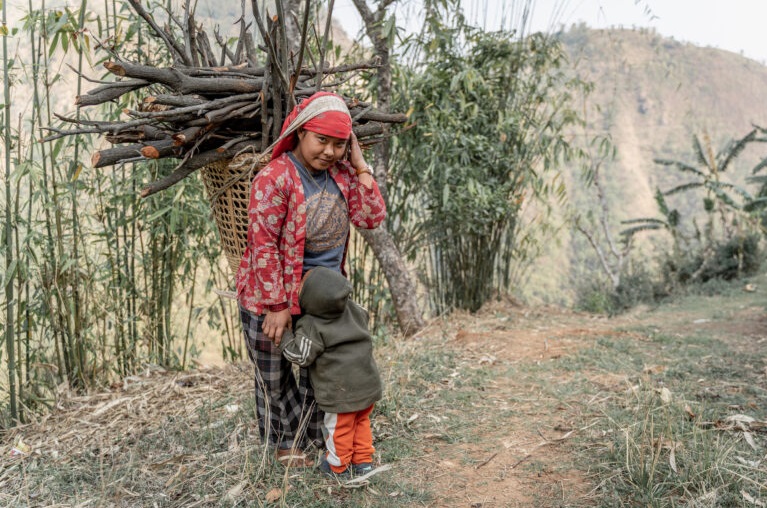
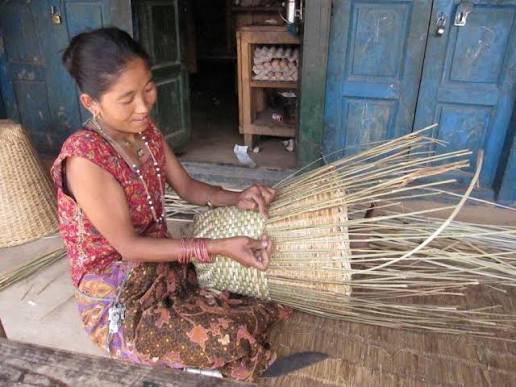
Its construction is equally direct. The doko is woven from split hill bamboo. The namlo is braided from natural fiber. There are no buckles to freeze, frames to bend, or zippers to jam with grit and ice. Every element serves a single purpose: to carry heavy loads across unforgiving mountain terrain with the fewest possible points of failure.
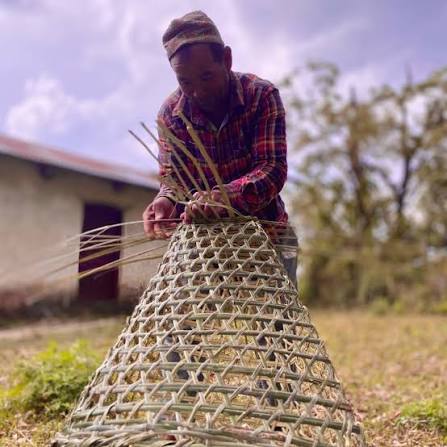
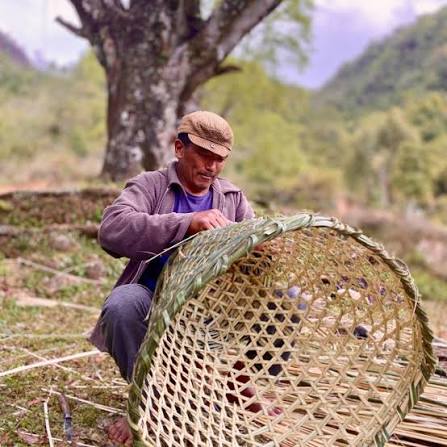
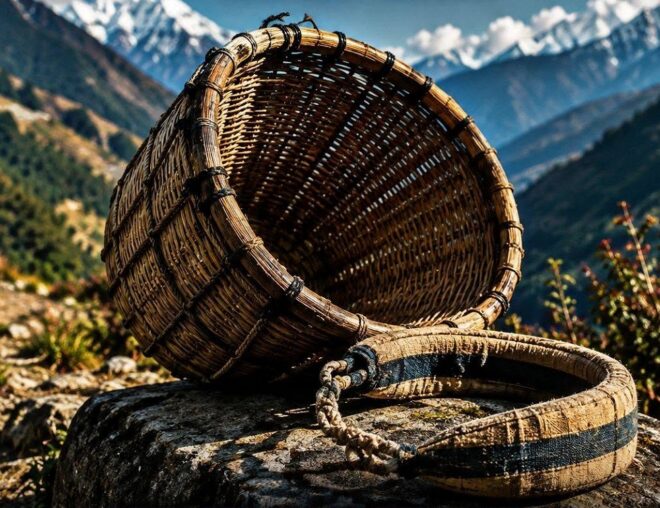
Modern expedition packs often celebrate sophisticated load lifters and aluminum stays. The namlo and doko setup was well ahead of the game, making the human body its own suspension system.
South America | Gaucho Rastra & Sash
The Art of Integration
The legacy of the South American gauchos goes a lot further than fierce independence and defiant survivalism. They were also masters of the minimalist haul.
As dust rose beneath his steed’s hooves thundering across the windswept grasslands of the Argentine Pampas, the gaucho always rode light. No overloaded saddlebags. No utility pouch. No tactical vest.

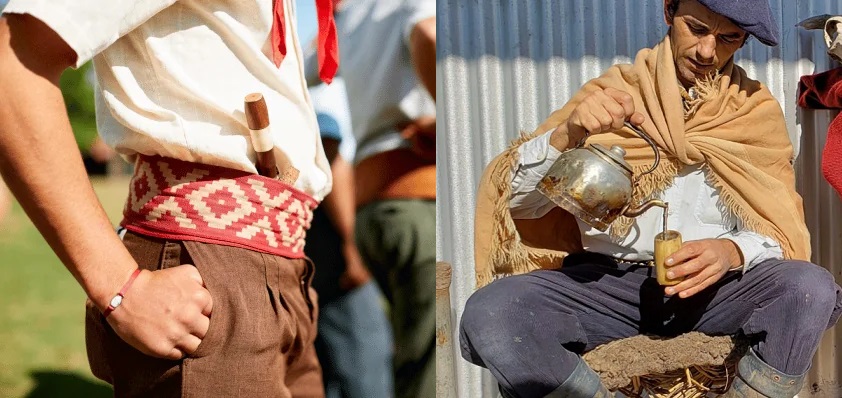
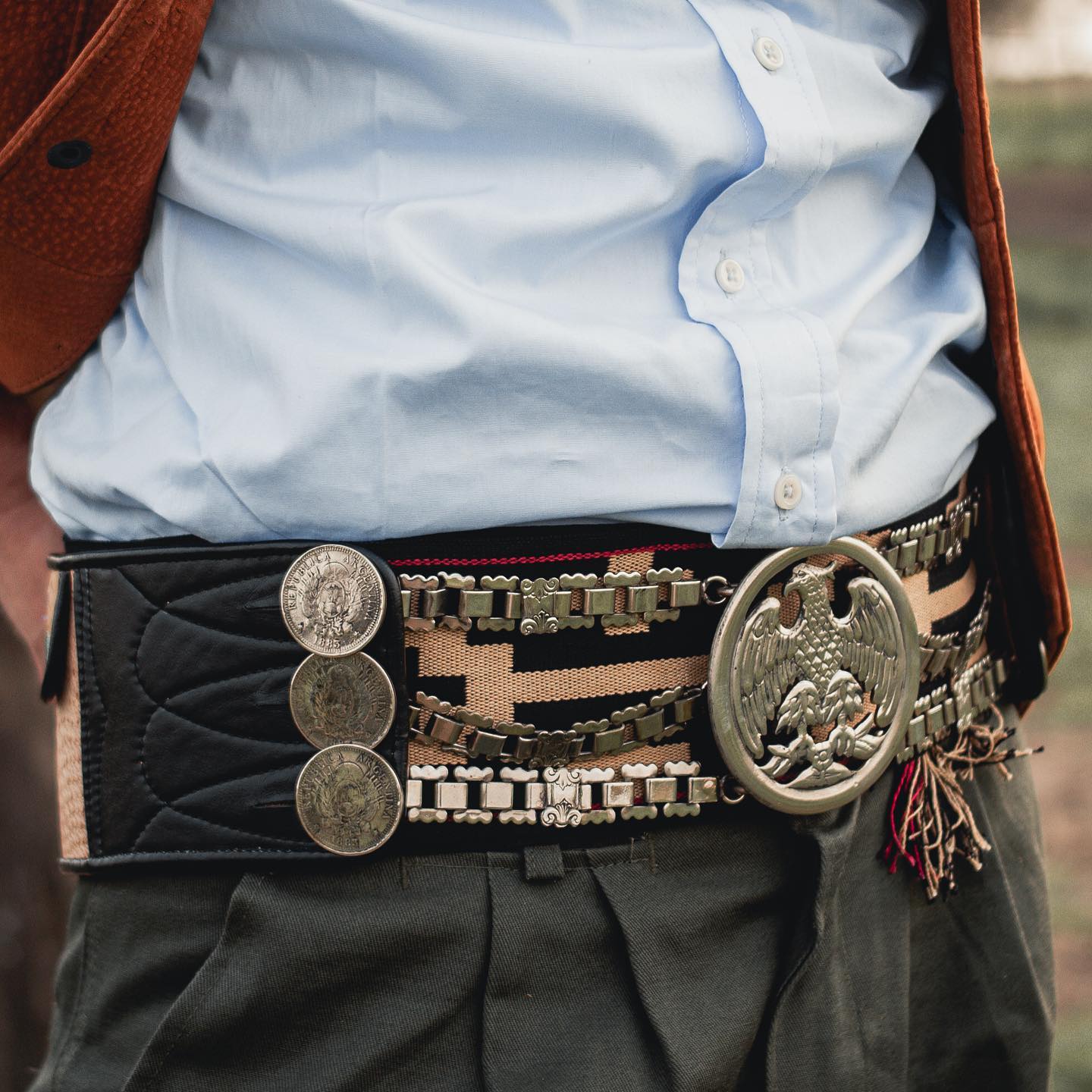
Everything essential was wrapped around his body. A tightly woven faja encircled the waist, beneath the rastra, a broad leather belt adorned with heavy silver coins and an ornate buckle.
Tucked discreetly into the back sat his facón, a long, razor-sharp knife equally suited to preparing food, cutting rope, defending livestock, or settling disputes. Draped across one shoulder, a thick wool poncho served as coat, blanket, rain shell, saddle pad, and shelter. Every piece earned its place.
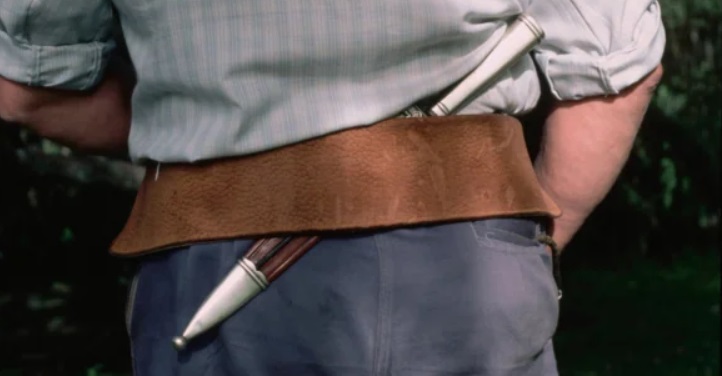
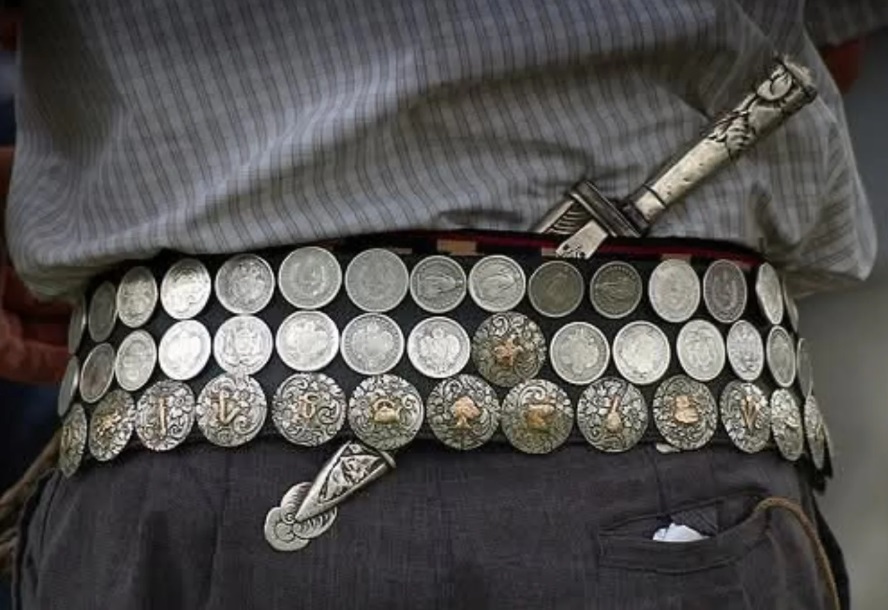
The genius of the gaucho’s system isn’t storage. It’s integration.
Before modular load-bearing systems, chest rigs, or MOLLE webbing, the gaucho had already solved the problem. Weight sits low and close to the pelvis, keeping the rider balanced in the saddle while every essential tool remains within immediate reach. Nothing swings, nothing shifts. The body becomes the chassis.
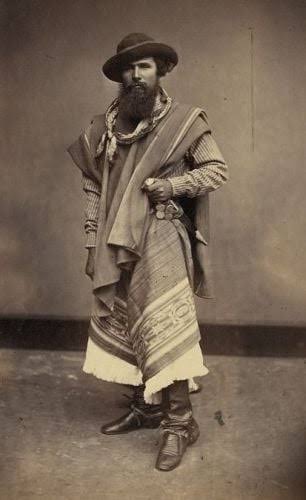
Horse, rider, clothing, and tools function as a single working system, each element supporting the next. It’s worth pointing out that the rastra’s silver coins weren’t merely ornaments: In a frontier economy, they were portable wealth, stitched directly into the carry system itself. The tightly wrapped faja also provided support through long days in the saddle, centuries before similar ideas found their way into modern performance equipment.
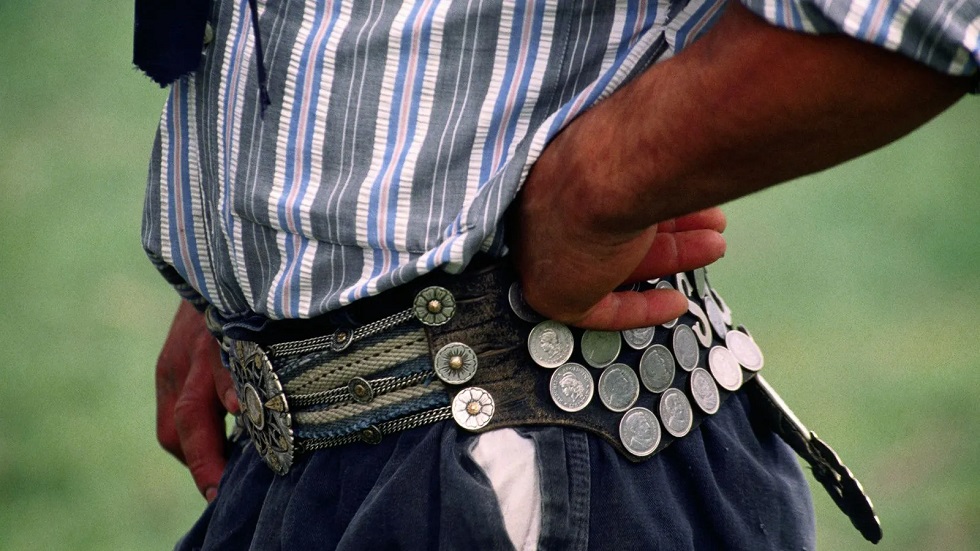
The gaucho’s clothing was a kind of wearable infrastructure, designed to keep essential tools accessible without interrupting movement. Strip away the silverwork and horsehair, and the same premise flows through modern EDC culture, running belts, climbing harnesses, and concealed carry systems: the most important tools belong on the body, not buried inside a pack.
For the gauchos, real utility was never about creating a specialized pocket for every conceivable object. It was about selecting tools so fundamental, and carrying them so intuitively, that eventually you stop noticing where your body ends and your equipment begins.
Scandinavia | Kont
The Art of Breathability
The frozen boreal forests and tundra of northern Lapland remain some of the world’s most unforgiving landscapes. There’s little margin for error amidst the thick snow and ancient pines up here. A failure of equipment isn’t just inconvenient; it can also be fatal.
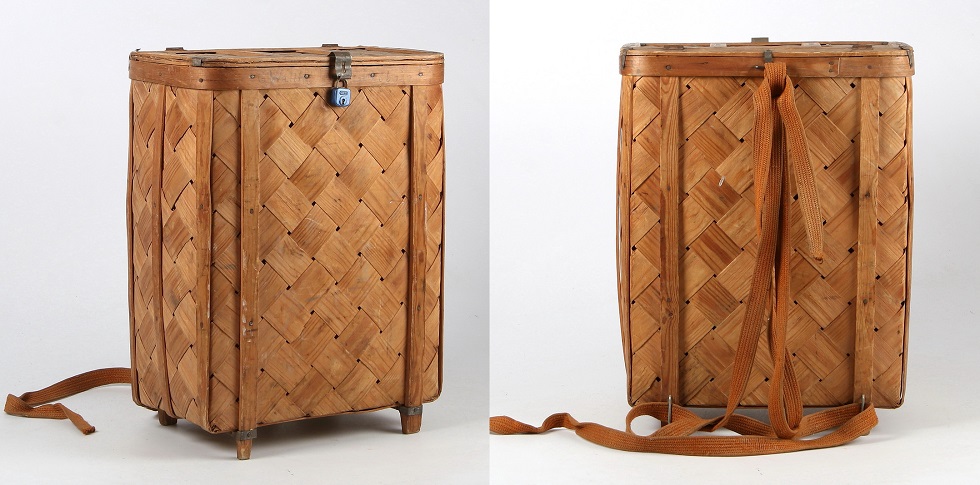
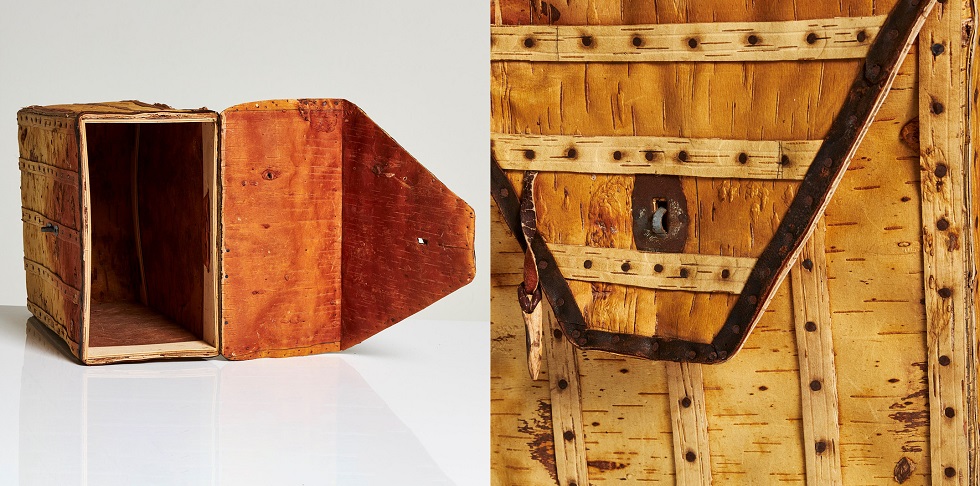
To handle the intense conditions, travelers trekking around these parts would invariably shoulder a kont, or kontti: a rigid, lightweight backpack woven from strips of water-resistant birch bark.
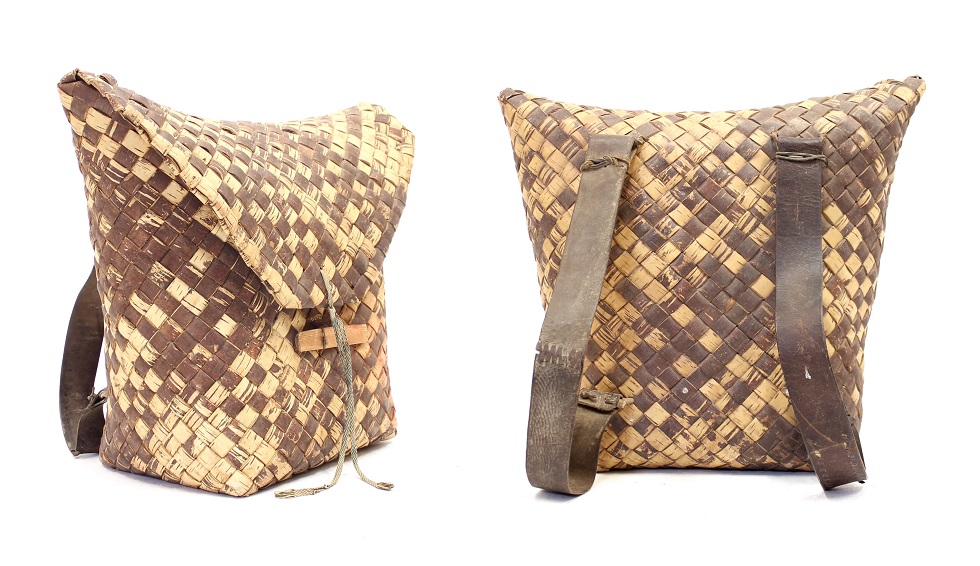
Slung over the shoulders, the kont would rest against layers of warm reindeer hide, its flat back sitting flush against the body, yet nesting just as naturally against the curves of a reindeer-pulled sled whenever the terrain demanded a change of pace.
Gliding on skis, as exertion heats the body, the breathable, naturally insulating birch bark helps moisture escape, reducing the chance that sweat freezes into a dangerous layer of ice against the back.
Waterproof on the outside yet breathable within, birch bark contains natural oils that resist rot, repel snowmelt, and keep contents dry.
Freshly harvested birch is flexible, allowing it to be woven into complex forms. Once woven and shaped, those fibers create a rigid structure that resists sagging beneath heavy loads while remaining lightweight.
While some modern synthetic systems can trap moisture against the body and become stiff in extreme cold, the kont was shaped for a landscape where moisture management was a survival problem. Its materials work with the cold rather than against it.
The kont was more than a container. It was a collaboration between material, climate, and the body carrying it. Every property, from rigidity to breathability, water resistance to thermal behavior, comes directly from the landscape that shaped it.
While the birch bark kont has largely disappeared from everyday life, its underlying philosophy remains surprisingly current. Among Sámi communities, traditional versions are still made for reindeer herding, hunting, fishing, and gathering, while a growing bushcraft movement across Scandinavia has embraced the design as a model of repairable, place-based equipment.
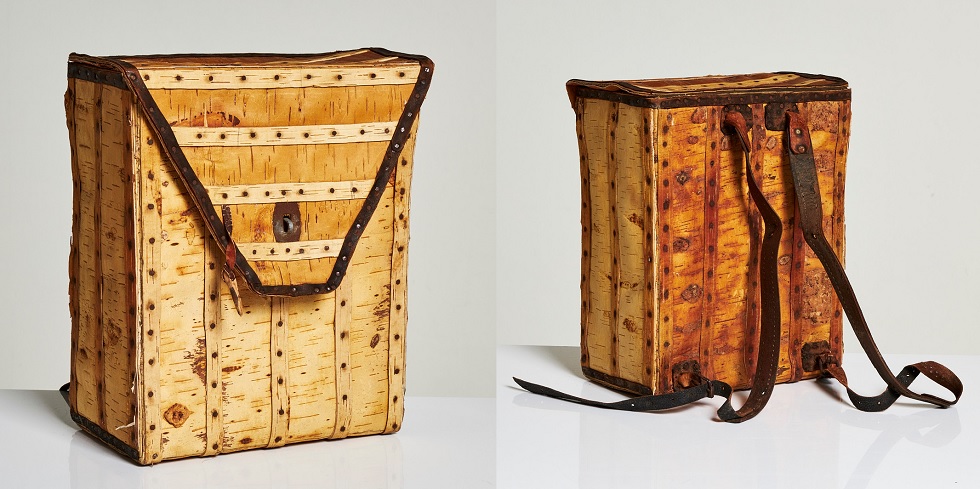
More subtly, the kont anticipated ideas that modern pack designers continue to chase. Equally at home on a person’s back or lashed to a reindeer sled, it wasn’t conceived as a backpack alone, but as part of a broader transport system. Long before ‘modularity’ entered the outdoor lexicon, the kont had already solved the problem: one object, multiple modes of movement, shaped not by feature lists but by the realities of traveling across snow, forest, and tundra.
If the kont leaves us with one lesson, it’s that true minimalism in harsh climates isn’t about resisting nature, but collaborating with it. By borrowing the survival strategies already engineered into local materials, the long-distance travelers of northern Scandinavia created and worked with the winter instead of resisting it.
Africa | Head Carry
The Art of Kinetic Energy
From the bustling open-air markets of Accra to the rural paths of Madagascar, head carrying is one of Africa’s oldest and most elegant transport systems. A method born of necessity, developed across generations and adapted to local needs, it allows people to transport weight while keeping their hands free to multitask through daily life.
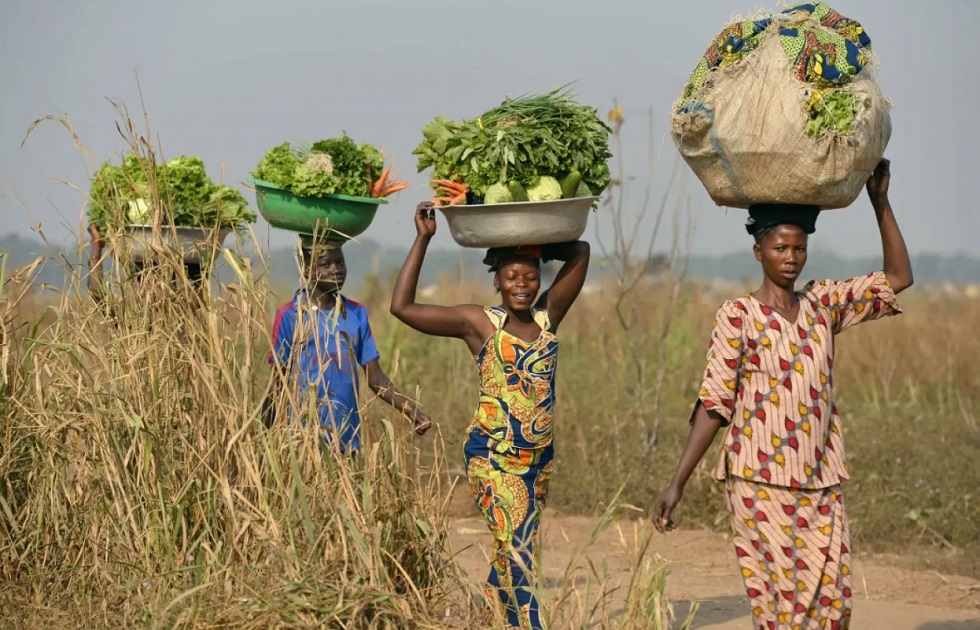
The fundamental principle is simple: keep the load aligned closely with the body’s natural axis.
Yet the actual methods used to interface with those loads are remarkably diverse across the region.
In West Africa, market traders and kayayei (porters) use wide, shallow enamel or brass basins called pans. These metal trays act as modular cargo decks, capable of holding everything from stacked crates of produce to ice-chilled bottles.
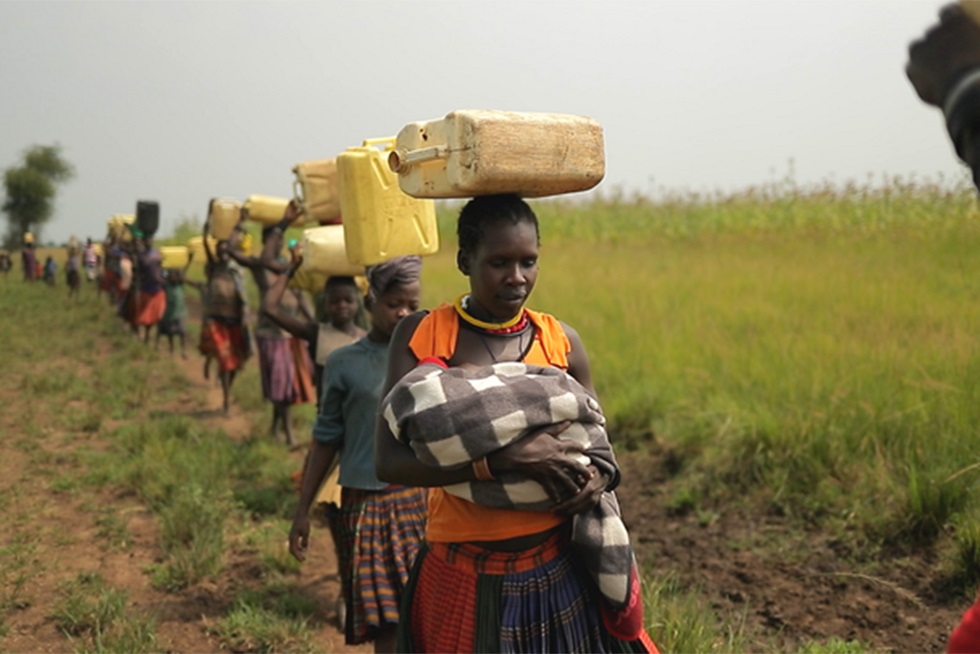
In East and Southern Africa, traditional vessels include the calabash and woven grass basket, often tightly bound to contain their contents. To bridge the gap between hard load and human skull, carriers use a kata or gamcha: a ring of rolled cloth, wrapped vines, or soft leaves that dampens vibration and helps prevent the load from slipping.
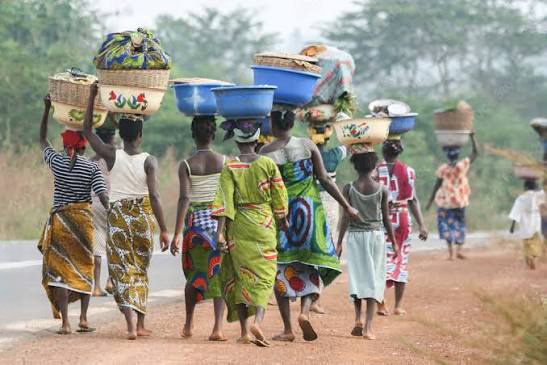
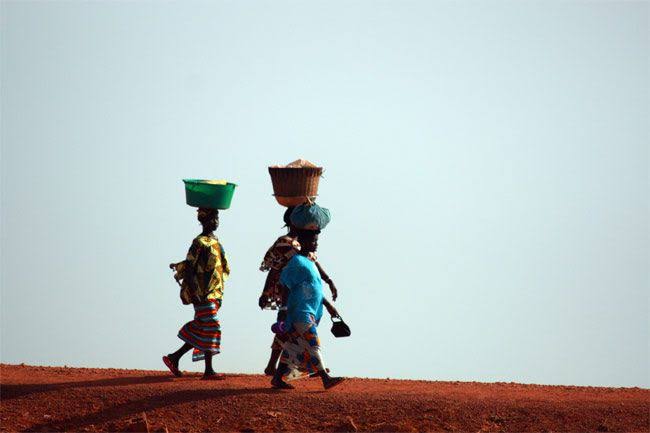
While modern packs attempt to isolate the load from the body’s natural movement, head carrying takes the opposite approach. It integrates the two completely.
By placing weight directly above the skeletal structure’s central axis, the carrier eliminates many of the leverage penalties that plague backpackers: no shoulder straps restricting movement, no hip belts creating pressure points, and no rearward torque pulling the torso out of alignment. The skeleton acts as an architectural pillar, transferring the load directly through the feet and into the earth.
When we talk about revolutionary carry systems, we usually talk about Dyneema, load lifters, and ergonomic harnesses. Yet one of the most efficient suspension systems on the planet not only requires minimal hardware, but can also dramatically reduce the metabolic cost of carrying.
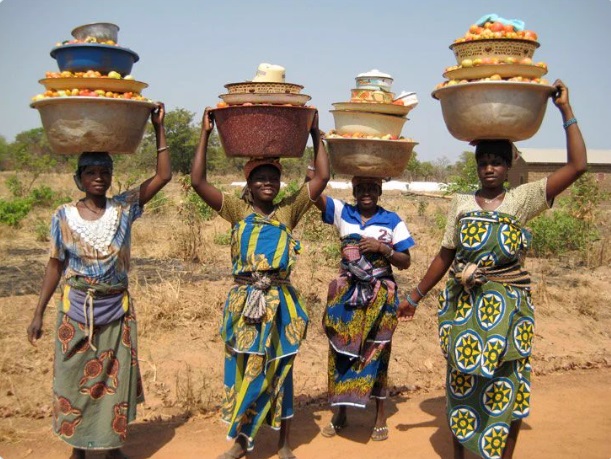
For decades, gear nerds and biomechanists have been fascinated by the ‘free ride’ effect: the phenomenon where highly trained head carriers can transport significant loads while expending remarkably little additional energy. Through specialized posture and movement patterns, carriers transform the load into an extension of their natural gait, seamlessly exchanging kinetic and potential energy with each step.
The catch? You can’t simply place a basket on your head and unlock the advantage. The skill is built over a lifetime.
Researchers found that the same free-ride effect did not appear when replicating the research among other groups, including Xhosa women in South Africa and Nepalese porters.
Rather than a universal human advantage, the efficiency appears to be a highly specialized motor skill: one developed through generations of practice within specific cultural contexts.
What Can We Learn from the Past?
While traditional systems prioritized body alignment, repairability, locally available materials, multi-use modularity, and radical simplicity, modern packs often optimize organization, access, features, and increasingly specialized materials.
The contrast reveals two different ideas of what carrying is.
One treats the pack as an extension of the body; the other increasingly treats it as an independent machine strapped onto it. Neither approach is inherently superior.
Modern materials, weatherproofing, and ergonomics have solved countless problems earlier generations could never have addressed. Yet somewhere along the way, many designs forgot that the best carry systems don’t simply store equipment. They shape movement, reduce friction, and disappear into the rhythm of the person carrying them.
Earlier generations carried with remarkable intention. Every strap, knot, fiber, and fastening existed because experience had proved its worth. Perhaps the next frontier of carry isn’t reinventing the wheel, but rediscovering what we’ve left behind along the way.







 WAYS TO CARRY