



 Carry Awards
 Insights
 Liking
 Projects
 Interviews
 Carry Candy
 Community and Marketplace
Insights

For fifty years, keeping dry in the mountains has depended on a chemical that was quietly poisoning the people who made the jackets, the rivers downstream from the factories, and — it eventually emerged — the blood of the general population.
The chemical is PFAS. The jacket might be the old one hanging in your wardrobe.
PFAS — per- and polyfluoroalkyl substances — are a family of synthetic compounds used across dozens of industries, from non-stick cookware to firefighting foam. In outdoor apparel, they were the backbone of DWR: Durable Water Repellent, the finish applied to the outer face fabric of virtually every waterproof shell ever made. They worked extraordinarily well. They also don’t break down. In the environment, in the body, in the water supply — PFAS accumulate and persist, which is why they’re known as forever chemicals.
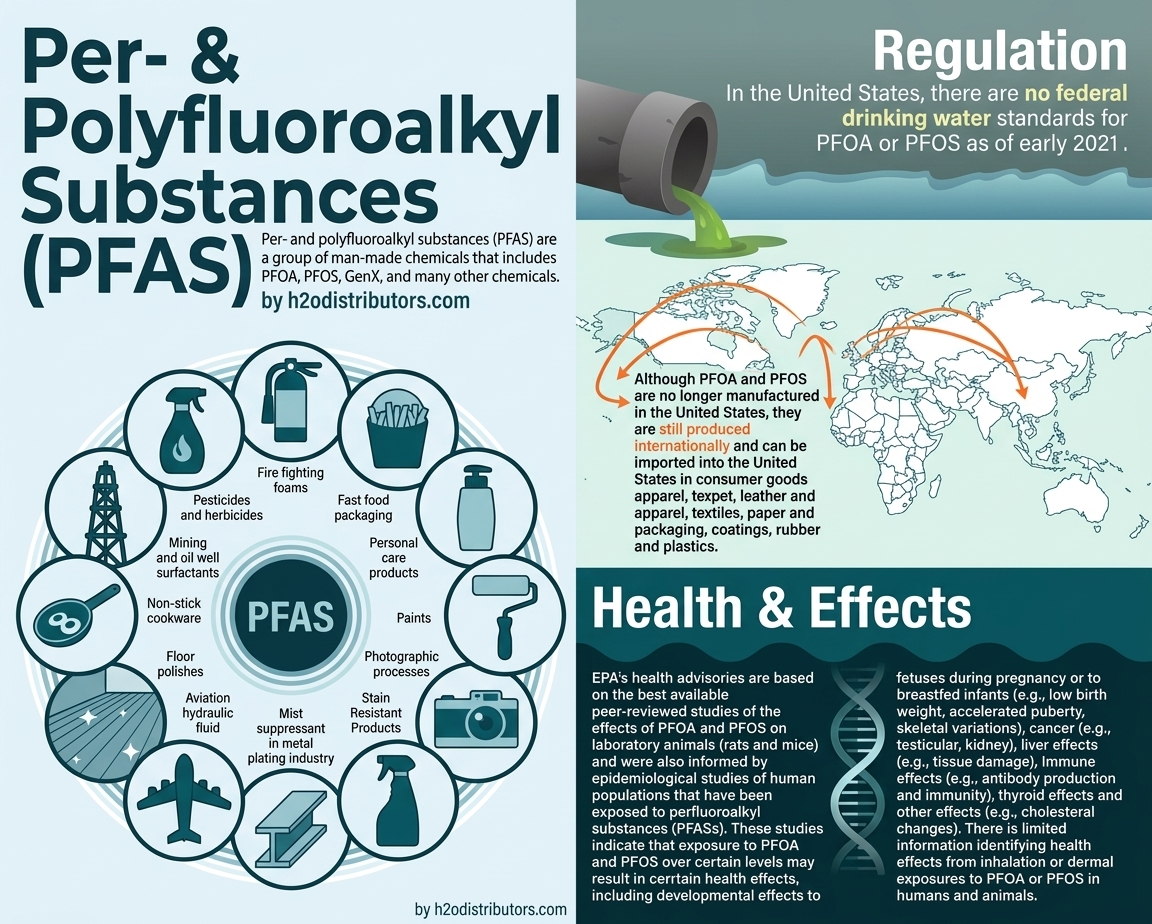
The outdoor industry has spent two decades trying to get them out of its products. The transition has been slower, harder, and more incomplete than the marketing has suggested. Some celebrated solutions have introduced new problems. The ideal jacket — a PFAS-free membrane paired with a face fabric that needs no DWR coating at all — still doesn’t exist.
This is where that effort currently stands.
What DWR Actually Does
The search for water-resistant clothing goes back over a century. Early methods — waxed cotton, alum treatments, Cravenette finishes — weren’t breathable, felt heavy, and needed frequent reapplication. The breakthrough came mid-twentieth century, when chemists discovered that long-chain fluorocarbon polymers could repel both water and oil more effectively than anything before. These coatings didn’t just resist water — they created a near-frictionless surface that made liquid slide off instantly.
By the 1970s, this chemistry had found its way into high-performance outdoor gear. Gore-Tex and other early waterproof-breathable membranes relied on fluorinated finishes to prevent the outer fabric from saturating.
The membrane receives most of the attention because it is the apparent site of the contradiction: liquid water must be excluded while water vapour is allowed to pass. In practice, field performance is governed by the surrounding textile system. The face fabric, surface treatment, backer, seam construction, garment architecture, contamination state, and mechanical wear all influence whether a shell continues to perform under sustained precipitation and exertion.
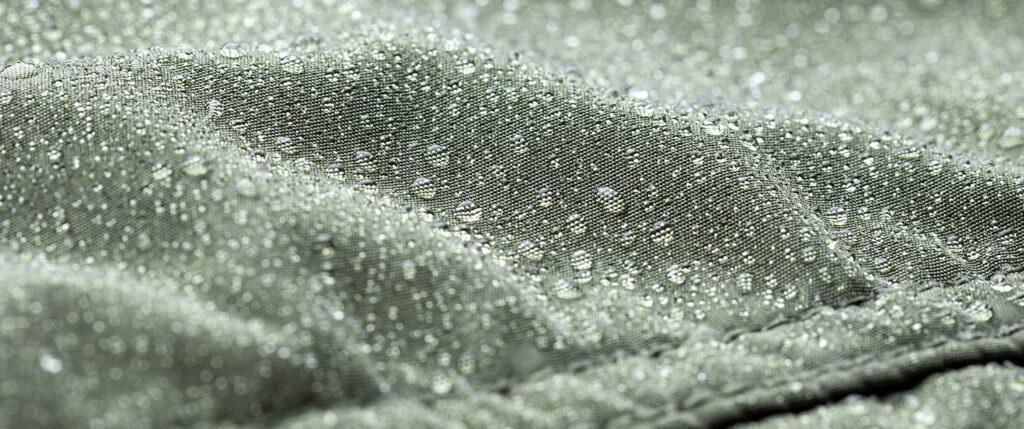
Here’s what most people still don’t realize: it’s not the membrane doing the waterproofing. The membrane handles the structural work — but it’s passive. It relies on the outer fabric staying dry to function efficiently. When that outer fabric saturates — when it “wets out” — liquid water forms against the membrane. The garment gains water mass, heat loss increases, and the vapour-pressure gradient across the fabric system collapses. Sweat vapour hits that cold, wet layer, condenses, and runs back in. The jacket is technically waterproof. You are wet anyway.
DWR prevents that. Its function is not to waterproof the membrane, but to preserve the operating conditions the membrane needs — keeping the textile surface dry so vapour transport can continue. That signature money shot — water pearling off a sleeve in perfect spheres — is DWR doing its job.
The Moment the Industry Got a Shock
In 2000, 3M submitted its own internal research to the EPA. The finding: PFOS, a key long-chain PFAS compound, was present in the blood of the general US population. Not factory workers. Ordinary people, with no known exposure pathway. 3M voluntarily phased out PFOS production the same year.
The outdoor industry held its position: DWR finishes used PFOA-based compounds, not PFOS-based. Distinct. Safer.
They weren’t.
By 2006, the EPA had persuaded eight major manufacturers to commit to phasing out PFOA and related chemicals by 2015. The C8 Health Project — one of the most significant studies of its kind — followed over 70,000 people exposed to PFOA in West Virginia and linked it to kidney and testicular cancer, thyroid disruption, and immune suppression. These were communities living near the water supply.
In 2012, Greenpeace launched its Detox My Fashion campaign. They bought products from major outdoor brands, sent them to independent laboratories, and published what they found. PFAS compounds — including restricted long-chain variants — turned up across some of the most trusted names in the category. The conversation that had been happening quietly inside industry working groups was now on the front pages.
The Failed Response
The industry’s first move was substitution. C8 chemistry was replaced with shorter-chain C6 compounds, thought to be less bioaccumulative and less persistent. Patagonia completed its C8 phase-out between 2013 and 2016.
Then new research emerged. C6, it turned out, was not the clean break anyone had hoped for. Still a PFAS — still persistent, still synthetic, still showing up in ecosystems where it didn’t belong. Patagonia’s own account was unusually candid: “After our switch, new research emerged showing that C6 is just as detrimental to us and the environment. That’s when we decided to start working toward water-repellent finishes and membranes made without any intentionally added PFAS.”
The industry had swapped one forever chemical for a slightly shorter forever chemical. And now it had to start again.
Regulatory pressure has since hardened into law. California banned the sale of apparel containing intentionally added PFAS from 2025. Minnesota passed broader restrictions covering everything from cookware to ski wax. 3M and Chemours are facing massive settlements over PFAS contamination. The age of PFAS is ending — not just because the industry decided to move, but because it is being compelled to.
Fifteen Years of Hard Engineering
What followed was a genuine materials problem, not a marketing pivot.
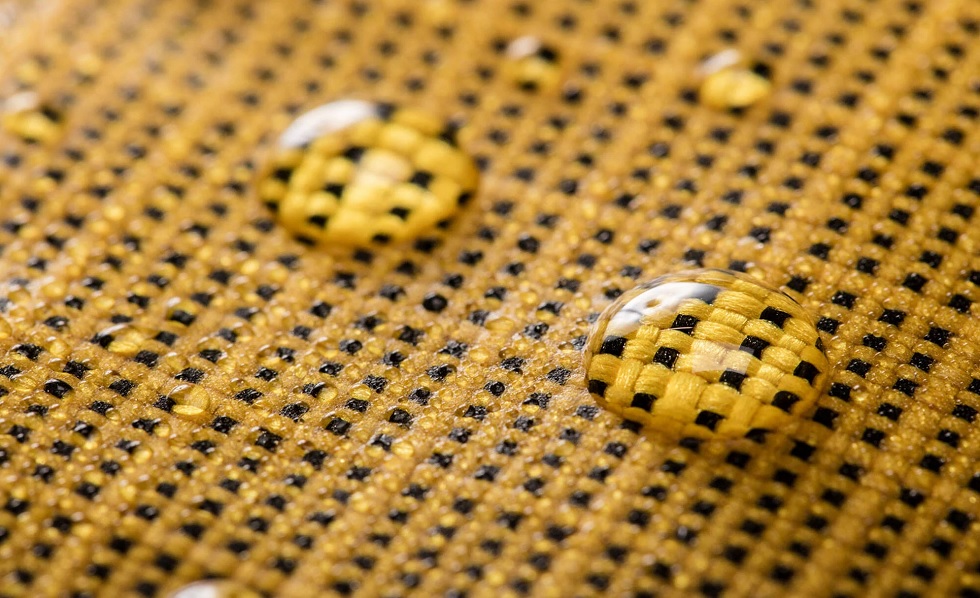
Fluorine creates an exceptionally low surface energy — lower than almost any other chemistry available. A replacement finish has to survive abrasion, washing, compression, and repeated flexing without penalties in breathability, weight, or durability. That combination is not easy to meet without fluorine.
The industry moved on multiple fronts.
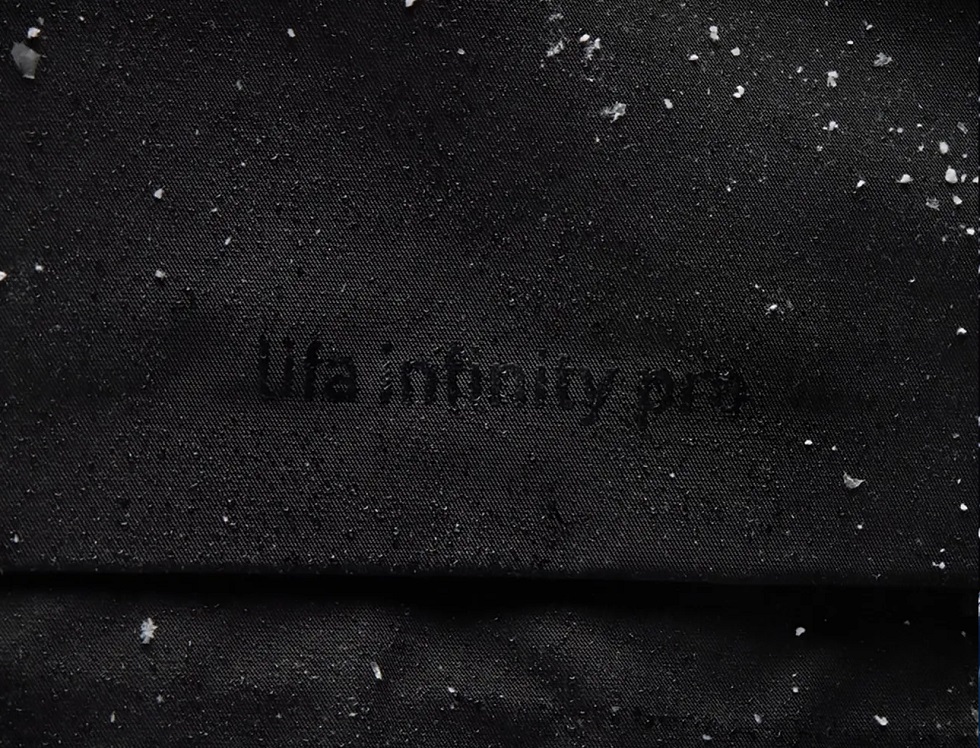
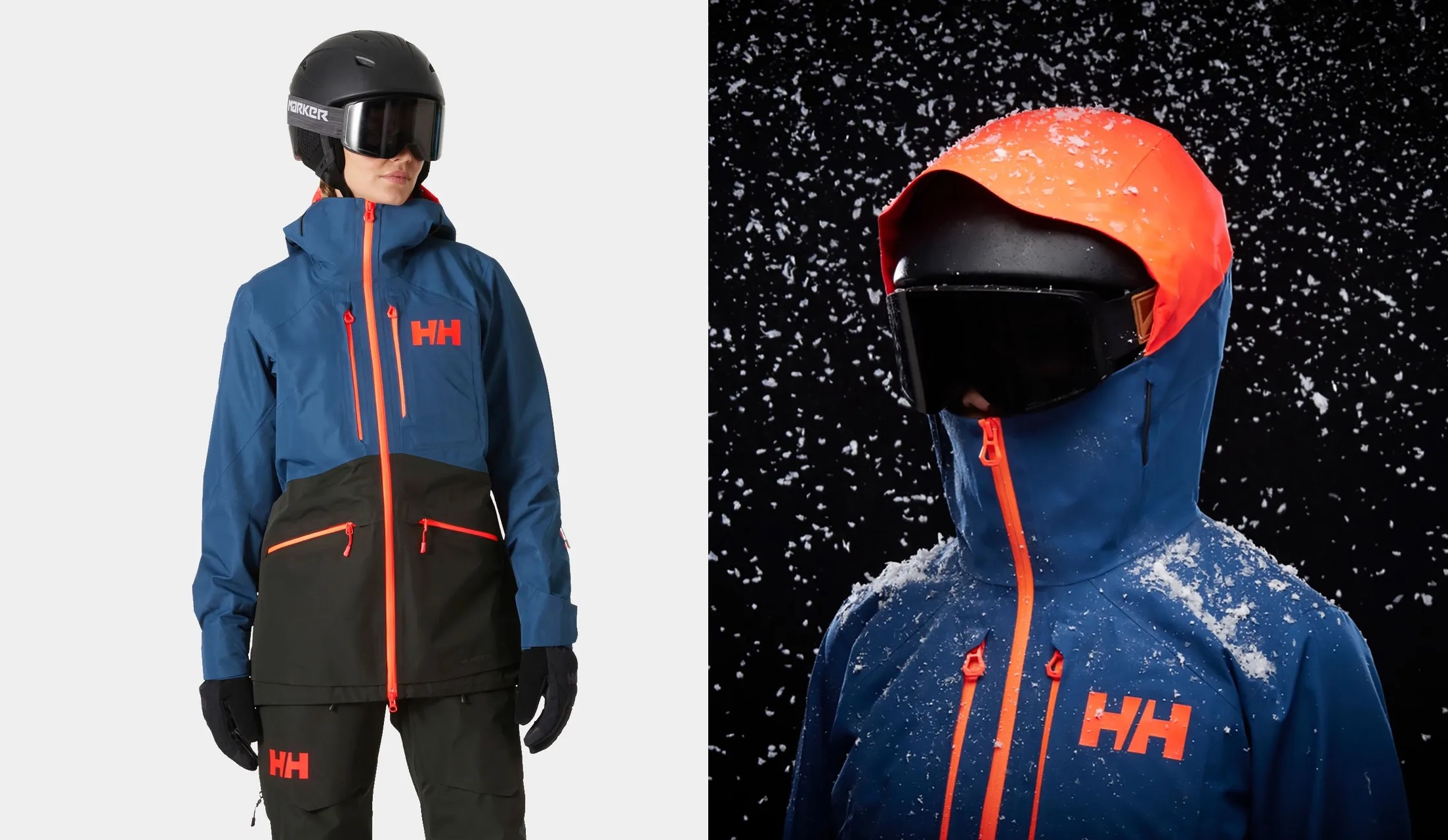
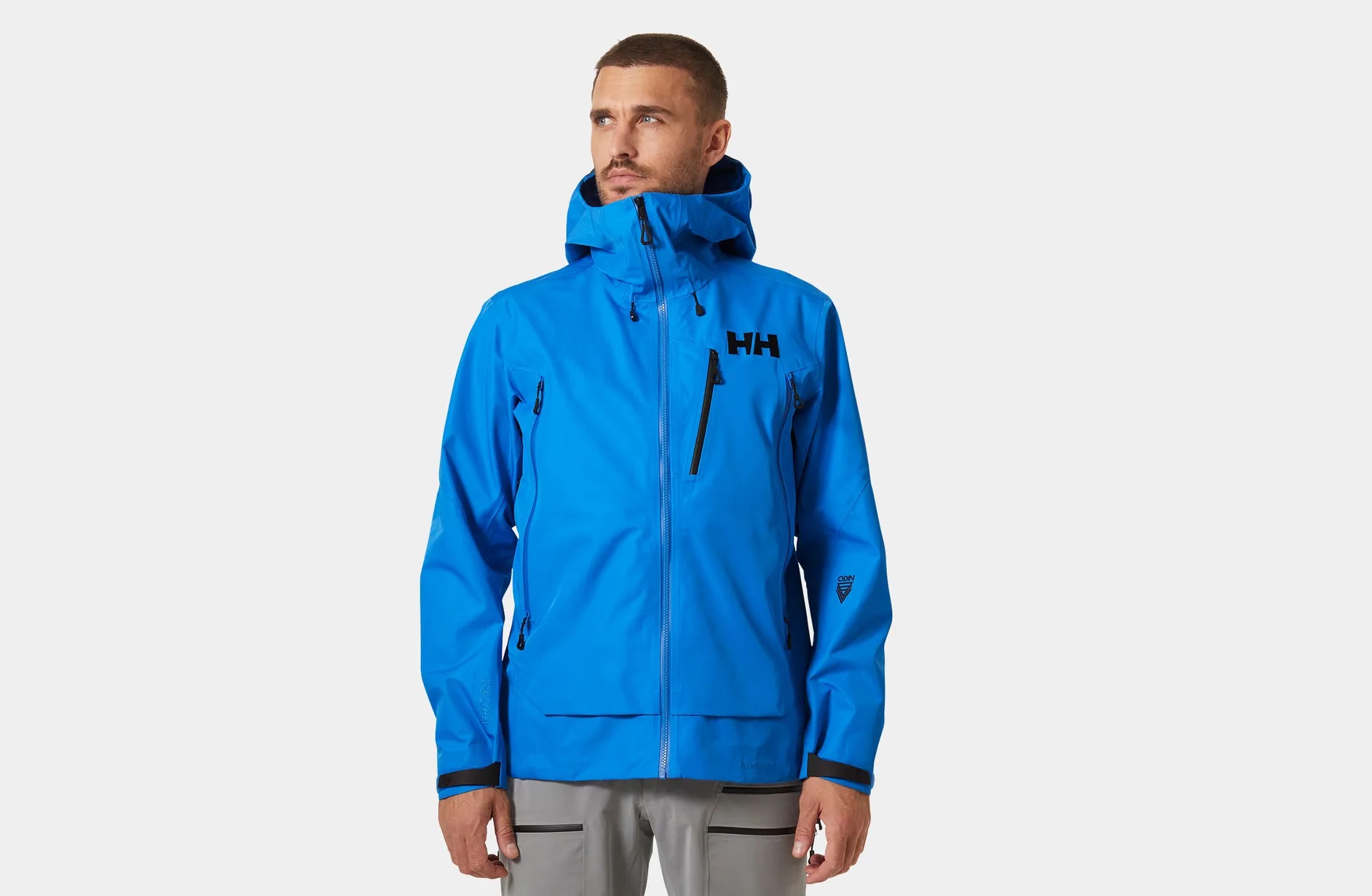
Helly Hansen launched the LIFA INFINITY PRO in 2020 with a face fabric hydrophobic by construction — the fibre structure itself repels water, with nothing applied on top. No chemistry to wear off. No reproofing. No fluorine, because there’s nothing in the system to contain it.
Gore replaced their ePTFE membrane — itself a fluoropolymer — with a new expanded polyethylene version, PFAS-free at the laminate level including its DWR treatment. It won GearJunkie’s Gear of the Year and The Great Outdoors’ Best Innovation award in 2024.
Patagonia reached their stated goal by Spring 2025: 100% of new products made without intentionally added PFAS. Fifteen years from first awareness to full transition.
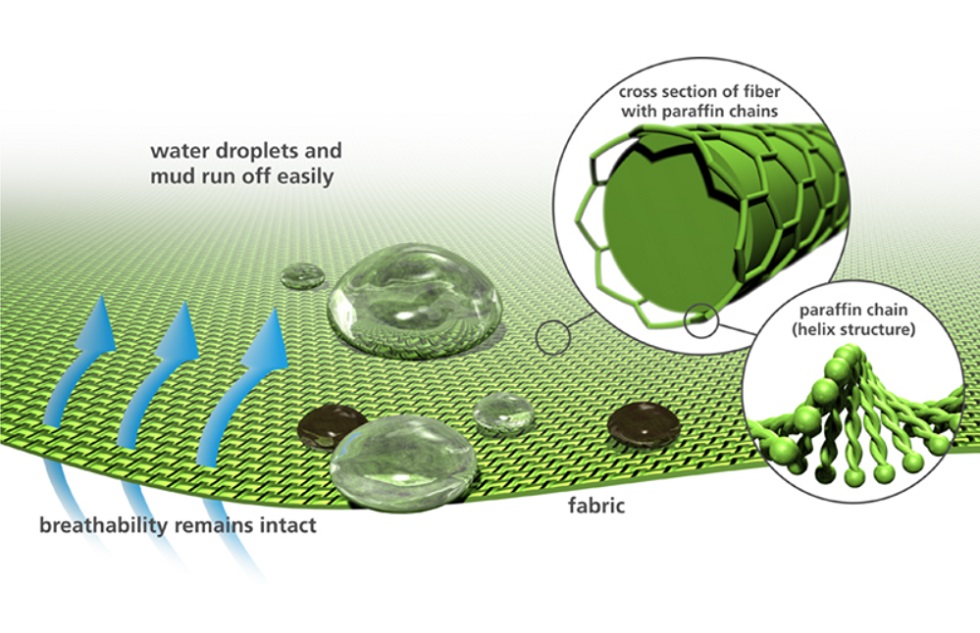
Schoeller® developed ecorepel® — a finish made from biodegradable paraffin wax, inspired by the natural oils in animal fur and the waxy cuticle on plant leaves. A thin film spirals around individual fibers, reducing surface tension without any fluorine. Bluesign-certified and breathability-neutral, it beads water effectively in light to moderate rain and reactivates with heat. Its honest limitations: lower durability under sustained abrasion and washing than fluorinated chemistry, and without an oleophobic barrier, oil-based contaminants — sunscreen, body oils, environmental grime — can degrade the finish more readily.
Bio-based DWR treatments use plant-derived ingredients — corn sugar, fatty acids — to create a hydrophobic surface from renewable resources. They perform well in dry conditions and align with low-impact manufacturing goals, though they remain at an earlier stage of commercial adoption and face similar durability constraints to wax-based finishes.
Plasma treatment and chemical vapour deposition use vacuum chambers or ionised gas to bond water-repellent compounds directly to fabric fibers — eliminating the liquid chemical bath, reducing waste, and potentially improving durability by bonding at the fiber level rather than coating the surface. Not yet mainstream, but a genuinely different engineering logic.
Nikwax is worth noting because they never had a PFAS problem to solve — they’ve been fluorine-free since 1977, building reproofing treatments around a proprietary elastomer derived from modified mineral wax and EVA polymers. Their molecules bond to fibers and flex with them, which Nikwax claims gives better wash durability than rigid fluorocarbon alternatives. Ironically, the shift away from fluorinated DWR in jacket construction has made Nikwax more relevant, not less: as non-fluorinated face fabric coatings degrade faster, the reproofing ritual is now a more frequent requirement than it was under the old chemistry.

Polartec removed all PFAS-containing materials across their entire line by end of 2022 — before any regulatory mandates, and with relatively little fanfare. Their Power Shield™ RPM fabric integrates a highly durable non-PFAS coating into a stretch waterproof-breathable construction built from 100% recycled polyester, with a headline breathability of 30,000 g/m²/24hrs. The principle — build protection into the fabric system rather than applying it on top — is closer in spirit to Helly Hansen’s structural approach than it might first appear.
What Each Approach Actually Does
Gore and Helly Hansen are solving different halves of the same problem.
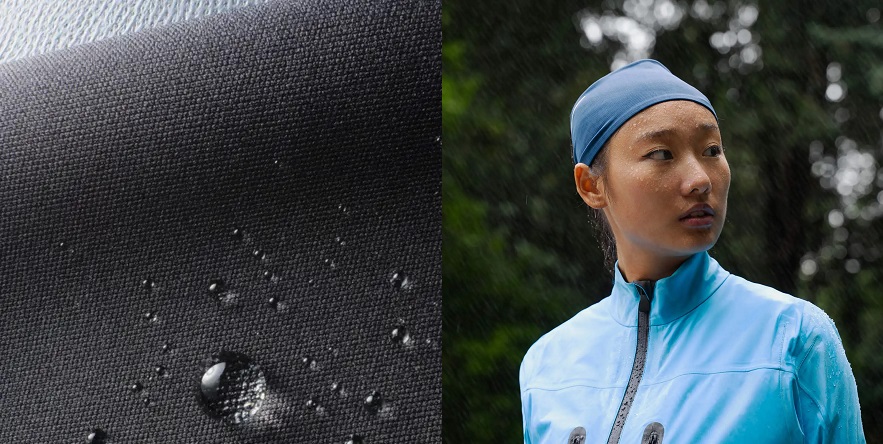
The detail buried in the LIFA INFINITY PRO’s technical brief stops you if you know what you’re looking at: No DWR added. Not fluorine-free DWR. Not next-generation DWR. No DWR. The water repellency comes from the structure of the fiber, built hydrophobic from the start — the way a duck’s feather sheds water.
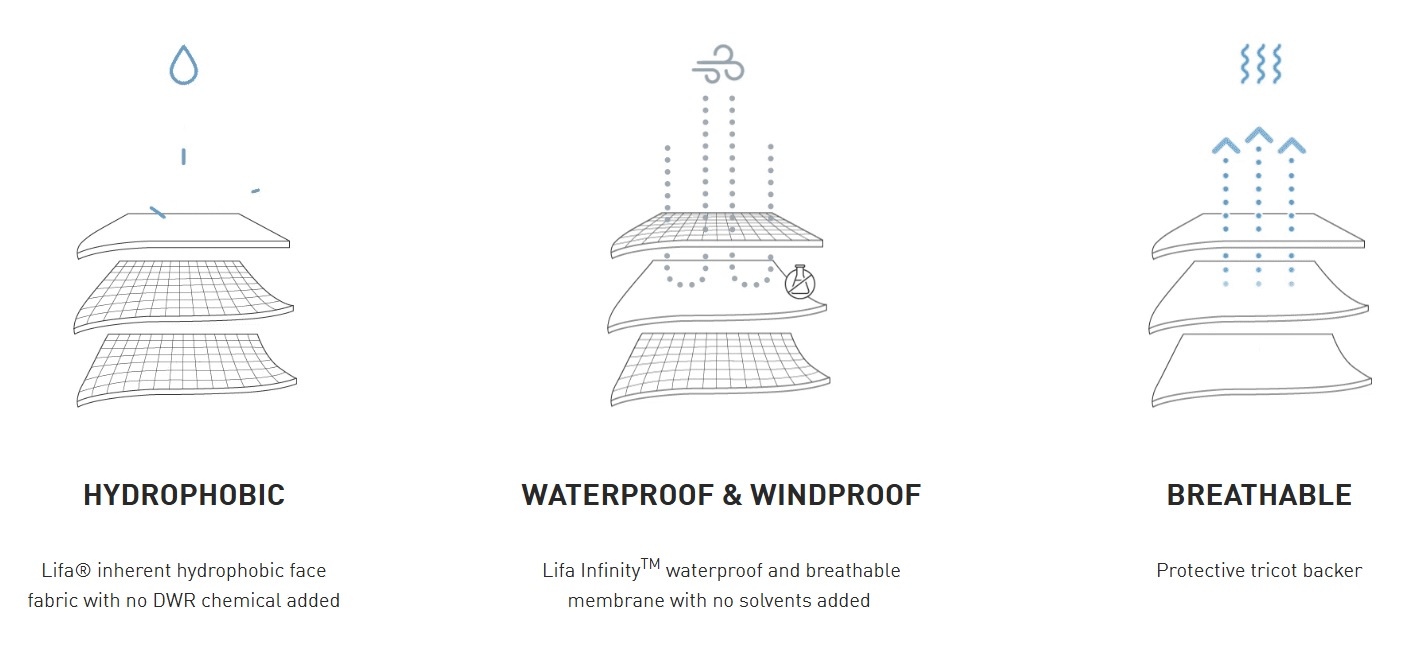
The implications run deeper than the chemistry. The most common failure mode in a waterproof jacket isn’t the membrane leaking — it’s the DWR wearing out. Once the outer fabric wets out, the jacket gets heavier, colder, and less comfortable even as the membrane continues to technically block liquid water. A jacket whose outer repellency is structural rather than chemical doesn’t fail in that way. It also removes the maintenance burden entirely.
Gore’s ePE approach solves a different part of the problem. The old ePTFE membrane was itself a fluoropolymer — PFAS ran through the entire construction, not just the face fabric coating. The new ePE membrane removes that entirely. In independent testing, jackets built on the ePE platform — most notably the Arc’teryx Beta SL — score at the top of comparative reviews. OutdoorGearLab gave the Beta SL a 9.4 out of 10 for water resistance across weeks of field testing, the highest in an 18-jacket test.
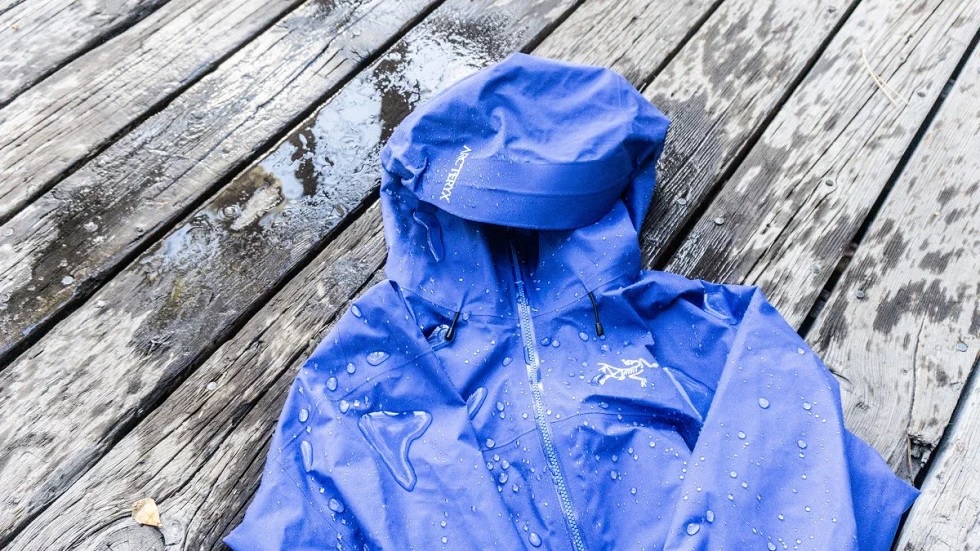
But there is a consistent catch: the non-fluorinated DWR coating on the face fabric degrades faster than the old fluorinated chemistry did. OutdoorGearLab noted it was “essential to wash and dry the Beta SL to re-activate the DWR coating”, with moisture creeping in at the shoulders and chest when the coating was compromised. GearJunkie listed it explicitly as a con: “Waterproofing will need more frequent refreshing compared to previous Gore-Tex versions.”
This is the irony at the center of the ePE story. Gore solved the PFAS problem in the membrane. But the face fabric still needs a DWR coating to function, and the replacement chemistry is less durable than what it replaced. The chemical dependency hasn’t been eliminated. It’s been shifted, and made slightly more demanding of the user.
The Honest Trade-Offs
It is worth being direct about what fluorine-free chemistry can and cannot yet do. But it’s also worth being clear about which performance claims actually matter — because the category has spent decades optimizing the wrong ones.
Water repellency has narrowed considerably. When new, most fluorine-free treatments perform close to their predecessors in light to moderate rain. In prolonged heavy rain, performance may drop off a little faster — but the difference is narrowing with each generation.
Durability remains an unsolved engineering problem. Fluorine-free treatments require more frequent reactivation — usually via heat — to maintain performance. The ePE reviews confirm this in practice. That’s not a reason to go back. It’s a problem that needs solving forward.
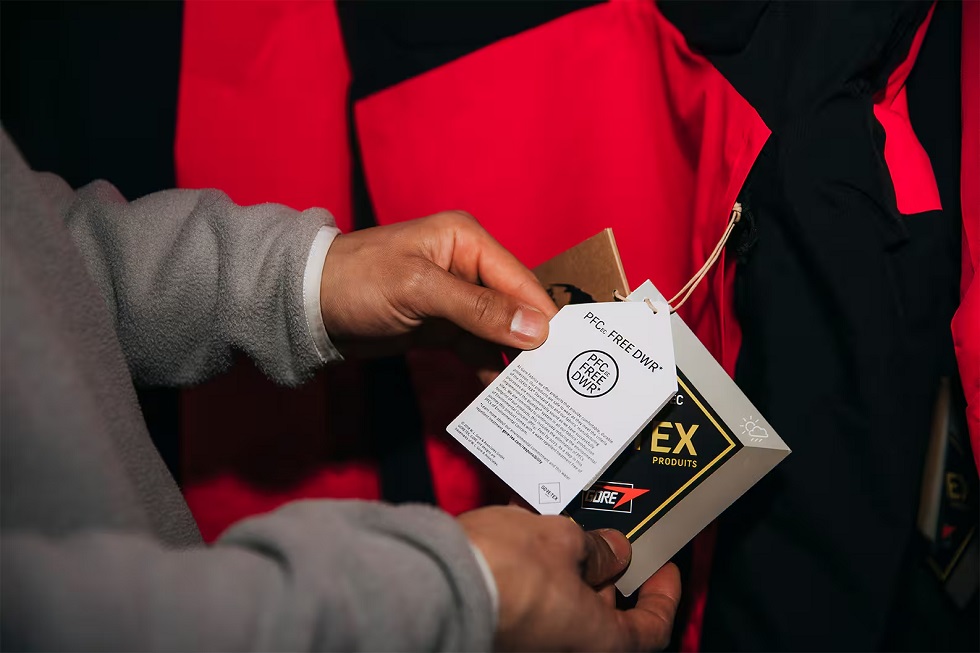
Oil and stain resistance is where the engineering gap is most visible. Without an oleophobic barrier, sunscreen, body oils, and environmental grime can penetrate the fabric and degrade the finish more readily. For most users in most conditions, this is a minor concern. For gear in sustained contact with skin, it’s worth understanding.
Breathability is a more complicated story than the spec sheets suggest. Further gains are still beneficial — particularly during hard uphill efforts in cold, dry conditions. But breathability is an incomplete performance endpoint. A highly permeable system that loses exterior repellency under sustained rain will still accumulate moisture, chill the wearer, and reduce comfort. A shell with more modest breathability figures but genuinely durable exterior water-shedding may deliver better practical performance in the conditions that matter most.
Weight deserves the same scrutiny. Packability matters — a shell you don’t need is weight you’re carrying for no reason, and the ultralight movement has pushed the category toward genuinely impressive reductions. But at some point the trade-offs start running the other way. Thinner face fabrics abrade faster under pack straps. Lighter constructions leave less material to anchor seam tape, support zippers, and maintain hydrostatic resistance over time. The repellency of a face fabric is partly a function of its mass and weave density — shave too much away and you’re not just making a lighter jacket, you’re making a less durable one. The gram count on the hangtag tells you nothing about where those grams came from.
Which points to the deeper problem with how the category has historically sold itself. Maximum breathability. Minimum weight. Now: PFAS-free. Each claim is real, each metric is measurable, and none of them individually describes a jacket that will actually keep you functional in a long day of hard rain. The honest design challenge is messier than any single number — it’s the simultaneous management of hydrostatic resistance, vapour transport, exterior repellency, durability, abrasion tolerance, packability, maintenance burden, and now chemical responsibility. These constraints pull against each other. Optimizing for one often means conceding ground on another. A jacket that scores well across all of them, over time and under real conditions, is a harder thing to make — and a harder thing to market — than the spec sheets tend to acknowledge.
Where Things Stand
Nobody has yet put both leading solutions into the same jacket: a PFAS-free membrane paired with a structurally hydrophobic face fabric that requires no DWR at all. That gap is where the category is actually heading — and five years after the LIFA INFINITY PRO’s launch, and two years after ePE’s arrival, it remains unfilled.
The LIFA INFINITY PRO’s structural approach hasn’t broken into the mainstream comparative review pool after five years. That could mean it’s priced and positioned outside the standard test bracket. It could mean the structural approach has real-world limitations that haven’t been widely documented. Both possibilities are worth watching.
What all these approaches share is a recognition that the fluorine problem was never just a chemistry problem — it was a design problem. For fifty years, the industry built performance by addition: take a fabric, add a membrane, add a coating, add a treatment. Each layer optimized independently. The PFAS crisis forced a different question: what if the repellency, the breathability, and the durability had to come from the material itself?
The most important work in rainwear may now be happening outside the membrane. The goal is no longer a new singular performance claim — maximum breathability, minimum weight, PFAS-free construction. It is a more demanding definition of performance altogether: a shell that remains meaningfully protective after rain, exertion, contamination, abrasion, laundering, compression, and time.
The direction is right. The finish line is further away than the headlines have suggested.
Feature image: Polartec® Power Shield™ RPM






Michael Knispel
Editor-In-Chief
Mike’s our editor-in-chief, storyteller, and master traveler. He’s been at the helm for over a decade, spearheading our stories, partnerships, and brand at large.



 WAYS TO CARRY