



 Carry Awards
 Insights
 Liking
 Projects
 Interviews
 Carry Candy
 Community and Marketplace
Insights
There is a piece of fabric on your bag right now — or there should be. It’s roughly the size of a bank card. It might say something. It might just be an insignia, or a skull, or a compass rose, or a small ironic joke that only makes sense to you and a group other people. It hooks onto a panel of Velcro.
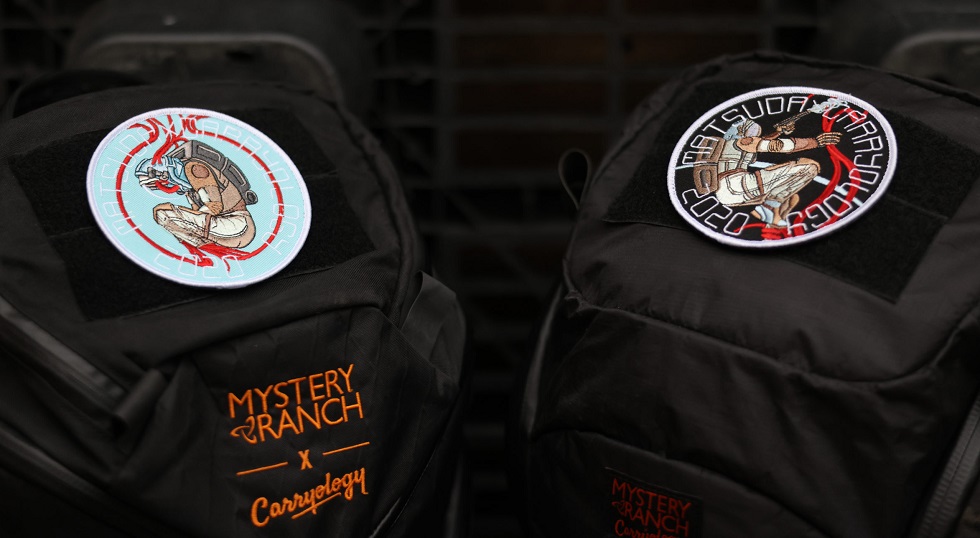
And it has been doing exactly that, in one form or another, for over a hundred years.
This is a story about identity — how a piece of functional military fabric became one of the most persistent forms of personal expression in the carry world, and why that journey makes complete sense once you understand where it started.
The Uniform Had a Problem
Before morale patches, before collector culture, before the EDC market, there was a problem.
It was 1914, and the Western Front had already upended every assumption about how modern war would be fought. For centuries, armies had worn brightly colored uniforms — the red coats, the Prussian blue, the French scarlet — not out of vanity, but out of necessity. Color was information. On a battlefield obscured by black powder smoke, a commander needed to know at a glance where his units were, which flank was holding, and where to send the next order.
Then came industrial warfare, and the logic inverted overnight. Bright colors made you a target. By the time the major powers reached the Western Front, they had all switched to drab, camouflaged field dress — khaki, feldgrau, horizon blue. The tactical logic was sound. But it had created a new crisis that nobody had fully anticipated.
In the chaos of a major assault, with hundreds of thousands of men from dozens of divisions advancing, retreating, and dying across a shattered landscape of mud and shell craters, commanders could no longer tell their own units apart. Reinforcements arrived and nobody knew whose flank they were covering. Artillery was called onto friendly positions. Runners sprinting across no-man’s-land couldn’t confirm which unit held which trench. The armies had made themselves invisible to the enemy — and, in doing so, had accidentally made themselves invisible to themselves.
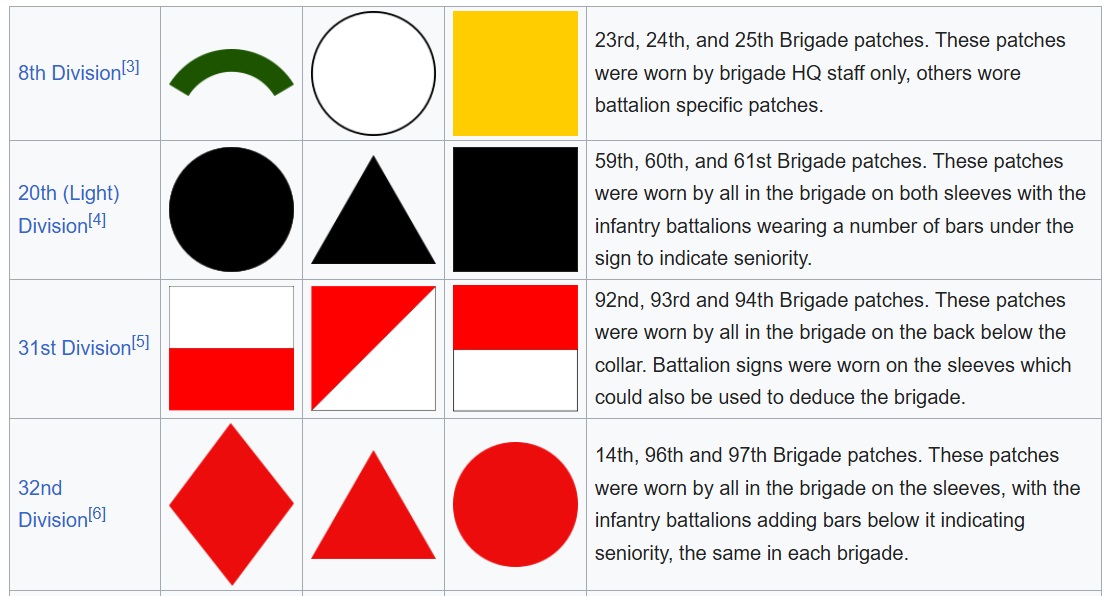
The British Army’s answer, formalized after the catastrophic lessons of the Somme in 1916, was the battle patch — a piece of colored fabric sewn onto the back of a tunic or painted directly onto a helmet. Not decorative. Not motivational. Purely functional, in the way that only things designed under mortal pressure tend to be. A shape and a color that told an officer scanning through binoculars, or a runner sprinting between positions, exactly which unit those men belonged to and where to direct the next order. Command information, worn on the body.
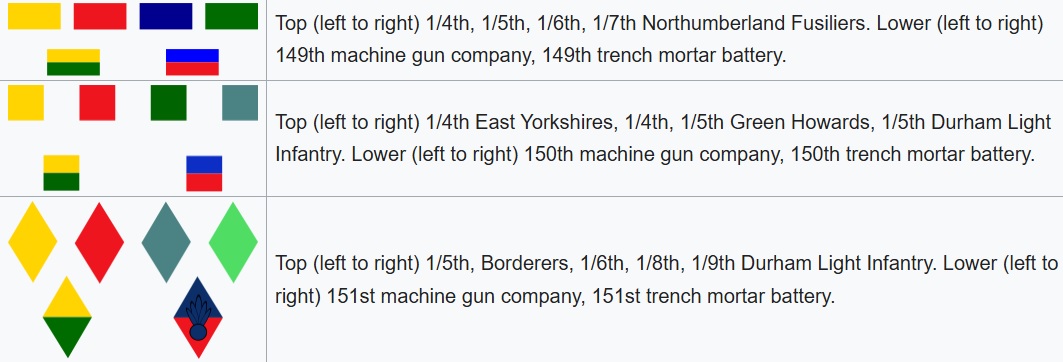
It was, by any measure, an unglamorous solution to an unglamorous problem. Nobody was thinking about identity or expression or culture. They were thinking about not dying in the wrong place because the wrong people got the wrong orders.
But something was about to change that.
The Wildcats Change Everything
The Americans arrived in Europe in 1917, and with them came the 81st Division — a unit drawn largely from the Carolinas, Georgia, and Florida, men who had grown up hunting in the swamps and forests of the American South. They trained at Camp Jackson, South Carolina, where Wildcat Creek ran through the post. They called themselves the Wildcats.
Someone in the 81st had an idea. Instead of the abstract geometric shapes and colors the British were using to solve their command-and-control problem, why not wear something that meant something? Something that told a story about who you were and where you came from?
They cut a wildcat silhouette from olive drab felt and sewed it to the left shoulder. The first American morale patch.
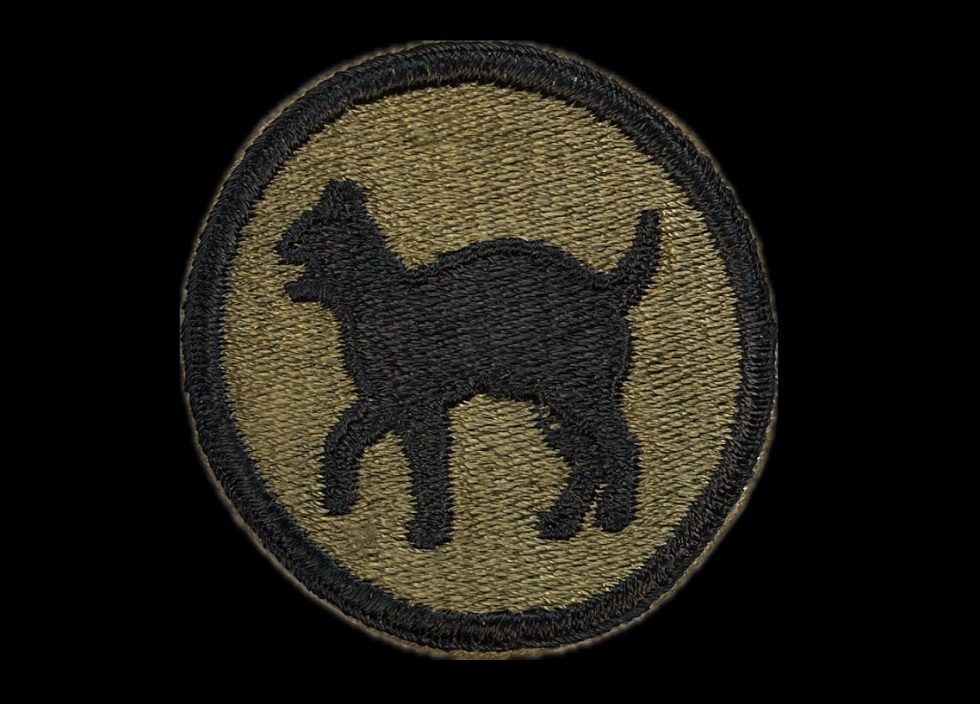
The distinction matters enormously. The British battle patch was a tool — a solution to a logistics problem, as deliberate and unsentimental as a road sign. The 81st Division’s wildcat was something else entirely: a declaration. It said we are from somewhere specific, we have a name, and we chose this symbol to represent us. The functional and the expressive had merged into a single piece of fabric, and the result was something neither purely military nor purely personal. It was both.
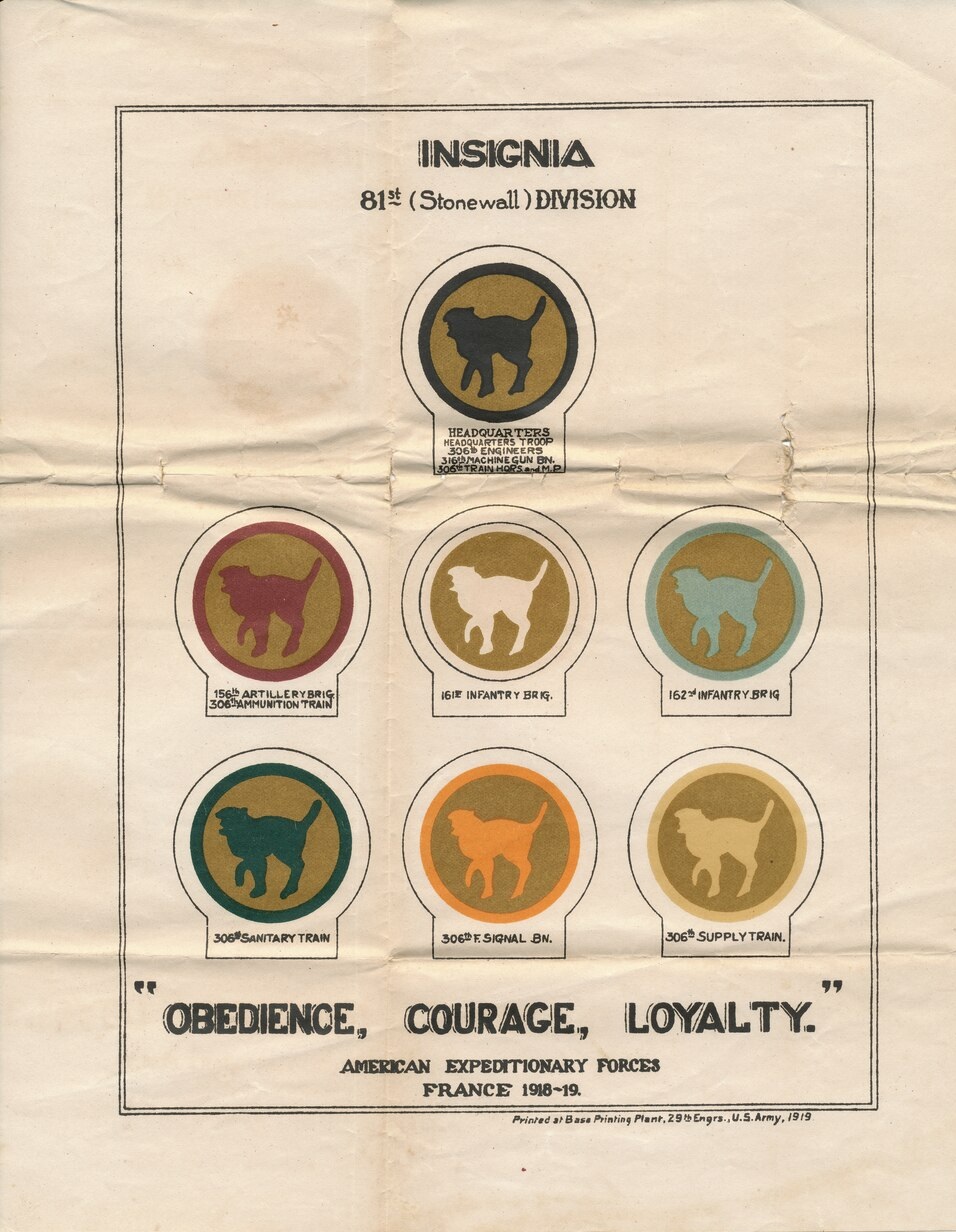
General John “Black Jack” Pershing, commanding the American Expeditionary Forces, was initially sceptical — other units challenged the 81st’s right to wear an unofficial insignia. But Pershing ruled in their favor, and then went further. He encouraged every division in the AEF to design and wear a distinctive patch. The 81st’s wildcat was officially adopted by the Army on October 19, 1918, establishing the precedent for shoulder sleeve insignia across the entire force. Within months, the American military had become a walking gallery of unit identity, each division’s shoulder sleeve a small piece of designed self-expression worn into combat.
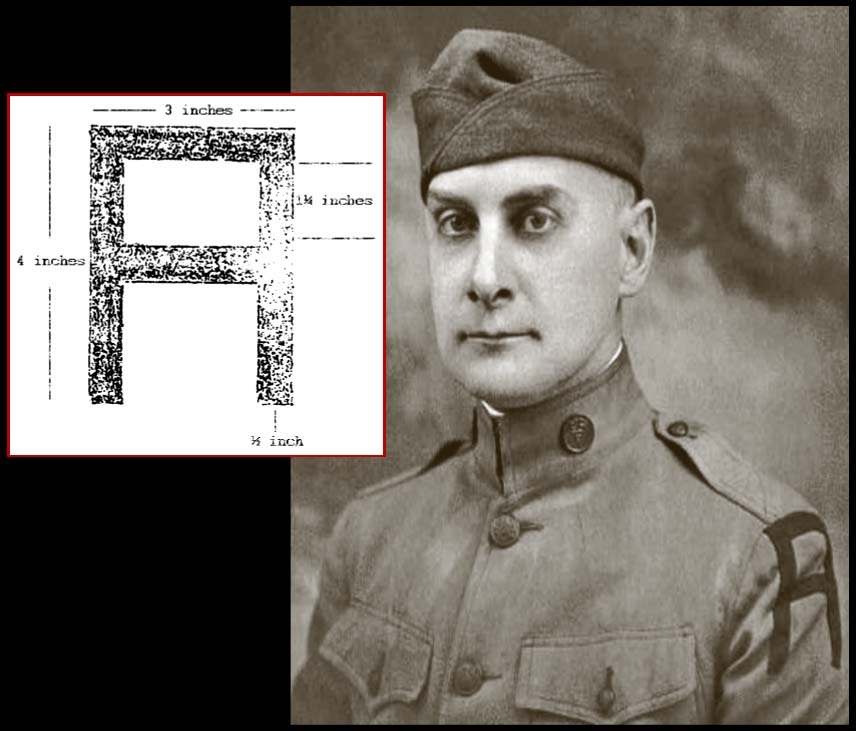
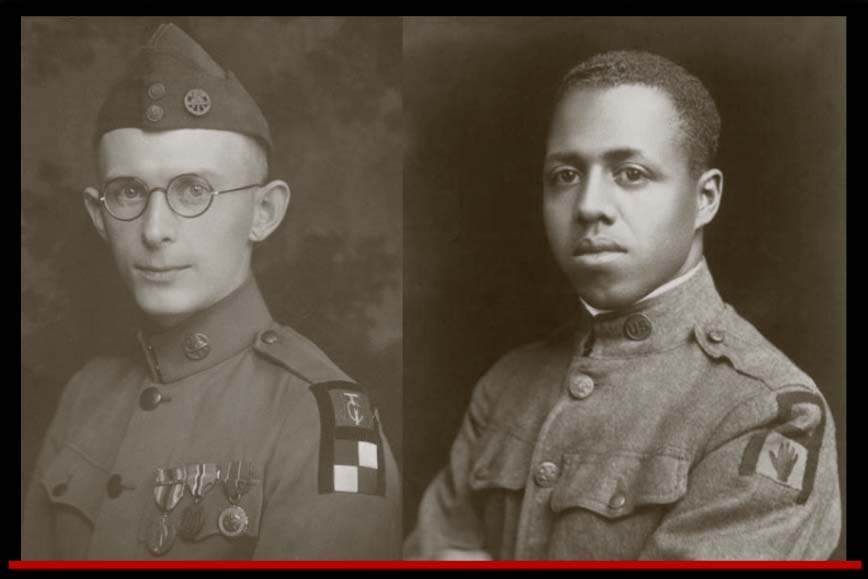
The shoulder sleeve insignia was born. And with it, the idea that a piece of fabric could carry meaning beyond its function.
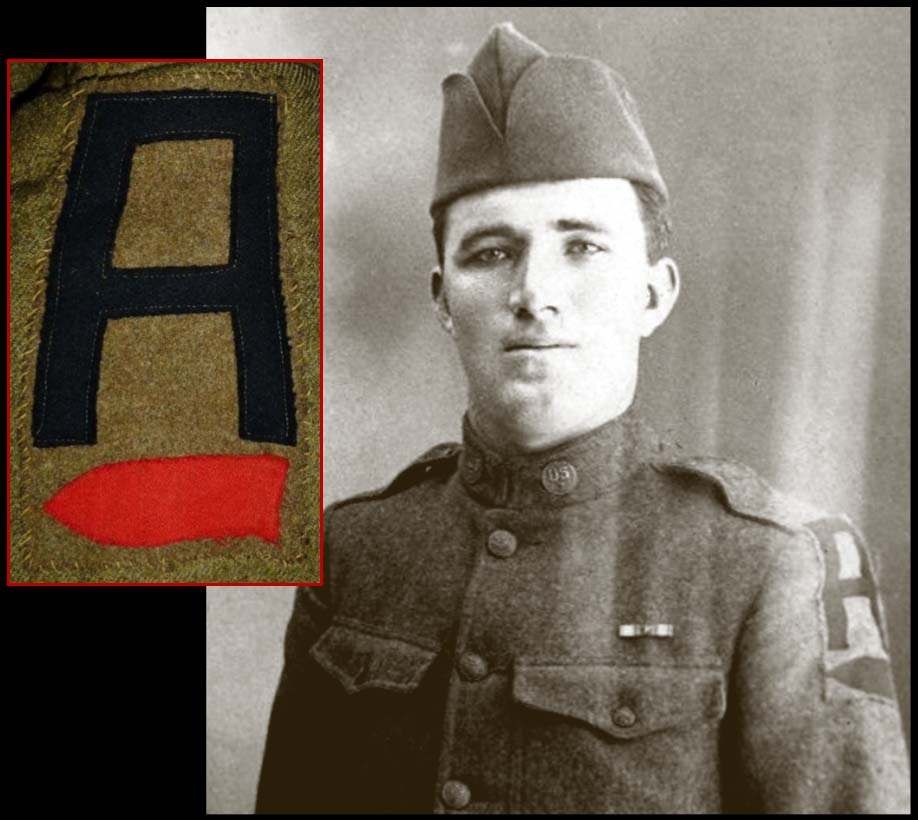
From Battlefield to Collector’s Table
The war ended. The soldiers came home. And they brought their patches with them.
This is where the story takes its first unexpected turn, because what happened next had nothing to do with military necessity and everything to do with human nature. People wanted the patches. Not just the soldiers who had worn them, but civilians — families, admirers, the simply curious — who understood, instinctively, that these small pieces of embroidered fabric contained something. History. Identity. The compressed experience of men who had been somewhere most people would never go.
By the 1920s, unit patches had become collectible objects. Soldiers traded them. Civilians sought them out. A secondary market emerged — informal, enthusiastic, entirely unplanned — built around the simple fact that a patch was a portable piece of a story.
The carry world has seen this pattern before. The furoshiki survived a thousand years not because it was the most efficient bag technology ever invented, but because it accumulated meaning with each generation that used it. The randoseru endures not because it’s ergonomically optimal, but because it has become a vessel for memory and ritual. Objects that carry meaning outlast objects that merely carry things.
The morale patch was learning this lesson in real time.
Vietnam, Velcro, and the Modern Era
The Second World War deepened the tradition. Korea sustained it. But it was Vietnam that transformed it.
In the jungles of Southeast Asia, far from the formal hierarchies of conventional warfare, American soldiers began making patches that had nothing to do with official unit identification and everything to do with attitude. Dark humor. Gallows wit. The kind of expression that emerges when people are under extreme pressure and need somewhere to put it. These weren’t sanctioned. They weren’t uniform. They were, in the truest sense, morale patches — small fabric objects designed to say something about how the wearer felt about their situation, not about which battalion they belonged to.
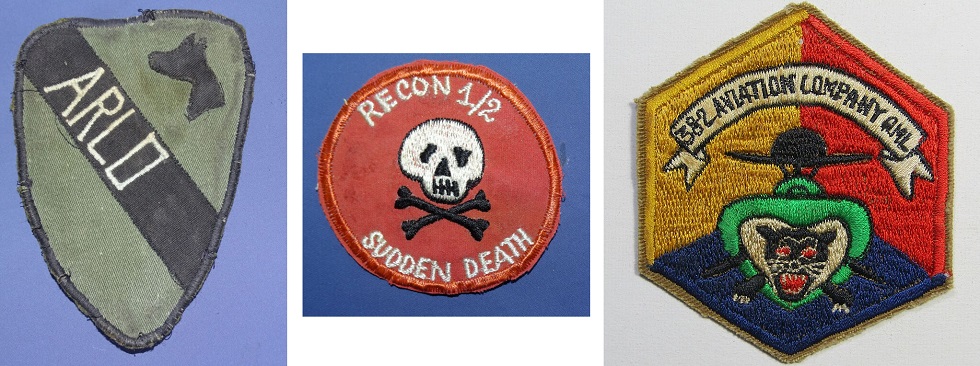
The tradition survived the war and found its way into special operations culture, where it flourished. Units that operated outside normal military visibility developed a particular affinity for patches that communicated identity without revealing it — inside jokes, unit symbols, references that meant everything to the people who understood them and nothing to anyone else. The patch as code. The patch as community.
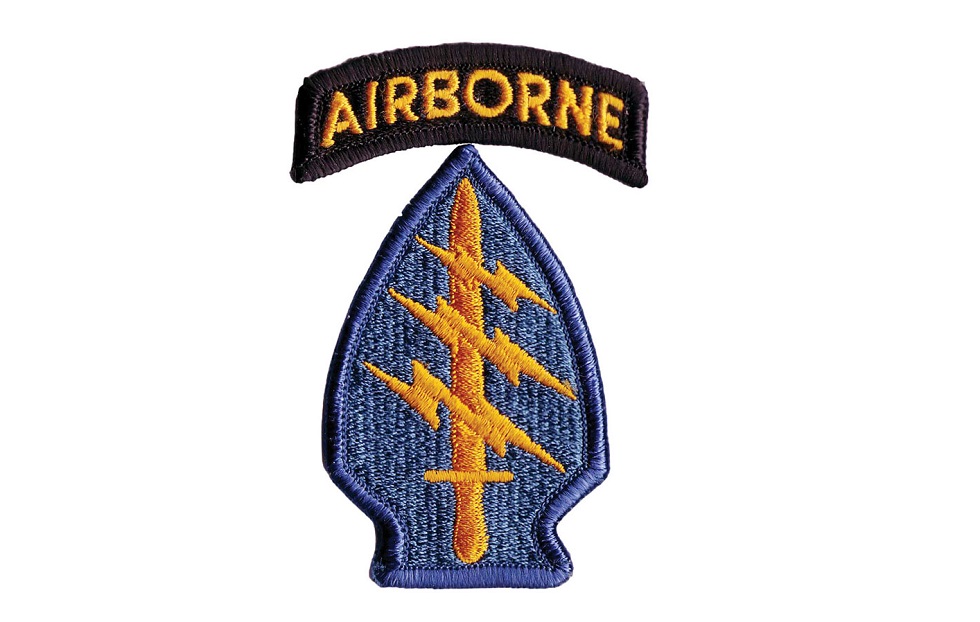
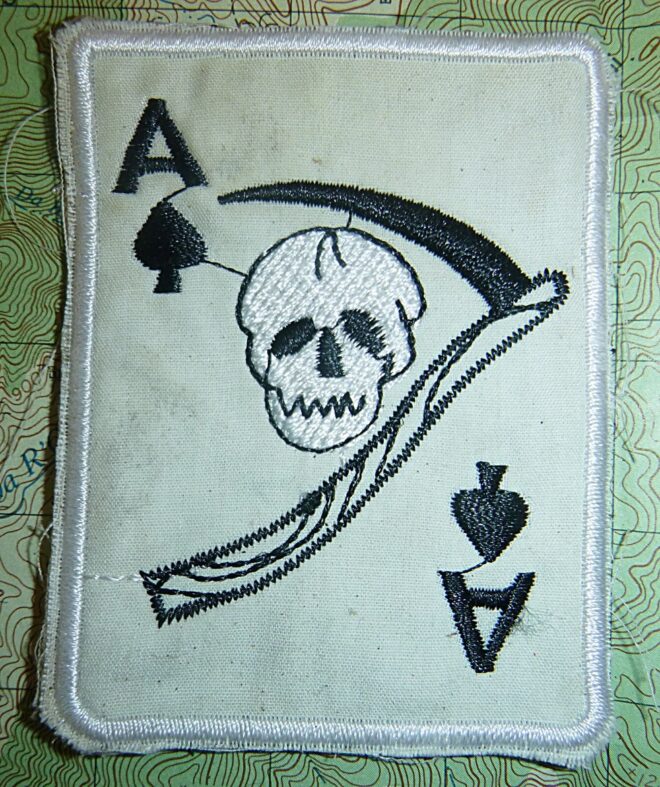
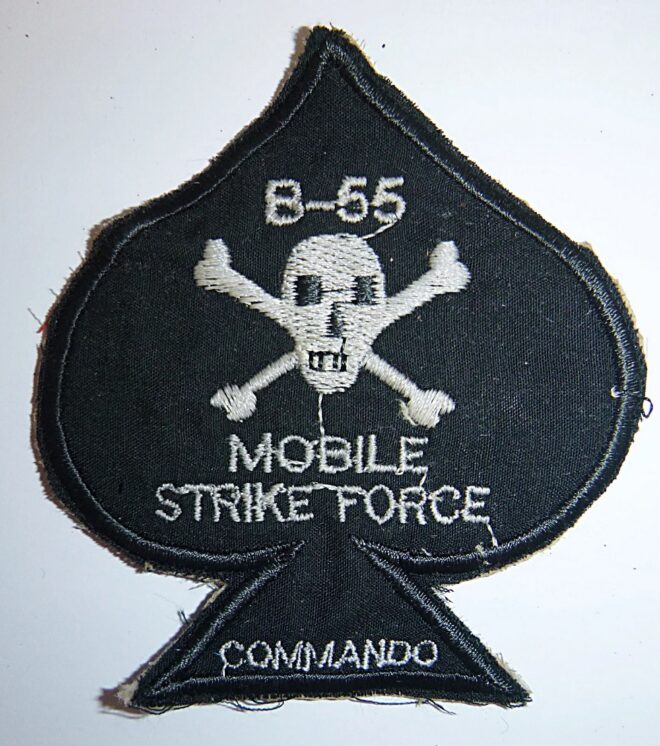
Then velcro arrived, and everything changed again.
The hook-and-loop fastener was conceived by Swiss engineer George de Mestral in 1941, after he returned from a hunting trip in the Alps and noticed how burdock burrs clung tenaciously to his dog’s fur. He examined them under a microscope, saw the tiny hooks catching on loops of fiber, and spent the next decade figuring out how to replicate the mechanism in nylon. The patent was granted in 1955. It had been a standard feature of military uniforms for years before manufacturers began producing patches with velcro backing — but when they did, the patch became something new: interchangeable. Modular. A piece of identity you could swap out depending on the mission, the mood, or the message.
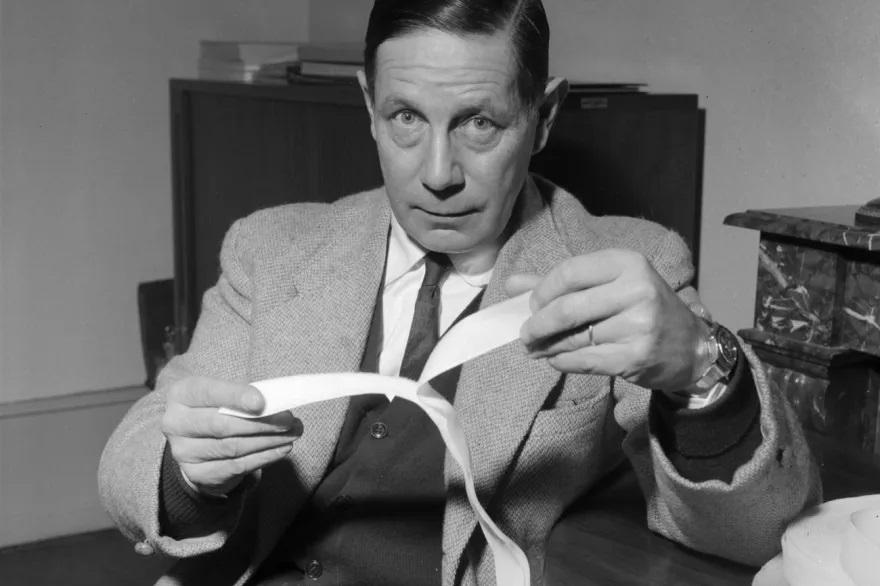
The original battle patches were sewn on. They were permanent commitments — as fixed to the uniform as the unit itself. The velcro-backed morale patch was something else: an expression of adaptability.
The British Army had invented the patch to solve a command problem. The 81st Division had turned it into a declaration. Vietnam had turned it into expression. Velcro had turned it into something you could change.
The Trademark That Tried to Own a Culture
By the 2010s, the morale patch had completed its migration from military culture into the broader world of EDC, tactical carry, and outdoor gear. Bags with MOLLE webbing and velcro fields became canvases. A small industry of patch makers emerged, producing everything from unit insignia to absurdist humor to political commentary to brand identity.
And then, in 2016, a company called Morale Patch Armory LLC did something that revealed just how culturally significant the term had become: they trademarked “MORALE PATCH.” Four years later, in August 2020, they filed suit against 281 defendants for using the term commercially — a number that tells you something about the scale of the market that had grown up around these small pieces of fabric. The case ground through the courts for two years, generating considerable heat in the patch community, until August 2022, when the Trademark Trial and Appeal Board canceled the mark.
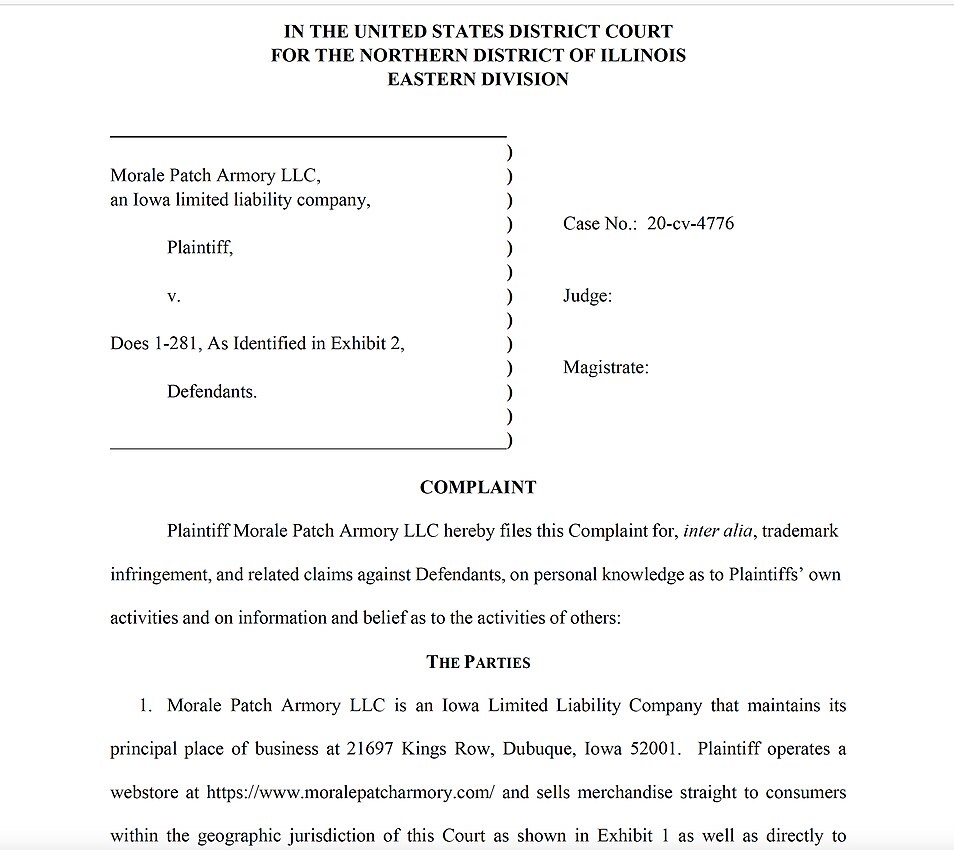
The cancellation was, in its way, a verdict on the nature of the thing itself. “Morale patch” had become a generic term — not because any single company had made it so, but because hundreds of thousands of people had been using it for years to describe a category of object that had existed long before anyone thought to trademark it. The legal system, in canceling the mark, was acknowledging what the culture already knew: this thing belongs to everyone.
It’s worth sitting with that number for a moment. Two hundred and eighty-one defendants. That’s not a niche hobby. That’s a culture.
What a Patch Actually Does
Strip away the history and the legal drama and the collector culture, and you’re left with a very simple question: what is a morale patch actually for?
The military answer — unit identification, command clarity, cohesion — is where it started. But it stopped being only that the moment the 81st Division chose a wildcat instead of a geometric shape.
This is the thread that runs unbroken from the mud of the Western Front to the velcro field on your everyday carry bag. The patch says something about who you are and what you’re doing. It might say it loudly, with a skull or a flag or a unit insignia. It might say it quietly, with an inside joke that only makes sense to people who share your specific context. It might say it functionally — TRAVEL, TECH, EDC — identifying the mode you’re in, the way the original battle patches identified the unit you belonged to.
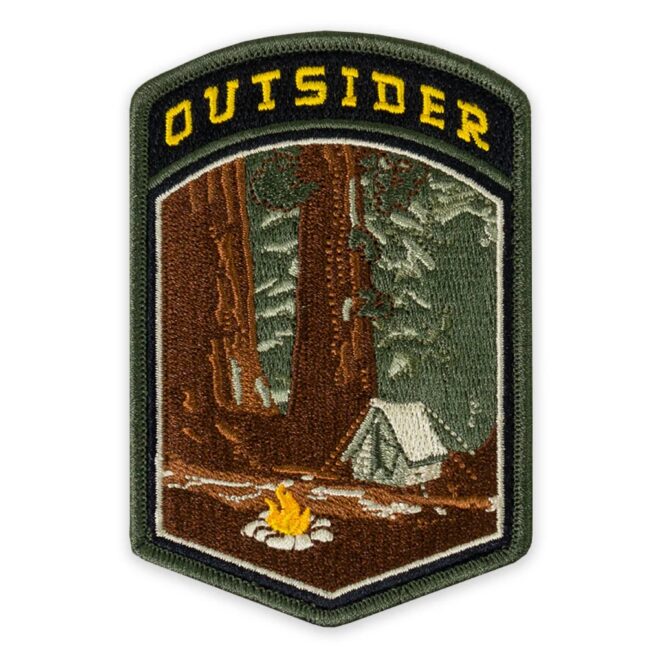
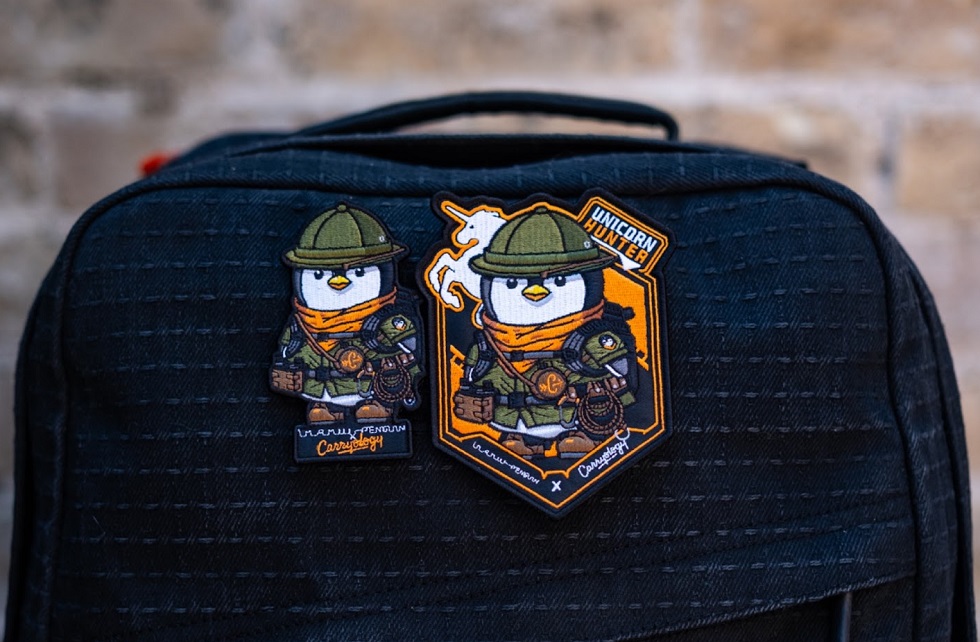
That last point is the modern evolution of the form. The original British battle patch was fixed and singular — one unit, one patch, sewn permanently to one uniform. The velcro-backed carry patch is the opposite: interchangeable, modular, adaptable. You are not one thing. You move between contexts. Your gear can reflect that in a way that a sewn-on insignia never could.
The 81st Division Wildcats didn’t know they were starting something. They were just trying to say who they were in a place where that mattered enormously. A hundred years later, people are still doing exactly that — on their uniforms, on their bags, on the small pieces of fabric they choose to carry with them into whatever comes next.









Michael Knispel
Editor-In-Chief
Mike’s our editor-in-chief, storyteller, and master traveler. He’s been at the helm for over a decade, spearheading our stories, partnerships, and brand at large.



 WAYS TO CARRY