



 Carry Awards
 Insights
 Liking
 Projects
 Interviews
 Carry Candy
 Community and Marketplace
Carry 101
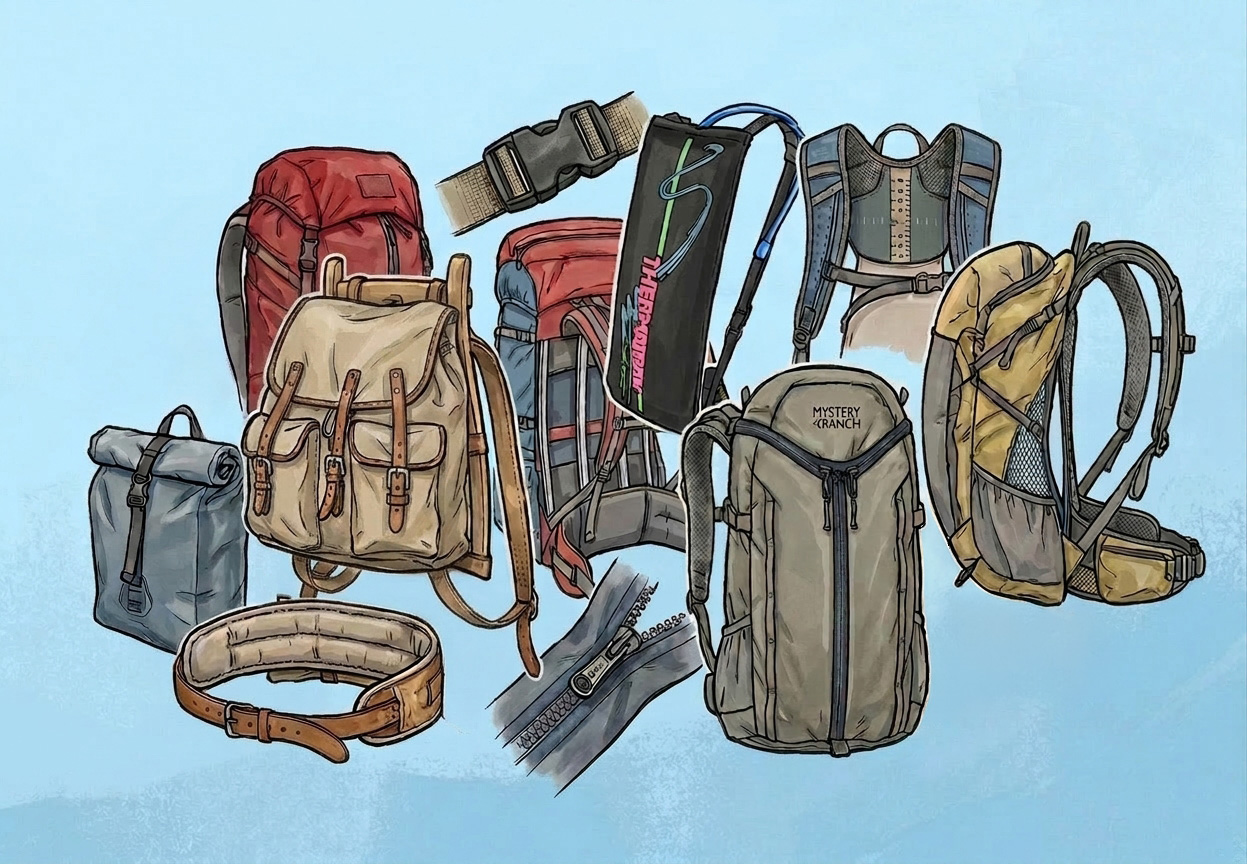
For five millennia or so, backpack design didn’t change much: a sack, a couple of straps, a solid dose of willpower. But then, in the span of roughly a hundred years, pretty much everything did.
From a bent juniper branch in the Norwegian wilderness, to tensioned mesh and 3D-printed foam, the humble backpack evolved from a rudimentary container into a precision-engineered carrying system.
We didn’t start this fire – but we inherited it, and, a century or so ago, began to seriously refine it.
What follows is a series of key checkpoints in that acceleration: how modern designers fused body, material science, and access philosophy – and how each breakthrough set the stage for the next.
1. The External Frame (1908) – Bergans of Norway
The one that sparked it all.
After a hunting trip in the Skrimfjellet mountains, Norwegian bicycle mechanic Ole Ferdinand Bergan came home with a simple fix to a lingering issue. His rucksack chafed, slumped, and pulled unevenly. So he bent a juniper branch to the contour of his back and used it to hold the load away from his body. The relief was immediate.
Back in his workshop in Tønsberg, Bergan replaced the branch with tubular steel, added leather straps, and filed a patent in 1909, registering it in 22 countries.

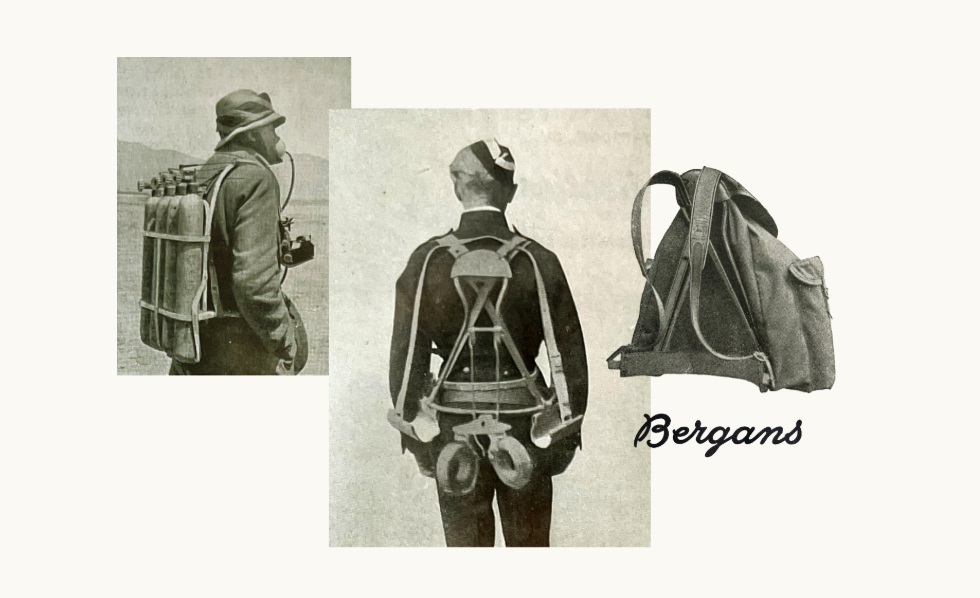
The Bergans meis became the world’s first commercially produced external-frame backpack. Most importantly, it introduced the fresh idea that load didn’t have to hang directly off the body – it could be lifted, spaced, and stabilized.
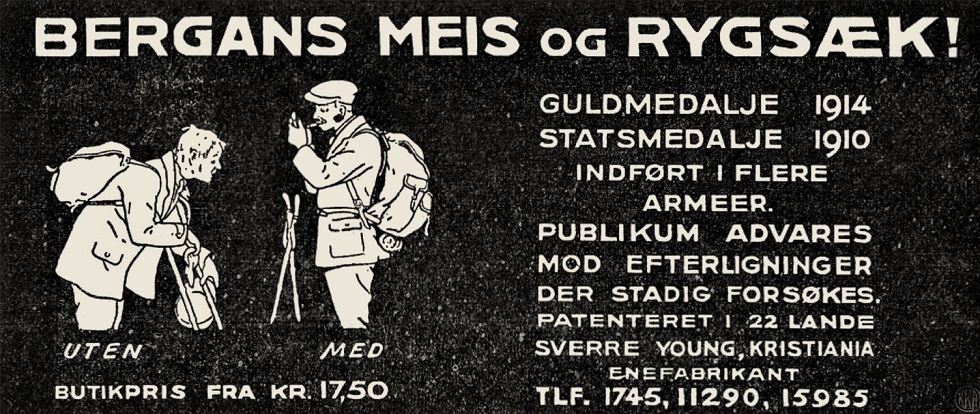
That key shift – separating structure from the sack itself – is something nearly every modern pack still rides on.
The design spread fast. Bergans packs equipped Roald Amundsen’s South Pole expedition in 1911, appeared on British Everest expeditions, and were eventually reverse-engineered by Allied forces during World War II. British Commandos called their version the ‘Bergen’ – a name that still carries today.
2. The Padded Hip Belt (1947) – Jack Abert
The moment the deltoids got a load off.
Even after the introduction of external frames, most packs still carried weight the same way: on the shoulders. While the load might sit differently, it still hung from the upper body, causing pain and discomfort over time.
The story of who changed that is messier than it’s usually told.
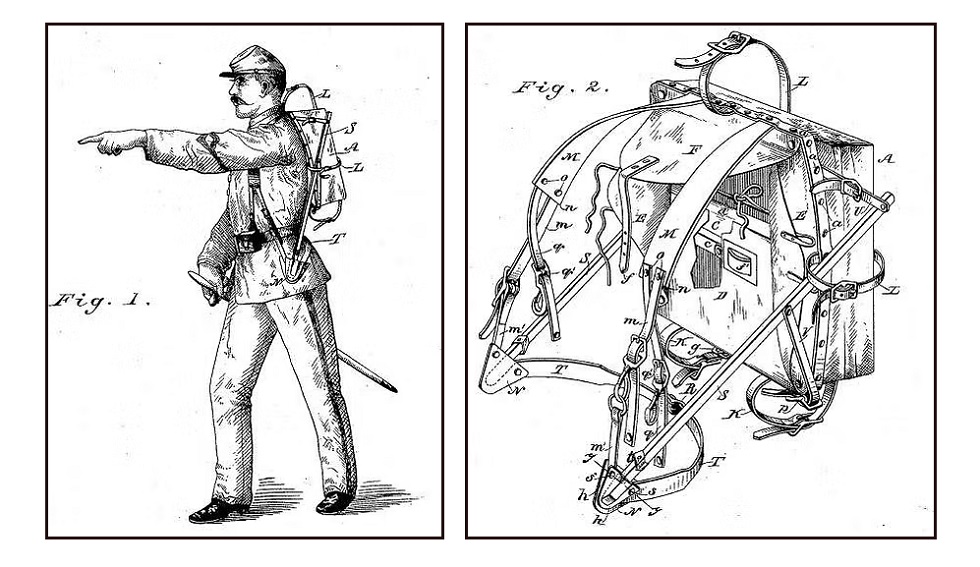
The underlying logic – that a belt across the hips could transfer load off the shoulders entirely – had actually been explored decades earlier. In 1887, U.S. Army officer Henry Clay Merriam patented a pack featuring hardwood rods that extended from the frame into leather pockets on a half-belt resting across the lower back and hips. The system worked, in principle. But it never scaled: the Army passed, and only a few thousand units reached the New York National Guard and some European armies. The idea sat dormant.
It was Jack Abert, an avid hiker and Boy Scout camp counselor from Phoenix, Arizona, who brought it back – and made it stick. In 1947, Abert designed a contoured aluminium frame that was both strong and light, and deliberately shifted the majority of the load off the shoulders and onto the hips. His reasoning was clear: the hips are built to carry weight because they connect directly to the legs, the body’s primary load-bearing structure. The shoulders don’t.
By 1950, the National Council of the Boy Scouts of America had officially approved the design, and by 1967, Abert had become the largest manufacturer of backpacking frames in the world.
It’s worth noting that the hip belt’s broader popularisation in the outdoor industry is also associated with Lloyd Nelson and Dick Kelty, whose Kelty pack company – founded in California in the early 1950s – helped bring aluminium-frame, hip-transferring packs to a wider civilian hiking market around the same period. Depending on the source, credit shifts between these figures; what’s consistent is the era, and the logic behind it.
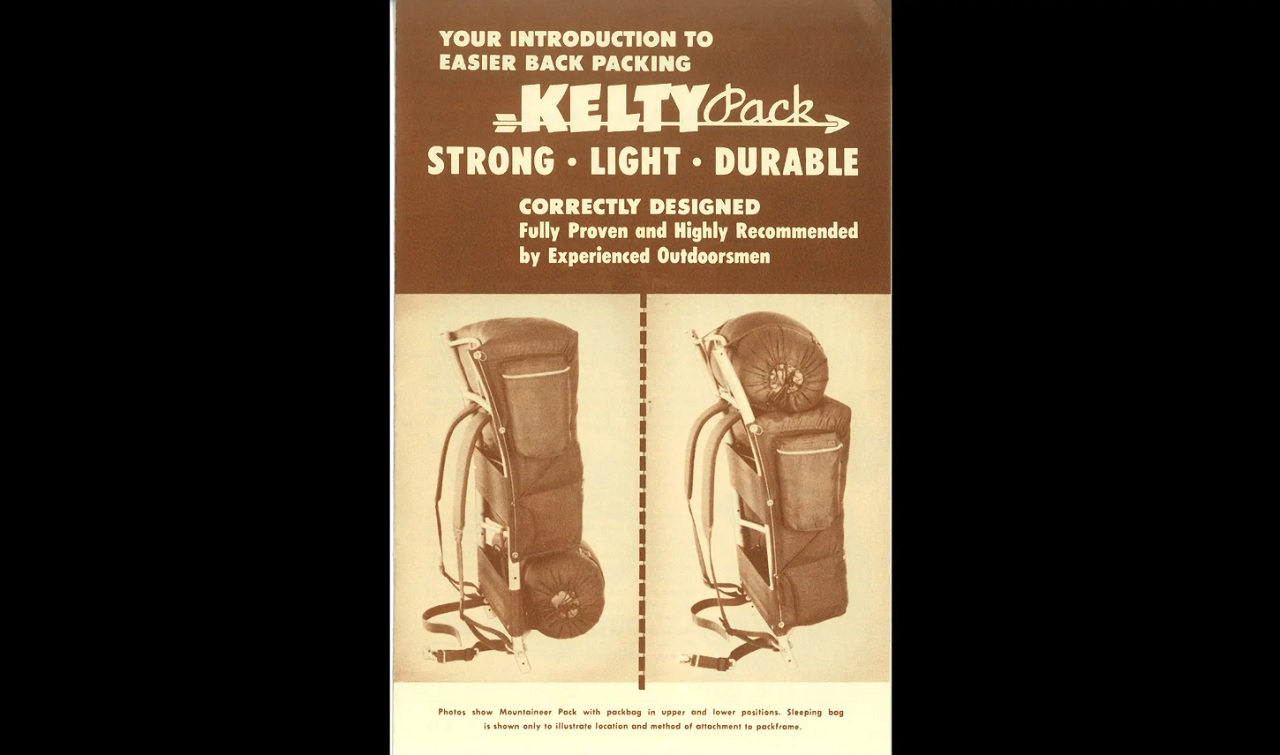
Today, the hip belt is so intrinsic to hiking backpack design that it’s almost invisible. Modern hiking packs transfer the vast majority of their load onto the hips. Without it, load-bearing carry wouldn’t just be uncomfortable – it would be fundamentally inefficient.
3. The Internal Frame (1967) – Lowe Alpine
By the mid-1960s, the external frame had reached its limits. It worked well enough on open trails, but struggled in technical terrain – the rigid structure stuck out from the body, snagged on rock, and held the load far enough away that balance became unstable on steep or uneven ground.
In 1967, Colorado alpinist Greg Lowe built a pack called the ‘Expedition’ that rethought that whole relationship. Instead of mounting a frame externally, he integrated lightweight stays into the back panel itself: first with phenolic resin laminate, later with 6061 aluminium flat bar.
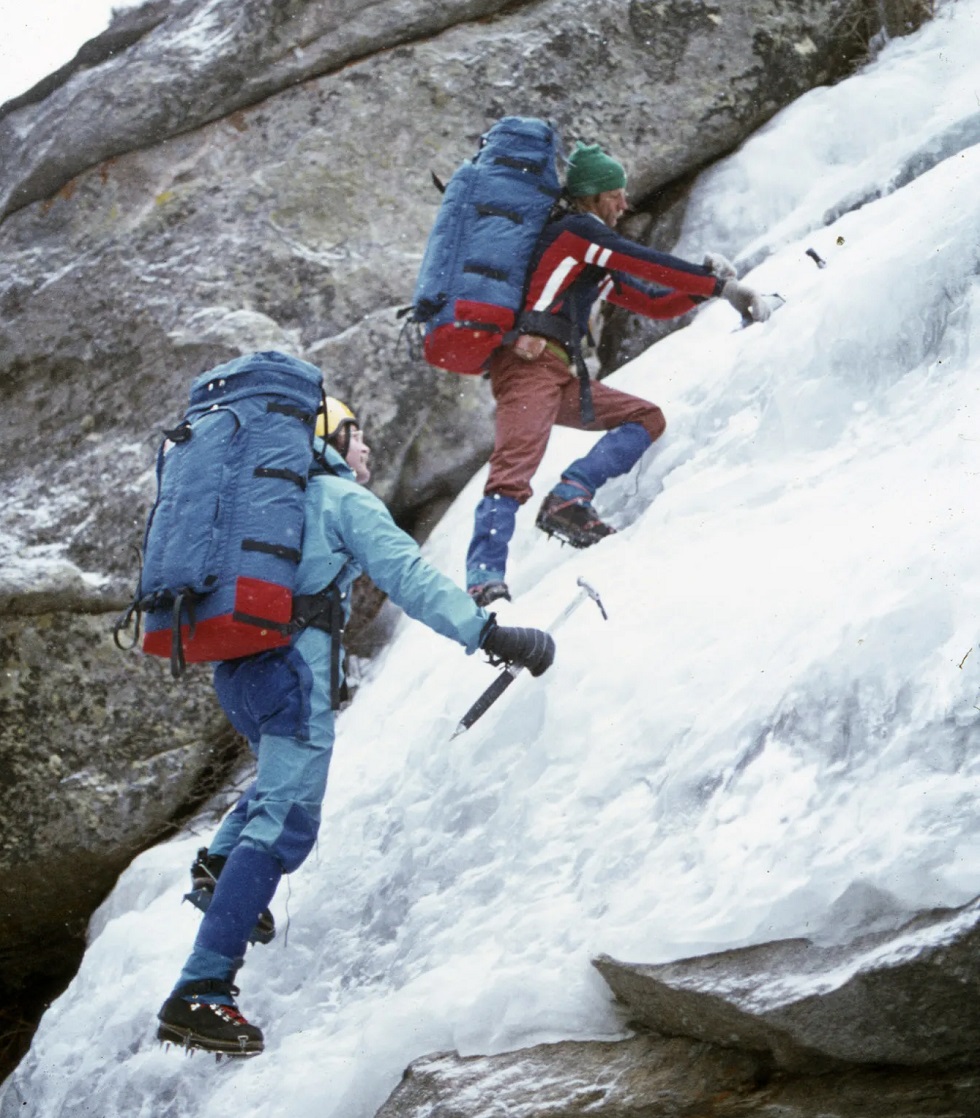
The result was huge. The load sat closer to the body, and the pack began to move with the wearer rather than against them. What had previously been a carried system became a worn system. Stable in motion, not just at rest.
By the 1970s, the design had spread beyond mountaineering into mainstream hiking, particularly in the UK, where more technical terrain exposed the limitations of external frames (the brand’s international HQ and development hub eventually landed in Kendal, Cumbria). The influence of Lowe Alpine’s approach was pivotal, his internal frame becoming the template for almost every modern backpack that followed.
This shift didn’t just change pack construction. It unlocked the modern language of suspension – back panels, padding systems, and load balancing geometry all stem from this innovation of the structure inside the carry.
4. The Side-Release Buckle (1970s–80s) – ITW Nexus
The click heard around the world – with such ubiquity that it barely registers anymore.
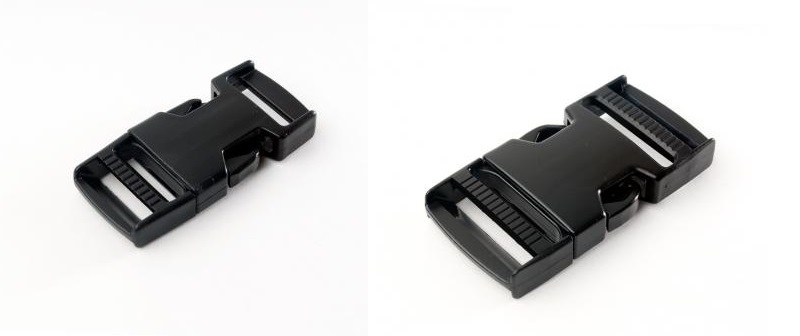
Enter the plastic side-release buckle: two prongs that snap into a receiver and release with a squeeze. Before this, backpack straps were managed with metal hardware, leather fittings, and lacing systems – heavier, slower, and far less forgiving in wet or high-stress conditions.
Developed and popularized through the 1970s and 1980s by hardware companies including ITW Nexus, the side-release buckle changed the rhythm of adjustment itself. It made connection instant, one-handed, repeatable. And crucially, it made modularity possible: straps, belts, and compression systems could now be tuned on the fly rather than fixed in place.
What followed wasn’t just a change in backpacks. It was a change in how load systems could be configured across entirely different contexts – from military webbing and climbing harnesses, to child safety seats and everyday carry.
Its impact can be seen everywhere: sternum straps, hip belts, compression points, et al. The buckle became the connective tissue of the modern backpack – small, silent, and so effective it’s barely changed for over 50 years.
5. CamelBak Hydration System (1989) – Michael Eidson
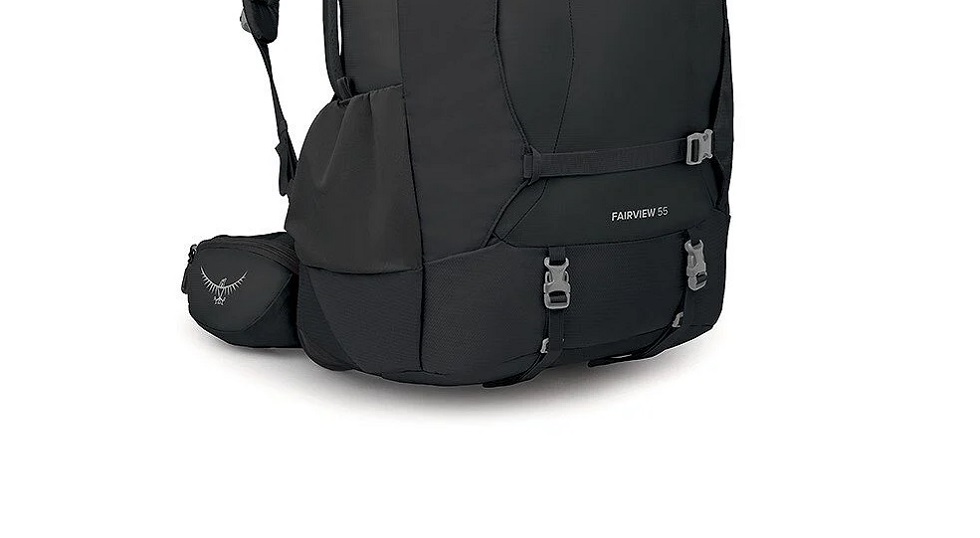
In 1989, emergency medical technician Michael Eidson lined up for the Hotter ‘n Hell 100, a storied long haul cycling event in Wichita Falls, Texas.
Eidson had discerned a crucial problem with long rides – every time he reached for a water bottle, he’d get slowed down. Improvising, he filled an IV bag with water, stuffed it into a tube sock, pinned it to the back of his jersey, ran the tube over his shoulder, and held it in place with a clothes peg. Visually absurd? Most definitely. It also worked – flawlessly.
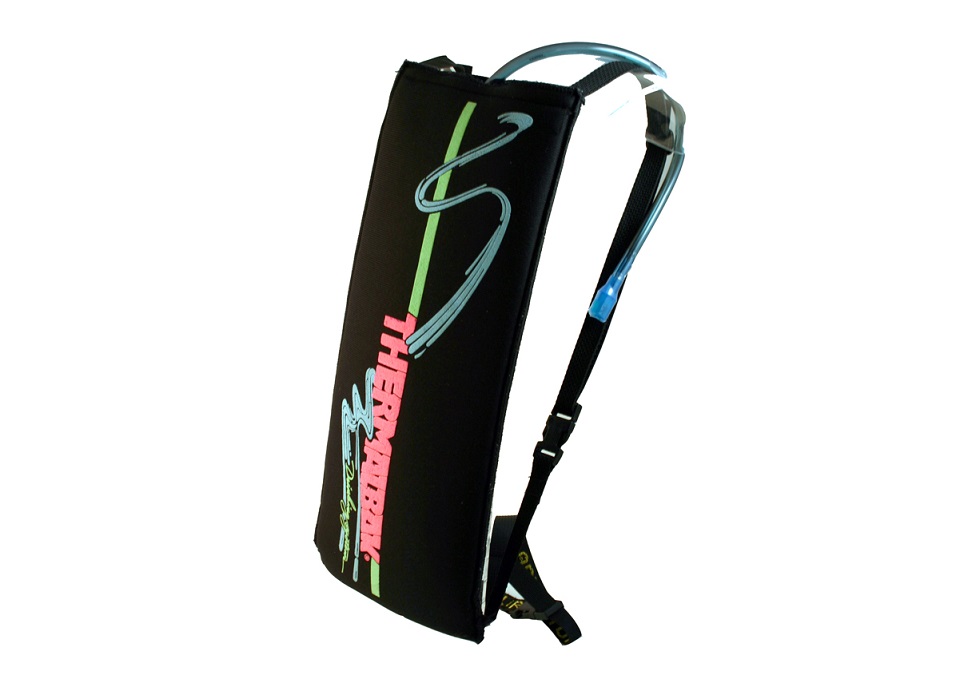
Within months, Eidson had shaped his rudimentary idea into the ThermalBak: the first commercial hydration reservoir system. It took a while to win over the lycra set. Most dismissed it as overly technical, even ‘geeky’. But once the US military adopted CamelBak systems during the Gulf War – with marketing leaning into the blunt tagline ‘Hydrate or Die’ – the idea scaled.
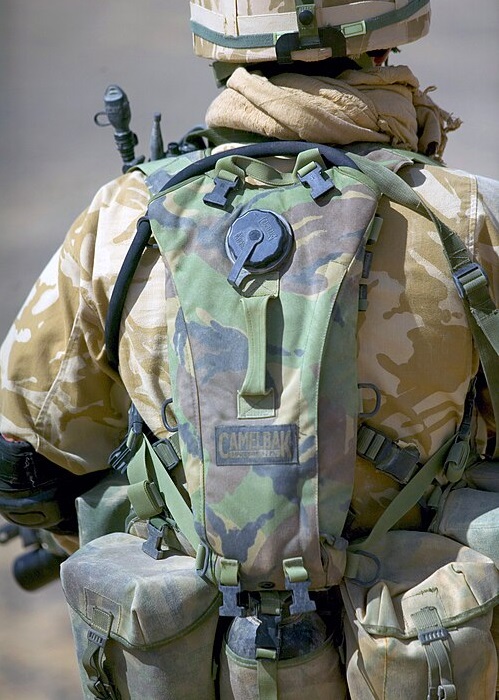
Eidson’s pack didn’t just add a water bladder to a backpack. It removed the pause lag from hydration entirely. Rather than an interruption, it became a continuous maneuver, integrated into motion.
6. Adjustable Torso Harness – Gregory, Osprey, Mystery Ranch
The pack that finally fit every back.
For most of backpack history, fit variety was limited. Packs came in small, medium, and large – rough approximations of a far more complex variable: the human torso. The result was obvious. Too long, and the hip belt floated uselessly. Too short, and it cut into the ribs. Load transfer failed before the walk even began.
Through the 1980s and 1990s, brands like Gregory and Osprey began dismantling this status quo. Their solution was the adjustable torso harness: a sliding shoulder yoke that moved up or down a fixed back panel, allowing the distance between shoulders and hips to be precisely tuned. Simple in concept, difficult in execution. Getting it to hold load under real movement took years of refinement.
Mystery Ranch pushed the idea further. Their Futura Yoke system took the entire upper harness assembly and turned it into a telescoping structure, sliding vertically along the mainframe and locking into position based on exact torso length. But crucially, it didn’t just reposition contact points – it preserved form. The moulded adjuster moved with the yoke, keeping the ergonomic curve of the harness consistent at every setting, rather than defaulting to a single fixed shape.
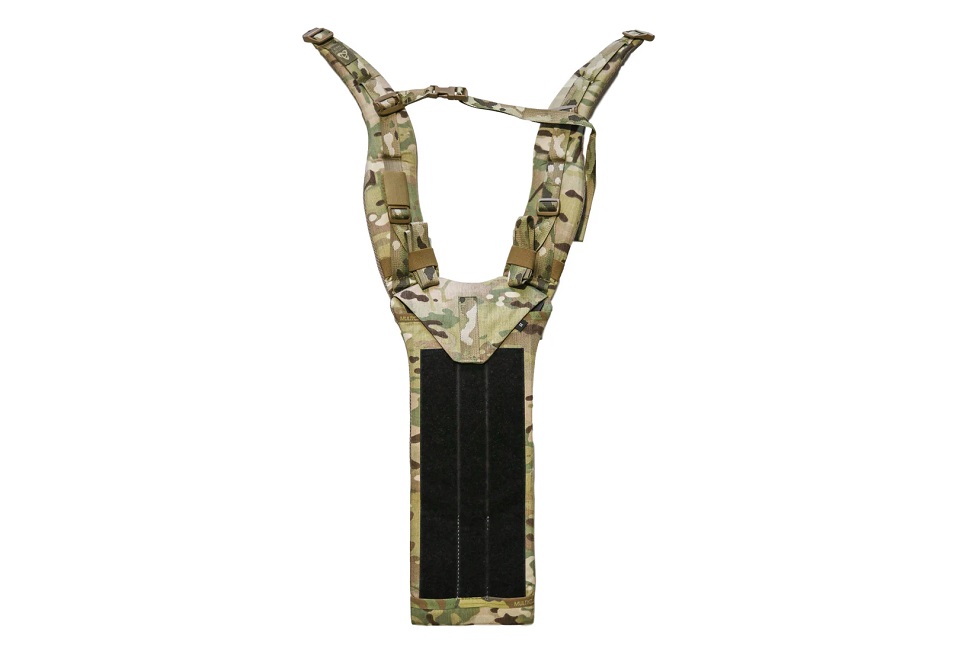
In practice, this meant fit and load transfer could be solved together. More than just a cosmetic adjustment, it directly changed how force moved through the system, from shoulders into hips and core.
Used across military, fire, hunting, and civilian lines, the system has been adopted by operators who depend on consistent carry under extreme conditions. The universal principle remains: a backpack shouldn’t approximate your body, it should adapt to it.
7. The 3-Zip Panel Loader – Mystery Ranch
For most of backpack history, access followed a rule: enter from the top, dig down, find what you need. Works well enough where time isn’t a constraint. But in motion? Or where time really is of the essence? Not so much.
Mystery Ranch’s 3-Zip panel loader broke the old rule. A Y-shaped zipper ran across three sides of the pack’s front panel, opening the main compartment almost fully. The interior was no longer a layered volume to be searched, but a fully visible system. Gear exposed in place. Nothing needed to be removed to reach anything else.
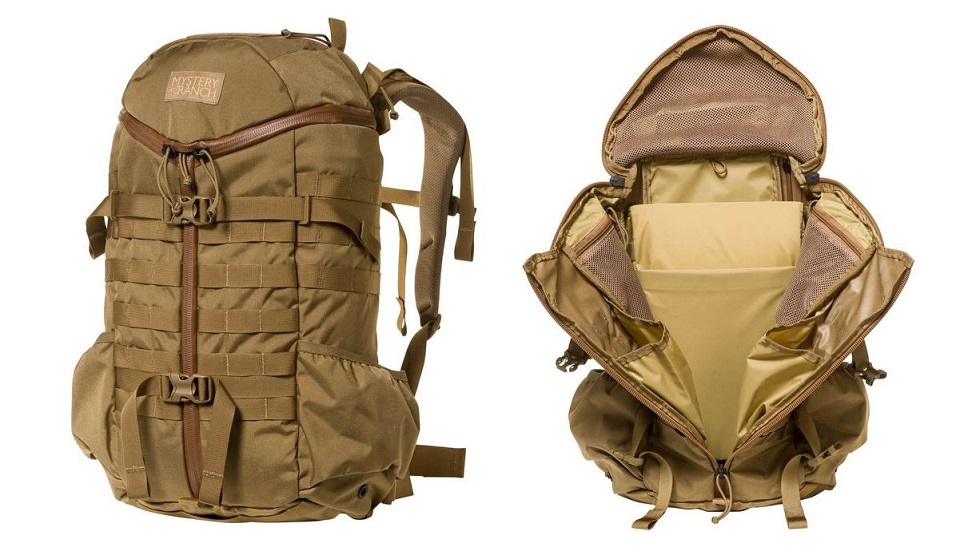
“The Universal” or U-shaped zipper design would fall into this category too, appearing on the Arc’teryx Khard and early medical packs (but we’ve yet to track down the very first example).
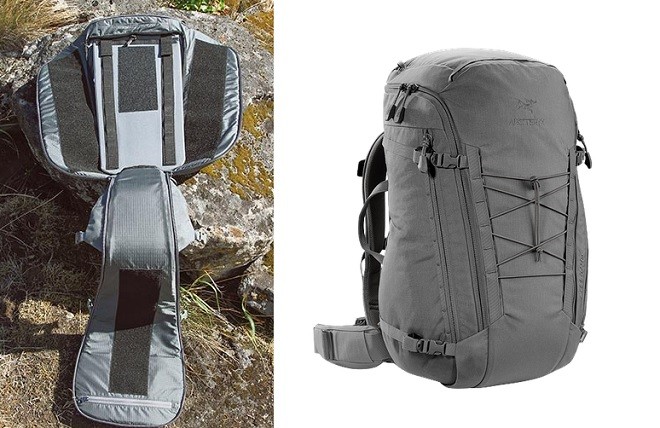
The design was particularly supportive to environments where access time actually mattered. Military personnel under pressure. Wildland firefighters shifting continuously through active terrain. Hunters operating in cold conditions.
Variations of the panel-loader concept have spread across travel packs, camera bags, and technical daypacks – anywhere access speed and organization outweigh the minimal efficiency gains of a traditional top-loader.
8. The Tensioned Mesh / Trampoline Suspension (Early 2000s) – Osprey & Deuter
One of the oldest frustrations in backpack design is also the simplest: heat. A pack pressed directly against the spine traps moisture, turning movement into an inevitable accumulation of sweat, friction, and fatigue.
The solution? Remove contact entirely.
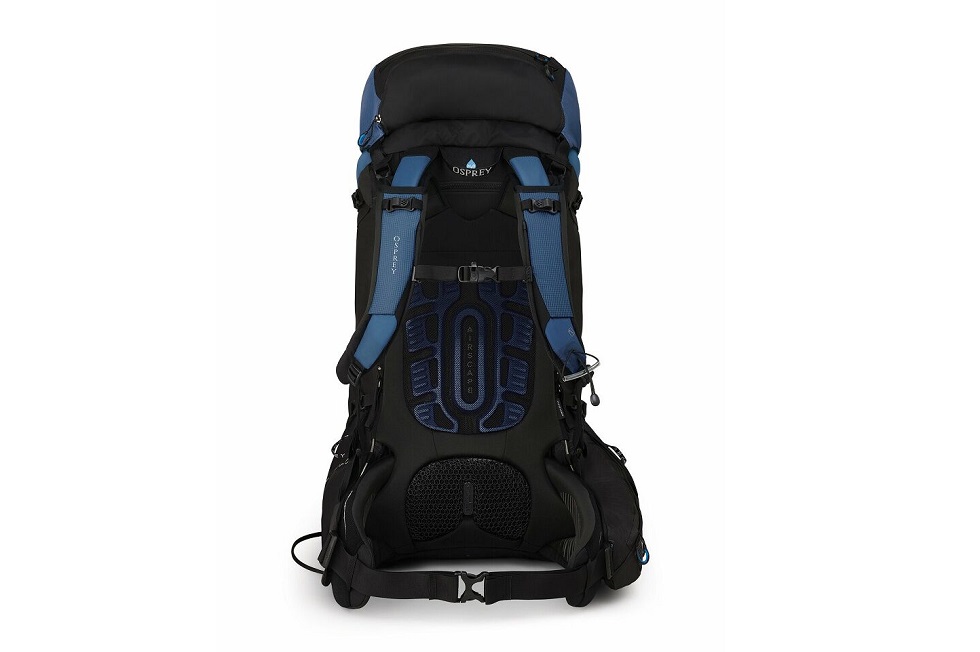
Osprey – founded in 1974 by Mike Pfotenhauer in Santa Cruz, California – pioneered the tensioned mesh back system, often referred to as ‘trampoline suspension’.
Instead of resting on the back, the load was suspended on a peripheral frame, with a taut mesh panel creating an air gap between pack and body. This gap changed everything. Air circulated continuously. Heat had space to escape. Moisture no longer pooled at the point of contact. The pack felt less like it was being worn directly, and more like it was hovering just off the body.
Osprey’s Anti-Gravity (AG) system refined this further by pairing the mesh suspension with a floating hipbelt that moved independently of the pack body, allowing the system to follow the natural motion of the hips rather than resisting it. Deuter’s AirComfort system explored the same principle in parallel.
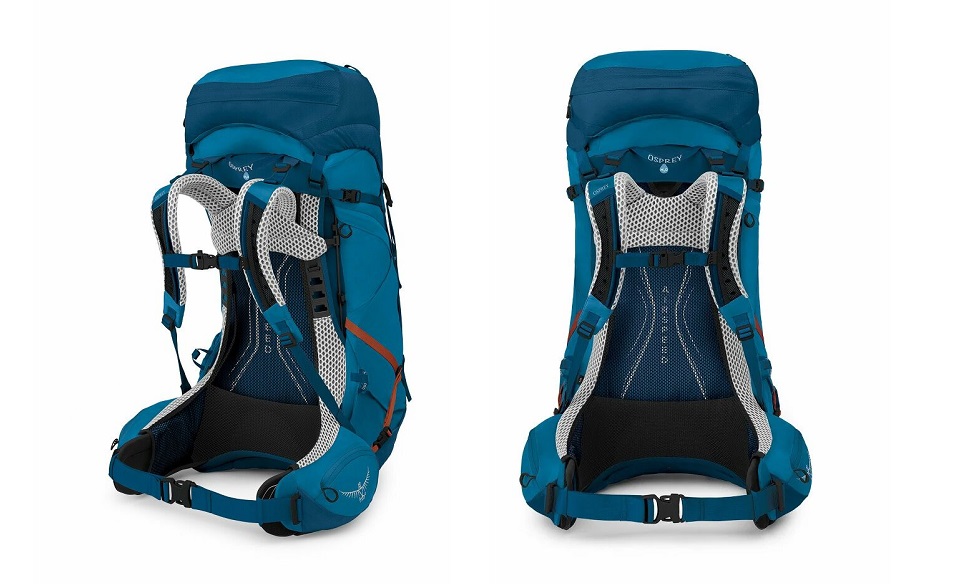
The result was a clear shift in carry experience: packs that felt lighter not because they weighed less, but because they no longer fought the body at the point of contact.
9. The Ergonomic Shoulder Strap (1980s–1990s)
For most of backpack history, shoulder straps were little more than padded tubes: flat, symmetrical, and designed with minimal consideration for how the human upper body actually moved. Shoulders are curved, arms swing, the torso shifts. The strap, for a long time, ignored all of this.
The shift toward anatomical strap design began to change in the 1980s and 1990s. Brands like Osprey, Deuter, and Gregory started shaping straps to follow the body more closely, introducing S-curves, asymmetry, and adjustments that accounted for torso length and load position. Instead of treating the strap as a connector, it became a shaped interface between body and system.
Bergans had already hinted at this philosophy decades earlier, rooted in its founding principle: ‘the sack should be shaped according to the person’s form’. By the late 1990s and early 2000s, this thinking extended further into gender-specific fits, and school packs designed with full ergonomic consideration.
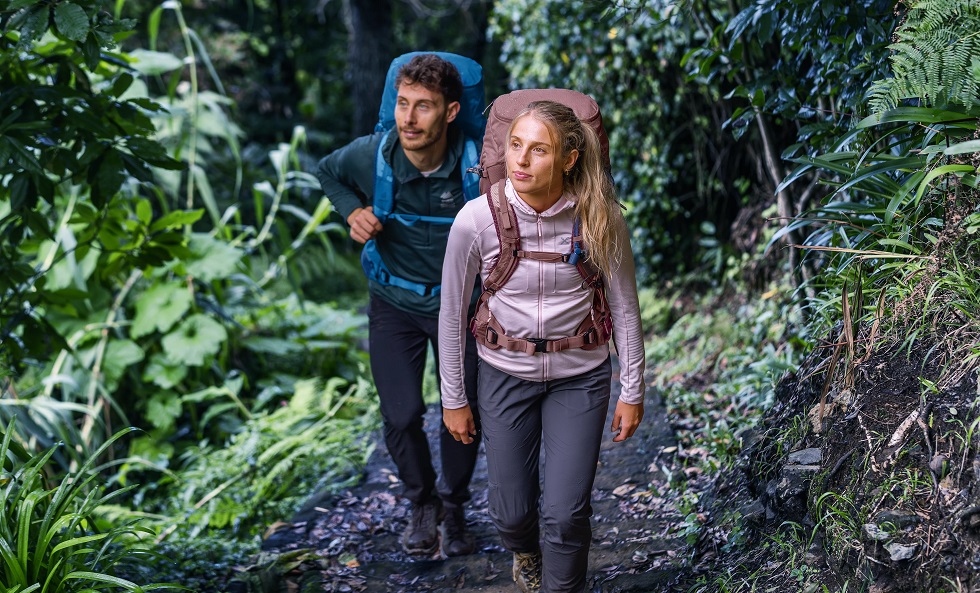
The effect of all this refinement was as subtle as it was crucial. Anatomical straps distribute load more cleanly across the upper body, reducing pressure points around the neck and shoulder, while allowing natural arm movement under load. In practice, they stopped the harness from interrupting motion and started letting it follow it instead.
It was a small shift in geometry, but it took decades to resolve what the body had been telling pack designers all along.
10. The Roll-Top Closure (Popularized 1990s–2000s)
The roll-top closure – the opening of a bag folded over itself and secured with a buckle – is deceptively simple. In truth, it’s ancient: variations of rolled fabric closures were used for centuries by sailors, traders, and fishermen to keep contents dry in unpredictable weather.
Its reappearance in modern backpack design marked a quiet but important shift in weather protection philosophy. Instead of sealing against water with mechanical complexity, the roll-top removed failure points entirely – no zippers to corrode, no teeth to clog, no seams under tension.
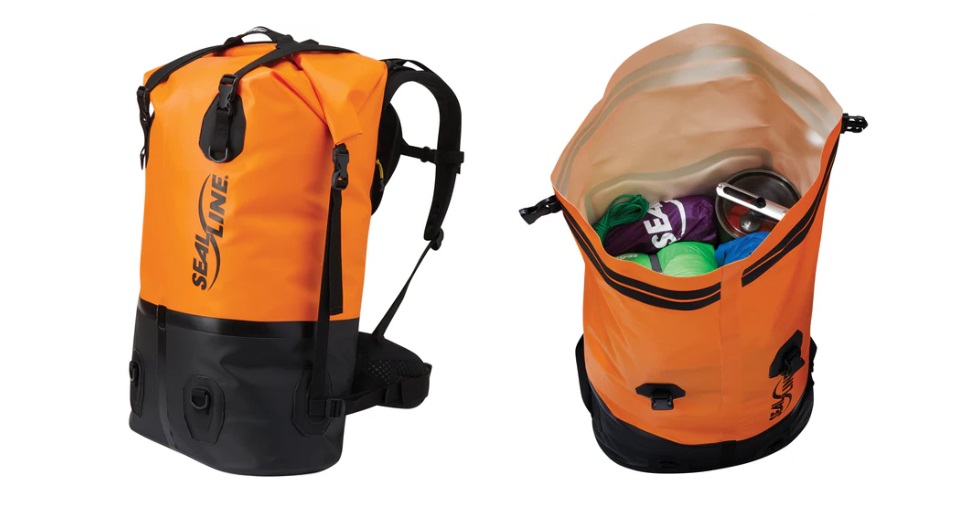
Protection came from geometry rather than hardware: roll the opening down, compress the air, and the seal became tighter with each fold. This also changed volume behaviour. As the top was rolled further, internal capacity decreased, meaning the pack self-adjusted to its load, compacting as it sealed.
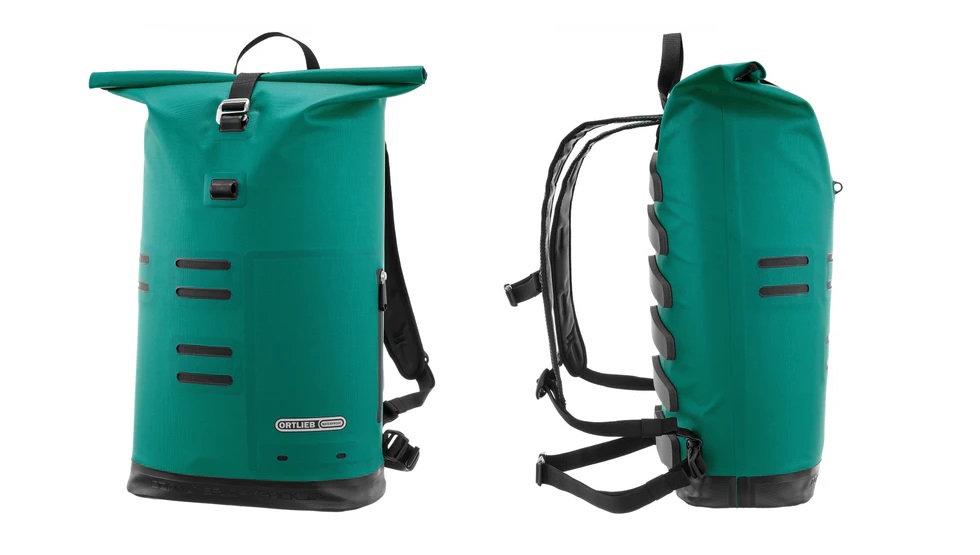
This simplicity made it especially effective in environments where reliability mattered more than convenience: water sports, bikepacking, motorcycle travel, and all-weather commuting. Brands like Ortlieb and SealLine helped establish the rolltop as a standard, later echoed across a wide range of outdoor and urban carry systems.
11. The AquaGuard / Waterproof Zipper (1990s) – YKK
YKK, the Japanese fastening company founded by Tadao Yoshida in Tokyo in 1934, produces a significant share of the world’s zippers. For most of its history, water ingress was a fact of life – zippers were precision gaps by design, and gaps meant water.
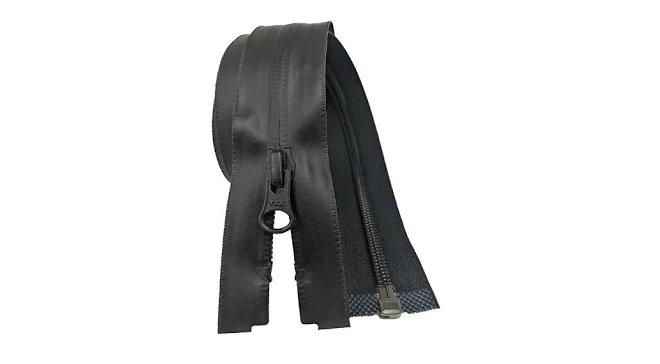
YKK’s AquaGuard changed that by re-engineering the old vulnerability. A polyurethane coating was laminated to the zipper tape, and the geometry of the teeth was tuned to close more tightly under pressure. The result: a zipper that maintained functionality while significantly reducing vulnerability to leaks. Fresher versions pushed even further, moving toward fully sealed ‘dry’ constructions where the teeth themselves were no longer exposed.
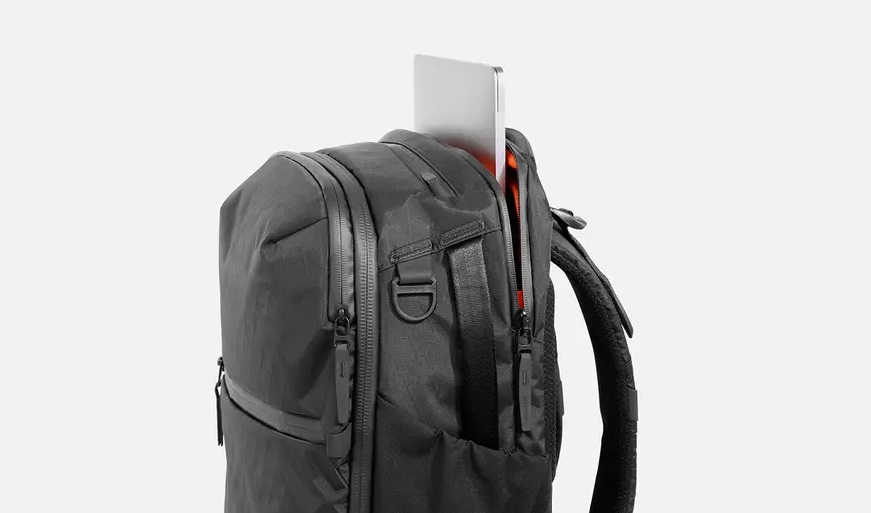
For pack designers, it opened another design path from roll-top systems. Openings were suddenly resilient – pockets, access panels, and full clamshell designs could finally exist in wet conditions without so much as a drip.
12. 3D-Printed and Moulded Back Padding (2020s) – Osprey UNLTD
A pad to fit every back.
For most of backpack history, back padding was a compromise. Foam was cut into a fixed shape, wrapped in fabric, and pressed into service across a vast range of human variations. It worked – broadly – but it never truly fit anyone in particular.
In 2022, Osprey’s UNLTD line introduced 3D-printed lattice back padding. Instead of a solid foam block, the structure was built as an open geometric matrix, allowing zones of varying density to be engineered directly into the pad itself.

The effect was twofold. First, the padding behaved more consistently under load, resisting the ‘bottoming out’ effect of traditional foam. Second, it allowed comfort and support to be distributed with far greater precision – different areas of the back could respond differently within the same structure.
Most notably, it shifted the direction of design altogether. 3D printing opened the possibility of true anatomical specificity – back panels shaped not to averaged size categories, but to individual bodies: this back, this contour, and this load path.
It’s still early in its application to carry systems, but the trajectory is already visible: the pack stops being selected, and starts being matched – not to a rigid category, but to the individual person wearing it.
The Pack That Never Stops Changing.
What makes this arc so compelling isn’t the transformation – it’s the tight cluster of changes that all went down in little over a century.
New thinking, modern necessity, dynamic materials and emerging tech all continue to seed a design lineage that mirrors the broader exponential development of our socio-cultural world.
As innovators keep asking the right questions in pursuit of pack perfection, the design arc stands to remain – just as we’d like it – a discovery without end.










 WAYS TO CARRY