



 Carry Awards
 Insights
 Liking
 Projects
 Interviews
 Carry Candy
 Community and Marketplace

Carry 101

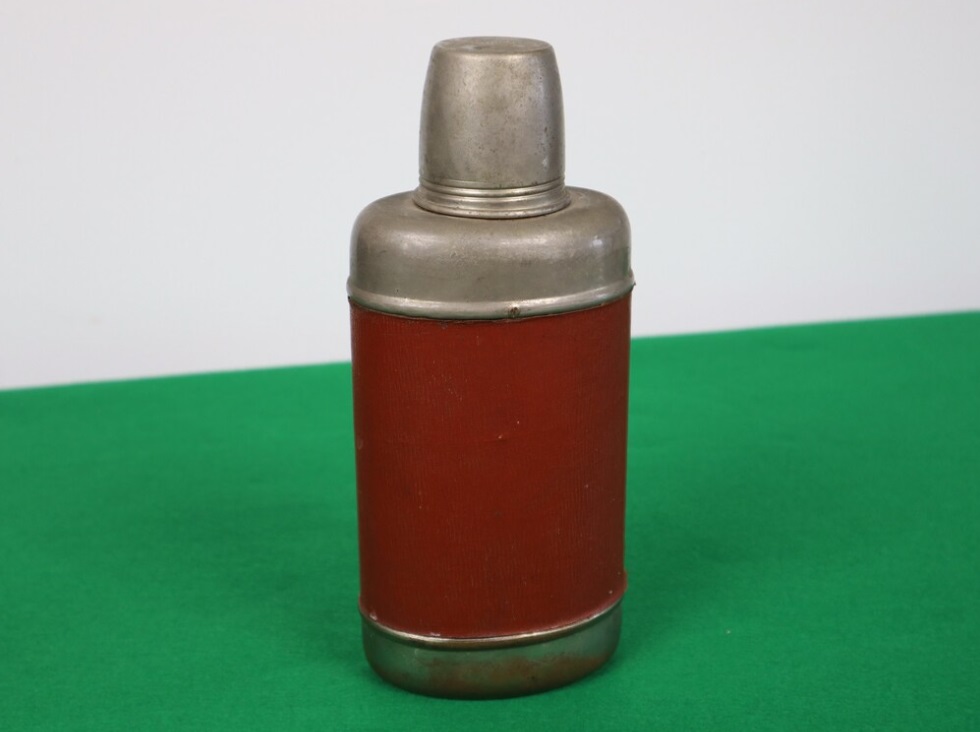
In 1892, Scottish chemist James Dewar built a flask with two glass walls and pumped the air out of the gap between them. He was trying to liquefy gases such as oxygen and hydrogen, and he needed a container that kept heat out long enough to store and study the liquid.
In 1904, Thermos brought the same double-wall vacuum design to everyday drinks. More than a century later, every tumbler on your desk, bottle in your pack and mug at your campsite is chasing the same goal.
From the outside they look alike. Inside the walls, they do very different work. So are all insulated cups and bottles the same? Not by a long shot. So this primer covers what is happening in there, and why those details matter.
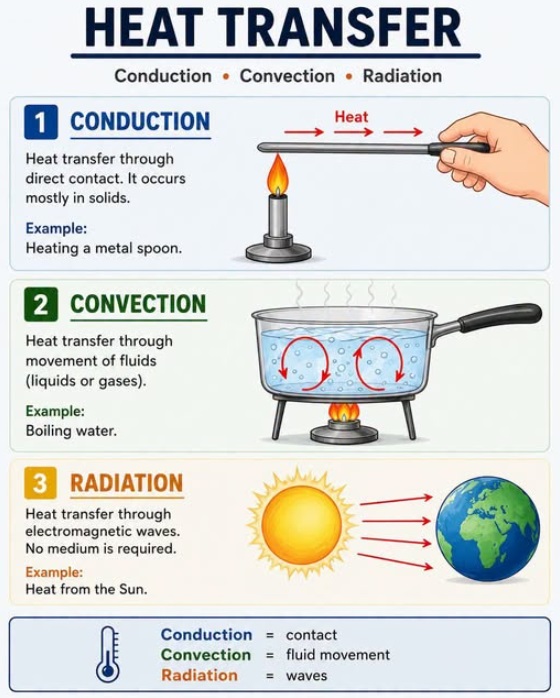
The Three Ways Heat Disperses
Heat has three routes out of a cup. Every piece of insulated drinkware is an answer to one or more of them.
Conduction is heat moving through touch. Grab a hot pan by its metal handle and you know exactly how it works. With a hot drink, heat passes through the wall and into your hand. With a cold drink, heat passes from the room, through the wall and into your drink. Metal is better at this than most materials, which is why a cold drink in a single-wall steel bottle warms within an hour or two.
Convection is heat carried by movement. Warm air rises, cool air sinks, and that churn hauls energy from one place to another. If you trap ordinary air between two walls it starts circulating, carrying heat from the inner wall to the outer one.
Radiation is heat traveling as infrared, with no medium at all. It’s how the sun warms your face across 150 million kilometers of empty space. Every warm object gives it off, including a hot coffee and the metal holding it.
A cup that holds its temperature has to slow all three.
From Single Wall to Vacuum
Walk the drinkware aisle and you will find three constructions.
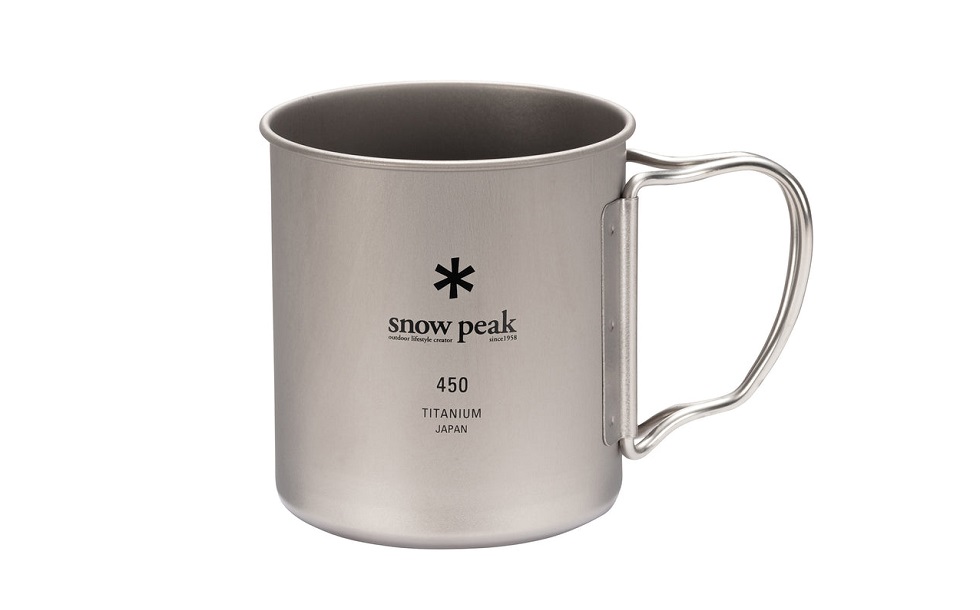
Single wall. One layer of material sits between your drink and the room. Heat takes the direct route. You get a light cup that holds a temperature for a short while, depending on the material. And if it’s metal, like titanium, it can be placed onto a fire and cooked with.
Double wall, air gap. This is two layers with ordinary air trapped between them. Air conducts heat poorly, so this beats a single wall. The air can still circulate and carry some heat across. Some brands like Thermos have measured the cold hold for double-wall bottles at three to six hours. The outside of a cold bottle often feels cool to the touch, and that coolness is heat on the move, flowing in toward your drink.
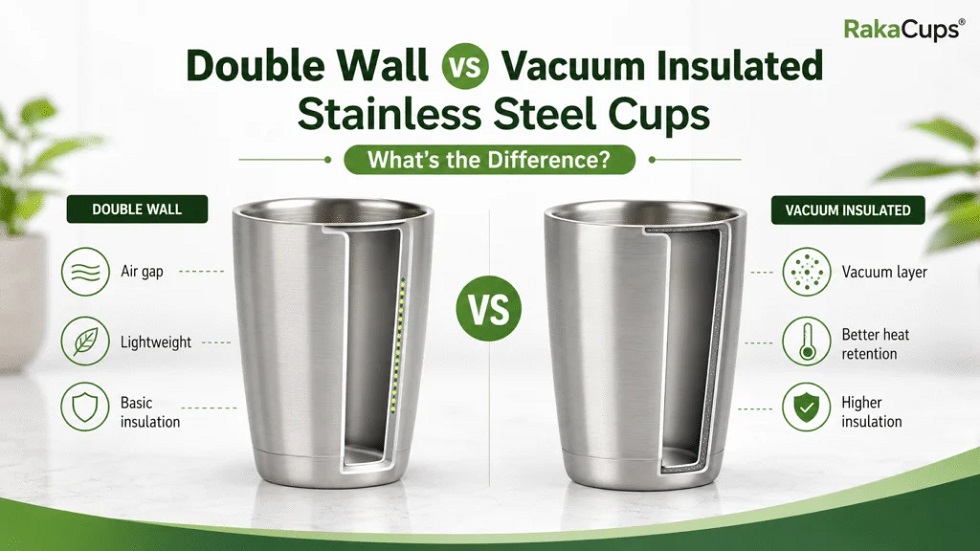
Double wall, vacuum sealed. Same two layers, but the air in the gap is pumped out and the gap is sealed. With almost nothing left to carry heat, conduction and convection across the gap fall away. Brands claim up to 24 hours cold and 12 hours hot in lab testing, and state a vacuum bottle typically keeps drinks cold four to six times longer than an air-gap one.
But How About the Metal?
For insulation, the metal matters very little. It’s the vacuum that does the work. The metal brings strength, weight, and whatever touches your lips. Steel and titanium both conduct heat poorly next to copper or aluminum, which helps slow the small amount of heat that crosses at the rim.
Stainless steel. Most drinkware uses 18/8 stainless, which is usually 18% chromium and 8% nickel. The chromium forms a thin oxide skin that resists rust, even with acidic drinks like coffee and juice. Some drinkers report a faint metallic edge from stainless steel, particularly with acidic drinks.
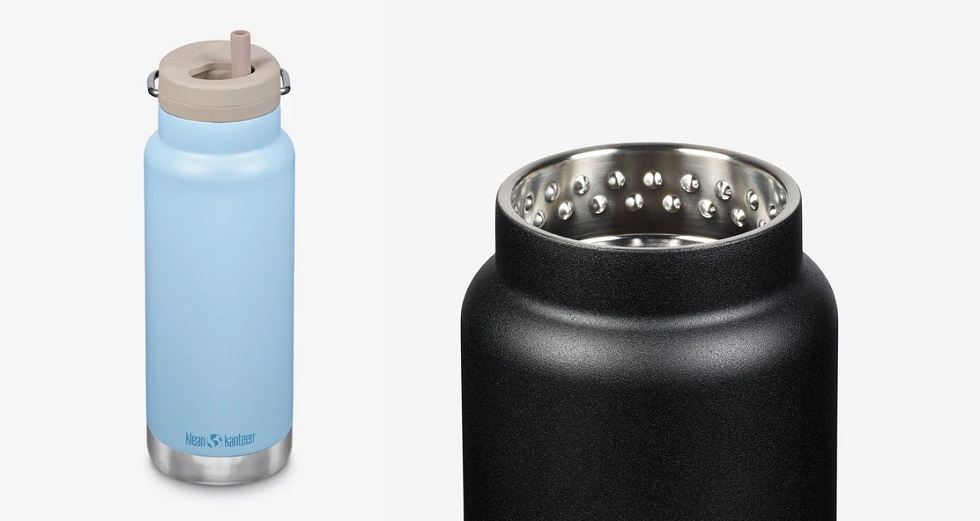
Copper. Copper rarely forms the cup itself. It shows up as a thin coating on the surface inside the air gap.
Remember the sun warming your face across empty space? Radiation needs no air, so a vacuum doesn’t really slow it down. Heat from your coffee still beams across the gap as infrared and warms the outer wall. Copper is shiny, and shiny surfaces bounce infrared back instead of soaking it up.
Picture the silver foil blanket handed to runners at the end of a marathon. It keeps them warm by reflecting their own heat back at them. The copper layer does the same job inside your bottle. Heat from a hot drink hits the copper and gets sent back toward the drink. With a cold drink, the copper turns away warmth radiating in from the room.
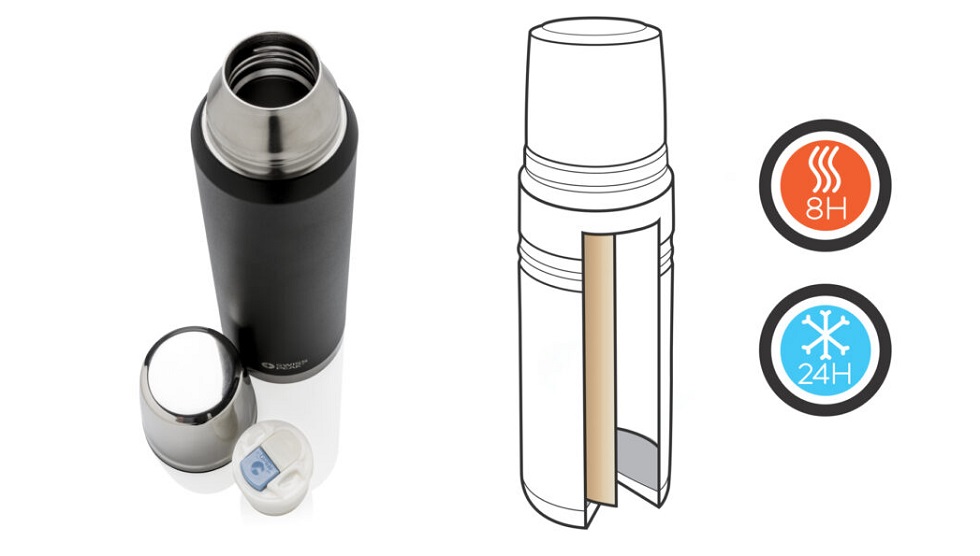
Copper is also a very good conductor, which sounds like the wrong trait for insulation. Inside a vacuum there is nothing for it to conduct into, so the coating only has to reflect. Some makers use other reflective finishes, but these cannot be seen once the bottle is sealed, so check the spec sheet and labels for information.
Titanium. It’s non-reactive and it will not rust, leach chemicals, or add flavor. Most people find it the cleanest-tasting metal. Titanium pieces can be 40% lighter than stainless steel, and the metal is strong, resists corrosion, and flexes before it snaps. For anyone counting grams on a long trail, or after the most premium option, titanium (Ti on the periodic table) is the choice of many. The trade-off is cost; it’s a lot more difficult to produce.
The Lid
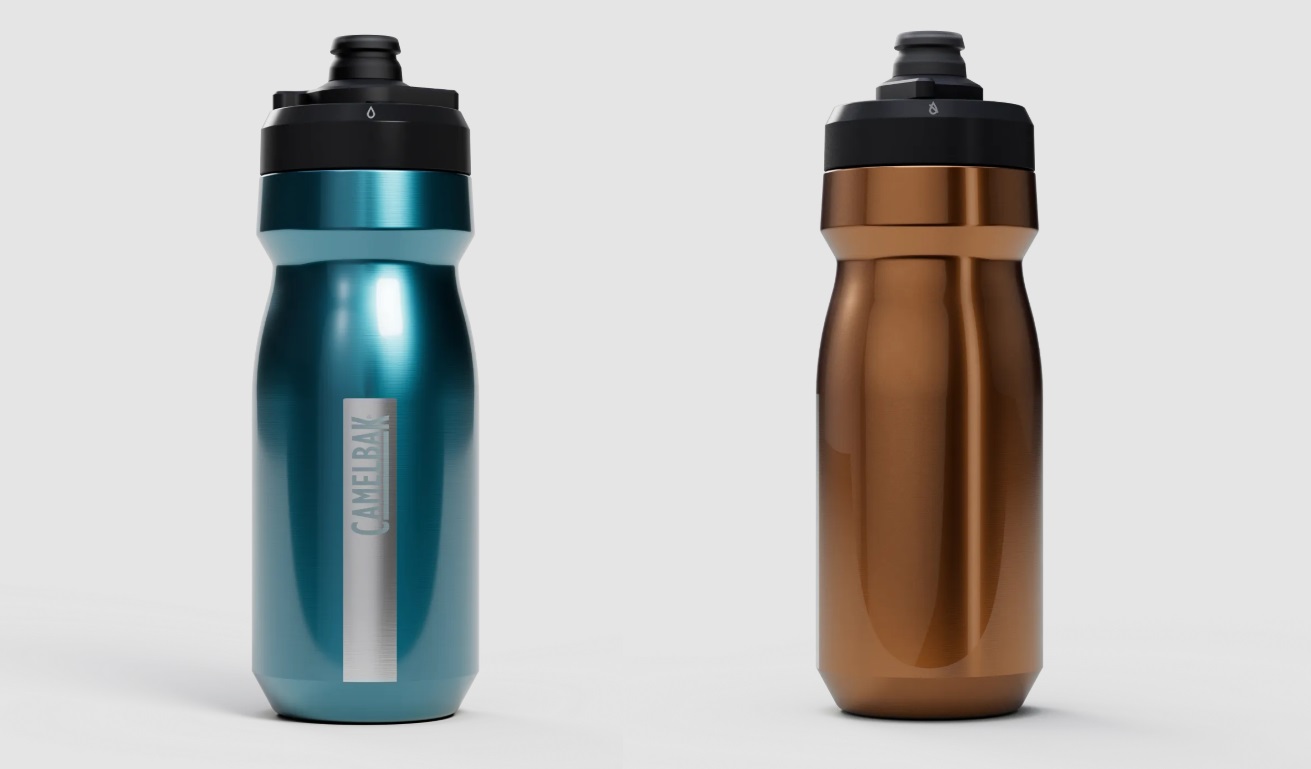
A bottle can have a perfect vacuum and still lose its temperature through the top. The lid is the second big variable in real-world performance, after the vacuum itself.
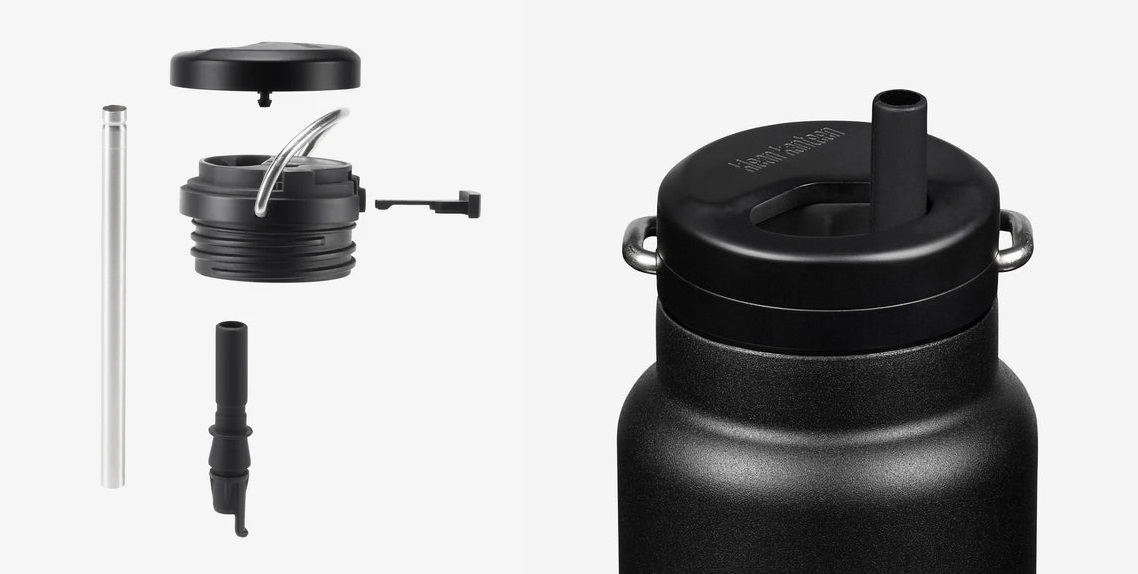
Heat leaves through the lid material, through the seal around it, and through the rim where the two walls join. A lid with thick walls, a snug gasket, and few openings holds temperature longer than a thin lid with a wide drinking spout. Open spouts and straws trade some insulation for convenience, and that trade is worth making for a commuter cup that you sip all day.





Michael Knispel
Editor-In-Chief
Mike’s our editor-in-chief, storyteller, and master traveler. He’s been at the helm for over a decade, spearheading our stories, partnerships, and brand at large.



 WAYS TO CARRY