



 Carry Awards
 Insights
 Liking
 Projects
 Interviews
 Carry Candy
 Community and Marketplace
Insights
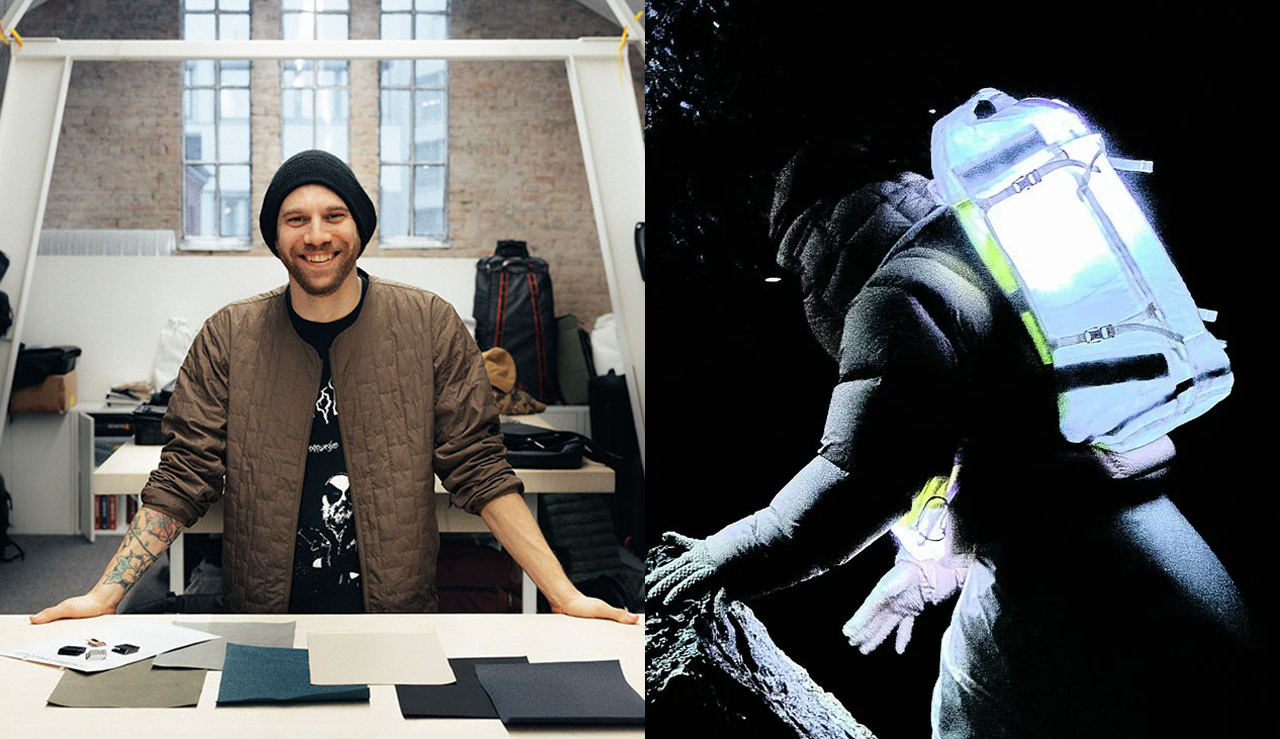
There’s this idea that designers are all-knowing masters of problem-solving. The truth is better – we’re forever students, curious people trying to figure things out. Failure isn’t the enemy. It’s the teacher. Fail fast, fail often. Learn by falling forward. Some of our best ideas reveal themselves after something didn’t work. That’s the fun of what we do.
Stepping outside your routine is where inspiration begins. Travel, see how people live, move, carry their things, and themselves. A to B is different for everyone. At Db we believe, “when we go out into the world, we come back better people.” Every trip resets your brain. Exploration is a mindset.
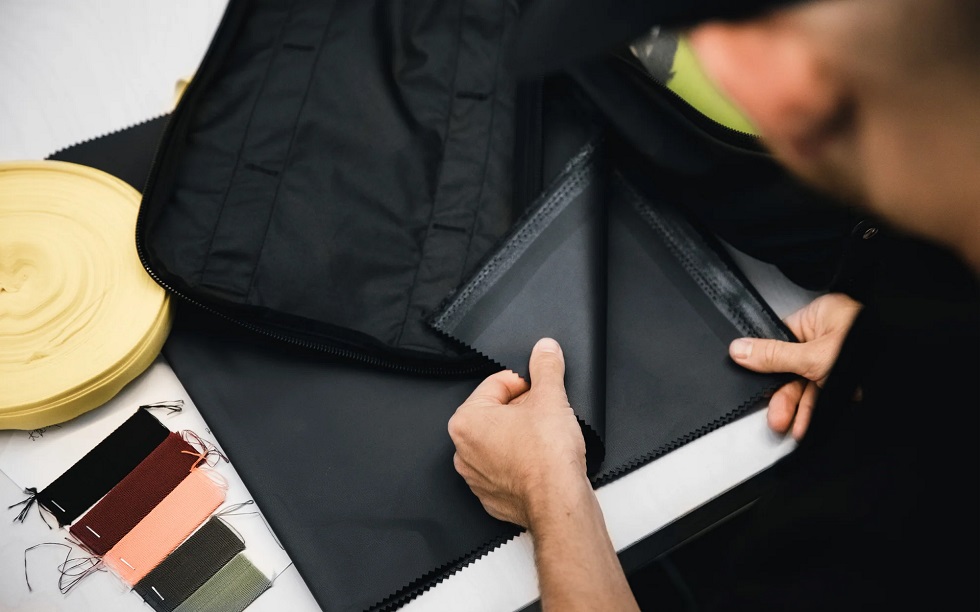
Learn Who to Design For
Learn who to design for – especially in a new category or activity. Immerse yourself. Being naive is a kind of superpower. When you’re not weighed down by how it’s ‘supposed to be done,’ you stay open. The work gets sharper when you’re humble enough to admit you don’t know enough yet. Curiosity is the only credential that really matters.
Observation turns curiosity into insight. Some of our most useful ideas come from watching people hack their gear in the wild; the small, unspoken things: webbing straps tied in a weird way, a towel stuffed in a surf bag, a zipper pulled from the wrong side. The smartest features come from these improvised moments – design born from real behavior.
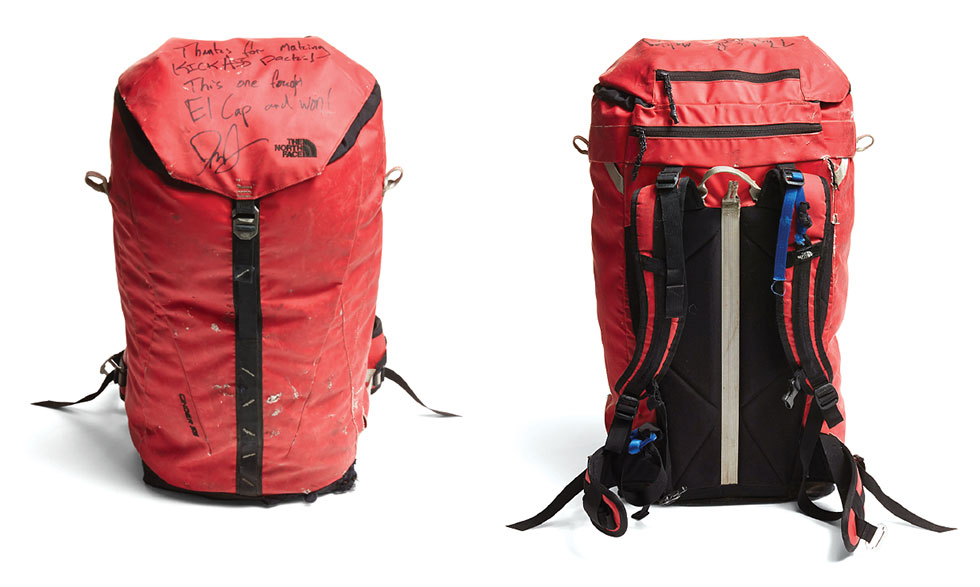
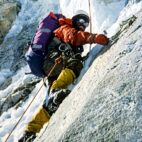
As a non-climber researching my first project at The North Face, watching pros finish long routes — hands tattered, chalked, gripped — led to one simple insight: if climbers can barely use their tired fingers at the end of the day, the bag needed to close itself. That led to the Cinder’s garbage bag-style cinch-skirt closure: one large handle, a single self-closing motion, easy to use with gross motor skills. The silhouette was the trash can: flips open, stands upright, ready for loading.
Some of the best insights come when you stop trying to be clever and just watch how people actually use things, how they hack them, and what they improvise. Those small, human behaviors are the real design cues that turn into features. That mindset stuck with me — it carried me from The North Face, leading the Technical Equipment Design team, to Db in Norway. Not because I had all the answers, but because I wanted to keep learning from people who did.
From Insight to Form
Design isn’t linear. It’s a fun, messy process. Anyone who says otherwise hasn’t spent an afternoon duct-taping pizza boxes together. It truly is sketching on napkins, cutting, stapling, sewing mockups, ripping them apart, trying again. Mockups tell the truth. They show if something feels off or if you’ve unlocked something.
Process changes with the problem you’re trying to solve. Designing tents meant building full-scale mockups on pegboards or sketching in VR to understand internal space. At Chrome Industries, we patterned prototypes by hand, experimenting with Rhino to model and flatten shapes before tools like CLO even existed. Tools aren’t the process, they’re the lens to see the idea faster.
Sketching is the core. Quick, dirty, fast. A way to dump ideas before they crystallize into something precious. It’s about thinking with your hands. Once you have that spark, then make that hot sketch.
Embracing Absurdity
Absurdity leads to new ideas. Like improv, sometimes the dumbest idea turns out to be the best one. At Db we joked about making the world’s most technical pizza bag for bike delivery. That playful project wasn’t just a gimmick — it reminded us that experimentation is the best R+D. It was an excuse to use our technologies in new ways, unlocking ideas for future projects — and yeah, probably creating the most expensive pizza bag ever made. Levity gives you permission to play, to explore without pressure.
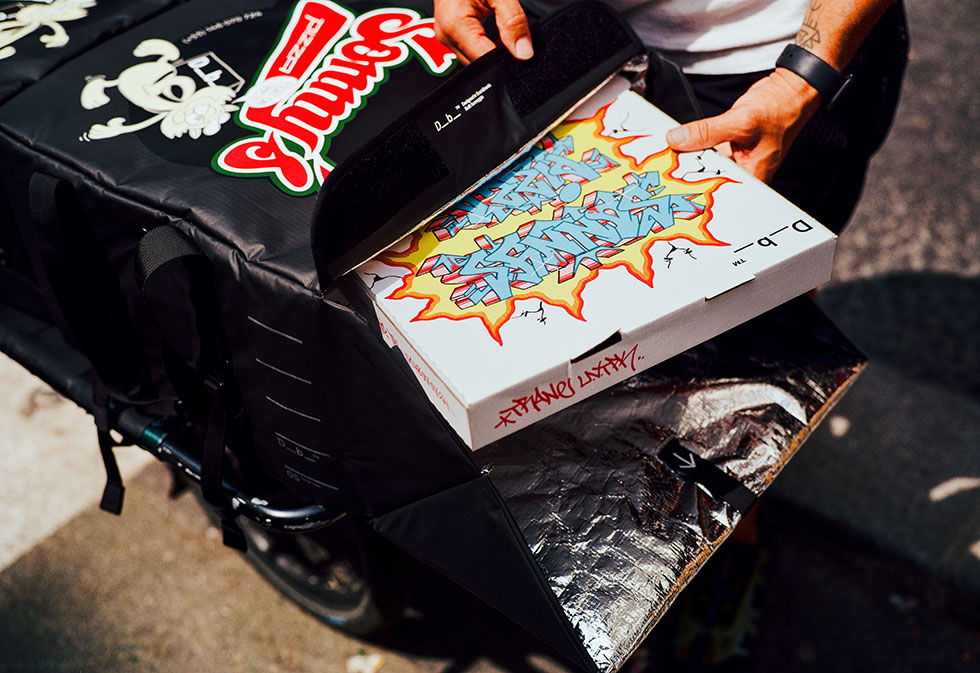
Exploring at Db
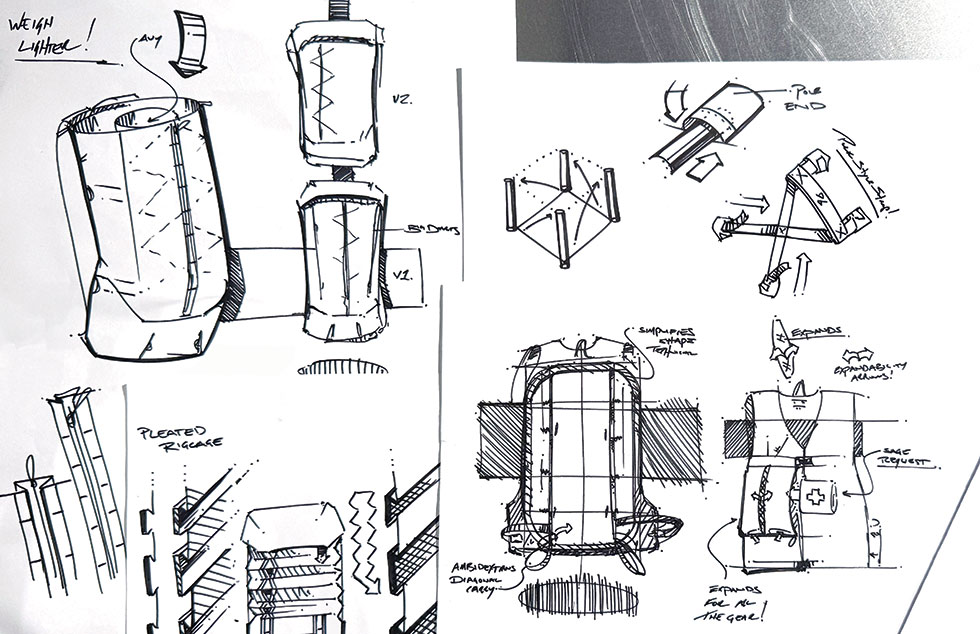
Landing at Db in Norway was a full-circle moment. I’d spent years working around the length-adjustable Snow Roller patent, and suddenly I got to build with it instead of around it. That freedom to embrace the tools I used to avoid opened the door to projects like Weigh Lighter™. A pun turned concept: make something way lighter than anything we’d made before.
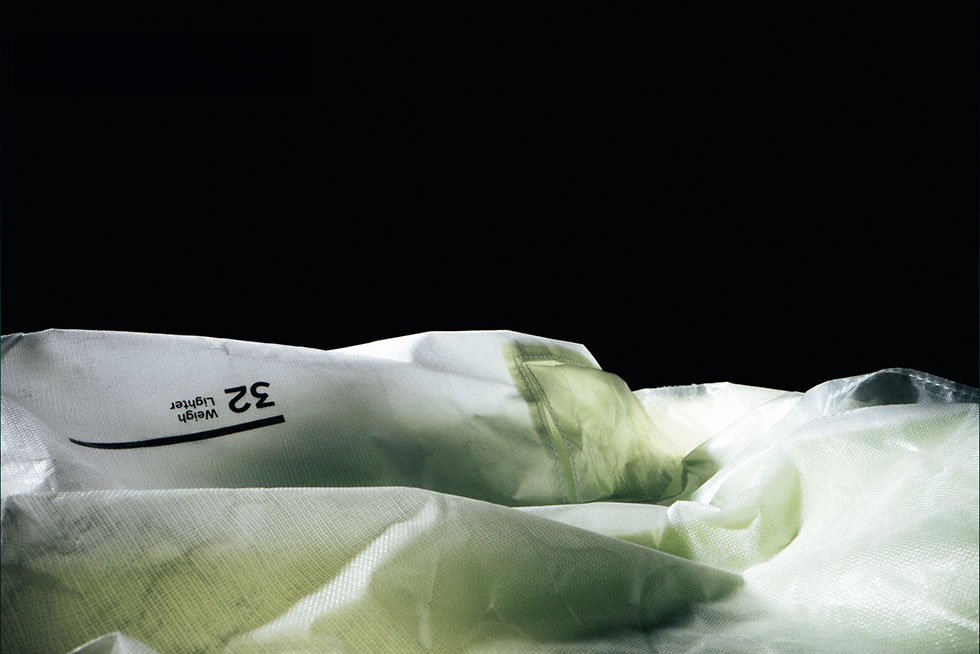
Weigh Lighter became a platform to reinterpret our technologies and design language through an ultralight lens. We explored new materials, discovering construction methods with ALUULA composites that pushed how we design and build. The goal was to make products like our Snow Roller and Split Duffel as light, strong, and compressible as possible. The strength and weight of the translucent material lent itself to exposing structural design elements normally hidden by traditional fabric, revealing new ways to build. So instead of disguising our patented Rib Cage™ construction, we made it the defining visual element. The concept became about honesty — letting the build speak for itself. Sometimes the material tells you what the design wants to be.
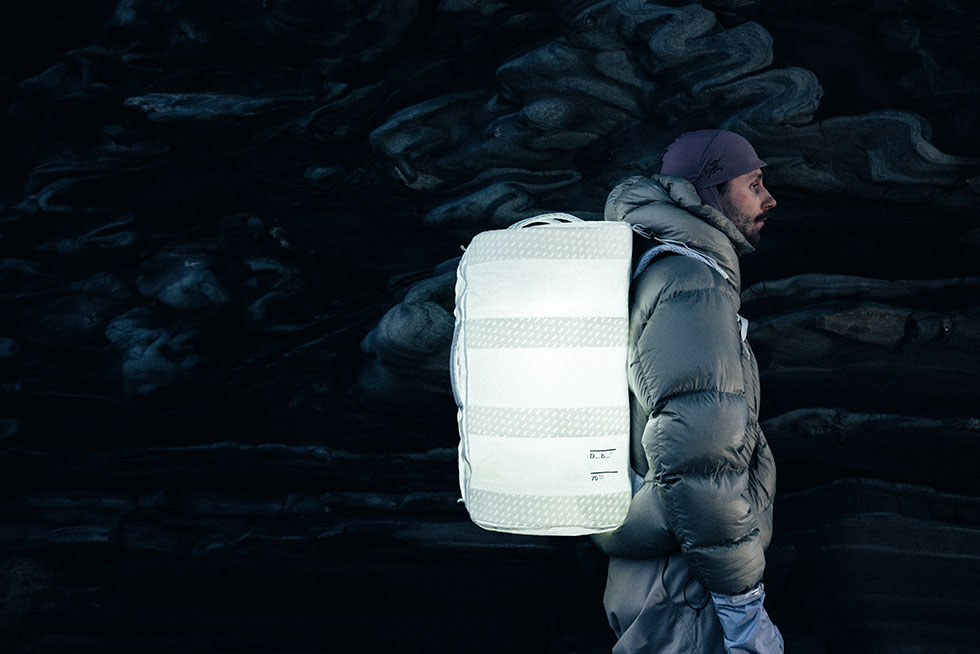
Playful Defiance
Irreverence keeps things honest. Our job is to color outside the lines. To ask the oddly specific questions no one else would, and push back when the answers don’t make sense. Design can get serious fast. When you lose that playful defiance, the work starts to feel safe — and safe design rarely moves anyone.
You observe, learn, make, break, repeat. The fun’s in the chase, not the finish. There’s nothing like holding the finished work in your hands, even if there’s always something you’d change. That’s how you know you’ve learned something.
Hunter Nordhauser is a Senior Designer at D_b_™. Find him at: www.nordhauser.com; LinkedIn



 WAYS TO CARRY