



 Carry Awards
 Insights
 Liking
 Projects
 Interviews
 Carry Candy
 Community and Marketplace
8 Brands to Watch in 2026
The carry and fashion worlds are currently defined by high-velocity flux. We are witnessing an unprecedented collision of universes: high fashion is vigorously co-opting alpine technology, heritage outdoor brands are being absorbed by lifestyle juggernauts, and obscure subcultures are setting global design tempos.
But within this chaos lies immense opportunity. To anticipate the landscape of 2026, we need to look past cycles and identify the brands that are shaping up to something significant. We are tracking the seismic shifts in ownership, design philosophy, and material innovation that signal real potential. These companies aren’t just participating in the current zeitgeist; they are positioned to actively bend it to their will.
Based on recent bold moves, design breakthroughs, market trajectories, and what we can likely call a hunch, these eight brands are sitting on interesting potential.
Nomaka
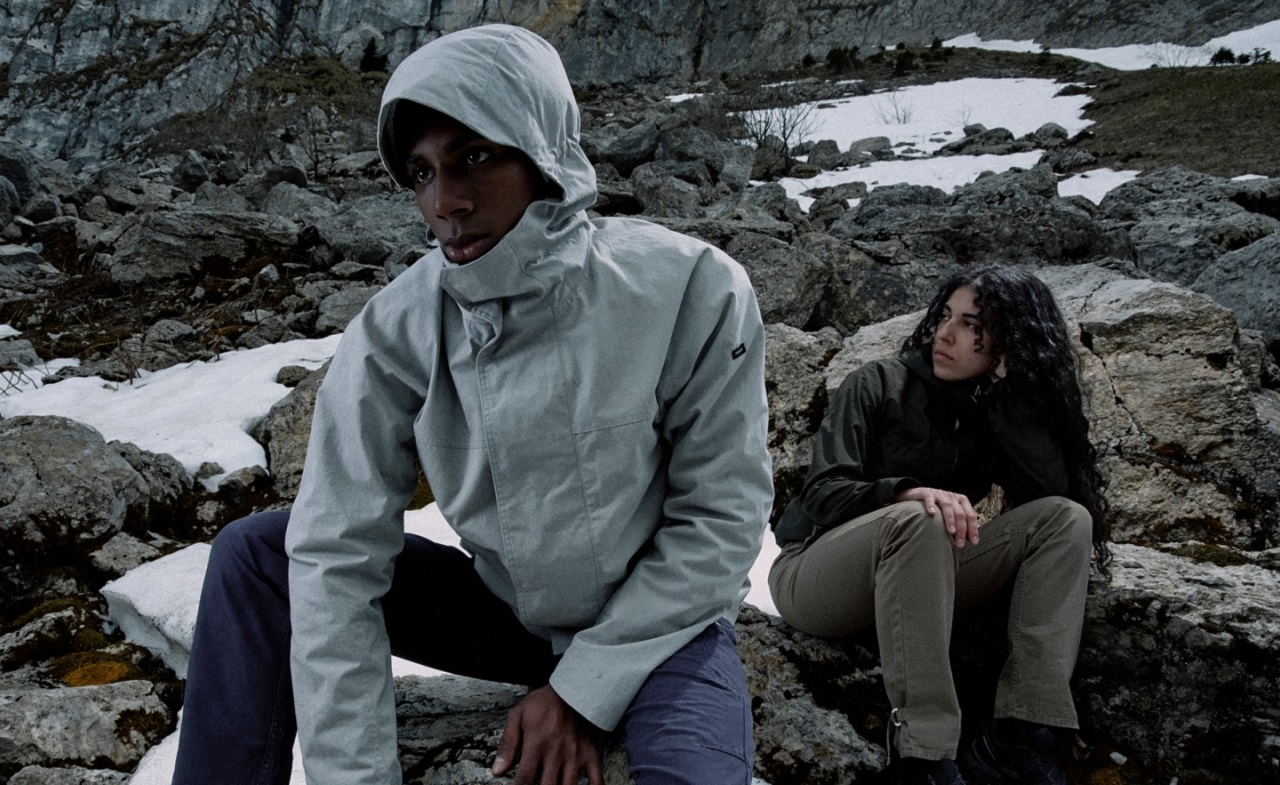
In the crowded field of technical outerwear, “Swiss-engineered” carries immense weight. It implies a level of precision usually reserved for high horology, and that is precisely the ethos Nomaka is applying to alpine-grade apparel. This isn’t about loud logos or trend-chasing colorways; it is about a severe, architectural approach to performance.
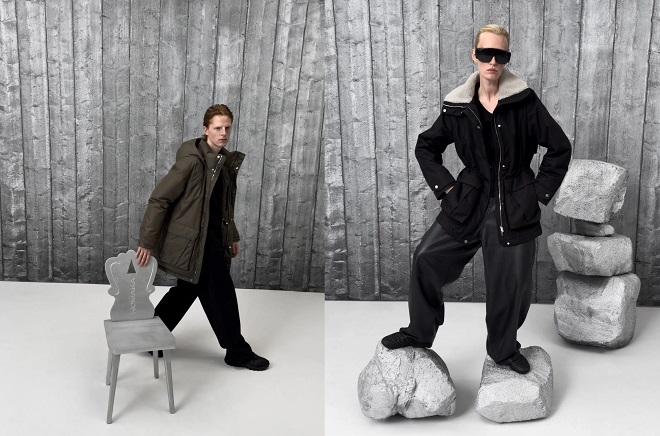
Nomaka exists at the sophisticated intersection where serious mountain utility meets urban refinement. They are tackling the industry’s hardest challenge without compromise: utilizing elite-tier, non-porous membranes like Dermizax for absolute waterproof breathability while adhering to a strict PFC-free sustainability mandate. Their aesthetic—clean lines, tailored silhouettes, and an almost obsessive focus on the tactile experience of the fabric—solves the “gear deficit” for the design-conscious professional. You could wear their jackets in a blizzard at 3,000 meters or to a client meeting in Zurich, and look equally appropriate in both.
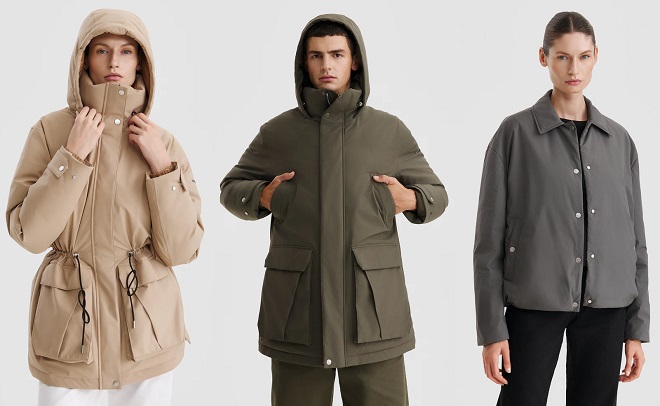
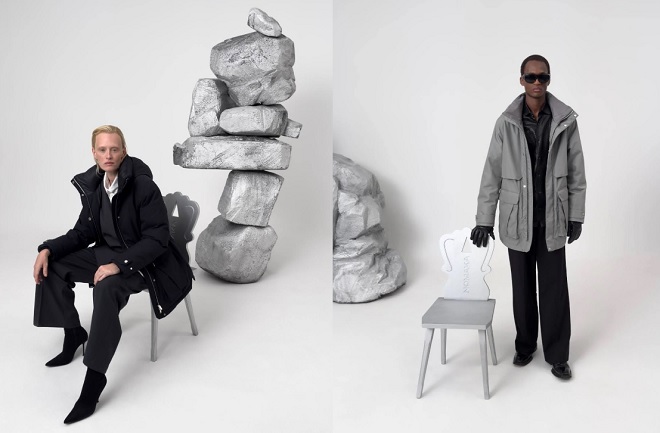
Their recent moves into physical retail spaces and confident FW25 campaigning signal a brand ready for the global stage. By 2026, expect Nomaka to be setting the standard for “quiet technical luxury.”
Db Journey
If you still think of Db as merely “that ski bag company,” you need to update your dossier. The Scandinavian outfit is currently executing a masterclass in brand evolution, aggressively expanding beyond the piste into the high-energy territories of travel, skate, and surf. Crucially, this isn’t a clumsy corporate pivot; they are culturally nailing the vibrant, youthful dynamism required to play in these spaces authentically.
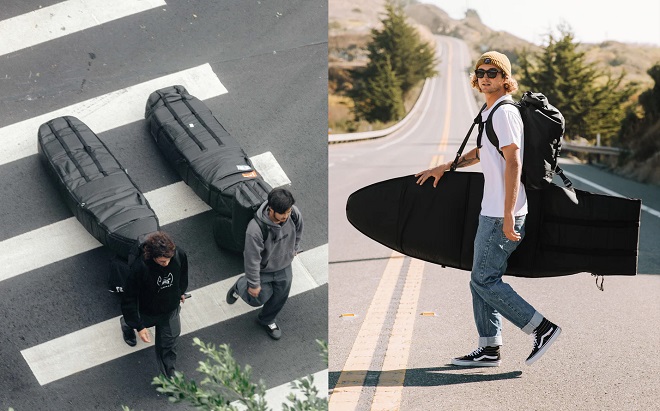
This ambitious broadening of scope is backed by serious firepower, thanks to recent capital injections from Manchester City’s Erling Haaland and LVMH.
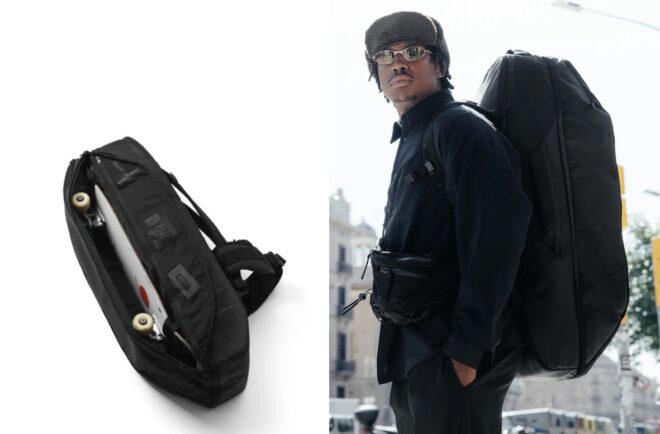
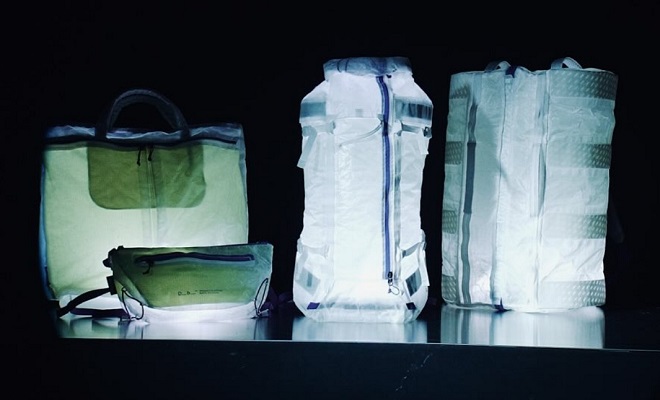
This new war chest is fueling both technical innovation—seen in their adoption of ultra-light ALUULA composites—quality collaborations, and deeper content and community integration. Their “Creative Exchange” events are evidence of the latter: lively, thought-provoking gatherings focused on real-life skill-sharing and connection rather than just digital spam. By balancing elite product development with genuine cultural community building, Db is rapidly maturing into a cross-cultural powerhouse, proving their sleek design DNA is uniquely capable of spanning everything from high-alpine snow to high-energy street and surf.
YETI
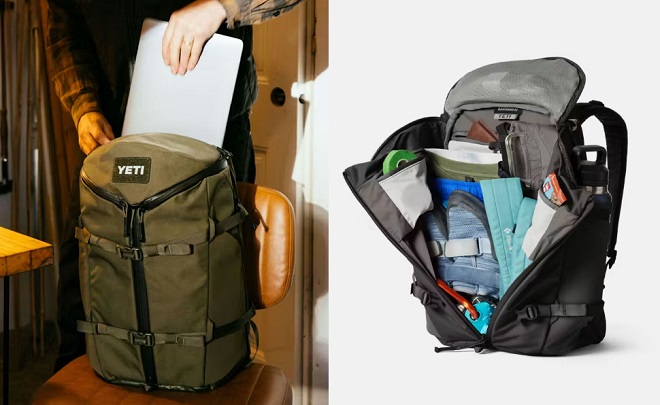
This is arguably the most dominant M&A story in the carry world over the last five years. When Austin-based giant YETI acquired Bozeman’s legendary Mystery Ranch in early 2024, it sent shockwaves through the industry. It was the collision of two distinct cultures: YETI’s mastery of mass-market branding and overbuilt rotation-molded plastic, meets Mystery Ranch’s obsessive, military-grade approach to load-bearing dynamics.
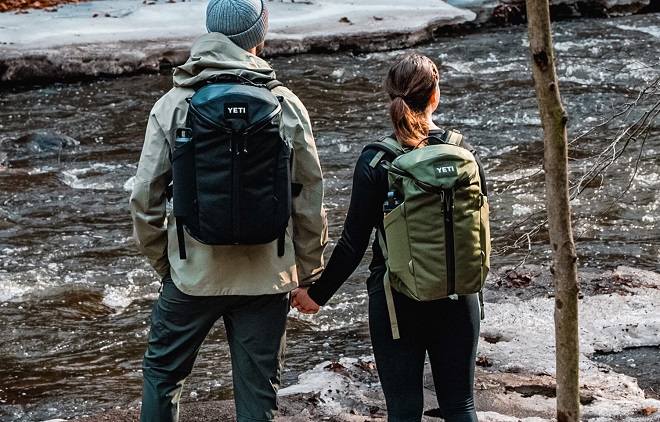
The question for 2026 is no longer if they will integrate, but how. We are already seeing the initial fruits, with YETI’s newer softgoods subtly incorporating MR’s signature cues and access DNA. So will 2026 show YETI further diluting the Ranch’s tactical purity for mass consumption? Or will we see something vastly more exciting? YETI’s formidable supply chain and R&D budget could turbocharge Mystery Ranch’s designs, bringing elite-level carry to a vastly wider audience without sacrificing quality. 2026 will be the year we see the full maturation of this potent hybrid.
Unfeigned
If “gorpcore” was the loud, explosive beginning of technical fabrics entering everyday life, Unfeigned Gear represents its sophisticated maturation. Based in Madrid but utilizing high-grade manufacturing in Portugal, this family-owned label is defining the new sartorial standard for the urban professional who refuses to sacrifice comfort for decorum.
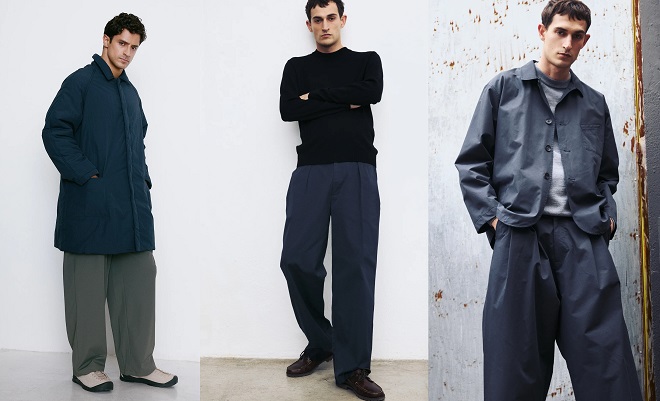
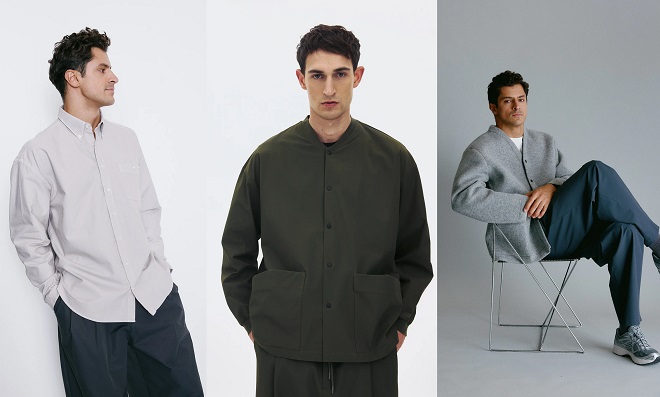
Unfeigned’s genius lies in their restraint. They take foundational menswear silhouettes—the crisp button-down, the tailored chino, the unstructured blazer—and rebuild them from the fiber up with advanced technical specifications. We are talking about recycled nylons, Italian four-way stretch fabrics, and durable water-repellent treatments hiding in plain sight beneath sharp, contemporary tailoring. This is stealth performance at its finest. As the market swings away from overt athleisure toward a smarter, more pulled-together aesthetic by 2026, Unfeigned is perfectly positioned as the uniform for the modern man who needs his clothing to handle a rainy commute, a boardroom presentation, and dining out, all without looking like he’s gearing up for a summit bid.
Mover Sportswear
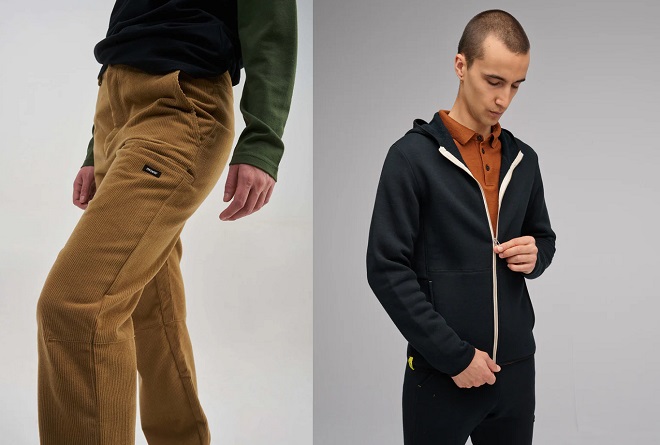
As the outdoor industry faces an existential reckoning over PFAS “forever chemicals” and microplastic shedding, Mover Sportswear is pioneering the high-performance alternative. This Swiss brand is waging an expensive, engineered war against synthetics.
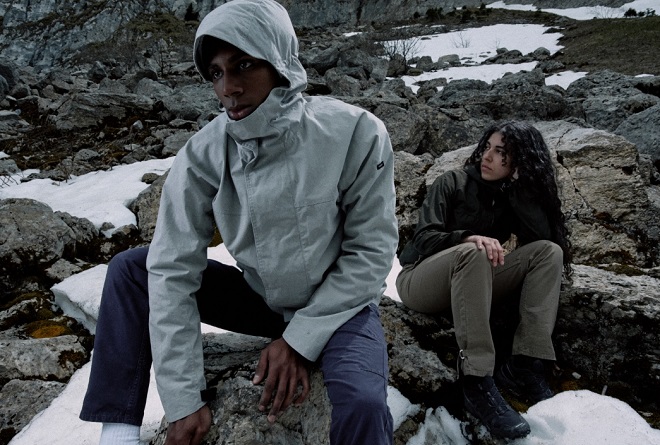
Their philosophy is radical in its traditionalism: pushing natural fibers like high-density woven cotton, merino wool, and alpaca to their absolute technical limits to replace Gore-Tex and polyester fleece. This isn’t crunchy, hippie-hiker gear; it is precision-tailored, highly European alpinist apparel that happens to be plastic-free. Mover is betting that the influential consumer of 2026 will demand performance gear that doesn’t poison the environment it’s meant to be enjoyed in. It is the ultimate “stealth wealth” approach to the outdoors—quiet, incredibly expensive, and materially superior to almost anything else on the mountain.
The North Face
How does a global behemoth maintain its cool factor while selling millions of fleeces in suburban malls? By executing the most impressive run of collaborations in the industry. Over the past 24 months, The North Face has perfectly straddled disparate worlds, partnering with everyone from high-fashion houses like Gucci and CDG to streetwear stalwarts like Supreme and artistic outliers like KAWS.
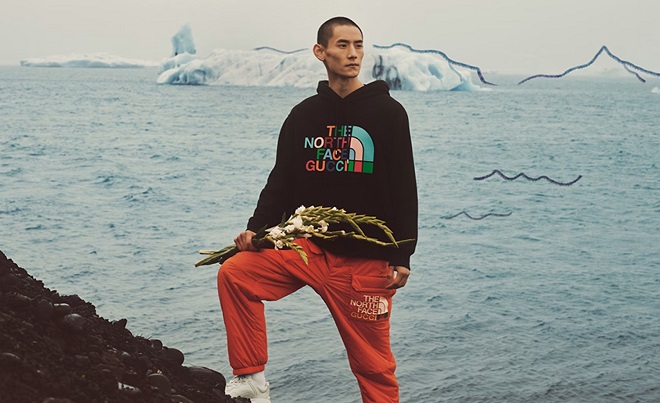
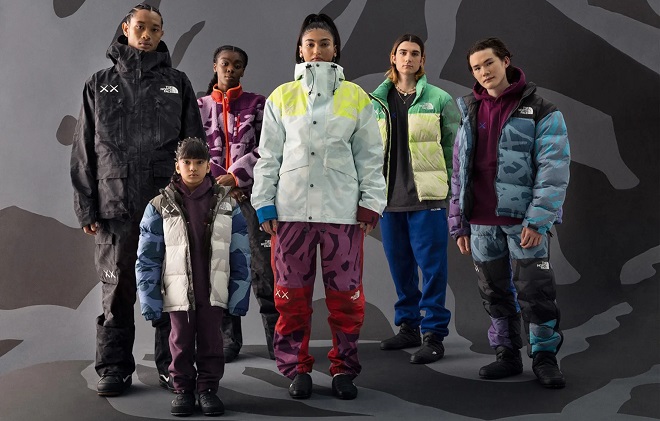
These partnerships serve a vital purpose: they generate massive cultural heat that reframes the entire brand. This “halo effect” might just drive attention back to more creativity, and ambition when it comes to their in-line ranges – and I’m totally here to see the Half Dome logo appear as a symbol of both peak cultural relevance and a global brand that can nail daily performance too.
KEEN
The pivot of the decade? Five years ago, suggesting KEEN as a streetwear “brand to watch” would have been laughable. They were the purveyors of bulbous, pragmatic toe-protection for dads who kayak. Today, they are accidental icons of the urban outdoor movement.
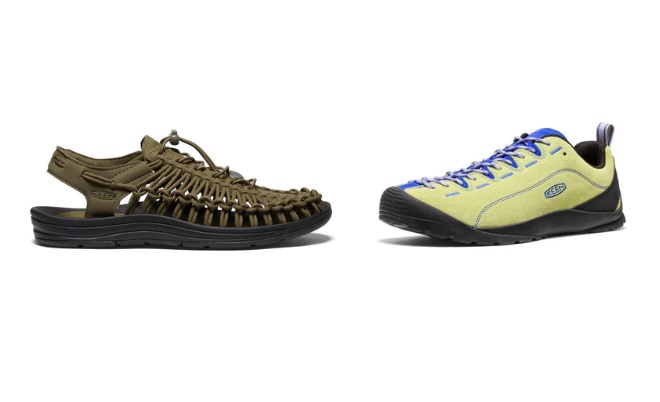
The adoption of models like the Jasper and the woven Uneek by Japanese trendsetters and global fashion-forward crowds has fundamentally altered the brand’s trajectory. KEEN has been smart enough to lean into this “ugly-cool” momentum without abandoning their core tenets of sustainability and comfort. They are walking a fascinating tightrope: maintaining credibility with the crunchy, hiking crowd while simultaneously dropping collaborations that get snapped up on Hypebeast.
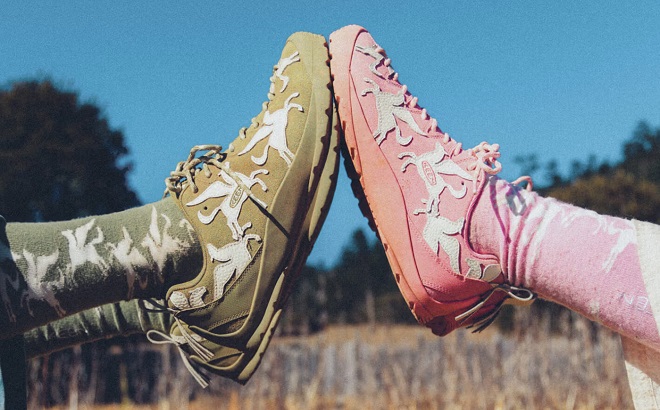
The next two years will determine if this is a fleeting trend or a permanent brand repositioning. If KEEN can continue to translate their rugged, comfortable ethos into silhouettes that resonate with modern street style, they will possess a unique, democratized corner of the market.
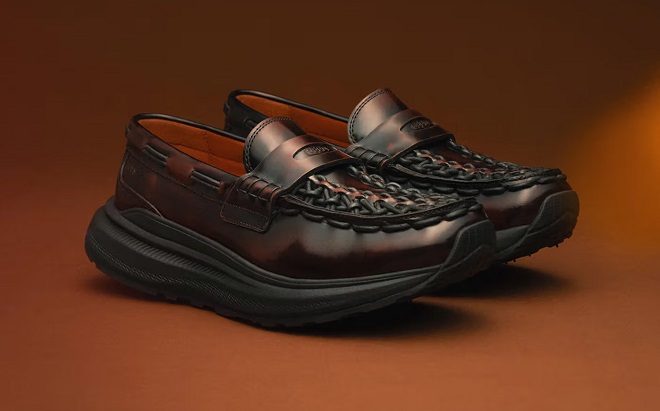
Cote&Ciel
In a market flooded with derivative black rectangles, Cote&Ciel remains a defiant outlier. The Parisian brand has never really made “bags”; they create wearable architecture that happens to hold your laptop. Their icons, like the Isar and the Nile, remain sculptural challenges to conventional carry design.
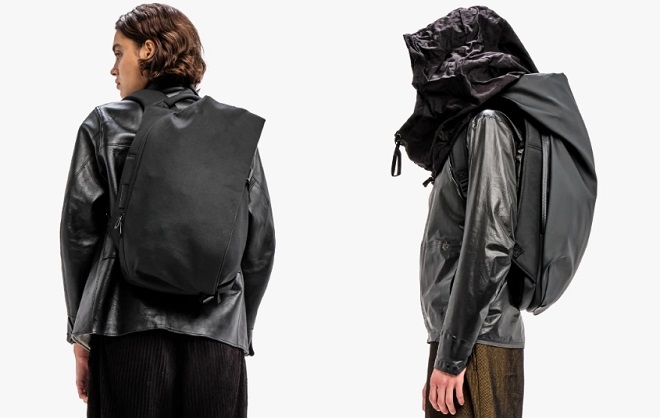
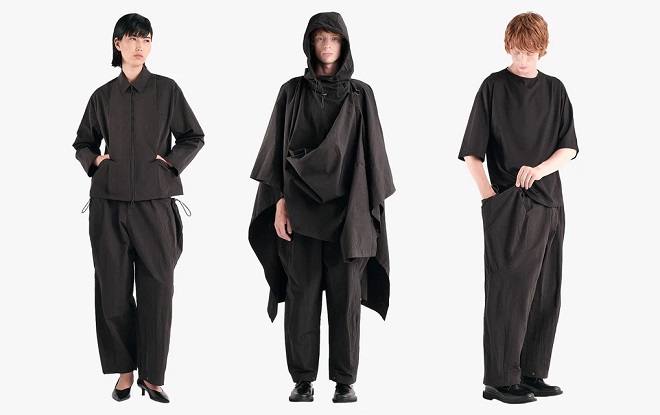
The significant shift, however, is their recent, confident expansion into apparel. This wasn’t a desperate pivot, but an inevitable completion of their silhouette. Their clothing displays the same dedication to complex pattern-making, folding, and material juxtaposition as their softgoods. Cote&Ciel is doubling down on tactile innovation—utilizing strange, fascinating fabrics like EcoSuede and memory-tech nylons—to create a cohesive aesthetic universe. By 2026, expect Cote&Ciel to be recognized not just as an avant-garde bag maker, but as a singular fashion house redefining their niche for a clientele that demands utility without sacrificing high-concept design.




 WAYS TO CARRY