



 Carry Awards
 Insights
 Liking
 Projects
 Interviews
 Carry Candy
 Community and Marketplace

Insights
The late 1950s. In a Soviet metals export office, a telex clatters out an order.
A company nobody has heard of, working through a third country, wants titanium. Thousands of tonnes of it. And what for? Industrial pizza ovens, apparently.
It is the Cold War, and half the world is hiding something from the other half, but this order troubles no one. Somebody stamps the paperwork. The metal begins to move.
Except, as the story goes, there were no pizza ovens.
The buyer was the CIA, hiding behind shell companies and go-betweens, and the metal was bound for Lockheed’s Skunk Works in California, where a spy plane called the A-12 was taking shape. It was the first of the Blackbirds, and it was meant to replace the U-2, the CIA’s earlier spy plane. It was being built to fly higher and faster, so that no missile could catch it.
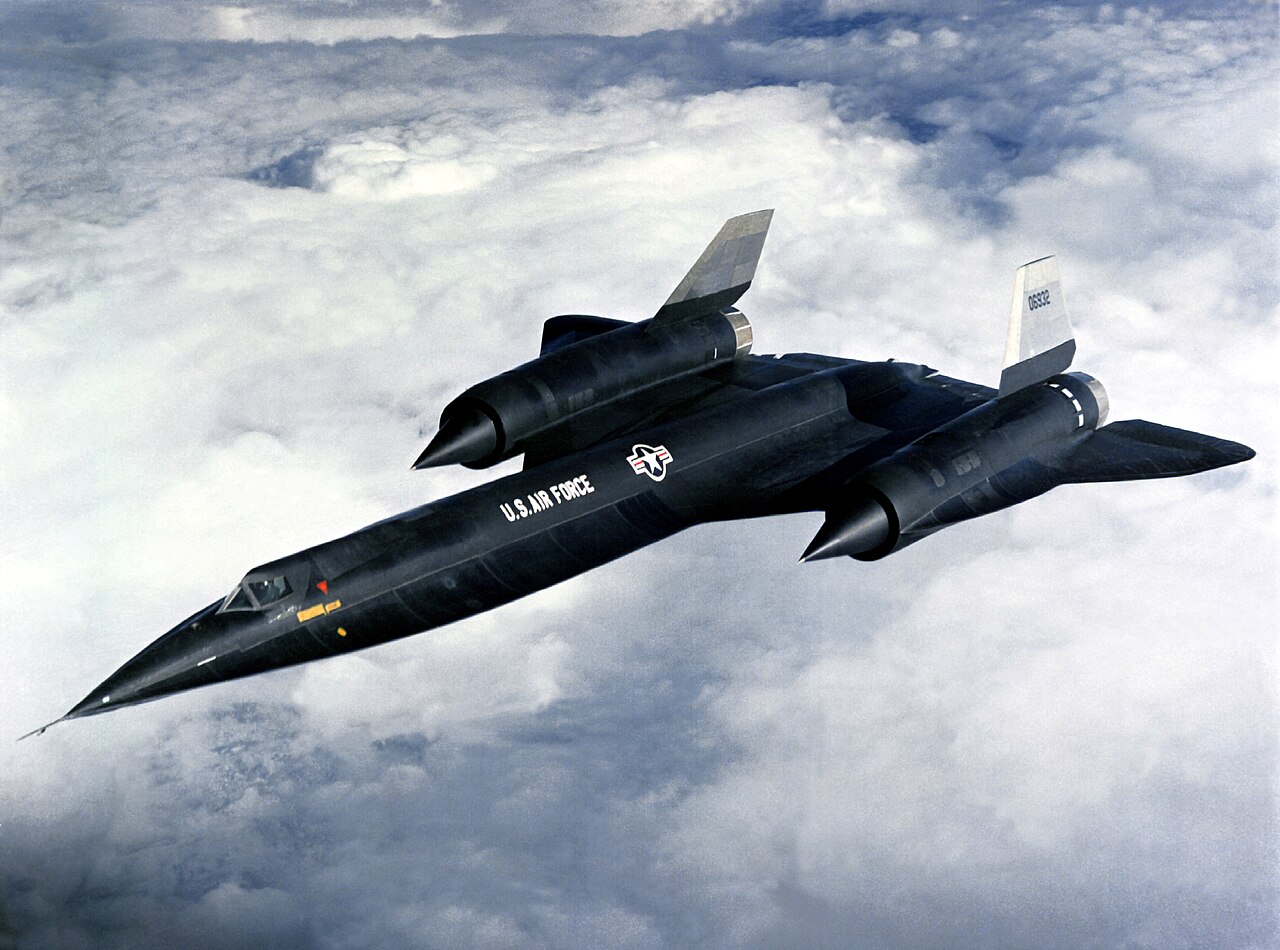
Why titanium? It was the only answer to the heat and weight problem. Push a plane past three times the speed of sound and the air itself becomes a furnace along its skin, hotter than aluminum can bear. Build it from steel and it would be too heavy.
The Skunk Works team decided only titanium would do, and more than nine-tenths of the finished airframe would be made of it. The trouble was where to buy it. One of the world’s leading exporters of titanium was the Soviet Union, the very country the plane was being built to spy on.
Fifty years later, this miracle metal would appear in golf clubs, eyeglasses, bicycles, backpacking gear, climbing kit and, eventually, in your pocket.
But how did it skip from spy planes to pockets? This is its story.
Titan of Greek Myths
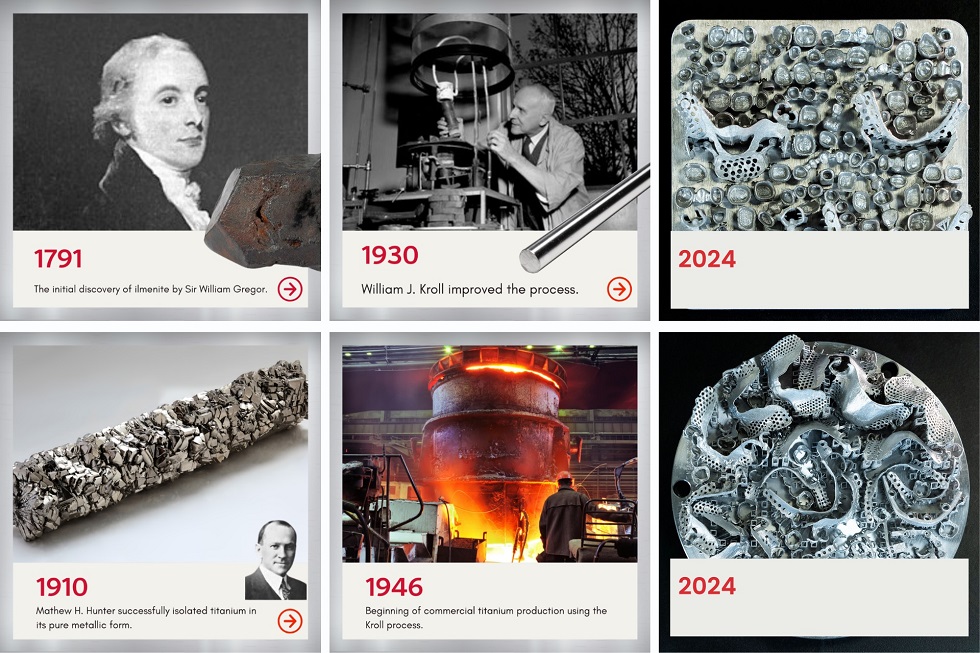
Titanium turned up in 1791, when a Cornish clergyman named William Gregor noticed strange black sand in a stream in the Manaccan valley. He named the new metal manaccanite, after his parish, then went back to his sermons. Four years later, a German chemist named Martin Klaproth found the same thing in a Hungarian mineral called rutile. Klaproth borrowed from myth, as he had for uranium, and called it after the Greek Titans, the first sons of the earth. When he later read Gregor’s account, he realized the two finds were the same metal. Gregor got the credit for the discovery. And Klaproth’s name stuck: Titanium was born.
Then, for well over a century, nothing much happened. Not because the stuff was scarce. Titanium is one of the most common elements in the Earth’s crust, mostly tucked inside minerals called rutile and ilmenite. The trouble was prising it loose.
If you try it the way you’d get iron, by heating the ore with carbon, the titanium latches onto the carbon instead. You end up with a useless compound called titanium carbide. In 1910, a chemist at Rensselaer Polytechnic Institute managed nearly pure metal, but only as a lab curiosity. The real breakthrough came in the 1930s from William Kroll, a metallurgist from Luxembourg. His method works, but it’s slow and fiddly. You turn the ore into a liquid chemical, then react it with molten magnesium inside a sealed steel reactor at about 1,200°C. A batch can take up to 17 days. The biggest reactors make around a tonne of titanium a day. A blast furnace turns out roughly 10,000 tonnes of iron in the same day.
Kroll knew his process was clumsy. In the 1950s he predicted that something cheaper would replace it within 15 years. It’s still the main way titanium is made today.
Then there’s the cutting. Titanium traps the heat of the cut in the tool instead of carrying it away in the shavings, and it gets harder the more you work it. One machining guide reckons tools last less than a tenth as long on titanium alloy as they do on aluminum.
So for decades, only people who would pay almost anything to save weight could justify it. That’s where the Cold War comes in. In the 1950s and 60s, the Soviet Union led the way in using titanium for military and submarine work, and Washington decided it was a strategic material. The US built up a stockpile of titanium sponge that wasn’t fully used up until the 2000s.
Beyond the Jets
Jets were titanium’s biggest customer, but not its only one. When DuPont began selling titanium commercially in 1948, the first batches went to experimental military jets. Early promoters were dreaming bigger: warships, armor plate, tanks, trucks, landing craft. By the 1950s, the armed forces were also testing it in submarine parts, rockets and guided missiles, and in chemical and pharmaceutical equipment. Its oxide had been part of everyday life for even longer. From 1916, titanium dioxide was sold as a white pigment for paint, and it’s still in paint, paper, toothpaste, and sunscreen today.
Away from the military, the metal found a quieter calling in industry. Corrosion barely touches it, which made it a natural for chemical plants and pulp and paper mills and, from the late 1960s, for power stations and desalination plants, where seawater eats through lesser metals.
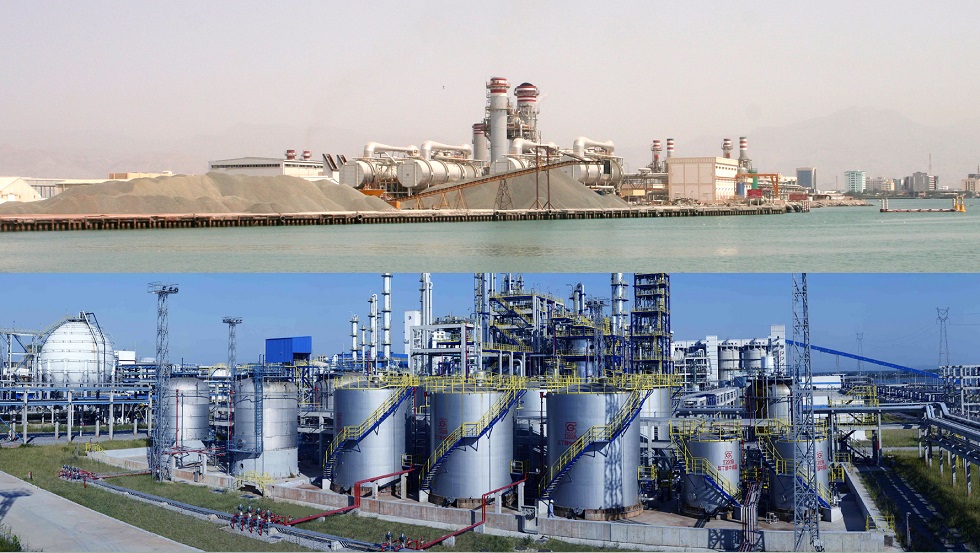
The Soviets pushed it furthest. From 1968 they began building the Alfa-class attack submarines, the first titanium-hulled nuclear submarines built in series. The titanium hull was lighter and stronger than steel, and it made the boats among the fastest and deepest submarines ever built, with a test speed close to 46 knots. But titanium hulls were costly and hard to weld, so the navy went back to steel for the Akula class that followed.
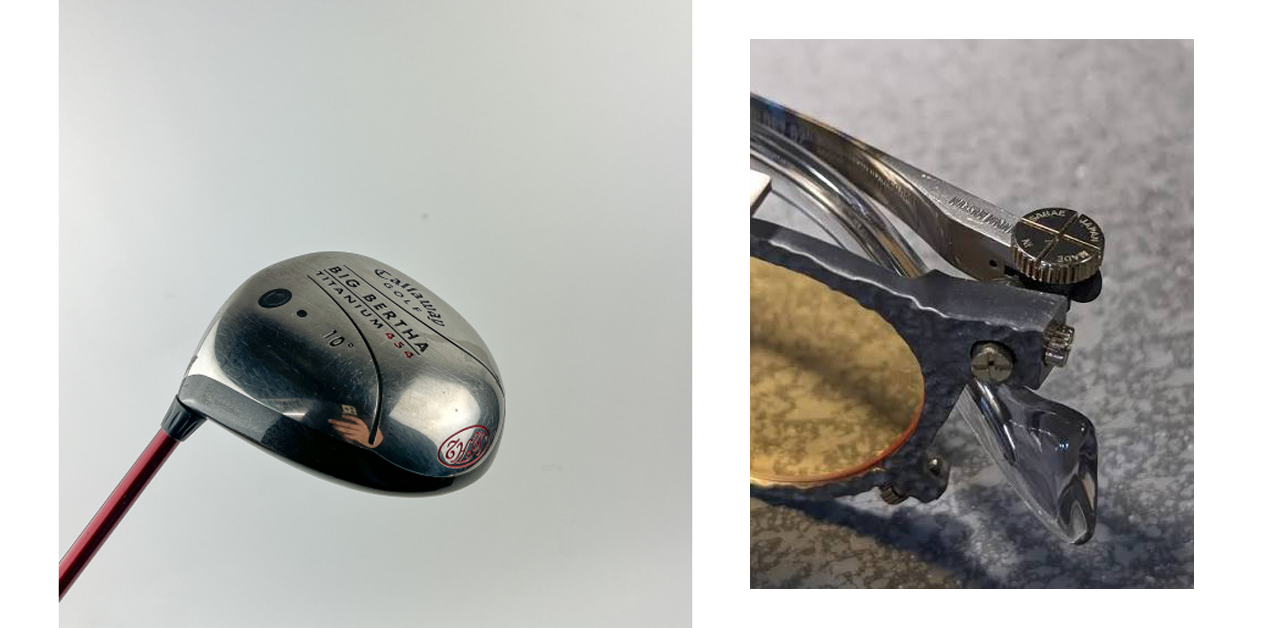
Consumer goods came late, and again mostly through Japan. Titanium bicycles appeared in the 1970s. In the 1980s, craftsmen in Sabae, a Japanese town that has made eyeglass frames since 1905, were the first in the world to make frames from titanium. Mizuno launched the Ti-110, the first titanium golf driver, in Japan in 1990, and Callaway’s Great Big Bertha titanium driver followed in 1995. By the mid-1990s, titanium was turning up in golf clubs, eyeglasses, bicycles, backpacking gear and climbing kit.
How It Got Into Camping
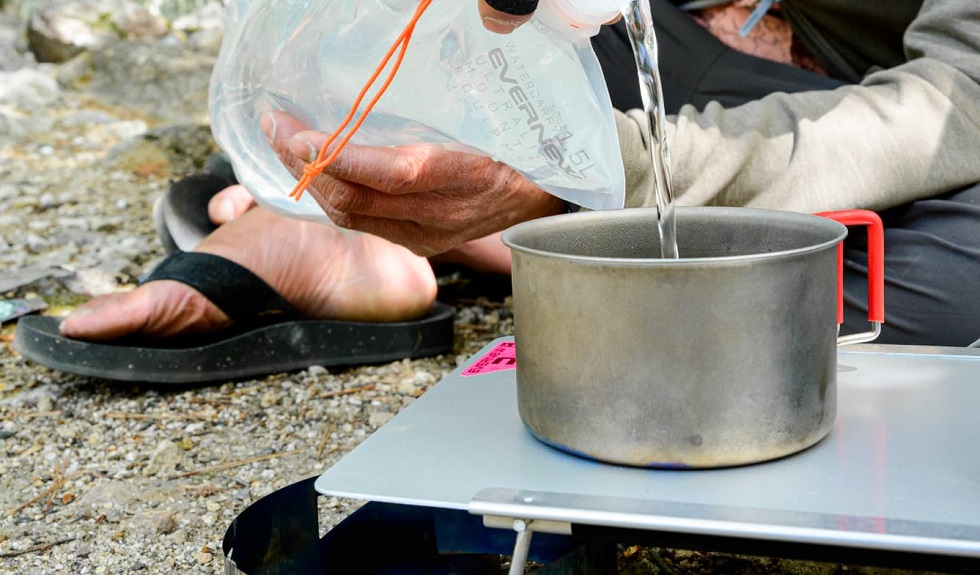
Japan, again. In the early 1990s, metalworkers in Tsubame, a city in Niigata Prefecture long regarded as the country’s metalworking capital, set about turning titanium into camp cookware. One profile of Evernew describes the company as the original titanium cookware brand. Titanium wasn’t available thin enough, the industry believed it couldn’t be done.
Evernew spent about two years proving otherwise.
And camping became a perfect match. When everything you own is on your back, grams matter, and titanium started to become the metal of choice.
Then Came Pens, Color and Knives
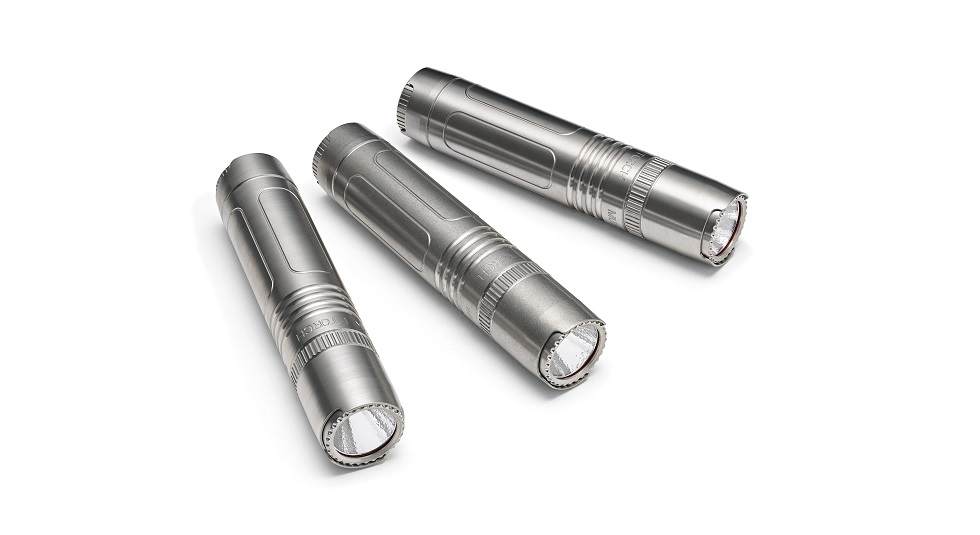
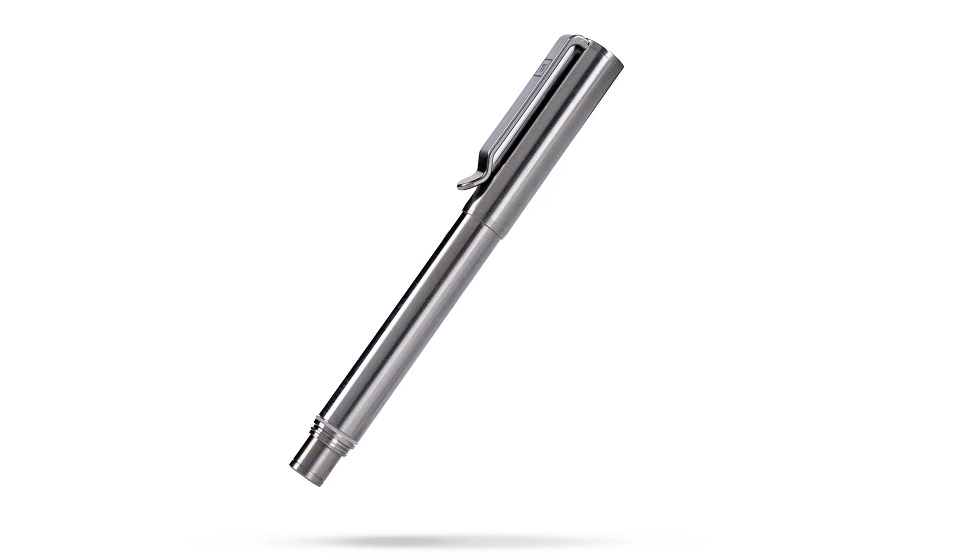
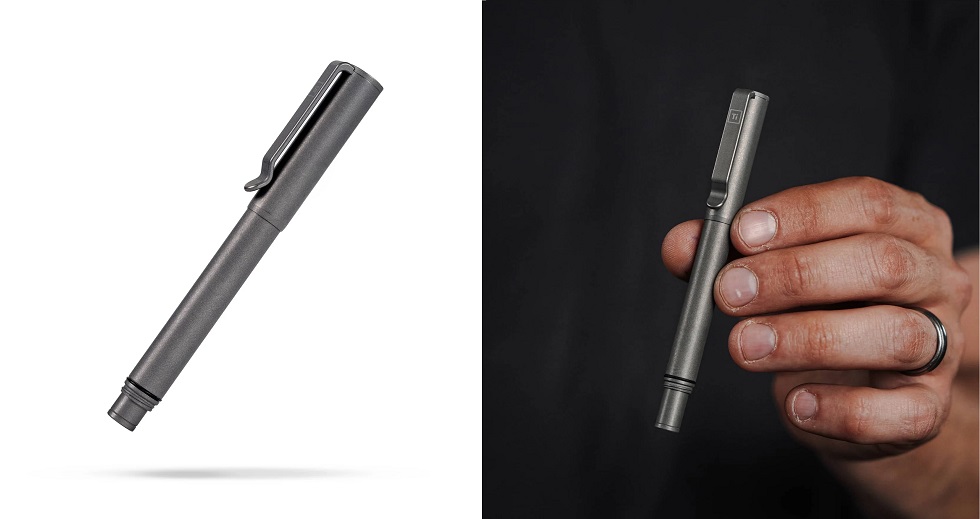
The next stop was the pocket. For a long time, a pen was whatever you grabbed off a hotel desk. Then the everyday-carry community began choosing small objects with the care other people give a watch, and machinists started turning out titanium pens with bolt-action mechanisms, then tools like bit drivers and multi-tools.
Titanium suited the job for the same reasons it suited campers, with a few extras. Pocket gear gets carried every day and handled constantly, and plenty of it is built to be fidgeted with, clicked and slid. That kind of use wears out most materials. Titanium is light enough that a pen can carry tools in its body and still weigh 32 grams, tough enough to take the abuse, and free of the rust, flaking and fading that give a cheaper finish away.
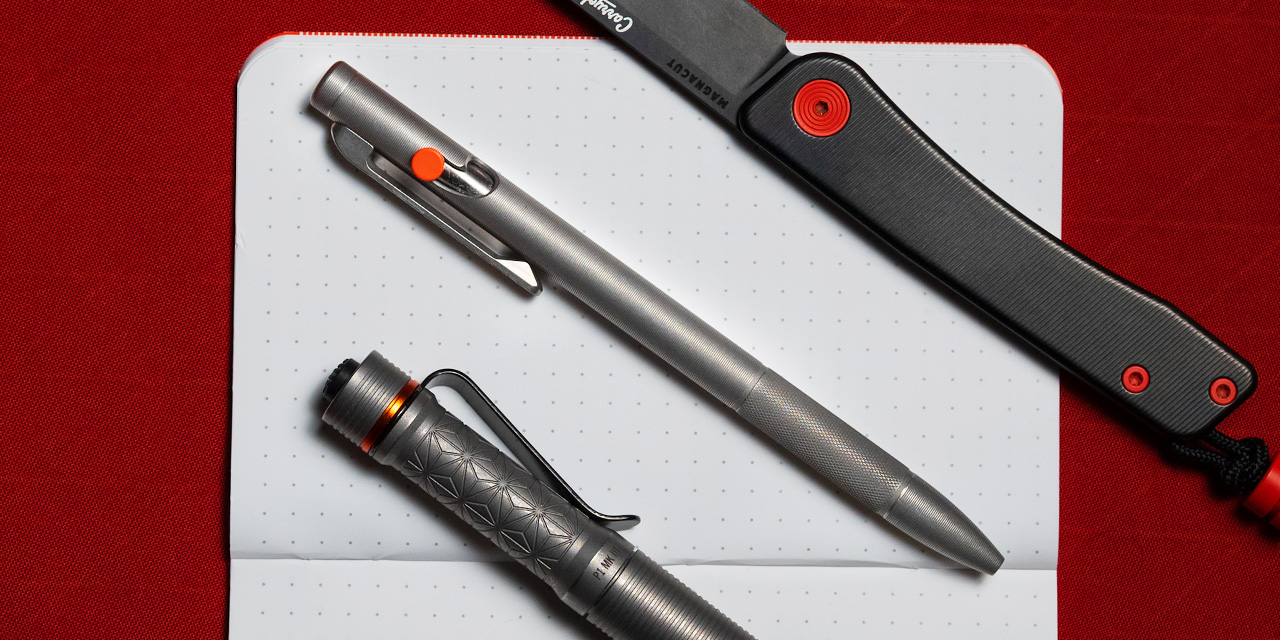
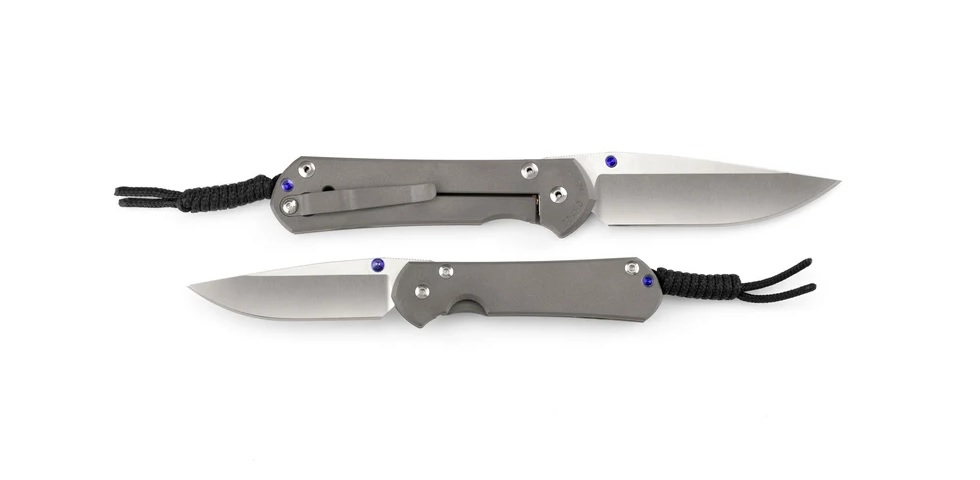
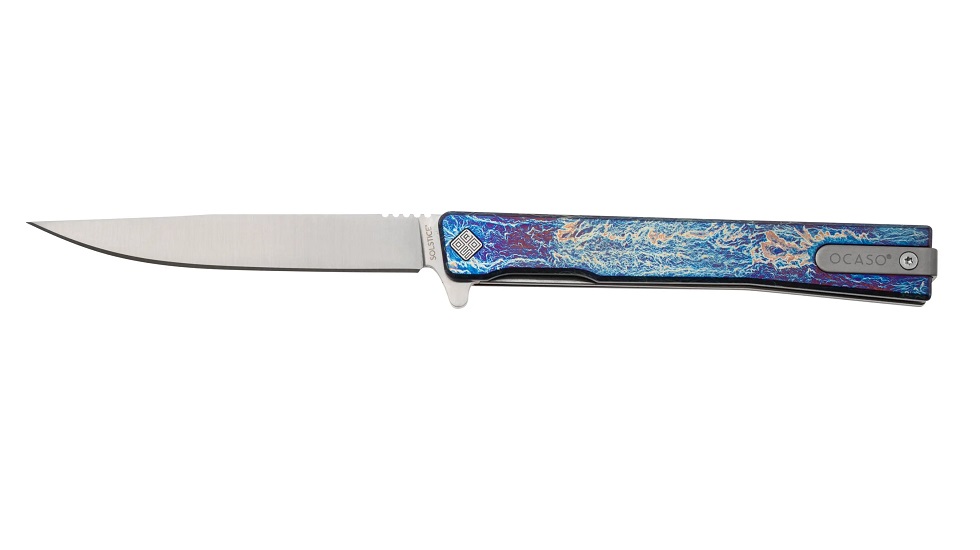
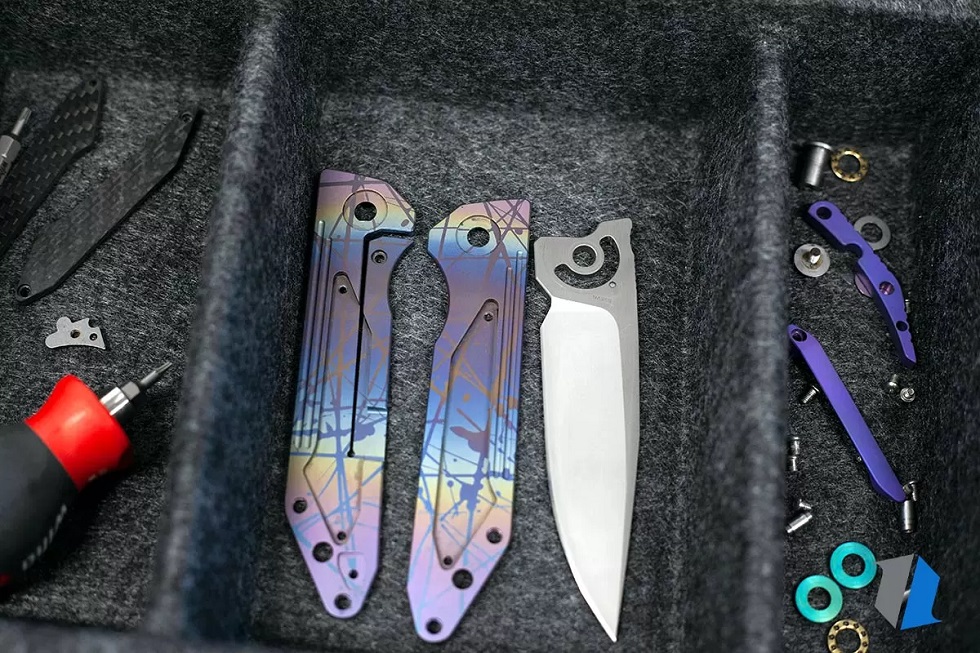
Knives came along for the ride, mostly in the handles, clips, and hardware, where low weight and no rust are a real win. Blades are another story. Titanium is softer than good blade steel, so an edge doesn’t last as long.
Not All Titanium Is the Same
Titanium is sold in numbered grades, and each number tells you what’s in the metal. They fall into two broad groups: pure titanium, and titanium mixed with other metals.
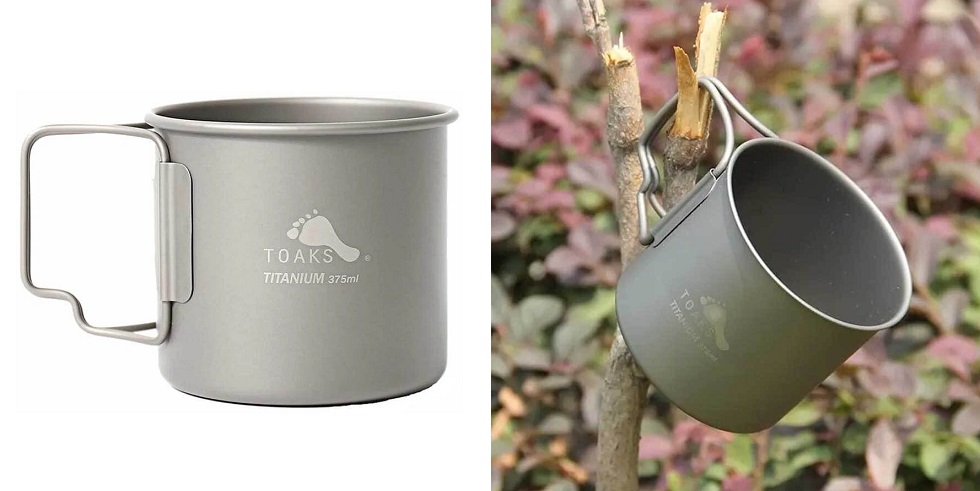
The first is commercially pure titanium, Grades 1 to 4. These are almost entirely titanium, with small, deliberate amounts of oxygen and iron. More oxygen makes the metal stronger and less stretchy. Grade 2 is the workhorse. It’s soft, easy to form and very corrosion resistant, which is why camping makers tend to use the pure grades for mugs, pots and bottles. Thin walls, low weight, nothing fancy needed. It’s also not especially strong, with a tensile strength of around 345 megapascals, which is less than many steels.
The second family is the alloys, where other metals are added on purpose. The famous one is Grade 5, also written Ti-6Al-4V: 6% aluminium and 4% vanadium. It’s nearly three times as strong as Grade 2, at around 950 megapascals. It accounts for about half of all the titanium used worldwide, and it’s the grade you’ll find in a lot of EDC tools, bike frames, and high-end watches. It’s also harder to cut. One machining guide rates Grade 5 at half the machinability of Grade 2, which is part of why Grade 5 pieces cost more.
Finishes: what’s been done to the surface
The same piece of metal can look and wear very differently depending on how its surface is worked.
Raw or satin is the baseline. It’s titanium left as the machine made it, or lightly sanded in one direction. You get plain gray metal with whatever grind lines the tools left behind.
Polished is the opposite. The surface is buffed through finer and finer compounds until it’s bright, close to stainless steel in look. It’s handsome, and it marks easily. A polished piece is prone to scratches with regular use.
Bead-blasting fires fine beads at the surface, leaving a lighter gray, dead-matte face with a faint sparkle. It’s more susceptible to scratches and marks than the other finishes, and every maker uses different media, which can change how the metal takes color later.
Stonewashing, also called tumbling, drops the part in a drum with abrasive stone or ceramic media. The result is brighter and more silver than blasting, shows the titanium’s grain, and feels smooth to the touch. It’s the most common and durable finish for handles, and the random texture hides scratches best, because new marks blend into it.
Anodized finishes add color, added with an electric current. The surface underneath actually matters too. A polished part returns a vivid, saturated tone, while a blasted or stonewashed one comes back muted and darker, so two handles anodized at the same voltage can look like different blues. Satin anodizing gives the brightest colors of all, but shows the most fingerprints. Any anodized surface scratches easily, and skin oils will give it a patina over time.
Why It’s Loved By Many
It’s light.
Titanium is roughly 40 to 45% lighter than steel. The workhorse alloy gives up a bit of strength to get there, but it’s still strong enough to hold a Mach 3 spy plane together.
It doesn’t rust.
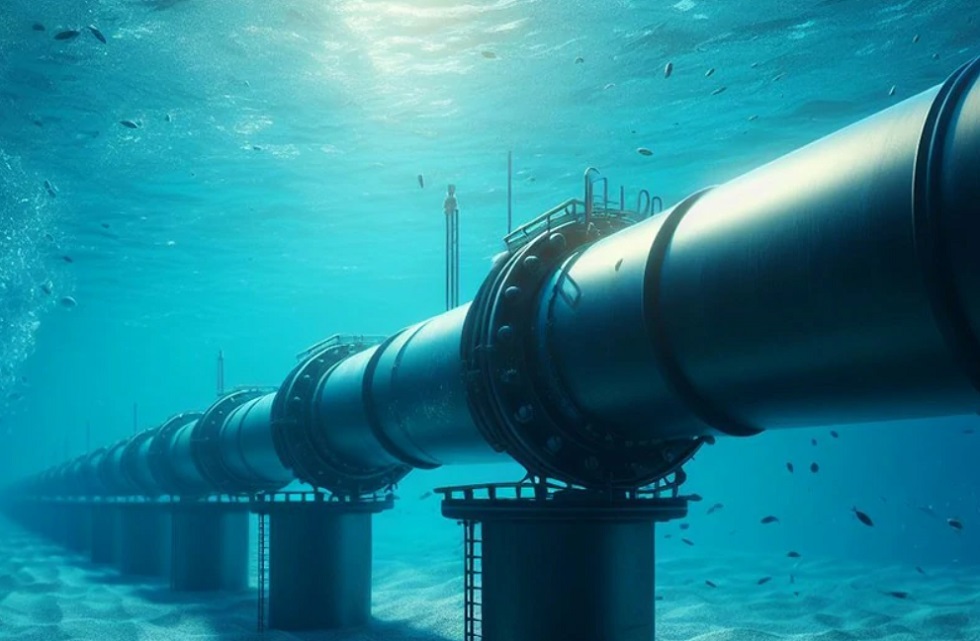
The instant titanium meets air, it wraps itself in an invisible film of oxide. Scratch it and the film grows back. Titanium tubing used in the bottom of the sea for years, more than a mile down, has shown no measurable corrosion.
It tastes of almost nothing.
Ask anyone who has drunk from a cheap metal cup and they’ll describe the same faint tang, like licking a coin. That tang isn’t the metal itself. It’s metal ions, tiny charged particles that come off the surface and land on your tongue. The more easily a metal sheds them, the stronger it tastes.
Titanium barely sheds any, and the reason is oddly the opposite of what you’d expect. Titanium is a very reactive metal. It grabs oxygen from the air almost instantly, and in doing so wraps itself in a skin of oxide only a few nanometers thick. That skin is the trick. It’s tightly bonded to the metal, stable, and it heals itself if you scratch it. Medical researchers describe it as insoluble and chemically impermeable, meaning it doesn’t dissolve into liquid and nothing slips through it from the metal underneath.
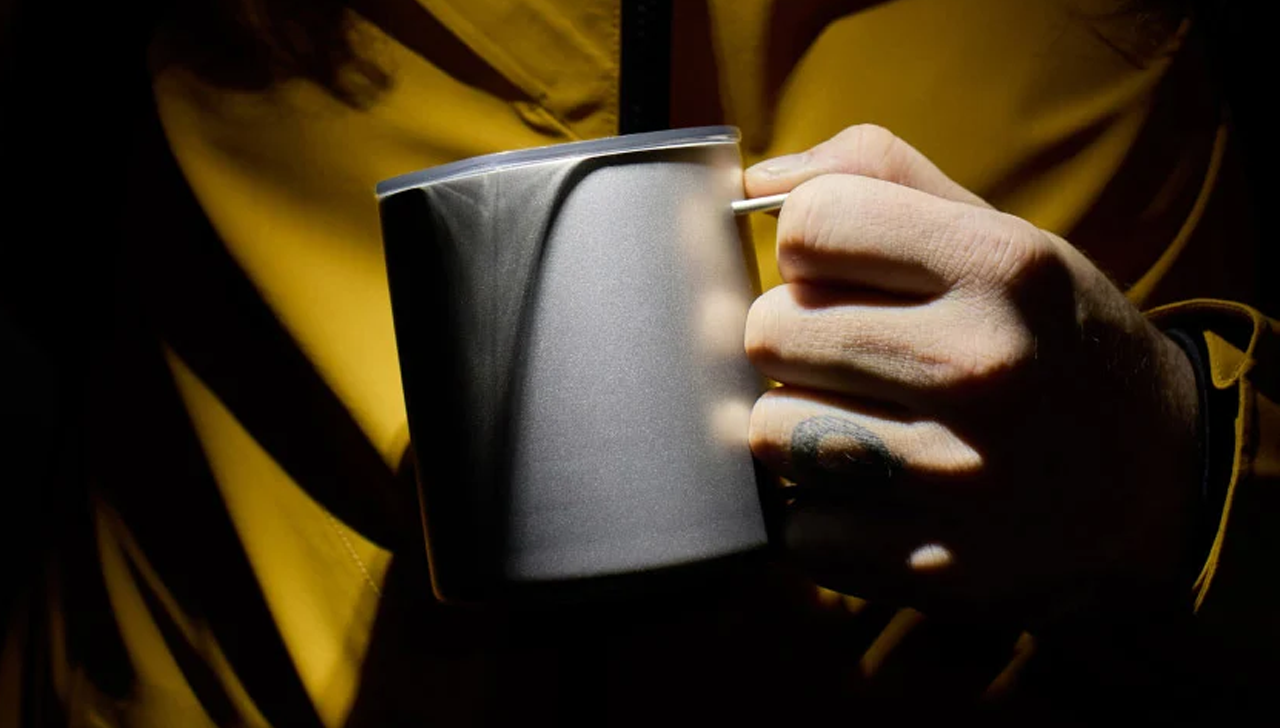
So when you pour coffee into a titanium cup, the coffee never actually touches bare titanium. It touches that skin, which doesn’t dissolve and doesn’t let ions escape. With no ions drifting into your drink, there’s nothing for your tongue to pick up. It’s the same property that lets titanium sit in seawater, or inside a human body in medical implants, without breaking down.
It ages well.
Most gear ages by failing. Paint chips, plating wears through, coatings flake, and what’s underneath is a worse material. Titanium ages by changing.
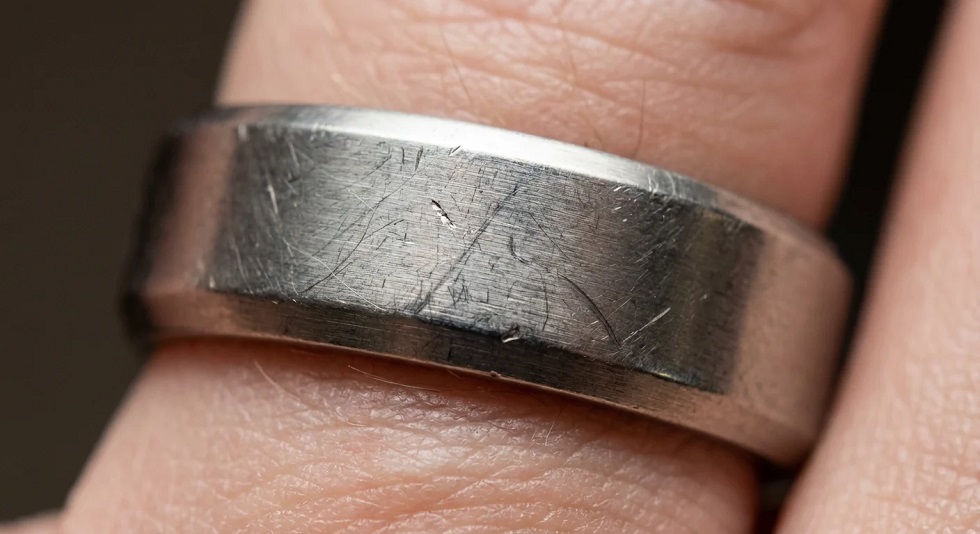
It starts with that same oxide skin. Fresh from the air, it’s a little over a nanometer thick. It keeps thickening slowly, to about five nanometers after 70 days and eight or nine after a year and a half. Titanium’s colors come from the thickness of that film, so anything that changes the film changes the look.
Heat does it quickly. Put a titanium pot on a flame and it can pick up a tint, which is a cosmetic effect that doesn’t change how the pot performs.
Handling and time do it slowly, and the result is a lovely patina.




Michael Knispel
Editor-In-Chief
Mike’s our editor-in-chief, storyteller, and master traveler. He’s been at the helm for over a decade, spearheading our stories, partnerships, and brand at large.



 WAYS TO CARRY