



 Carry Awards
 Insights
 Liking
 Projects
 Interviews
 Carry Candy
 Community and Marketplace

Insights
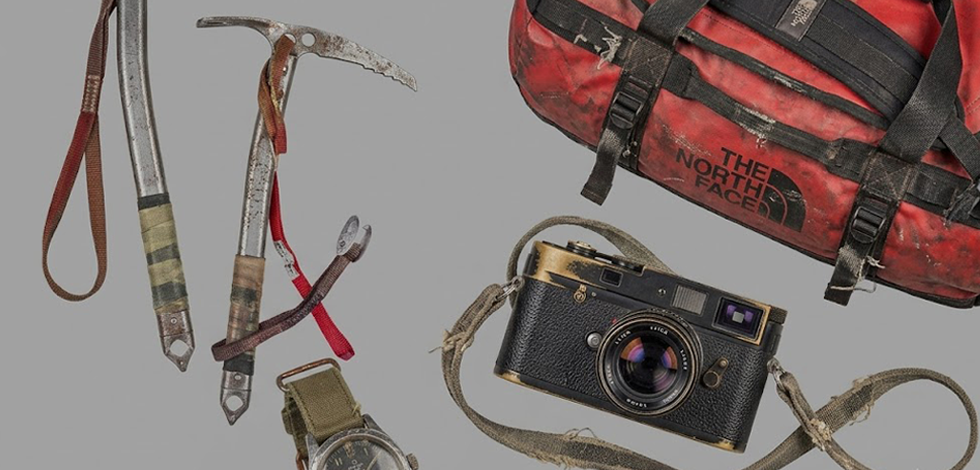
Whenever we comb through the comment fields and chat rooms of the gear world, two things dominate the conversation: price and performance.
How much did it cost? Was it worth it? And how did it actually perform?
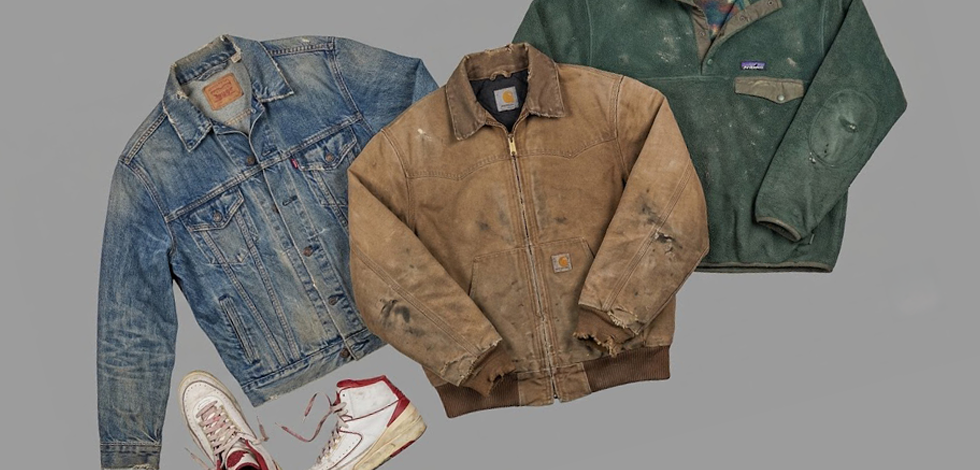
That’s all well and good. Those are fair questions, and we ask them ourselves every day. But there’s more to the objects we carry than that. Anyone who has hung onto a beaten-up pack long after a better one arrived knows it. So does anyone who has pulled on their favorite jacket and felt a little taller, a little more confident.
You see, gear is doing jobs for us that no review measures, and plenty of us might not have noticed.
This is a story about those other jobs, and why they might tell you more about the things you carry and why you treasure them than a price tag or spec sheet ever will.
The Three Jobs of a Thing
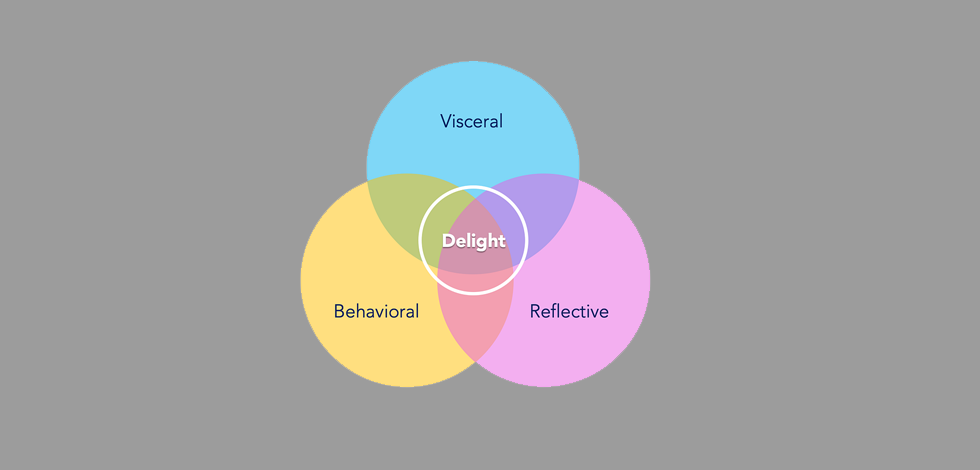
Cognitive scientist Don Norman has a nice way of cutting through this. In Emotional Design, he argues that our reactions to the things we use happen on three levels.
The first is the visceral, the emotional gut reaction: what a thing looks like, how it feels, how it makes us feel, and whether you want to pick it up. The second is the behavioral, which is simply performance. Does it do the job, and how well? The third is the reflective, which is the meaning things take on: what the object stands for in our own lives, and the memories and stories we attach to it.
Most gear talk lives on the second level. Fair enough. It’s the easiest to measure, argue over and drop into a comparison table. The other two are harder to put a number on, which is exactly why they get overlooked.
What We See and Feel
Now for the part that never makes the spec sheet. The emotional, aka the visceral.
Pick up a bag with great hand feel, whether that’s premium nylon, leather or waxed cotton, and something happens before you’ve had a single thought about it. There’s research on this. In a 2009 study, Joann Peck and Suzanne Shu found that merely touching an object increases our sense that it’s ours, and that how pleasant the touch is shapes how much we value it. Your hands start the relationship before your head gets a vote.
Then there’s the feeling of wearing something that’s just right. Have you ever owned a pair of jeans that boosted your confidence by several notches? You know the ones. You walk taller, you feel great. That’s the emotional job we’re talking about. No review will ever capture it, and every one of us has felt it. Gear does the same thing: the jacket that makes you feel ready for anything, the bag you rely on every trip, the one that gives you confidence you’re heading towards another epic adventure.
When we connect with an object emotionally, it has a physical effect on our mood. It might be how we feel we look whilst wearing or carrying it, or it might connect us to an aspiration or a dream of something bigger, something we want to be or wish to obtain. Why do you think folks wear motorbike, field or alpine jackets around town? It might just be a ‘feeling’ and a storyline that each has attached to it.
Consumer researcher Russell Belk made a related case in 1988: our possessions become part of how we see ourselves, an “extended self.”
The Stories We Carry
Here’s a thought experiment.
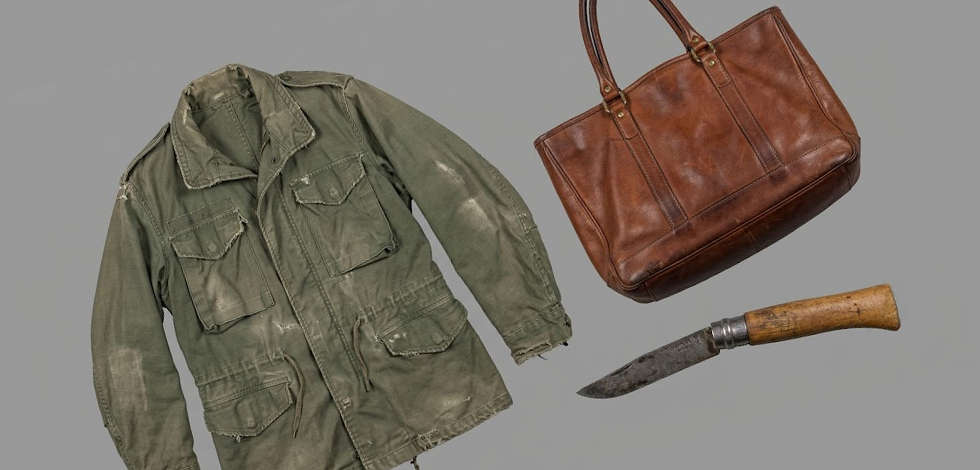
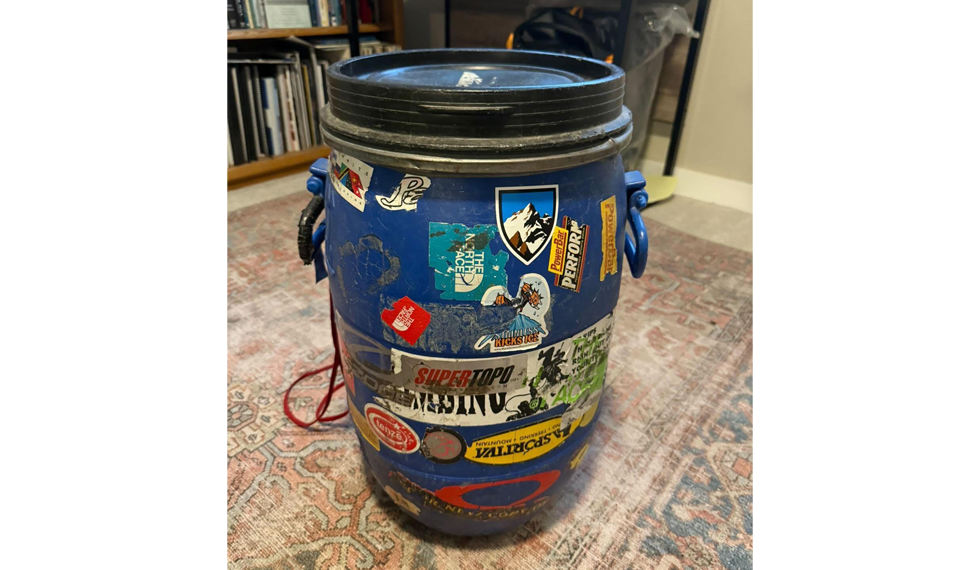
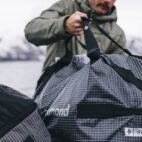
Picture the below expedition drum of Conrad Anker. It’s been carried to every far-flung adventure you can dream of since the 90s. Now picture the identical model sandwiched in the corner of a gear shop. Same drum, same heavy-duty plastic, near enough the same price tag. One of them is a tool. The other holds every freezing morning, every hard-won metre and every successful ascent.
Yale psychologist Paul Bloom has a name for this instinct: essentialism. In How Pleasure Works, he argues that our enjoyment of things is shaped by what we believe about them, where they came from and what they’ve been through, not only by how they look or work. Bloom is clear that the object itself hasn’t changed. What changes is the story we know about it, and for the person who lived that story, it’s very real.
Ask the people who carry gear into serious places and they say much the same. In a Gear Patrol feature on climbers’ most cherished kit, Renan Ozturk talks about a pair of The North Face alpine pants he’s had since 2010. His wife does much of the patching, adding about ten patches a year, and he keeps coming back to them because they fit better than anything else he’s worn and “they contain so many memories.” He says that when you’ve been to the top of a peak with something, it starts to feel like a good luck charm.
Conrad Anker’s portaledge pole snapped on Meru in 2007. The team patched it up and pressed on. Back in Montana, he engraved “Meru 2007” on it, and it now hangs in his garden. A tool that failed, kept for life.
Melissa Arnot calls herself an incredibly pragmatic realist and says she isn’t superstitious at all. Yet she carries blessed rice and a prayer card on every peak, and inside the card is a photograph of her late climbing partner, Chhewang Nima, on the summit of Everest.
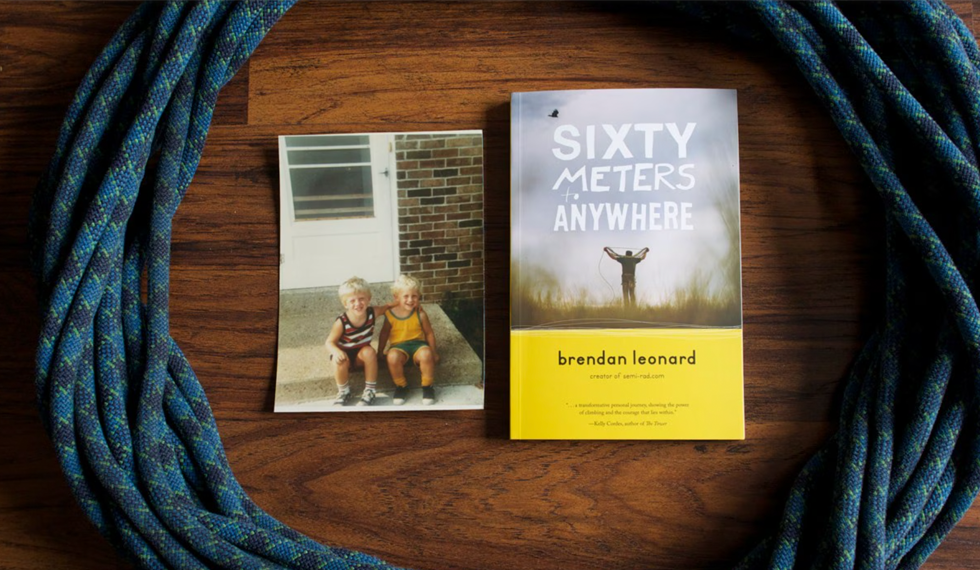
Brendan Leonard lugged around the 60-metre rope his brother gifted him one Christmas. A gift that would spark his passion for climbing, a passion that would eventually lead him to his entire career. In 2016, when his book Sixty Meters to Anywhere came out, he cut it in half and mailed one half back to his brother, along with a copy of the book and a thank-you note.
In Japan, the randoseru built to survive six years of school often stays in the family long after, tucked in a closet and filled with old notebooks and report cards. Nigel Cabourn had an archive of more than 4,000 pieces, yet our own Alec Farmer found him at a London fabric fair wearing a very worn-out Swiss Army rucksack. And the team at Craighill talk about making special objects that are intergenerational: the things you keep when you move, and don’t give to Goodwill.
So the specs of a thing tell you what a thing can do. And then the stories tell you what it means.
The Social Layer
So we’ve covered the visceral and the reflective. But our team got talking, and we think there’s one more element worth adding to Norman’s list: the social one.
If you’ve ever been to a Carry MeetUp, you’ll know what we mean. A room of strangers, all connecting over the objects they enjoy. The shared hobby has brought them together and handed them something in common, and that something is a catalyst for conversation, and sometimes even friendship. This is a story of objects bringing people together, in real life. And in a really meaningful way.
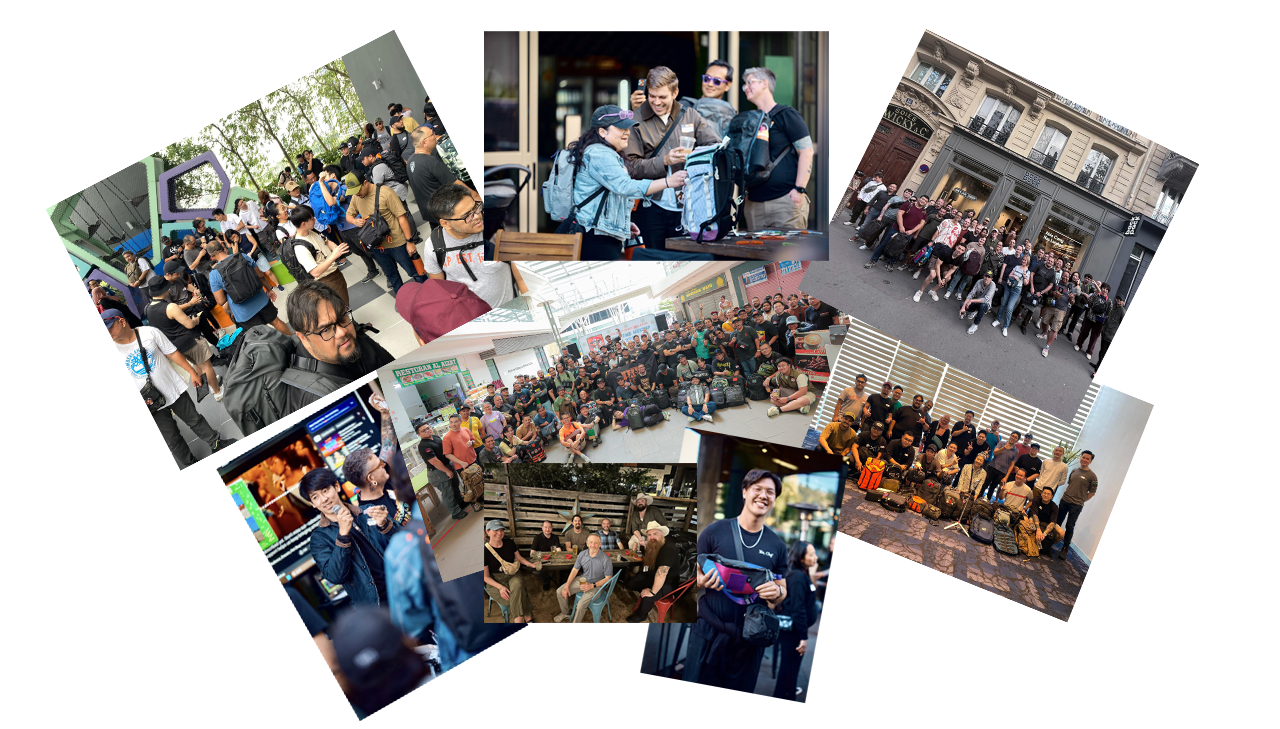
And this social element actually plays out in different ways too.
Choosing an object can have a role too. For some people, whether they realise it or not, what they choose to carry is a signal of their personality, their interests and the things they care about. A beaten-up hiking pack with an environmental slogan says something different to a techwear jacket with goggles built into the hood, or to aluminium luggage paired with a power suit. I’ll let you decide what each is communicating.
Each one tells the tribes around you something about who you are and where you believe you belong.
Economist Thorstein Veblen was onto this back in 1899. In The Theory of the Leisure Class, he argued that what we own and wear has always been a way of signalling status.
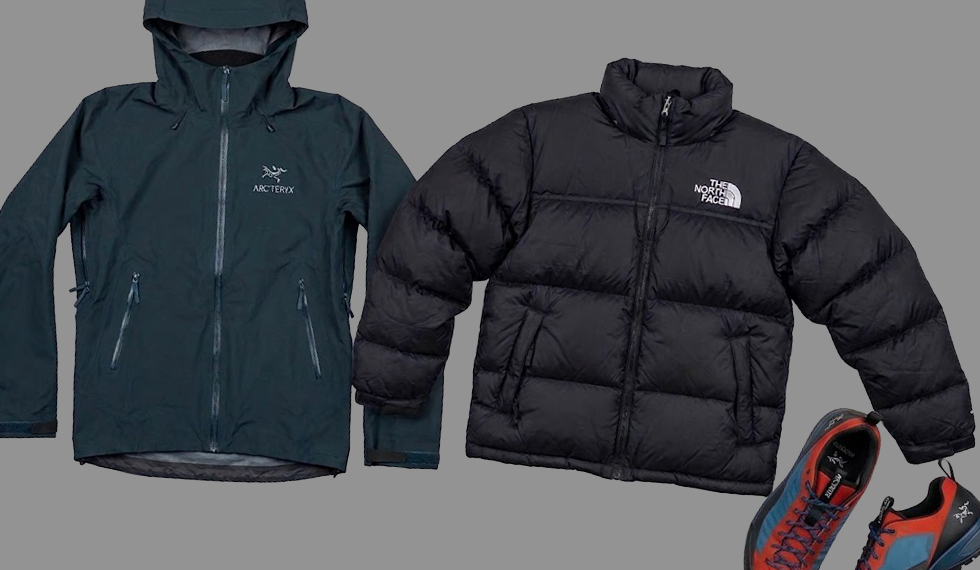
Outdoor gear has run this experiment in public. In 2017, writer Jason Chen coined the term gorpcore in The Cut for city-dwellers dressing in hiking and camping apparel, miles from the nearest trail. Arc’teryx’s CEO has said the brand’s authenticity and ties to the mountains are what make it desirable, even to people who don’t use it for its technical function.
Which makes a bag, a jacket or a pair of boots a little like a handshake. It says something before you’ve spoken a word, and sometimes it gives a stranger an easy way to say hello.
Over to You
So the next time you’re deep in a gear thread, weighing price against performance, remember there are three more questions worth asking. How does it make me feel? How does it connect to the things I care about? And what memories could I make with it?




Michael Knispel
Editor-In-Chief
Mike’s our editor-in-chief, storyteller, and master traveler. He’s been at the helm for over a decade, spearheading our stories, partnerships, and brand at large.
 WAYS TO CARRY