



 Carry Awards
 Insights
 Liking
 Projects
 Interviews
 Carry Candy
 Community and Marketplace
Industry
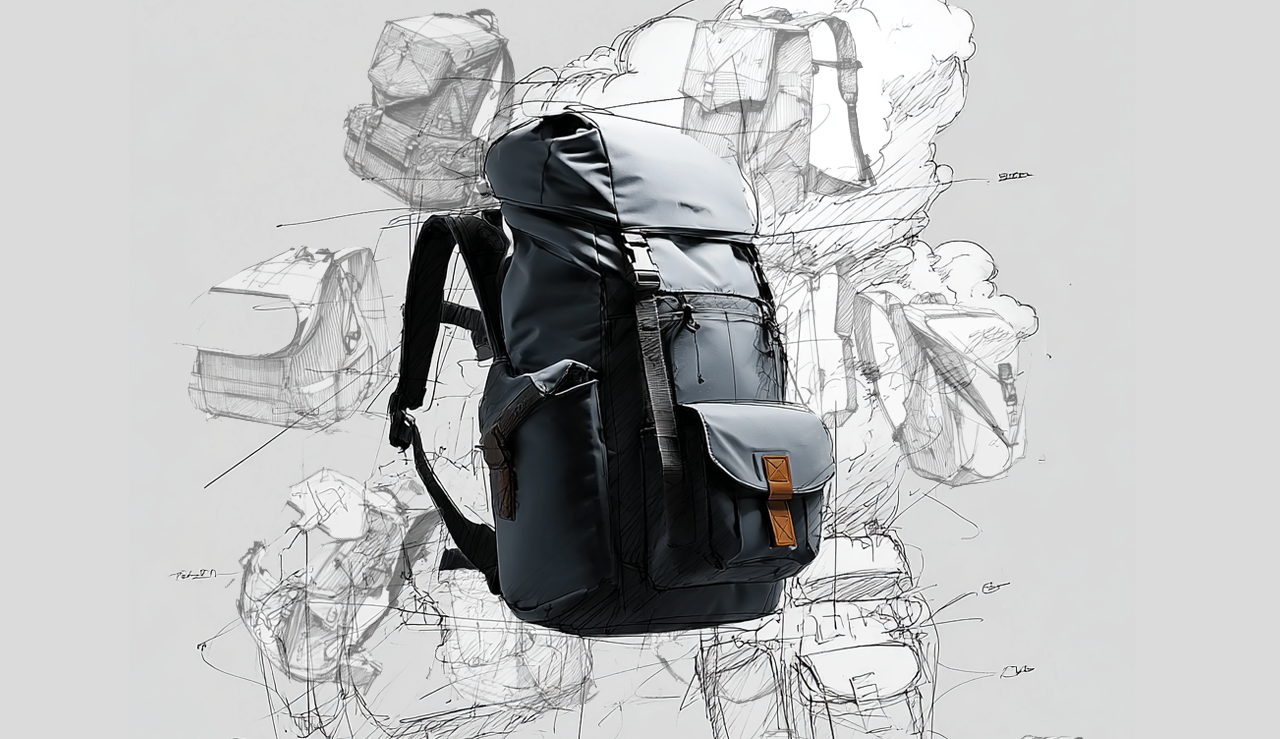
Have you ever held a backpack and wondered, How did this come together? How does a simple idea turn into a real, functional object? Why was that feature added? How did a curve end up just right?
We went straight to the experts to find out. From early sketches to patterns, prototypes, and feedback, professional designers shared their insights on each stage of the process. The result is a clear look at how a backpack is designed—from concept to finished product—through the eyes of the people who make it happen.
In this series, we’ll take you through the full journey of designing a backpack, publishing an expert guest article every week, and breaking it down into three key stages.
Dream It Up
It all starts with purpose. Is the backpack meant for commuting, travel, or weekend escapes? Who will carry it, and what do they actually need? From there, inspiration comes into play—where do designers look for originality, and how do they translate a spark of an idea into something tangible? We’ll explore the tools and methods they use, from sketches and mock-ups to early-stage concepts, and see how emerging technologies like VR and 3D modeling are reshaping the ideation process.
Make It Real
Once the idea exists on paper—or screen—it’s time to bring it to life. Designers are increasingly using AI to explore possibilities before turning sketches into detailed CAD drawings and precise patterns. Then comes the tactile work: selecting fabrics and hardware, mapping out pockets, laptop sleeves, and compartments, and figuring out how every inch of the bag functions.
Test It Out
Finally, it’s all about proving the concept. Samples—digital or physical—are built and tested, with attention to usability, comfort, and ergonomics. We’ll look at the different ways designers evaluate their work, refine it, and push it closer to perfection before it reaches someone’s shoulders.
The Experts
James Brittain, Founder/Senior Product Designer at (EXTRA) ORDINARY DESIGN
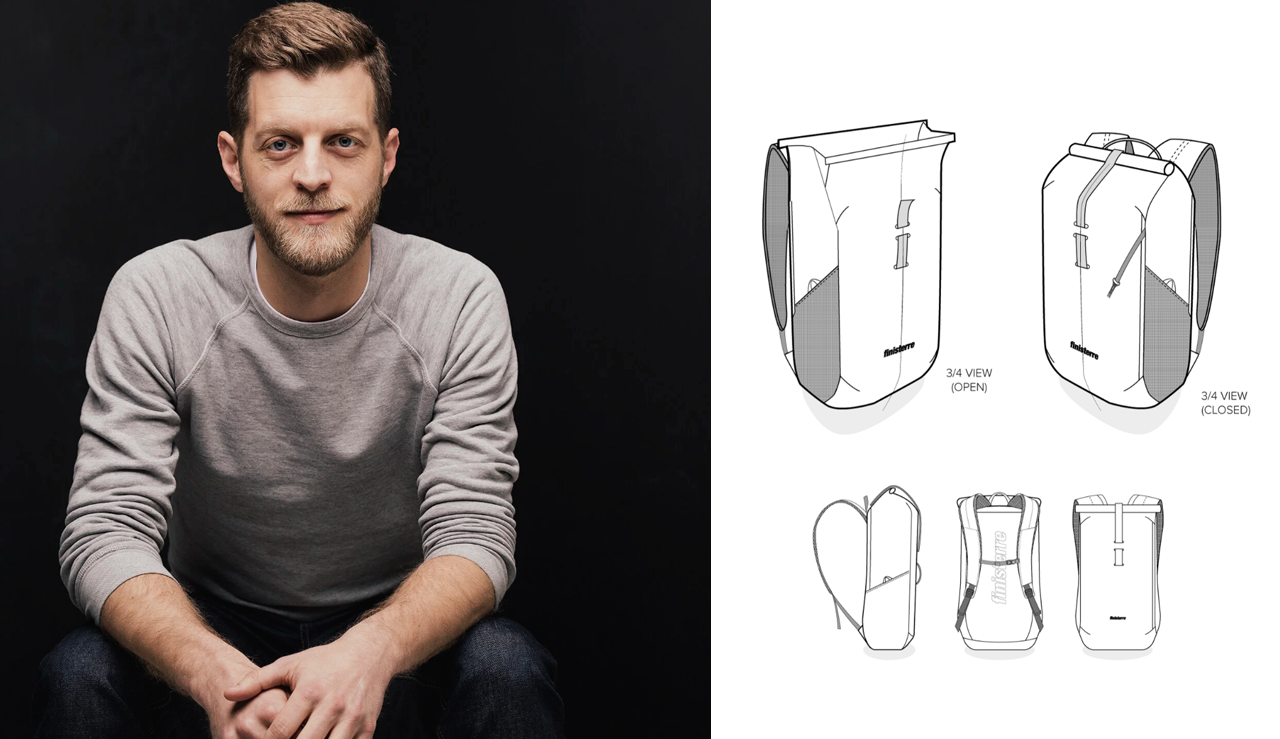
James Brittain is a senior product designer with over two decades of experience in the industry. He specializes in sustainable product design in the outdoor industry, and is committed to designs that fuse form, function, and responsibility in one. Previous roles have included Senior Equipment Designer and Design Manager for MEC, as well as Lead Equipment Designer for Cotopaxi. He founded and is currently a freelance Senior Product Designer at (EXTRA) ORDINARY DESIGN, where he’s worked with a wide range of brands including Tortuga, Finisterre, Duck Camp, Timbuk2, Orvis, and more.
Ryan Hetzel, Freelance Technical Pack Designer
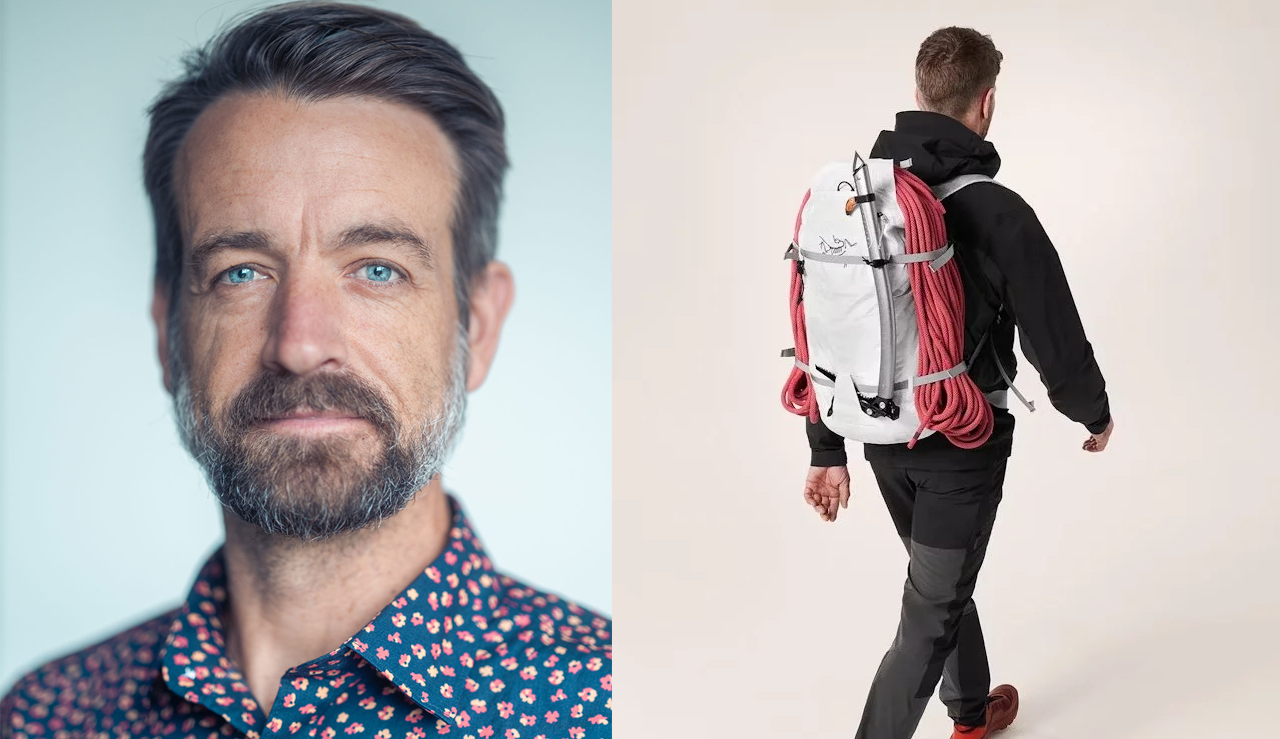
Ryan Hetzel has over 15 years of experience in the design industry, spanning field testing and development, design and manufacturing, creative direction, and more. Early positions included roles with Macpac Wilderness Equipment and Rickshaw Bagworks, with later roles including Senior Designer at Lowepro and eight years working with Arc’teryx. At Arc’teryx he served as a Senior Designer and Design Expert, helping to shape their alpine pack line. Ryan is currently a freelance technical designer. He believes in restrained, performance-driven design and listening and observation with end users to create rock-solid designs.
DREAM IT UP | READ RYAN’S GUEST ARTICLE
Hunter Nordhauser, Senior Designer at D_b_™
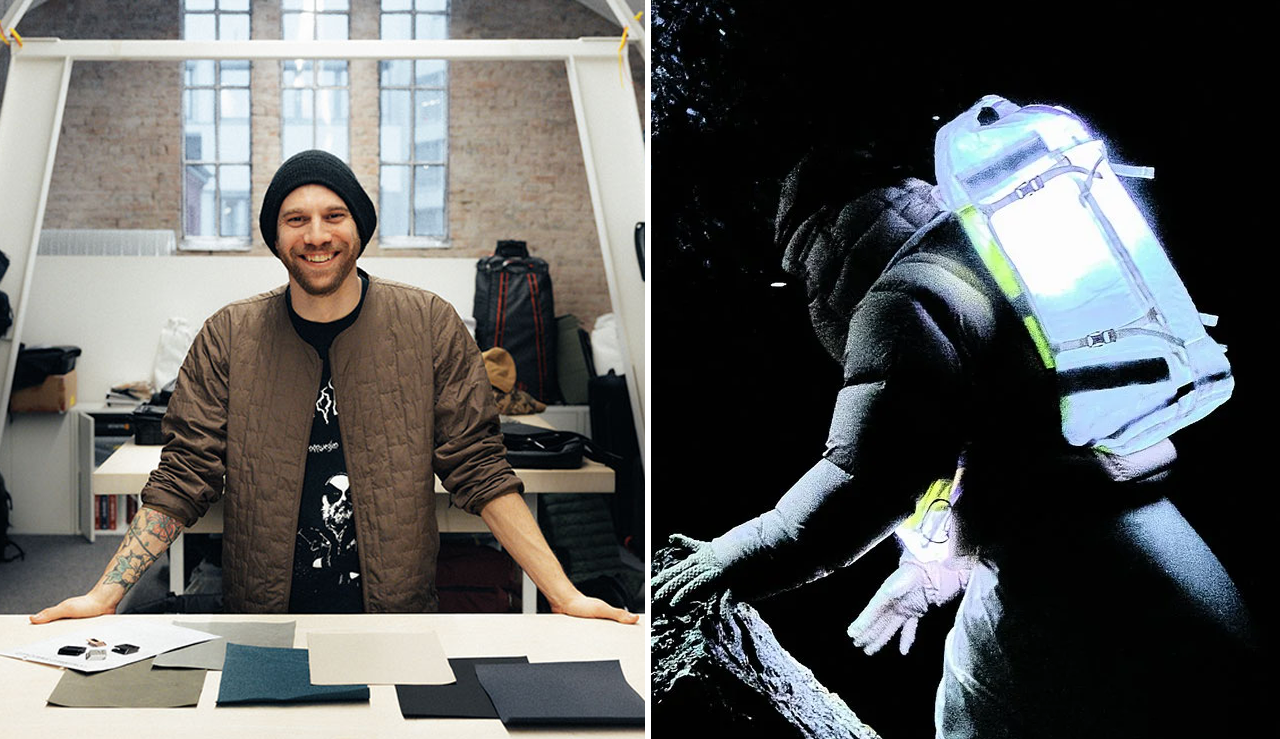
Hunter Nordhauser is a design professional with over a decade of experience under his belt. Previous positions include Industrial Designer and Developer at Chrome Industries, as well as Senior Designer and Design Manager of Technical Equipment at The North Face. Currently, he is a Senior Designer at Db, with key projects including the Db Snow Pro Vest and the Weigh Lighter™ series. Hunter’s designs are led by a passion for curious exploration, observation, and a healthy dose of playful irreverence to unlock inspiration and push design forward.
Mark Thibadeau, Owner at Black Thread Creative
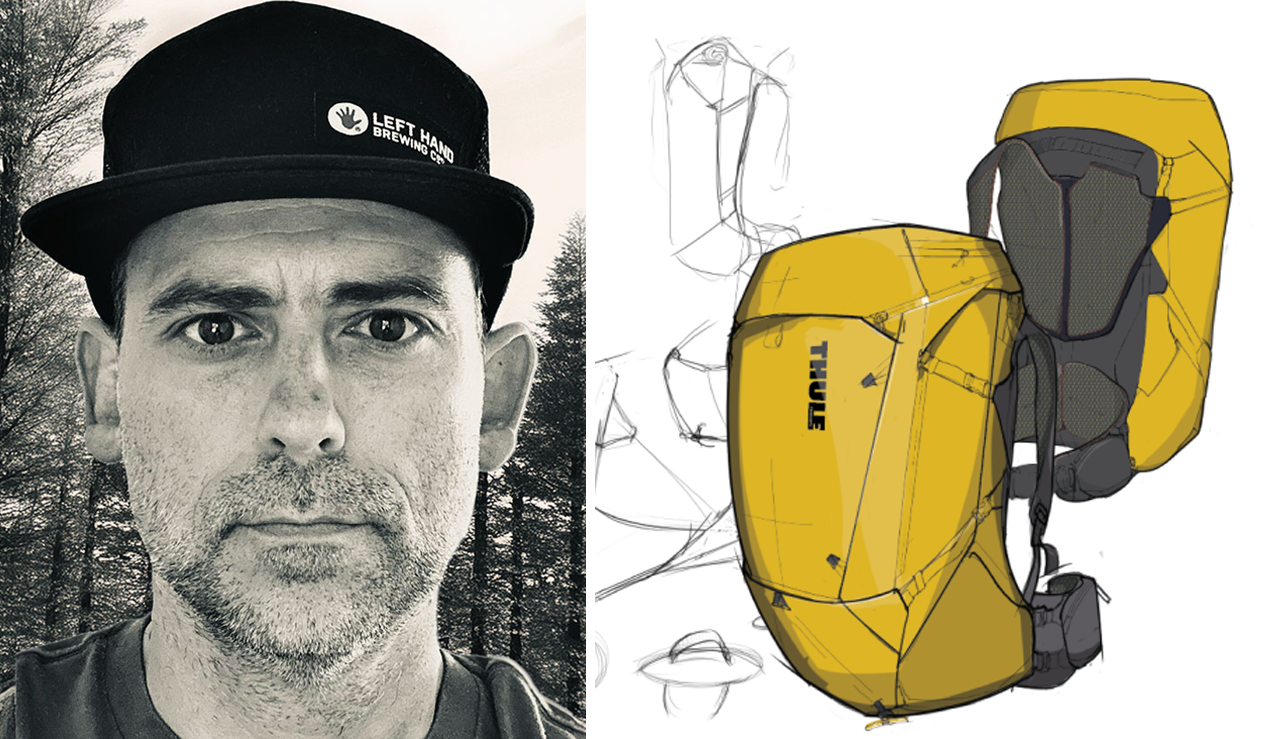
Mark Thibadeau’s wealth of experience extends over more than twenty years in the design industry, serving as a Product Designer for Gregory Packs, a Design Director for Packs, Bags, and Luggage at Thule, and a Director of Design at NEMO Equipment. He is currently the Owner and Principal Consultant at Black Thread Creative, a consultancy committed to functional, sustainable design. Mark appreciates the value of failing as a learning opportunity, using these experiences to quickly hone ideas and prototypes in the design process and leading with a meticulous problem-solving approach for dialled-in utility.
Sky Sterry, Co-founder of Wookey Design Studio / FARA
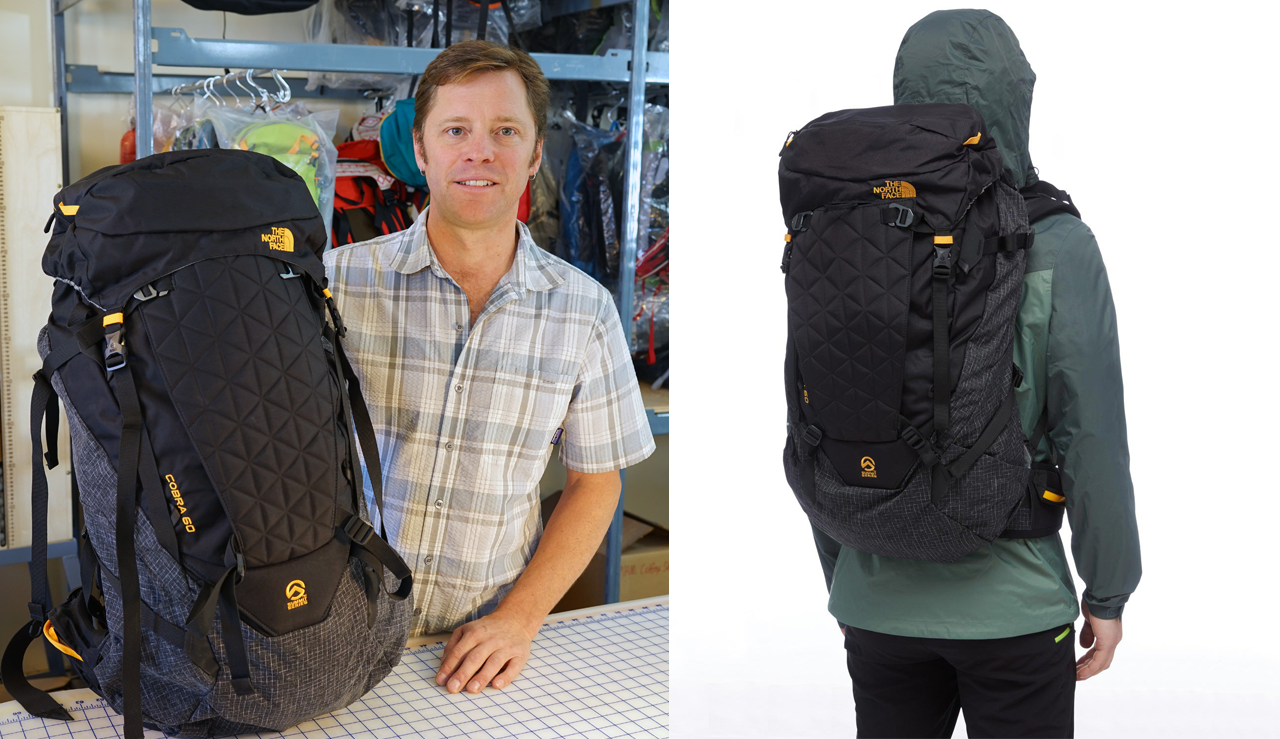
Sky Sterry has spent close to three decades in backpack design. Working closely with his partner, Trisha Wookey, they founded the entirely US-made brand Wookey Backpacks in 1997, before both taking up Senior Designer positions at Macpac Wilderness Equipment in New Zealand. Three years later, Bozeman, Montana was calling again, where they founded Wookey Design Studio. Almost two decades later, the studio is going strong as a vertically integrated design business with a full capability sample room. Sky’s most recent business venture is FARA Bags. Launched in 2023 with Trisha, FARA delivers a refined blend of weatherproof durability, excellent organization, and sleek aesthetics for work, travel, and play. Sky is a firm believer in getting hands-on with prototypes to unearth pain points and unlock those little “ah-ha” moments that really make a design come together.
Sam Goodhue, Lead Softgoods Designer at Matador Products
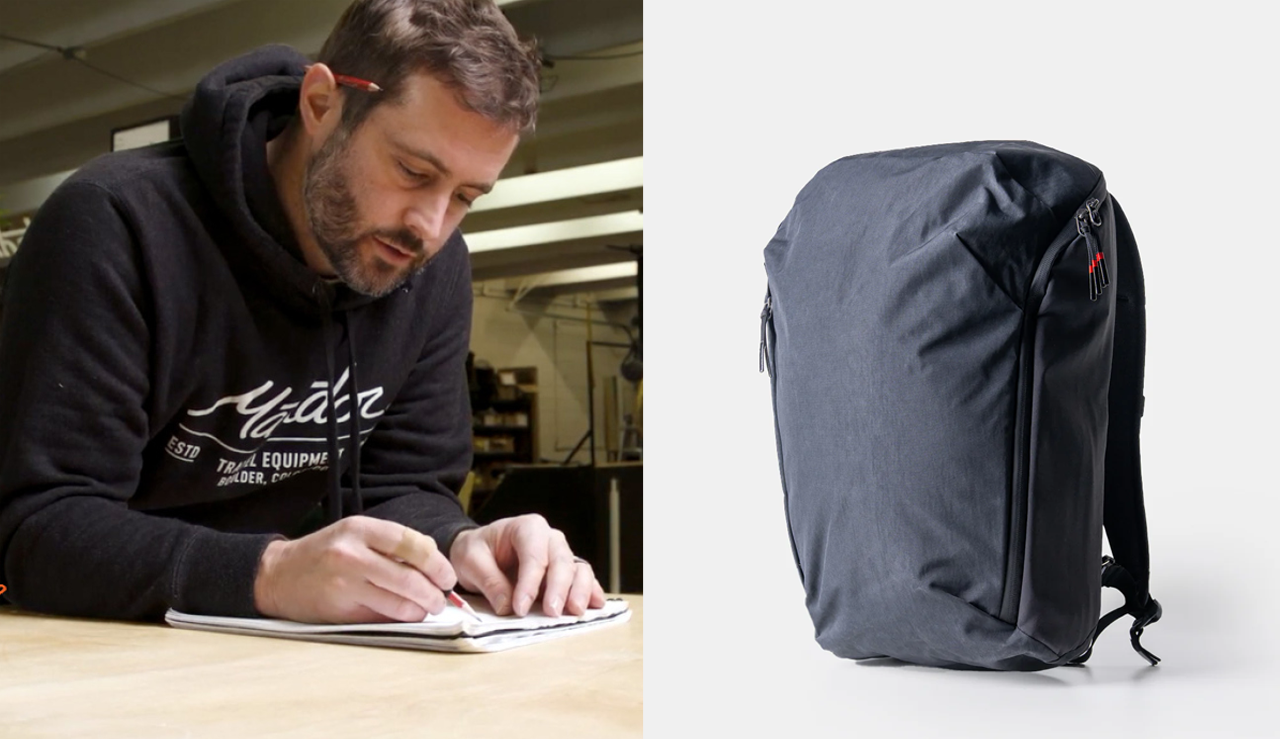
Sam Goodhue brings his creative expertise to Matador as their Lead Softgoods Designer. Skilled at patterning and sewing, Sam embraces “failing fast” with early-stage mockups to efficiently test ideas and solve problems. His methodical design approach allows for progressive development while still enabling the flexibility to explore the weird and wonderful, oftentimes where the magic happens.
James Jeffrey, Head of Product Design at Bellroy
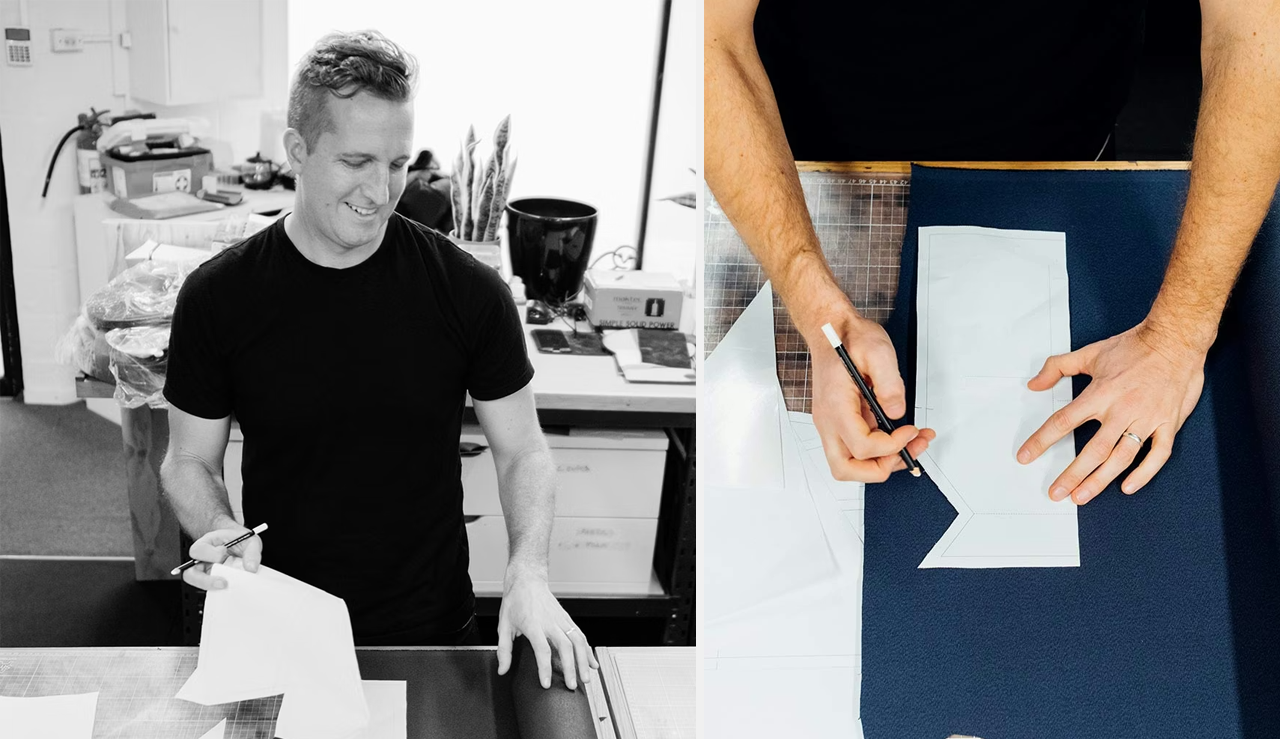
James (JJ) Jeffrey has been Head of Product Design at Bellroy for over a decade, helping shape the company from their early wallet-focused offerings to a global carry brand. Previous positions have included Senior Designer roles at Crumpler and Knomo. Key to his design approach is validating his assumptions, finding the balance between optimization and inspiration, and ensuring empathy is central to create solutions to real problems and needs.
Aaron Puglisi, Senior Softgoods Designer at Bellroy
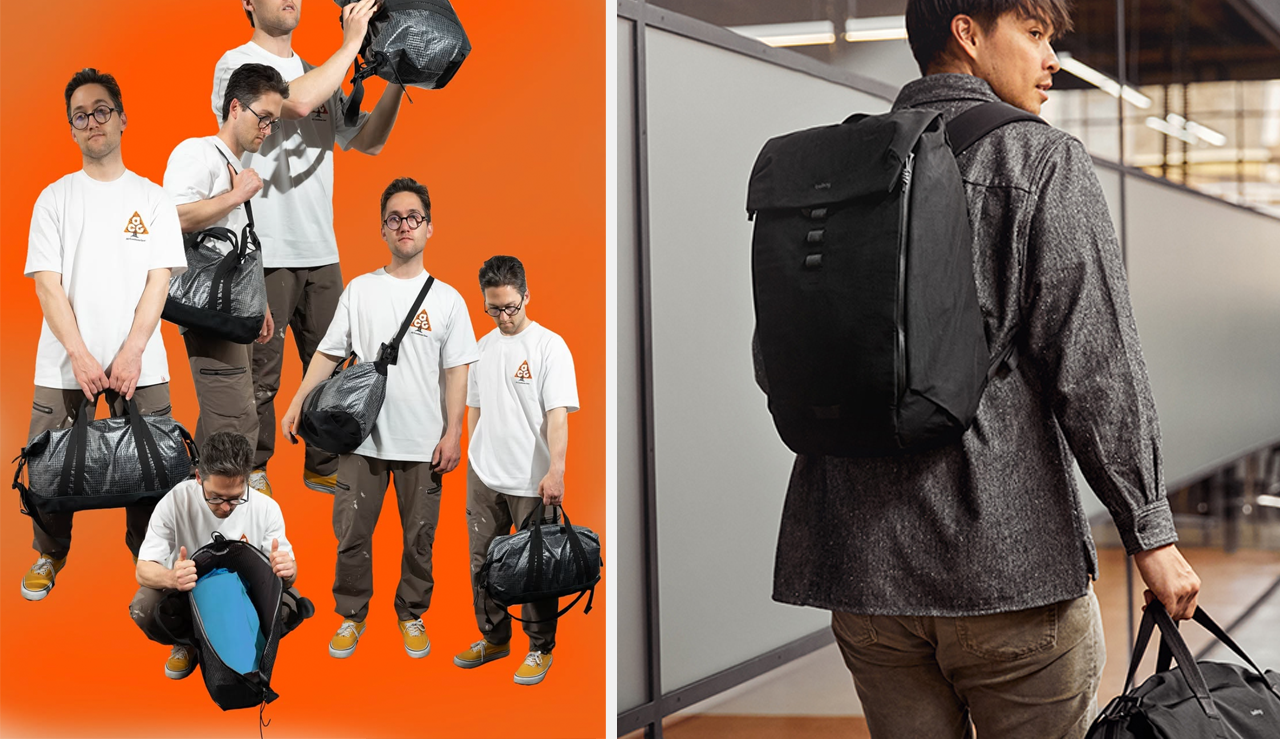
Aaron Puglisi is a Senior Softgoods Designer at Bellroy, with extensive experience across concept development, sketching, prototyping, sewing, factory visits, and more. While designing bags at Bellroy is his primary focus these days, Aaron also has a creative side project called The Denier Lab, where he shares his personal experiments in everyday carry. The Denier Lab offers an opportunity to explore more playful and at times less commercially viable carry projects, though he also finds design inspiration from apparel and footwear industries too.
Each week we’ll feature insights from one of the designers above, focused on various topics spanning the backpack design process. We’ll also update this post with links to each article once they’re published, so you can peer behind the creative curtain and see how the pros bring great carry gear to life.



Catherine Baecker-Khoury
Editor
Catherine is a tea addict and fan of hands-free carry. She loves hill scrambling, forest traipsing and great words.


 WAYS TO CARRY