



 Carry Awards
 Insights
 Liking
 Projects
 Interviews
 Carry Candy
 Community and Marketplace
Industry
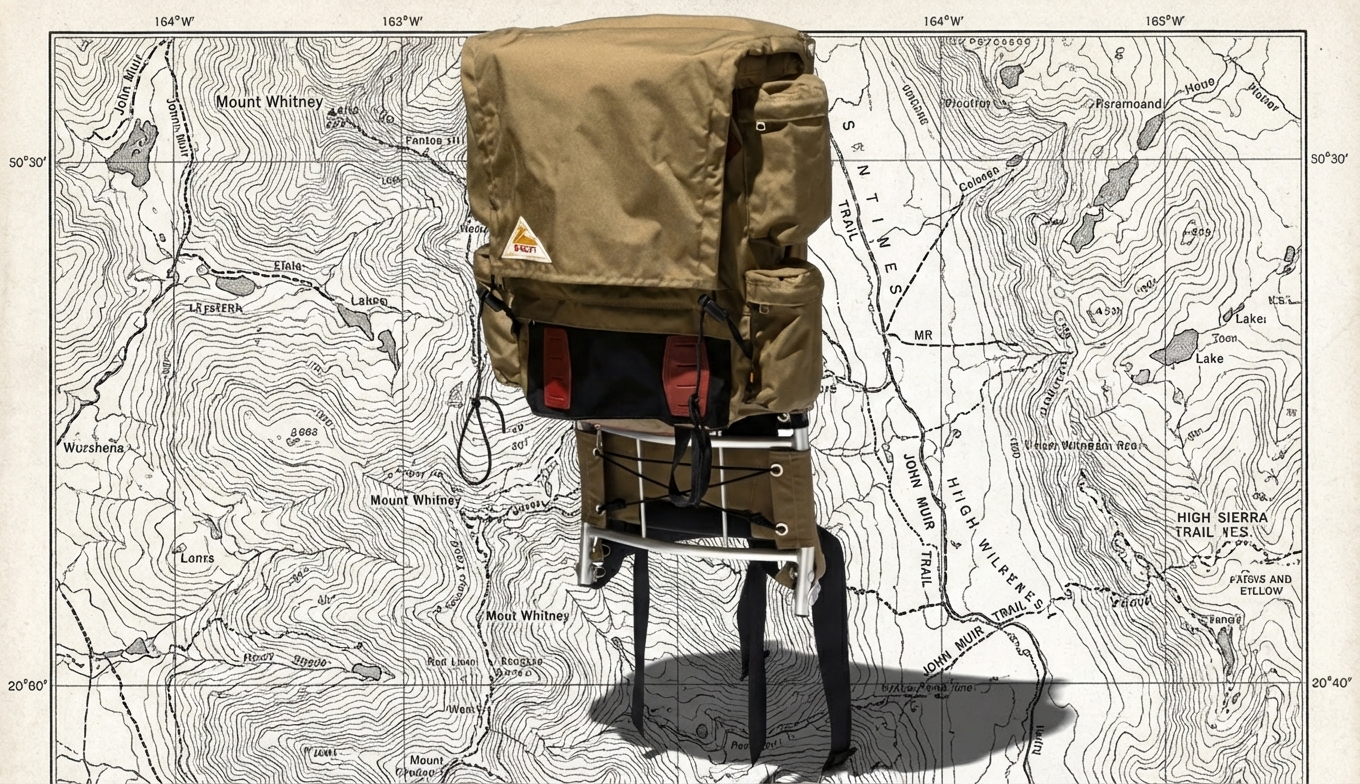
Dick Kelty was standing in his Glendale living room in 1952, hands wrapped around a length of aircraft‑grade aluminum tubing, applying heat and pressure until the metal curved to match the contours of a human spine. Around him, the detritus of his obsession: rivets repurposed from airplane fuselages, ripstop nylon that had recently been parachute material, and his wife Nena hunched over a sewing machine in the corner, feeding fabric under the needle.
They were building backpacks. And they were about to change how America experienced the outdoors.
This is a story about what happens when wartime technology meets peacetime dreams, when the same hands that built bombers start building gear for weekend warriors, and when a machinist with sore shoulders from a miserable camping trip decides there has to be a better way.
The Weight of the Old World
To understand what Dick Kelty invented, you first have to understand what backpacking was in the early 1950s.
It was, in a word, punishing.
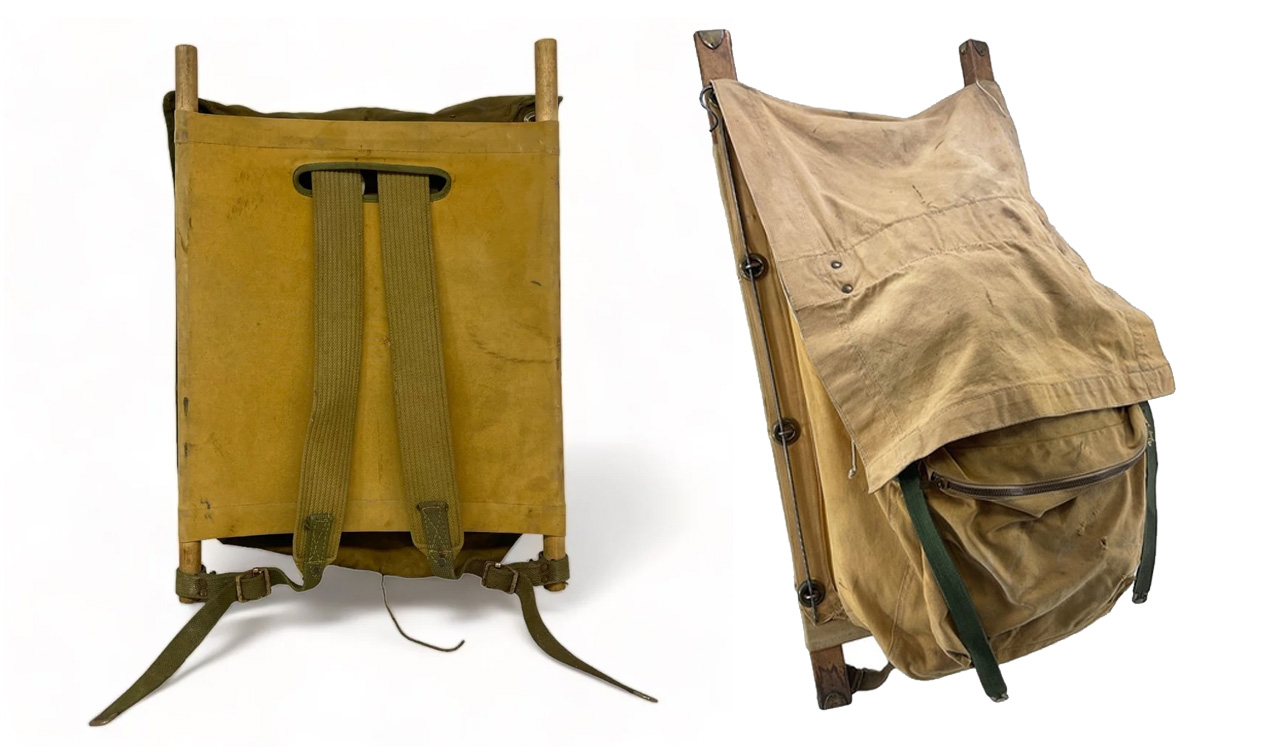
The Sierra Club—that venerable institution of American outdoorsmanship—was still recommending pack mules for serious trips into the backcountry. The backpacks available to average hikers were medieval contraptions: heavy canvas bags attached to wooden frames, with leather straps that dug into shoulders and distributed weight with all the ergonomic sophistication of a sack of potatoes. They were descended directly from military rucksacks and trapper gear, designs that hadn’t fundamentally changed since the 19th century.
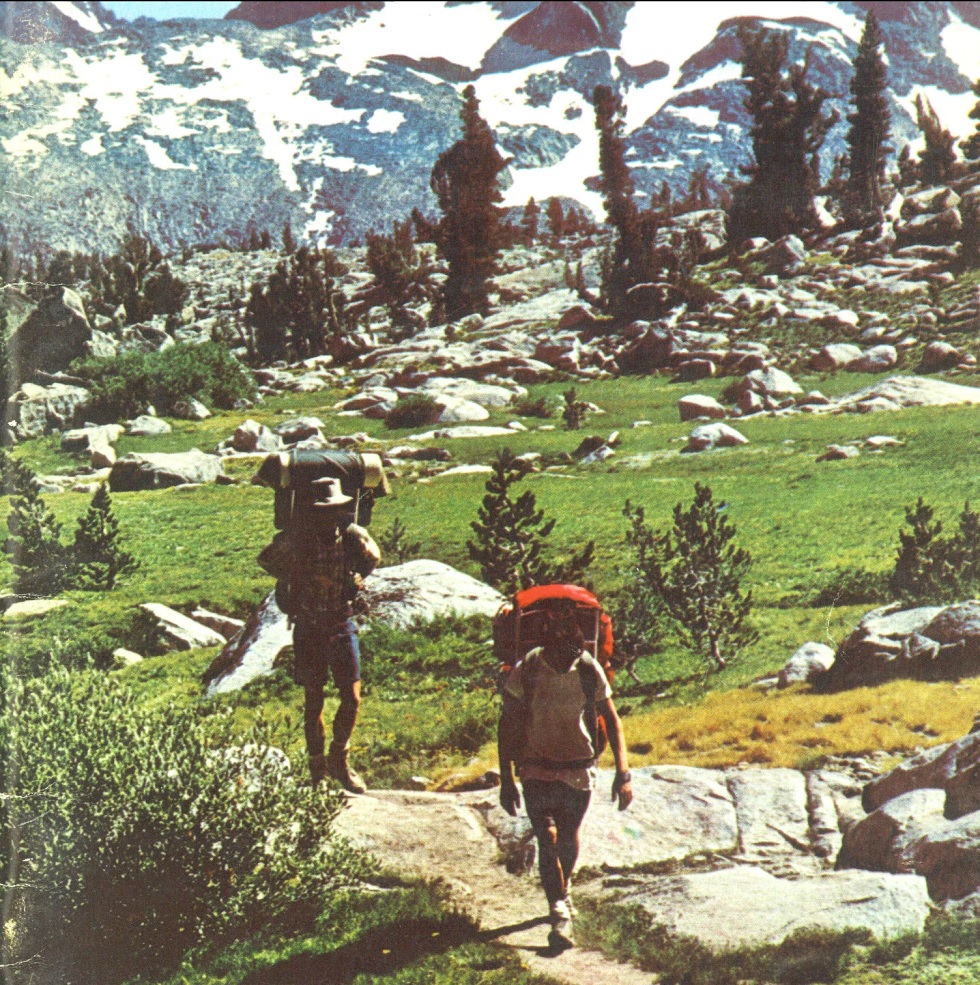
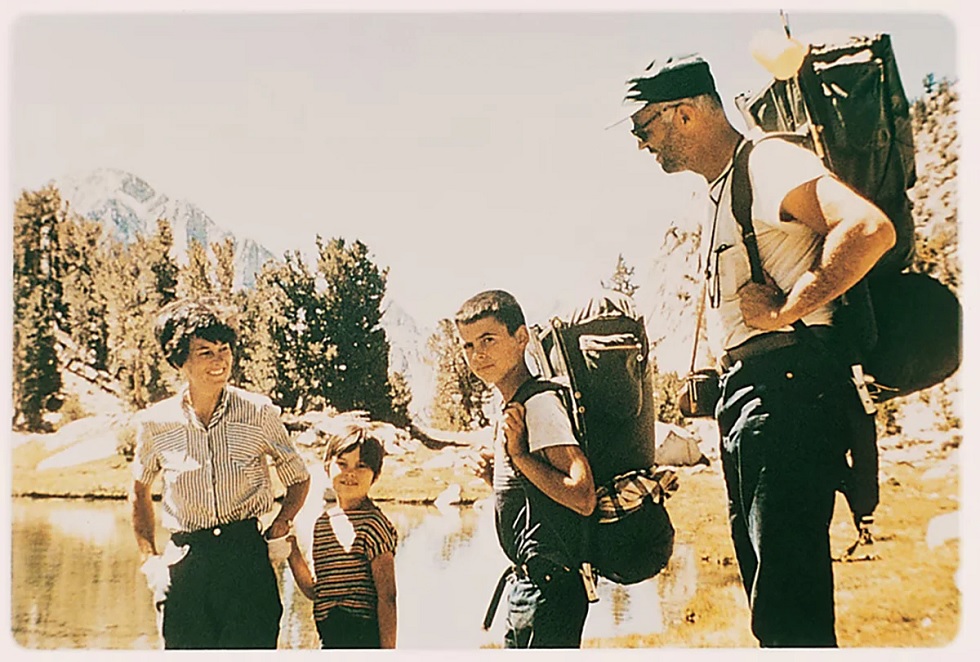
Dick Kelty knew this intimately. He and Nena were avid hikers, escaping Los Angeles on weekends to explore the San Gabriels and the Sierra Nevada. And every trip ended the same way: with aching shoulders, a sore back, and the nagging thought that there had to be a better solution.
Dick was a machinist. He’d spent World War II working for Lockheed and Northrop, part of the massive aerospace industrial complex that had transformed Southern California into the nation’s aviation heartland. He worked with aluminum tubing daily—lightweight, strong, infinitely shapeable. He saw nylon fabrics being tested for parachutes and aircraft components. He handled rivets and fasteners engineered to hold together machines that flew at hundreds of miles per hour.
And he kept thinking about that damn backpack.
The Kitchen Table Revolution
The breakthrough came from a simple observation: airplane frames distributed stress across multiple points. Why couldn’t a backpack frame do the same thing?
Traditional packs hung weight from the shoulders. Period. It was a design that made sense if you thought of the human body as a simple vertical column, but anyone who’d actually carried 40 pounds for ten miles knew the human body was anything but simple. The spine curves. The hips are stronger than the shoulders. Weight needs to be distributed, not just suspended.
Kelty started sketching. Then he started bending.
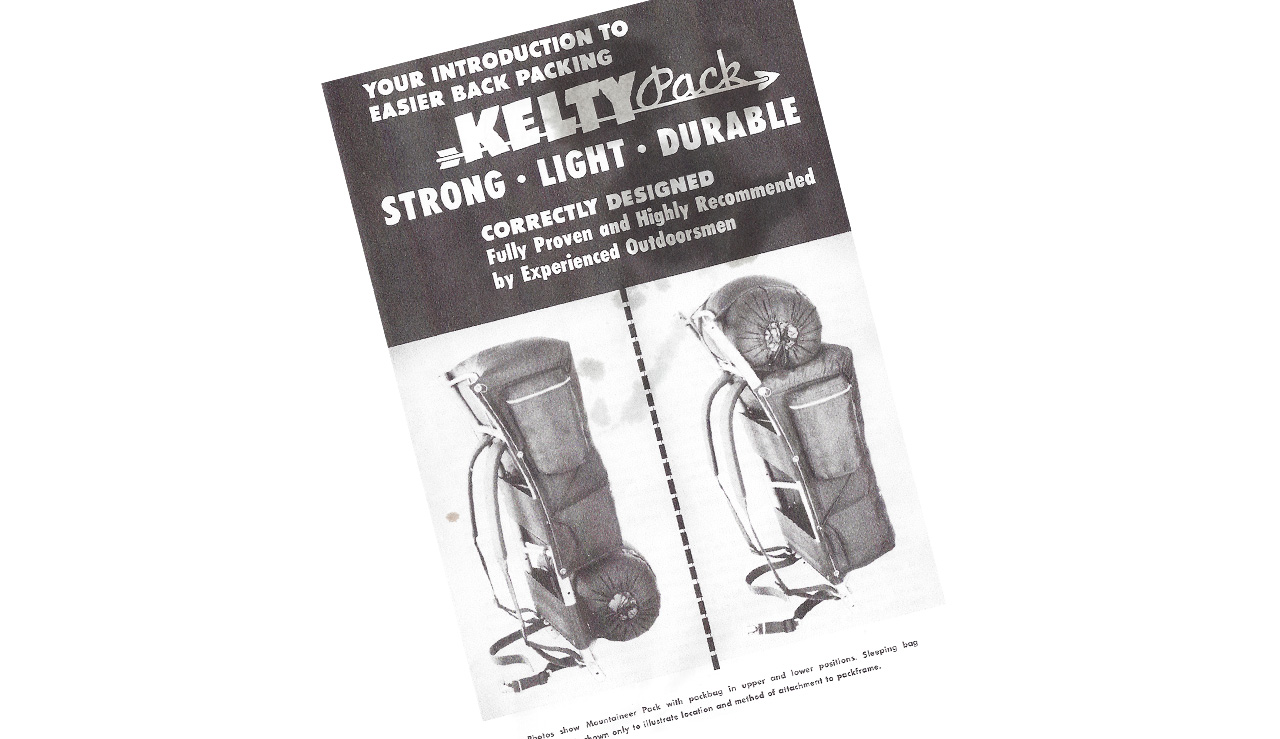
The first Kelty pack—assembled in that Glendale living room in 1952—featured an external frame made of aircraft aluminum tubing. The frame transferred weight from the shoulders to the hips through a padded waistband—a revolutionary concept at the time. The bag itself was sewn from ripstop nylon, the same material used in parachutes, making it lighter and more durable than canvas. The attachment points used rivets repurposed from aircraft construction.
It weighed a fraction of traditional packs. It carried weight better. And most importantly, it was comfortable.
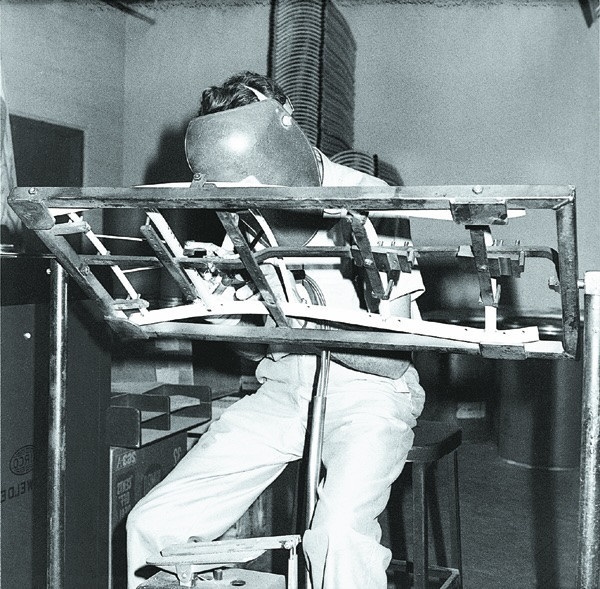
Nena, who’d been sewing since childhood, became the production department. Dick bent frames and assembled hardware. They worked in the evenings after Dick’s day job, turning their living room into a small factory. They sold their first packs to friends and fellow hikers, charging around $24—a significant sum in 1952, but cheap compared to the alternative of hiring a pack mule.
Word spread the way it always does in the outdoor community: person to person, trail to trail. Someone would show up at a trailhead with this strange aluminum contraption on their back, and by the end of the trip, everyone wanted to know where they could get one.
In those early years, most of what Dick was doing lived in the realm of craft rather than formal intellectual property. He bent and re‑bent frames, moved cross‑bars, tweaked the angle of the hip belt, and adjusted strap geometry the way a good mechanic tunes a carburetor. People who worked with him would later say he developed some of the first truly adjustable pack frames, the kind you could tweak to fit different bodies instead of being stuck with a single, fixed geometry. Whether or not every one of those solutions ever made it into a patent application, they formed the core of what serious backpackers came to recognize as “a Kelty.”
The Movement
Now, it’s worth noting, the Kelty pack didn’t emerge in a vacuum. It was a product of a very specific time and place: postwar Southern California, where the technologies of war were being repurposed for peace.
The 1950s were the golden age of American aerospace. Lockheed, Douglas, and Northrop employed tens of thousands of workers in the Los Angeles basin. These companies had spent the war years developing new materials, new manufacturing techniques, new ways of making things lighter and stronger. When the war ended, those workers—and that knowledge—didn’t disappear. They just found new applications.
Dick Kelty was part of a broader movement of aerospace engineers and machinists who brought their day jobs home with them. The most famous example is probably the surfboard revolution: engineers from Douglas Aircraft and other aerospace companies used their access to polyurethane foam, fiberglass, and wind tunnel testing to transform surfboard design in the late 1950s and early 1960s.
But the outdoor gear revolution was just as significant, if less celebrated. Kelty wasn’t alone. Gerry Cunningham in Colorado was doing similar experiments with aluminum frames and nylon. Lloyd Nelson at Trailwise was developing his own designs. And Don Jensen was working on something that would soon become the Jensen Pack.

The Democratization of Wilderness
The postwar decades saw an explosion in outdoor recreation. The Interstate Highway System made remote areas accessible. Rising incomes gave middle‑class families disposable income for leisure activities. The Sierra Club and other conservation organizations were growing rapidly, promoting wilderness as a spiritual and physical refuge from modern life.
But the gear was holding people back. Traditional backpacking was the domain of serious outdoorsmen—people willing to suffer through the discomfort and expense of heavy, cumbersome equipment or pack animals.
The Kelty pack changed that equation. Suddenly, a weekend backpacking trip was accessible to average people. You didn’t need to be an experienced mountaineer or hire a pack mule. You just needed a Kelty pack and a sense of adventure.
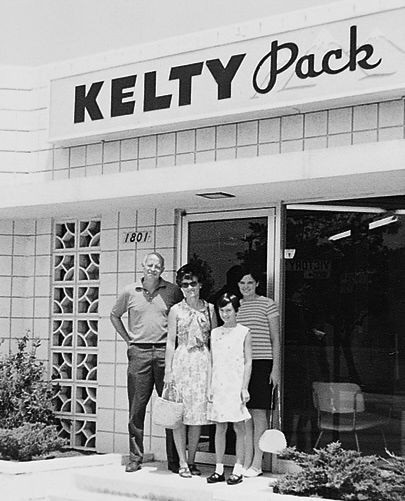
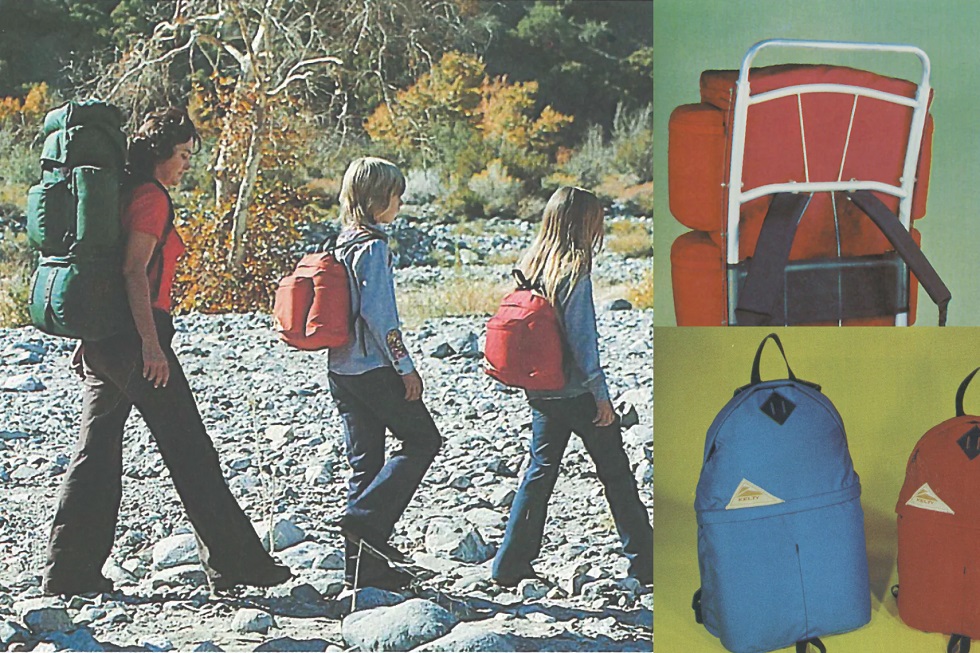
By the late 1950s, Dick and Nena had moved production out of their living room and into a proper factory in Glendale. They were producing thousands of packs a year. By the 1960s, Kelty had become the dominant name in backpacking. The distinctive aluminum frame became an icon of American outdoor culture, as recognizable as a Coleman lantern or a Swiss Army knife.
The design was so successful that it remained essentially unchanged for decades. If you went backpacking anytime between 1960 and 1990, chances are you either used a Kelty pack or something directly inspired by it. The external frame design became the standard for serious backpacking, only gradually being supplanted by internal frame packs in the 1990s and 2000s. And as competitors began filing their own patents on frame geometries, harness adjustments, and bag‑to‑frame interfaces, many of those documents quietly acknowledged, in their “prior art” sections, what hikers already knew: that the basic problem of how to carry heavy loads on human backs had been cracked years earlier in a small house in Glendale.
The Man Behind the Frame
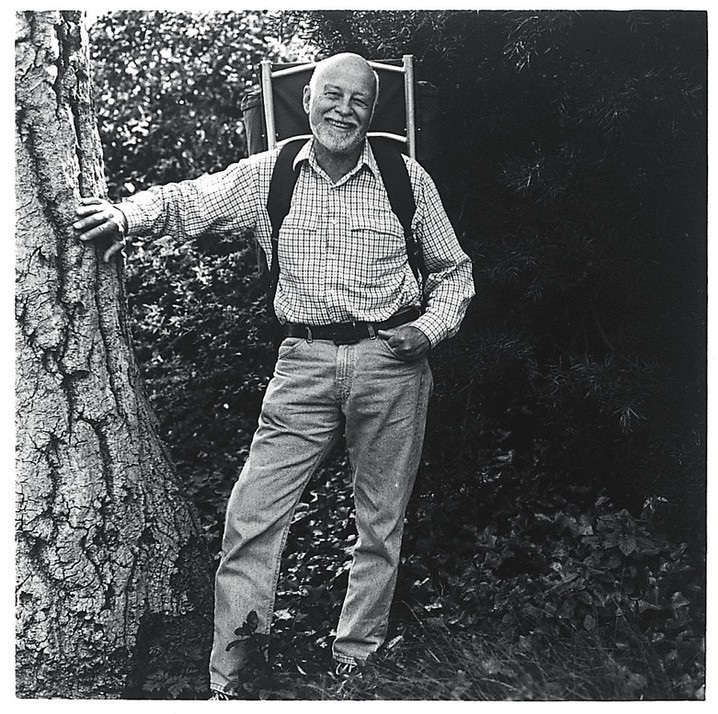
Dick Kelty himself remained remarkably humble about his achievement. In interviews later in life, he downplayed his role as an inventor, insisting he was just trying to solve a personal problem. “I just wanted a pack that didn’t hurt,” he told one interviewer.
But those who knew him recognized something deeper. Dick was a tinkerer, an obsessive problem‑solver who couldn’t leave well enough alone. Even after Kelty Packs became a successful business, he continued to refine and improve his designs. Those adjustable frames people remember—the ones that could be nudged longer or shorter, straighter or more curved—were his work. He experimented with different materials and configurations, always chasing that elusive combination of lightness, strength, and comfort.
Nena, often overlooked in early accounts, was equally essential to the company’s success. She didn’t just sew the bags—she designed many of the features that made Kelty packs distinctive. The pocket configurations, the closure systems, the ways the bags attached to the frames: these were Nena’s contributions. In later interviews, she recalled those early days in the living room with a mixture of nostalgia and exhaustion: “We’d work until midnight, then get up and do it again. But we believed in what we were making.”
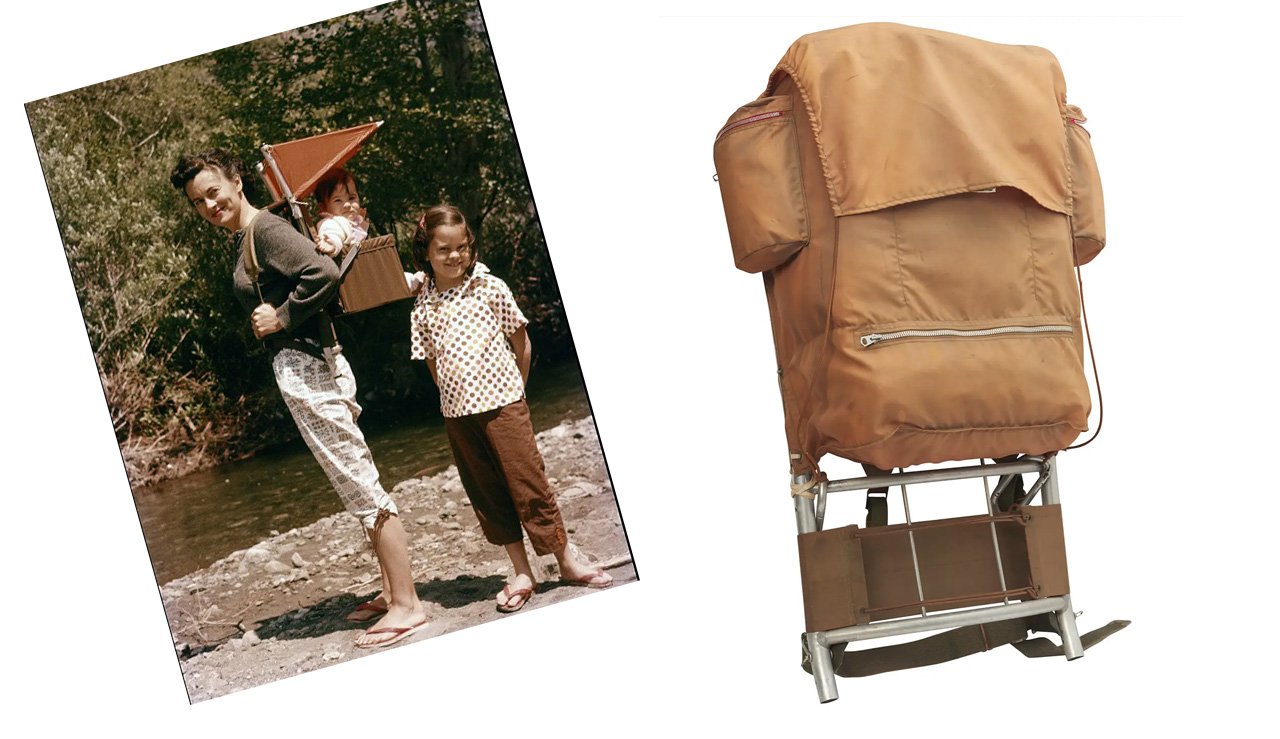
Their son Asher grew up in that world of jigs and fabric scraps and half‑finished prototypes. His 1979 patent was, in many ways, an heir’s contribution to a family trade: taking the intuitive adjustments his father had always made by feel and translating them into a repeatable, engineered system that anyone could use. It’s one of the few places where the Kelty name appears in the formal technical canon of backpack innovation, a reminder that behind the lore and the living‑room mythology there was real engineering rigor at work.
The Keltys eventually sold the company in 1970, though Dick continued to consult on pack design. He remained active in the outdoor community until his death in 2004 at age 91, still hiking and camping well into his eighties, still carrying packs of his own design.
The Legacy
Today, the external frame pack has largely been replaced by internal frame designs that offer sleeker profiles and better performance for some terrain. But the fundamental innovations Dick Kelty pioneered—hip belts that transfer weight to the legs, frames that follow body contours, lightweight synthetic materials—remain standard in every modern backpack.
More importantly, Kelty’s innovation represents a pivotal moment in outdoor culture: the point when wilderness recreation shifted from an elite pursuit to a mass activity. The Kelty pack was democratic technology, making the backcountry accessible to anyone with the desire to explore it.




Michael Knispel
Editor-In-Chief
Mike’s our editor-in-chief, storyteller, and master traveler. He’s been at the helm for over a decade, spearheading our stories, partnerships, and brand at large.



 WAYS TO CARRY