



 Carry Awards
 Insights
 Liking
 Projects
 Interviews
 Carry Candy
 Community and Marketplace
Insights
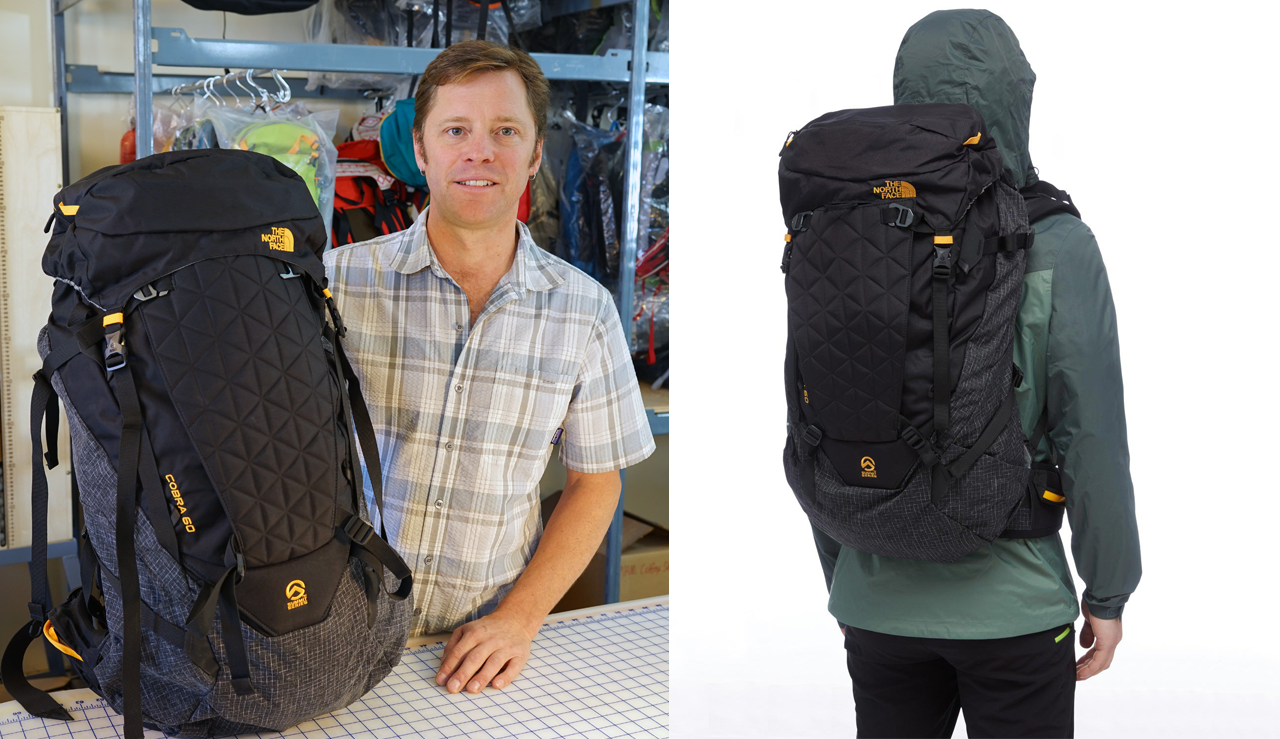
So you’ve wrapped your head around the design brief, explored your early sketches, and built that vision in your imagination. Now comes the exciting (and sometimes daunting) part: making it real.
Turning a concept into a physical product can feel like the biggest leap in the process — but there are several tools and methods that help bridge that gap. At Wookey Design Studio, we’re strong believers in hands-on prototyping in our Sample Room in Bozeman, Montana. But for many designers, especially early in the process, “making it real” starts with digital models and renderings.
Below are a few of the approaches we’ve used — what they’re great for, and where they fall short.
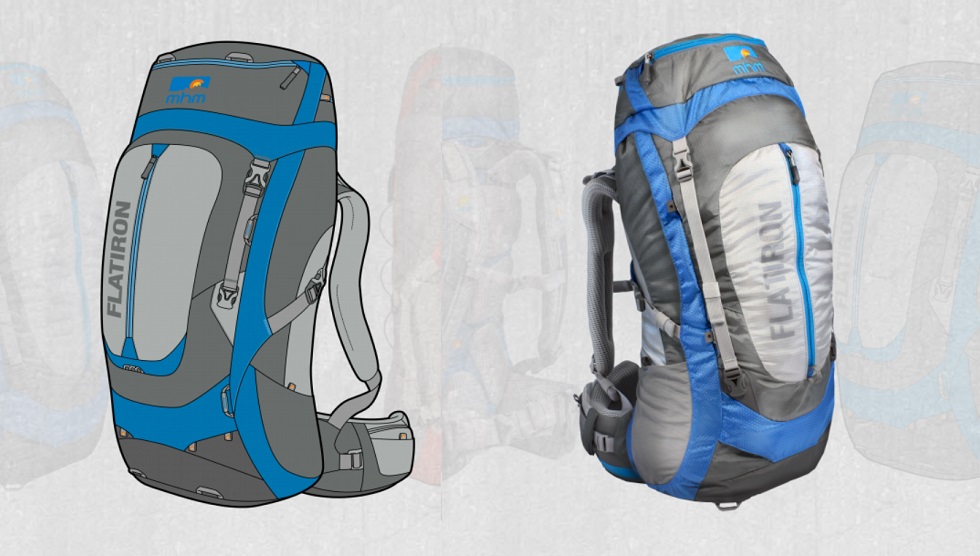
CAD-CAM Modeling
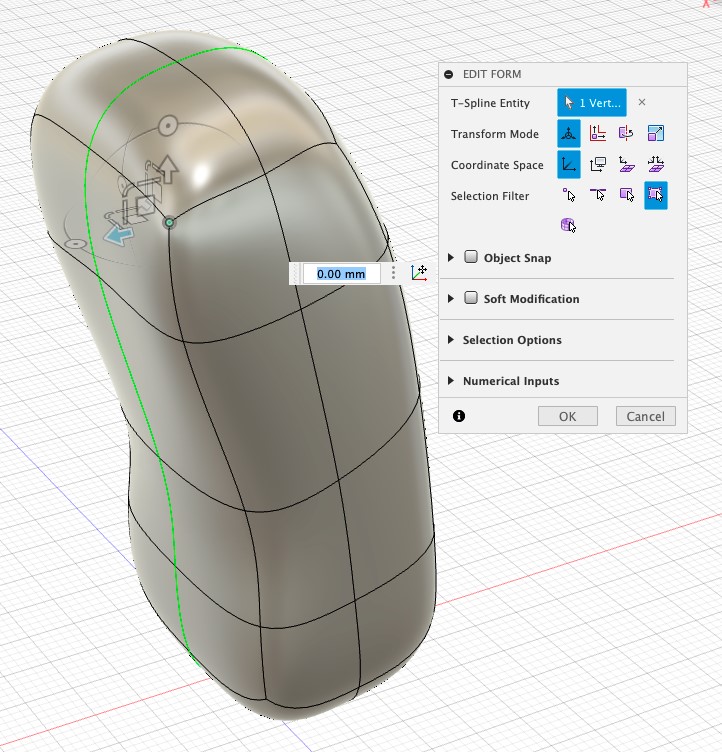
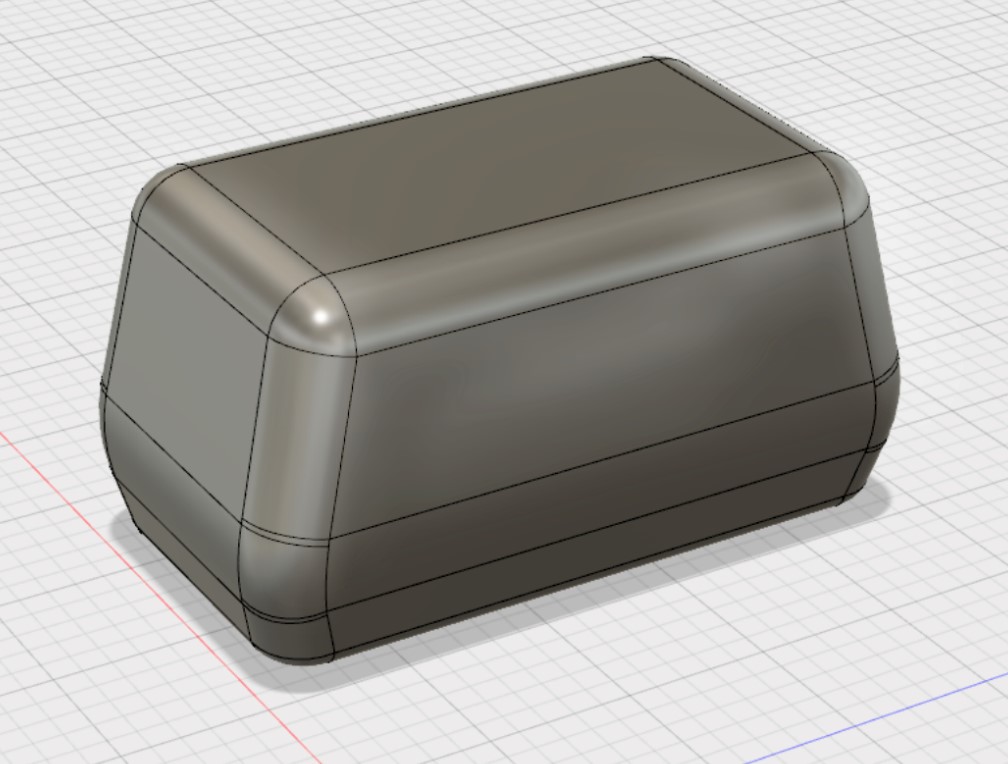
Programs like Rhino or Fusion 360 are great for establishing the overall geometry of a pack. With Fusion, we often build a bi-laterally symmetrical mesh model — tweak one side and the other updates automatically. This lets us quickly explore the classic backpack “bean” shape, check scale, and even estimate volume.
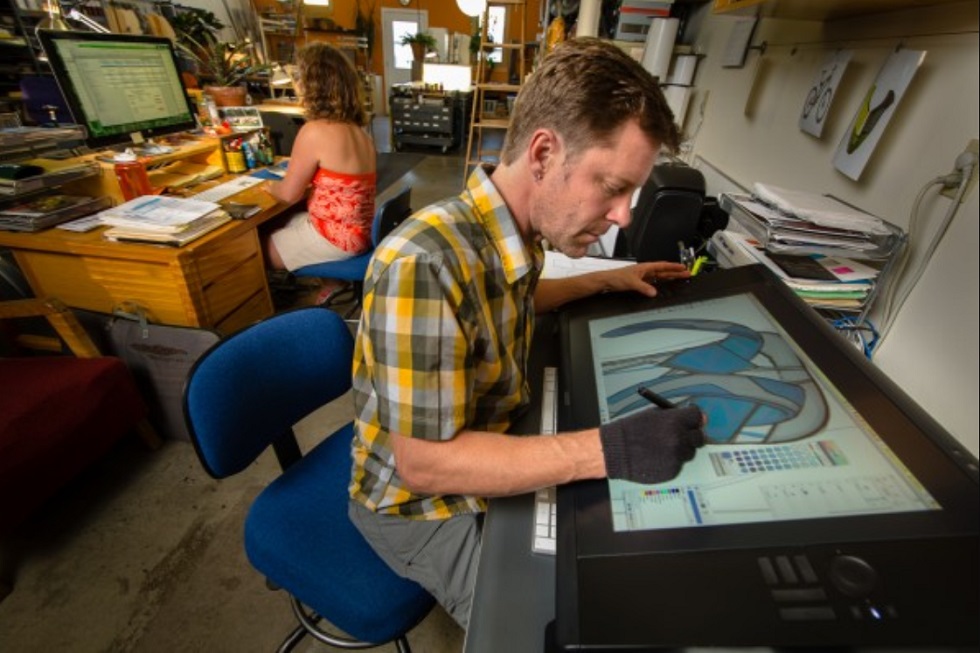
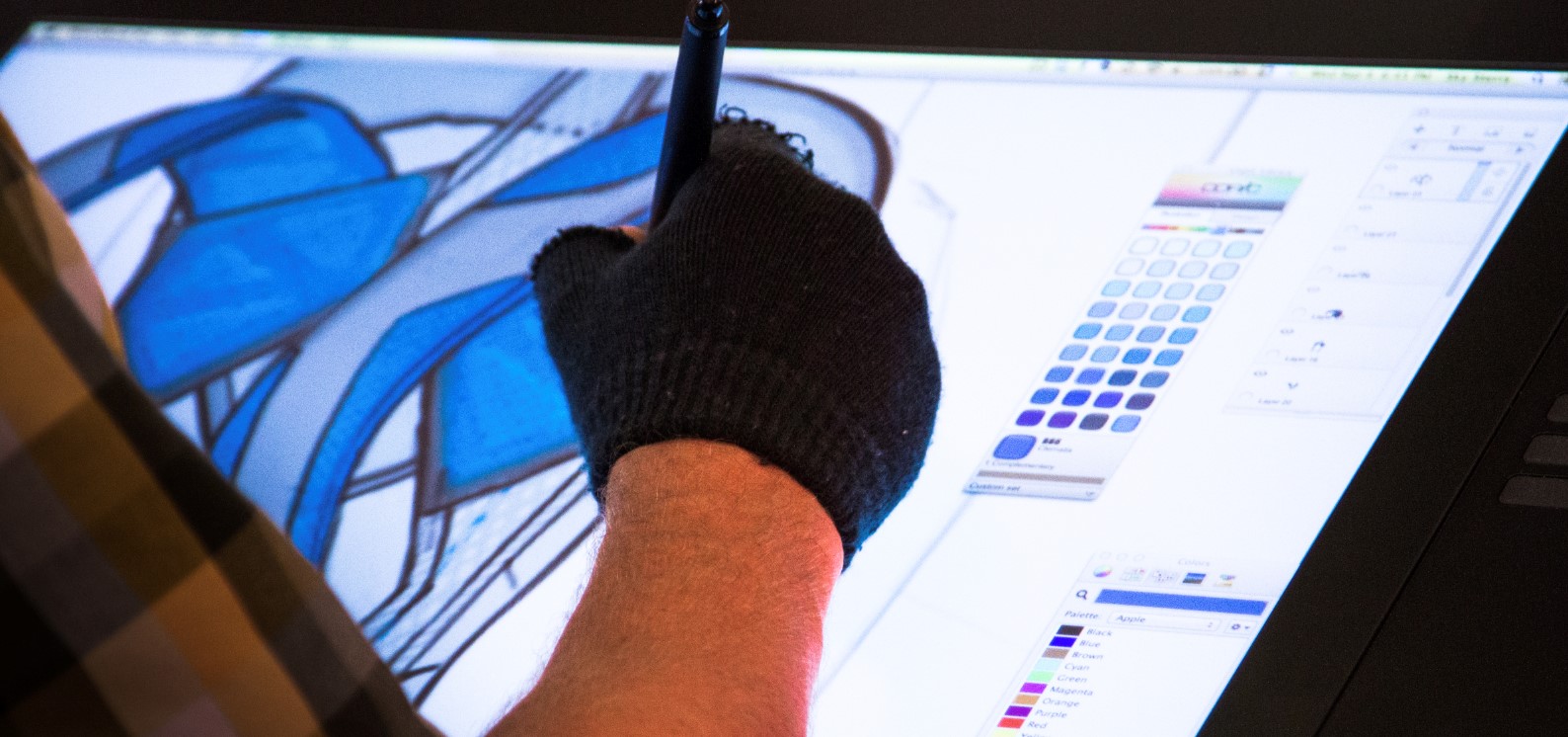
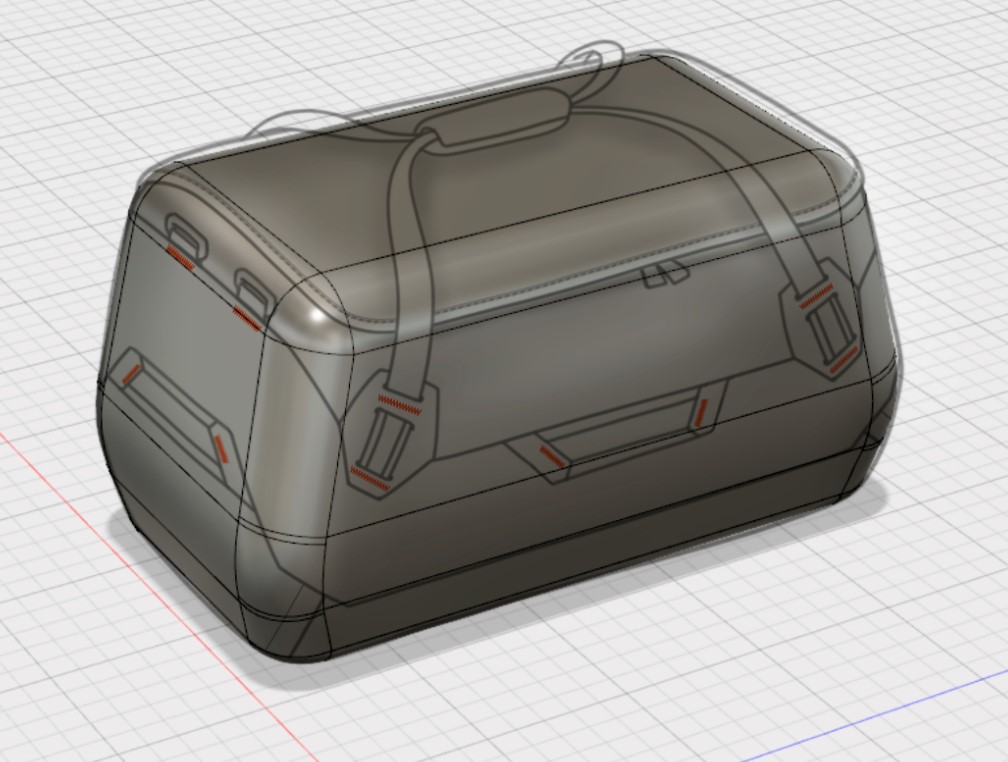
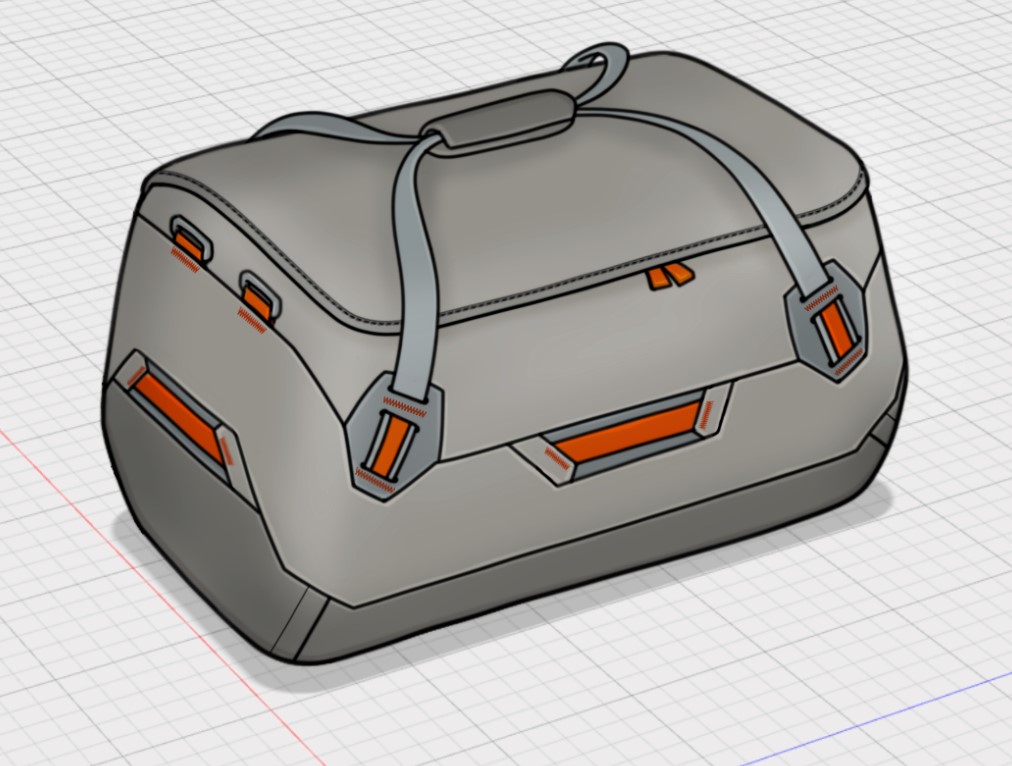
Digital models are also valuable for reviewing the design from multiple angles. We’ll generate orthographic and isometric views, take simple screenshots, and bring those into our sketch software (we prefer Sketchbook Pro) to refine details. This ensures drawings stay to scale and the design is considered from every perspective.
That said — details can be a challenge. Unless you have 3D models of hardware (buckles, zippers, etc.), it can feel a bit abstract. We’ve experimented with exporting seam lines and developing patterns via tools like ExactFlat, but haven’t had consistent success. Others may have better luck!
3D Pattern Software
CLO 3D has become a go-to in the outdoor industry — and for good reason. When mastered, it can generate incredibly accurate 3D backpack visualizations, down to zipper pullers and panel tension. Pattern changes update the 3D model in real time. It’s genuinely impressive.
But like any powerful tool, it demands a significant learning curve. You have to already understand patterns — whether created by hand and digitized in, or drafted directly in the software. We stepped away from CLO because of the time investment required, but designers who put in the hours will be rewarded.
AI Design Tools
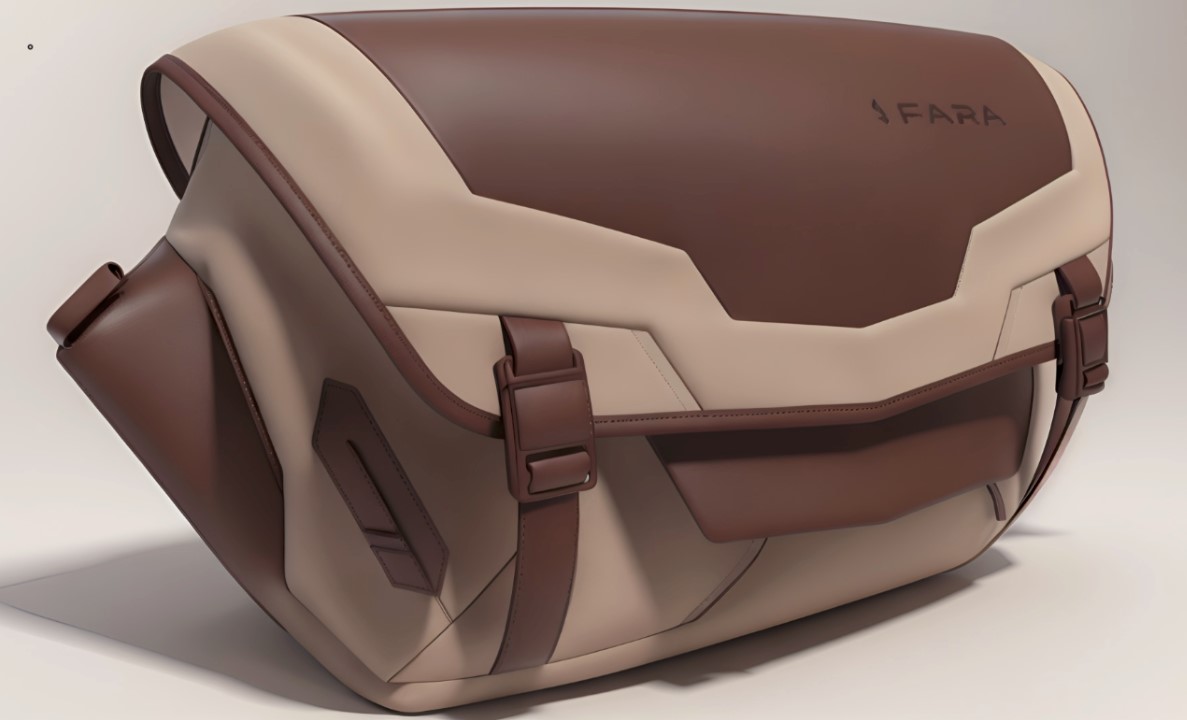
AI is coming fast, and we’re watching closely. Tools like Viscom and others are evolving, and they can be useful for early exploration. But right now, AI still struggles to design new things. It recombines what already exists — often leading to “good averages” instead of standout originality.
And, frankly, it doesn’t yet understand the realities of sewn goods:
– Zippers shouldn’t cross through webbing
– Fabrics curve, fold, and drape
– Structure matters when you load gear
We see AI (for now) as inspiration fuel — not a way to truly “make it real”.
The REAL World
This is our favorite part. Our process, like many designers, follows a familiar arc:
Design Brief → Early Sketching → Concept Review → Detailed Sketching → Final Concept → Prototyping
That first physical prototype (P1) is where everything clicks. And yes — it’s also where the real work begins. And honestly, some of our biggest “ah-ha” moments come during that build process. Sometimes it takes getting “hands-on” with a design to really start to find the pain points, and areas of a design that need special attention.
We start by hand-building patterns using a proprietary but industry-friendly method:
– Construct a full-scale form using card stock (think heavy folder paper)
– Add a rigid back-panel template made from 1.5 mm HDPE
– Sometimes introduce curvature with an aluminum strip
– Tape your pack together one seam at a time
Then: evaluate → adjust → refine → repeat. It usually takes several cycles to dial everything in — but nothing beats holding the design in your hands.
Once we’re confident in that card model:
– We digitize the patterns
– Clean and finalize them in our textile software
– Laser-cut fabric
– Build the P1 sample
We iterate a few more rounds until the pack is ready for the factory — structurally, aesthetically, and functionally aligned with the vision.

The Future
We’re standing on the edge of a true revolution in “making it real,” where Artificial Intelligence and Virtual Reality begin to merge into one seamless creative environment.
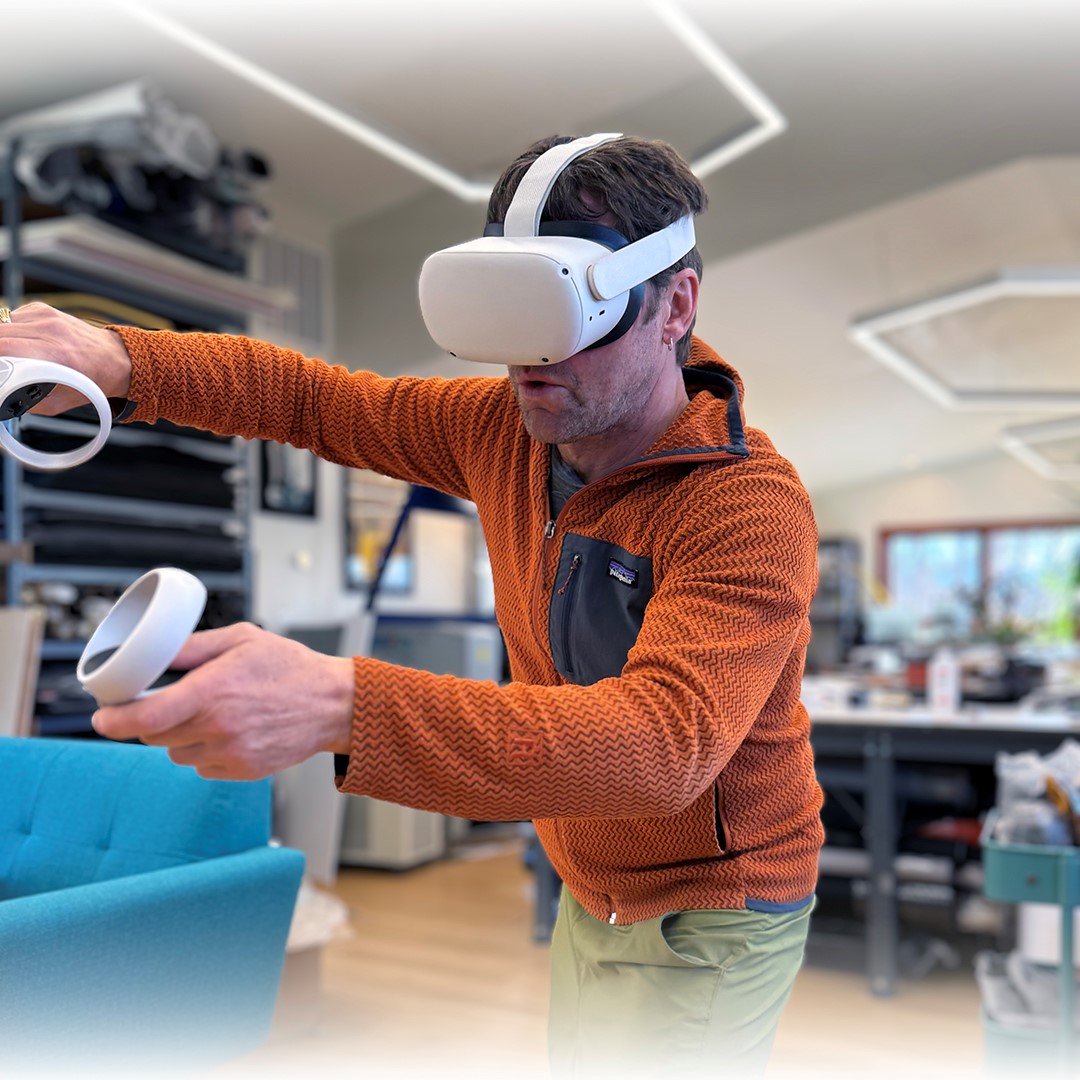
VR design systems already exist — you can put on a headset and build CAD/CAM mesh models, or draw and paint directly in three dimensions. The promise is there, but the tools still feel early. You can sculpt a backpack form in VR, but try adding precise style lines or pattern breaks on its surface and things quickly fall apart — lines cut through the model, geometry gets messy, and accuracy becomes a challenge.
Still, it’s not hard to imagine what’s coming next. Picture using haptic gloves that let you sculpt symmetrical shapes with your hands, feeling resistance as you touch the virtual surface. You summon menus that hold your buckle library, webbing, zippers — every component at your fingertips in a fluid, intuitive space. Meanwhile, AI runs quietly in the background, mapping biomechanics, analyzing weight transfer, performing structural vector analysis — ensuring your pack not only looks right but functions at a high level.
Why “Making It Real” Matters
Software, AI, VR — they’re all incredible tools. But the heart of design remains the same:
To make the bag in your hands feel exactly like the idea in your head. That’s the moment when imagination becomes tangible, when pixels and sketches turn into form and function. Whether you’re cutting card stock, sculpting in VR, or collaborating with AI, “making it real” is where creativity meets craft — and where every great backpack truly begins.
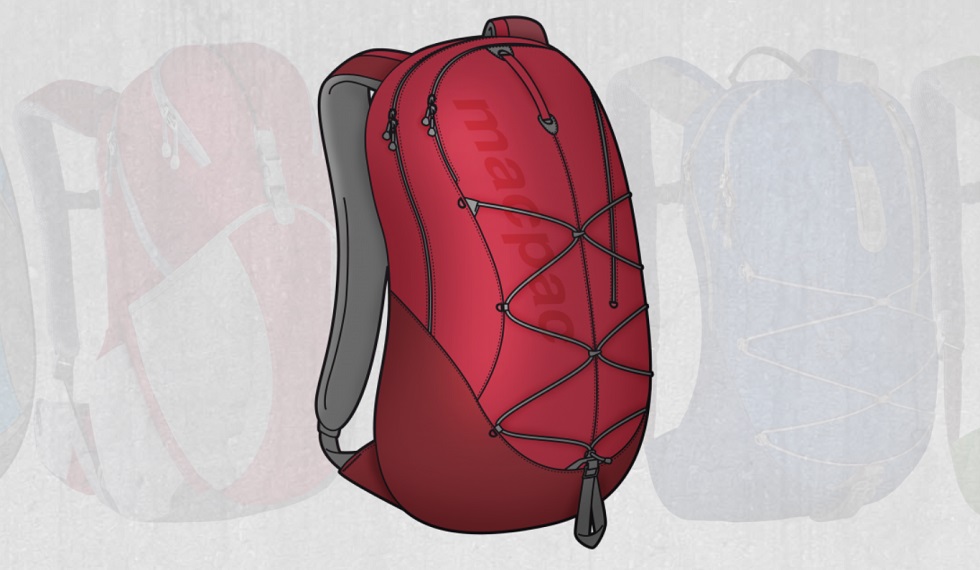
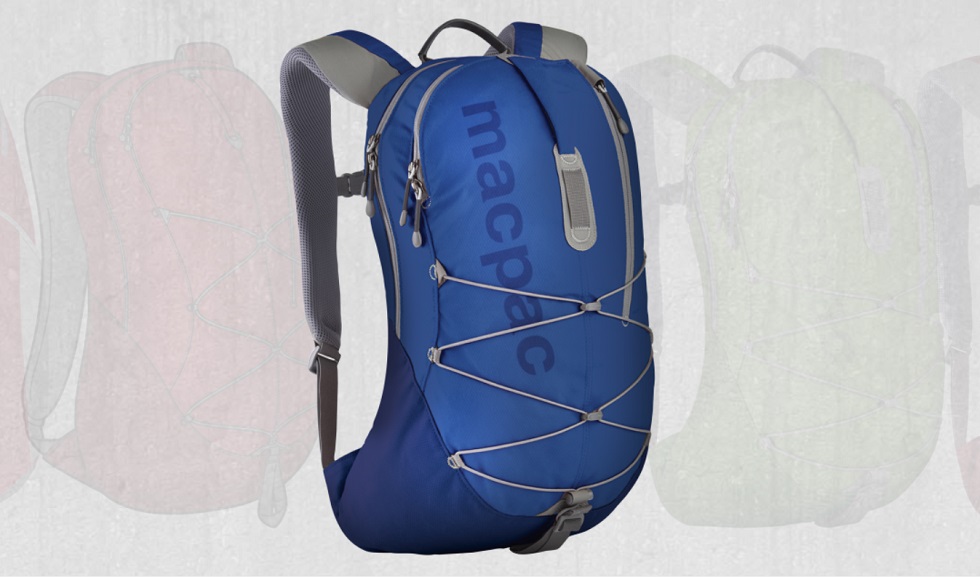
Sky Sterry is a co-founder of Wookey Design Studio and FARA Bags. Find him at: Wookey Design Studio; FARA; LinkedIn



 WAYS TO CARRY