



 Carry Awards
 Insights
 Liking
 Projects
 Interviews
 Carry Candy
 Community and Marketplace
Insights
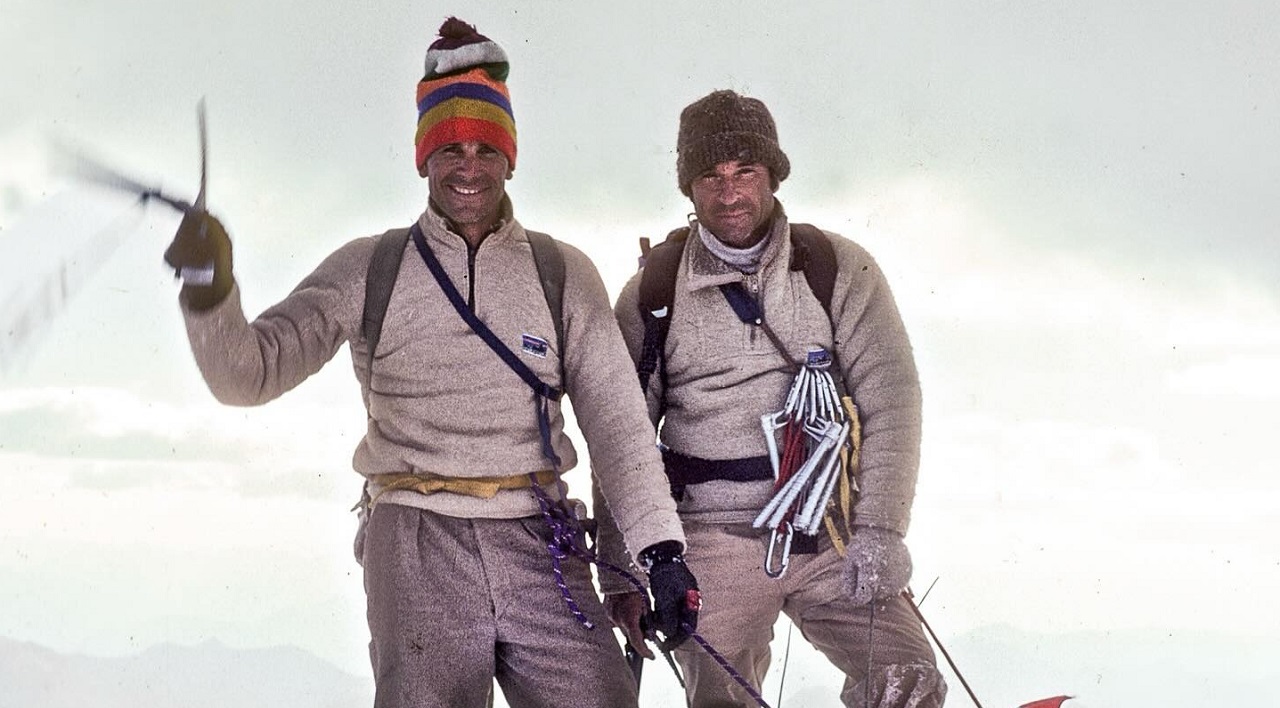
“The south face is the most often climbed, the snow is softer, and the sunlight makes it warmer. I prefer the more difficult side. The hard, icy face. The North Face is a more difficult challenge. That’s the route I take in life.”
– Doug Tompkins on creating the name ‘The North Face’
Picture this: you’ve taken off to the depths of South America with a handful of your climbing pals. The goal? To be the first Americans to climb to the peak of Patagonia’s Mount Fitz Roy. Some of you are more experienced climbers. All of you have a thirst for the wild, for thrills, for something outside the everyday. You have the strength — and recklessness — of youth on your side, and all of you have grit that defies sanity. Perhaps none more so than Douglas ‘Doug’ Tompkins.
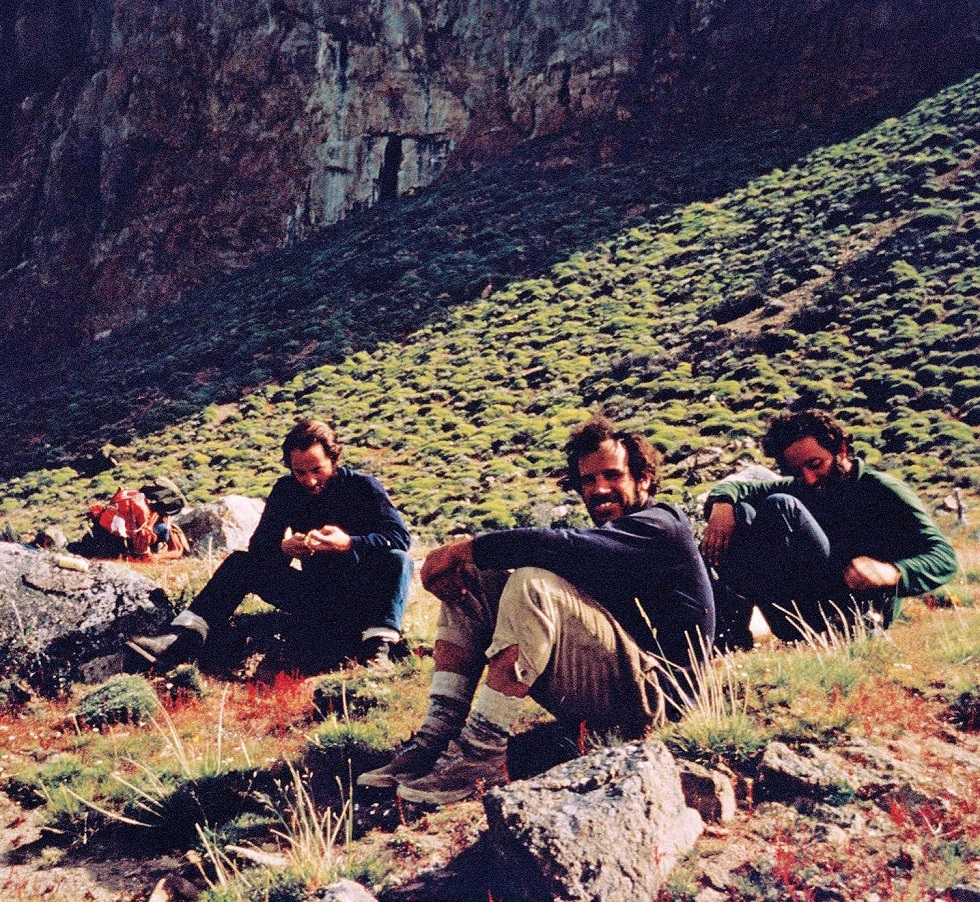
The weather doesn’t go your way. You’ve all spent days carving out a snow cave should you need to seek shelter from the ferocious Patagonian winds, and day after day the weather just will not quit. When accident strikes and a fellow climber sends an ice axe through his knee, the group has no choice but to take shelter in the cave for longer still. Days turn to weeks, sanity descends into near-madness, and it is here that you consider if this might just be the playground of fools.
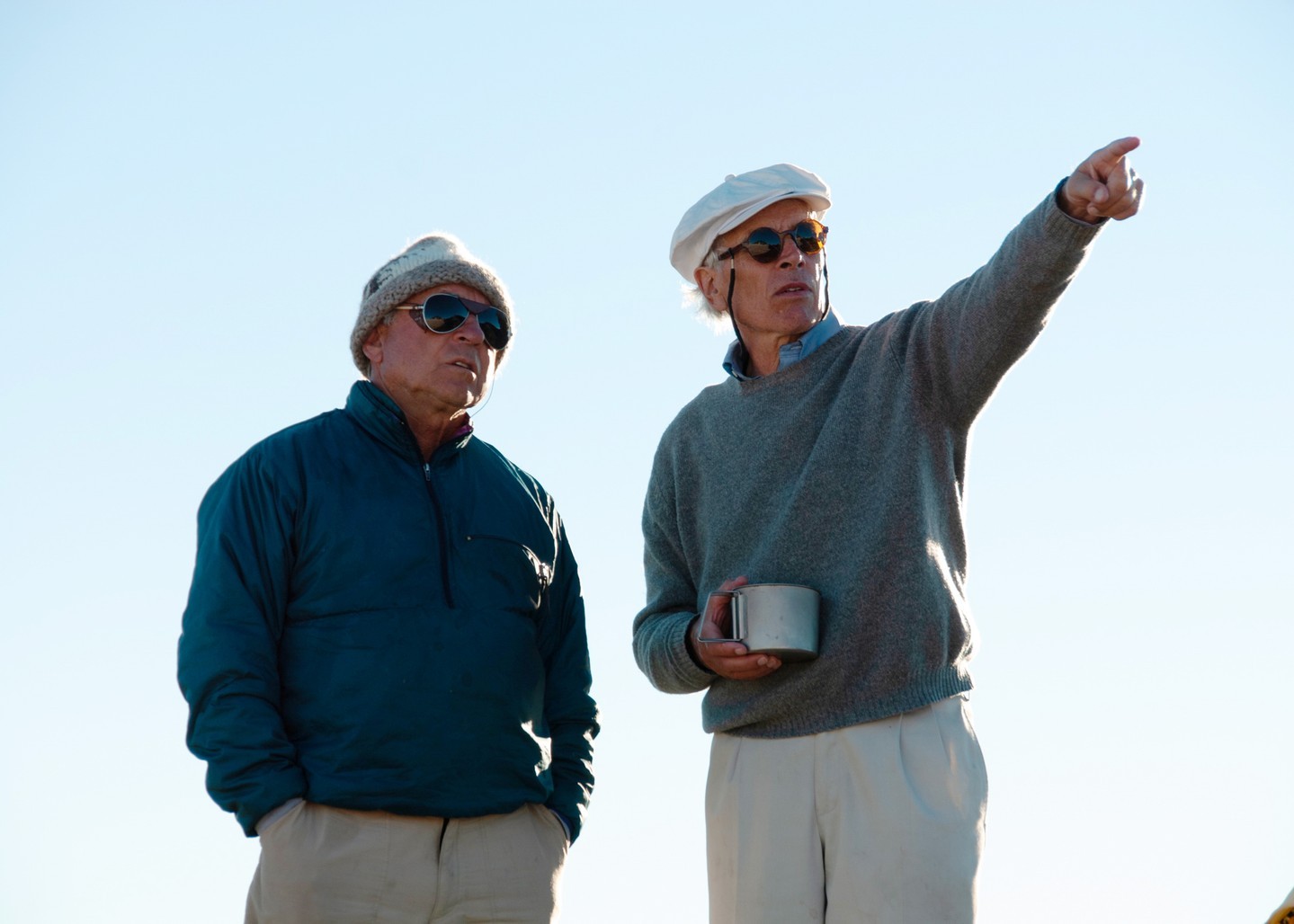
Doug Tompkins is perhaps better known as a founder of Esprit, or as an expert conservationist in South America. Ask his ex-wife and co-founder of Esprit and you might hear he’s a narcissistic control freak. Ask his friends and you’ll learn he’s a perfectionist, a style master, a go-getter. Doug Tompkins was a complex amalgamation of parts. This made him sometimes misunderstood, often disliked, yet ultimately respected for achieving things in a way that most regular people don’t.
Before Doug co-founded the multi-million-dollar retail company Esprit, he created The North Face. He started the business with a $5,000 loan, for people like him who were in search of gear that was practical, efficient, and cutting-edge. The store became a hangout haunt in the hip up-and-coming town of North Beach in 1960s San Francisco, right on the cusp of hippie culture.
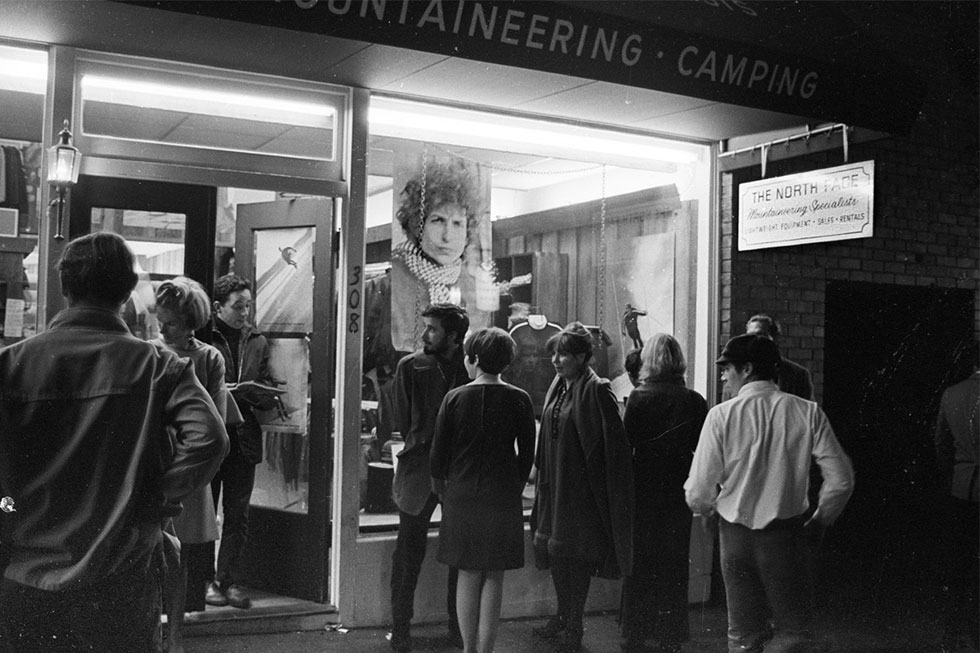
An eager salesman, Doug would put on a show for customers in his tiny shopfront, getting free help from adventurer friends to sell the limited climbing gear he had on hand. He was 21 years old.
Never shy of a good time, Doug hosted fantastic parties with the likes of The Grateful Dead playing, while people in the shop drank cocktails and waxed poetic. The store got so popular that at one point, according to Jonathan Franklin’s biography A Wild Idea, a woman pulled up out front and demanded Doug jump into her Porsche. After tearing down the road at full throttle, even thrill-seeking Doug became frightened and exited the vehicle at the earliest convenience. The woman was Janis Joplin.
Doug’s lifelong best friend, Yvon Chouinard, was a lynchpin in Doug’s shaping of The North Face after successfully navigating his own business Chouinard Equipment. Both experienced climbers, Yvon was a whiz with the mechanics, could design and mend equipment and was always tampering with gear. Doug was the visionary, constantly moving and reshaping spaces, equipment, and ideas.
“He couldn’t stand still,” said Yvon. “He was very entrepreneurial and was always coming up with ideas. I don’t know if he was a great businessman, but he was willing to take risks and try new things.”
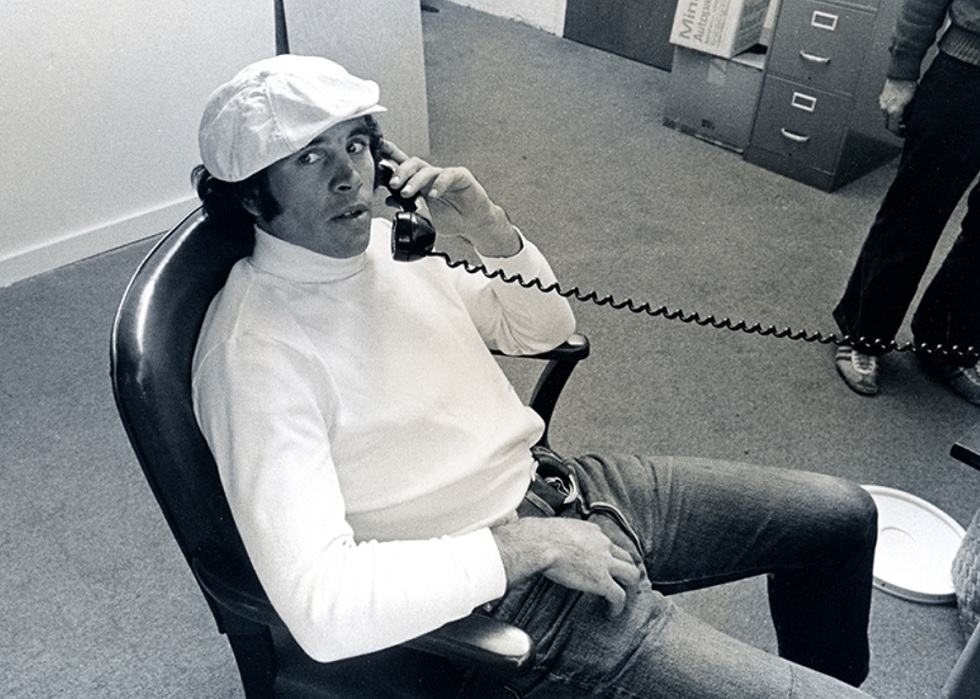
Doug and Yvon had a goal to climb more and carry less. They wanted to minimise on everything — whatever you could reduce, make lighter, or not have to carry on your back, the better. So appeared the ‘Ruthsack’, one of the first internal frame packs ever designed by The North Face. Lightweight and practical, it was created with their ethos in mind: necessity before luxury. Reduce over-equipping. Or as Doug’s infamous hand-signed TNF catalogue implied: “Less stuff, more fun”. The two men were determined to find ways to climb without cumbersome equipment. Doug was instrumental in designing a new style of tent with bendable rods in through sleeves on a dome exterior. More resistant to the elements, the dome shape helped the wind roll right off it. Onwards and upwards.
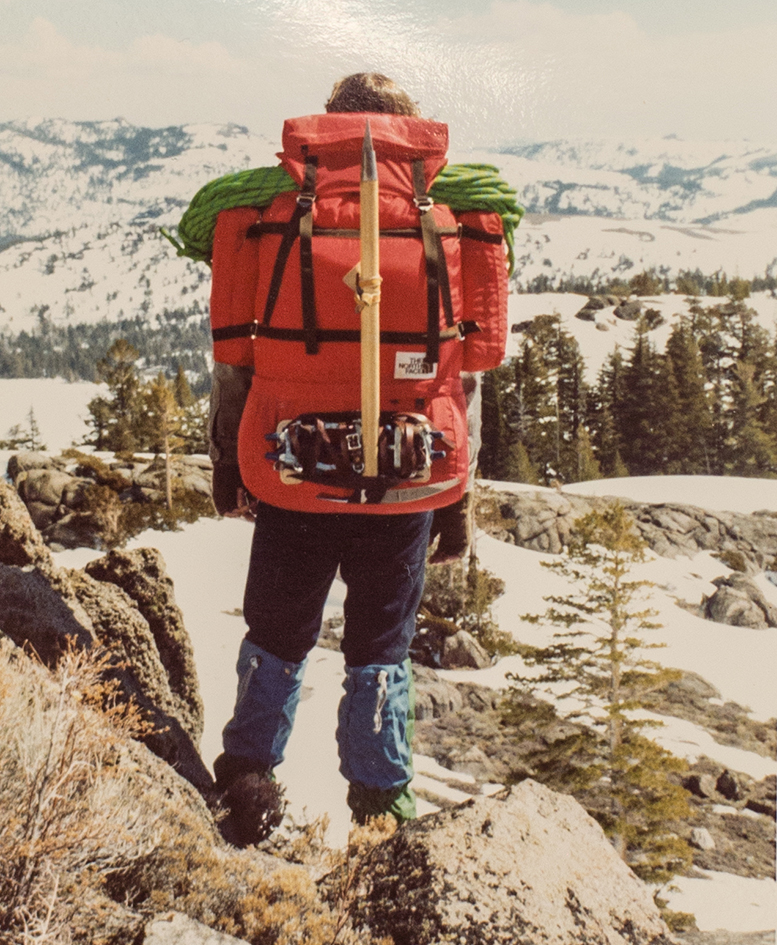
The little store that Doug created became known as much for its climbing equipment as its vibe, dubbed “The North Face scene”. But Doug and his suddenly-cool crew of ragtag climbing friends were more interested in the perils of nature than city life, and within a few years Doug grew weary of combining his personal passions with capitalist gain.
“I was going nuts,” said Doug in A Wild Idea. “And I thought — What am I doing? Here I am in a sport that I love, but I end up having to talk equipment with everybody?”
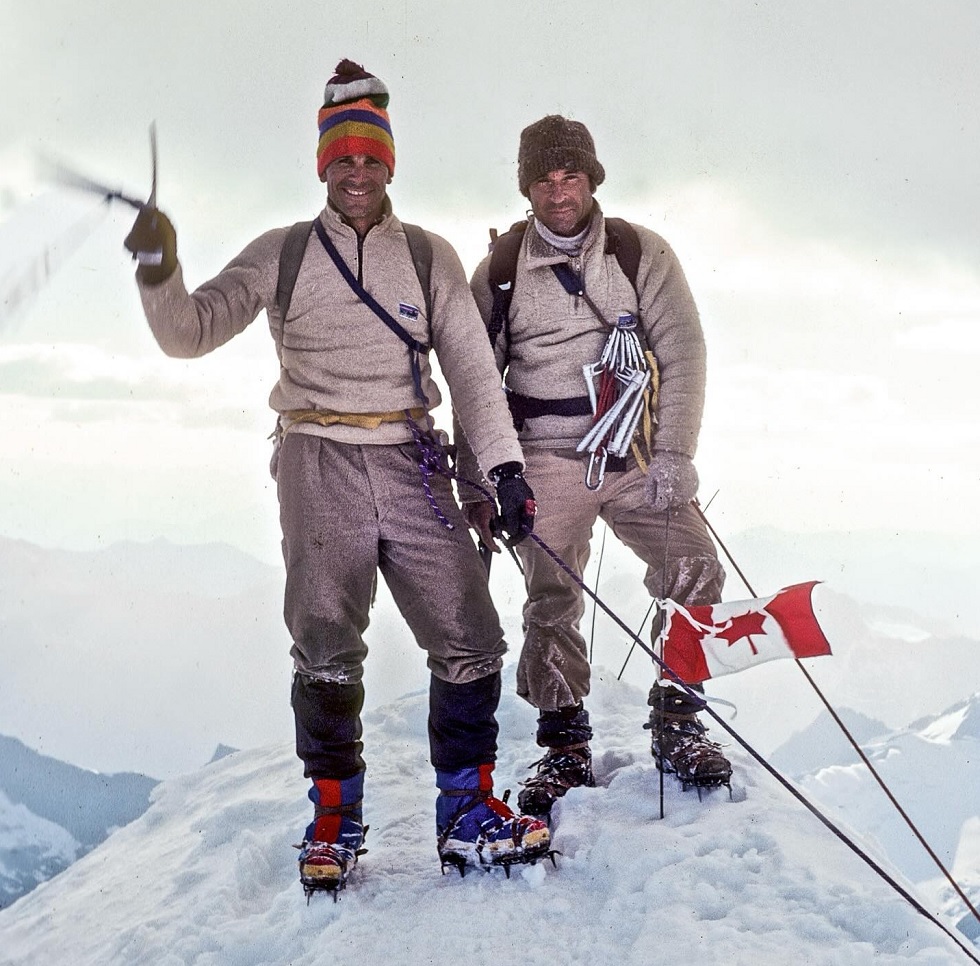
He sold his share of The North Face for a measly 50k. Wealth was never the end goal for Doug. It was simply a way of making his visions a reality. With five of his climbing pals including Yvon, they took off for Patagonia with little more than surfboards and the clothes on their back. Dubbing themselves ‘The Fun Hogs’, the goal was to conquer Mount Fitz Roy and document it in the vein of the 1966 hit surf film The Endless Summer.
While chiselling out the snow cave on this journey, it was Yvon who struck the ice pick through his knee. During the mad, uncertain and primal weeks stuck in the cave, Doug and Yvon babbled through pain and discomfort, cementing an understanding of what business would look like in their futures. A mad pact of sorts, the guidelines were clear: they would never bow to authority. They would never let business control them. And they would always make sure their jobs allowed for at least four months of travel a year. It was in this cave that Yvon decided the name for his new business venture: Patagonia.
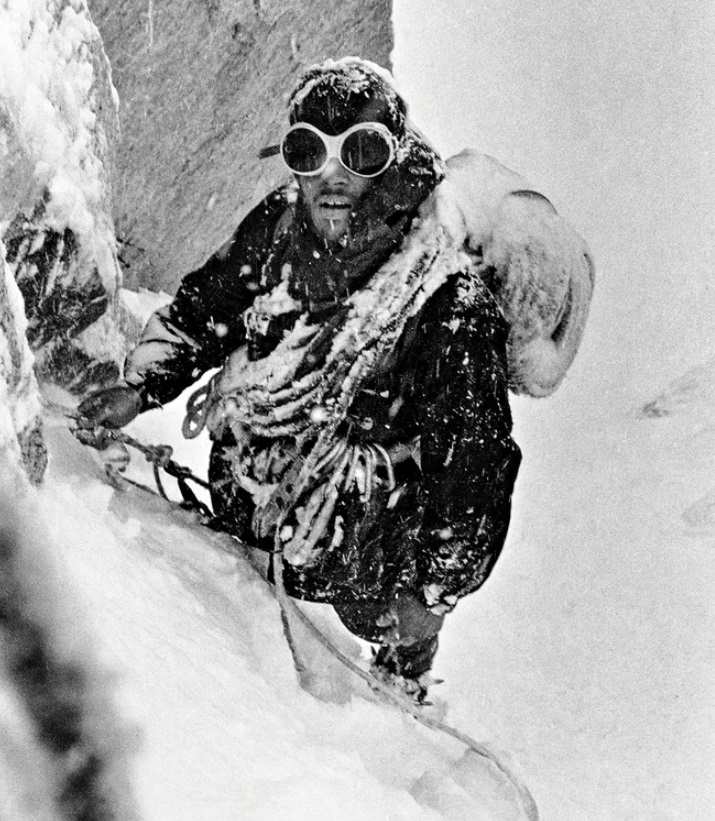
After excruciating setbacks, those five young climbers did eventually make it to the peak of Fitz Roy – a monumental moment for each of them. Their epic journey was made into a film called Mountain of Storms, though despite their best efforts the film never took off as Doug had hoped. But their tenacity proved to be a seed within each of them, continuing to grow through each of their lives. A particular way of living your life had been born up in that snow cave.
It also proved to be the beginning of Doug’s deep affiliation with South America. The end was nigh at Esprit after more than a decade of wins and losses. Doug had descended into paranoid perfectionism, his desire for fine art becoming a full-fledged obsession with display, lighting and lack of flaws. Despite the wealth and status of the Esprit empire, none of his employees flew first class, and Doug preferred friend’s couches to five-star hotels. Yet when it came to new building designs or style concepts Doug was throwing millions of dollars away to get the details just so. “When I was in Italy they moved a wall three inches at the cost of a million dollars in a building they didn’t even own,” said colleague Dan Imhoff. “He had lost his mind, in my opinion.”
But at heart Doug wasn’t selling clothes, he was selling his vision. To the naked eye it was capitalist gain but to Doug it was a sport, a mission. He felt life was simply not worth living without boldness, exploration, and a disregard for man-made rules. He wasn’t necessarily brave, more without fear when it came to living. And eventually he wanted to put his money where his mouth was: in conservation.
“Doug had been flying for almost fifty years, so the perceived danger when you’re a pilot like that seems very small, and you can do spectacular things in an airplane that no one else would do. And that’s the way Doug was. He was basically like a bird.”
– J. Michael Fay, ecologist, defender of wildlife, explorer
An avid pilot, Doug had spent years mapping land and territory in his tiny plane that his second wife Kris once described as the true love of Doug’s life. Together they (Doug, Kris, and the plane) spent thousands of hours flying over Chile and Argentina. Doug’s knack for detail that had once driven him to a dark obsession in the retail world, now became the very thing that distinguished him as a leading conservationist. He would come to know the terrain like the back of his hand, and care about every inch of it.
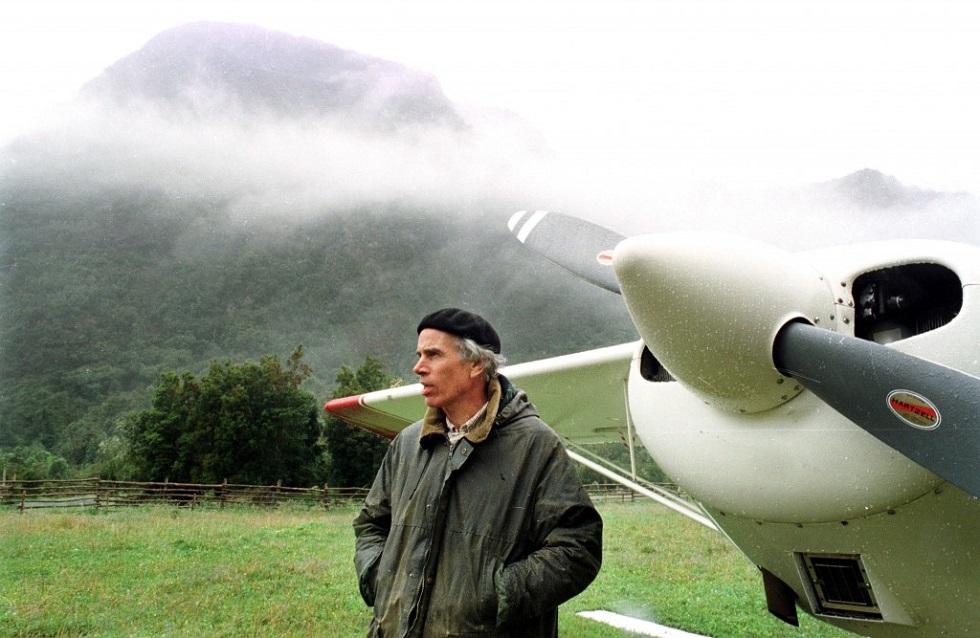
Doug and Kris put millions of dollars into the creation of national parks, the preservation of wildlife, and the rewilding of almost-extinct animals so that the flora and fauna could have a chance at restoration. In total they bought and salvaged over two million acres of land.
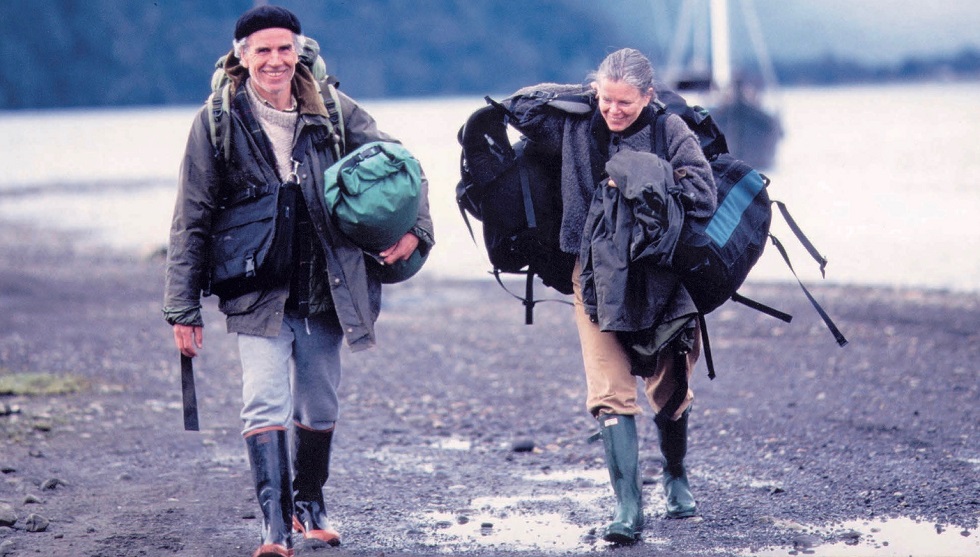
“If I had another lifetime, then I would put it 100 percent into farming”, said Doug in Patagon Journal. “If agriculture can’t be turned around there is no hope. It has the biggest impact on the landscapes, water and climate. We need a whole new model of agriculture and food production.”
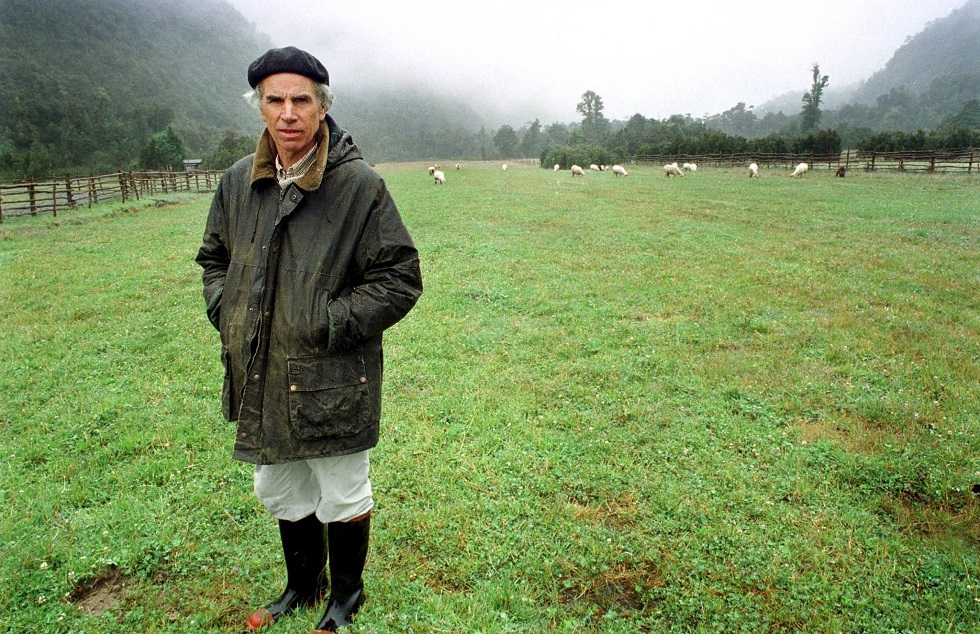
In 2015, he set out on what was supposed to be an easy enough kayaking trip with Yvon and some other adventurers. They were headed out on the Lago General Carrera, the second largest lake in South America that’s known for unpredictable and volatile weather changes. Suddenly ravaged by unpredictable winds, huge waves overturned Doug’s kayak, plunging him into freezing cold water that could send you into hypothermia within 30 minutes. Clinging to the back of his friend’s kayak as they tried ferociously to paddle Doug to safety, Doug remained in the water for an hour and a half. Even when he was pronounced dead at the hospital, all those who knew him found it hard to believe that this giant of a human had succumbed to the elements.
“I think for conservation to happen at any kind of scale in this complicated modern world, you need some kind of extremist. Doug is in the category of Steve Jobs, Bill Gates, and Henry Ford.”
– William Ginn, former executive vice president at The Nature Conservancy.
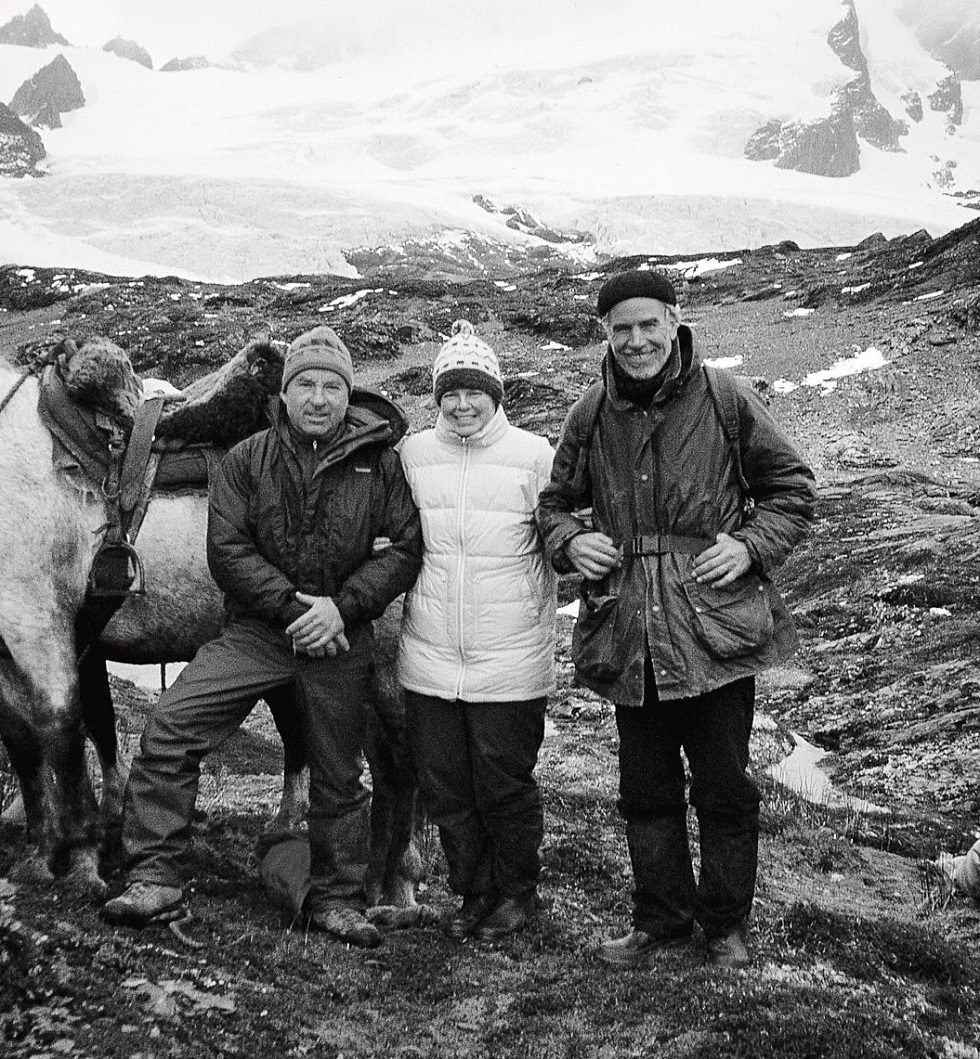
You could say that Doug went right and Yvon went left when it came to their respective careers, and yet ultimately they were fighting for the same goal: preservation of the wild. People responded to this the same way they responded to Doug’s little climbing gear shop in San Francisco — they respected the honesty. Something about the attitude of these two friends made people realise they might just be in it for more than the money. It was inspiring. From young hotshot climbers to businessmen and conservationists, the pact Doug and Yvon made in the cave never wavered: Damn the man. Stay in control of your own ideas. And remember that good business is akin to the natural world.
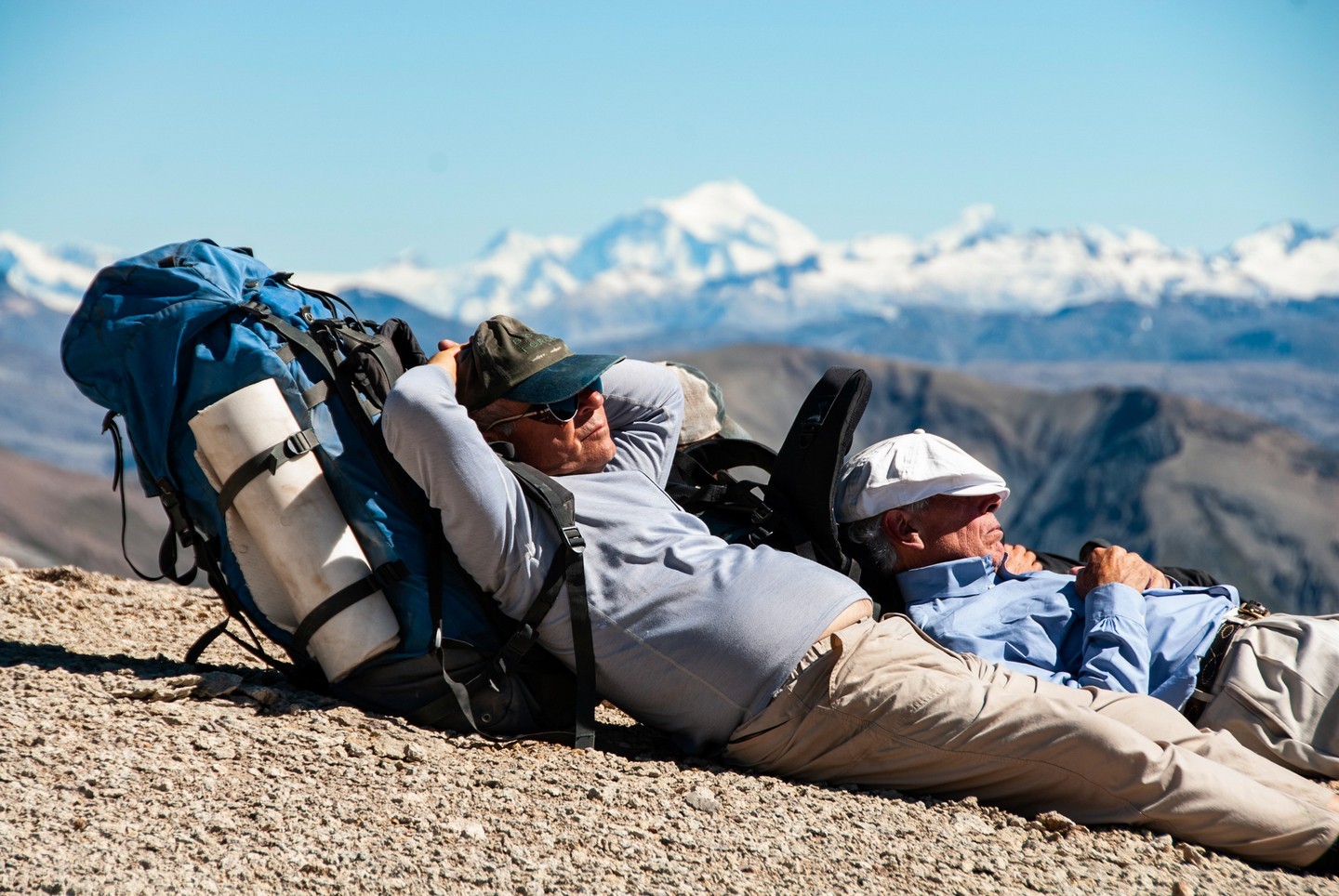
Both their stories prove that when it comes to your relationship with climbing — how you make your gear matters. Why you make it matters. What you do with success, if it comes, matters. Their lifelong ethos helps us consider the kind of relationship we want to have with the places that inspire us every time we head out into the wild. That’s a philosophy the carry world could use more of.
This feature was written by Melbourne-based writer and performer, Esther Rivers.





 WAYS TO CARRY