



 Carry Awards
 Insights
 Liking
 Projects
 Interviews
 Carry Candy
 Community and Marketplace
Industry
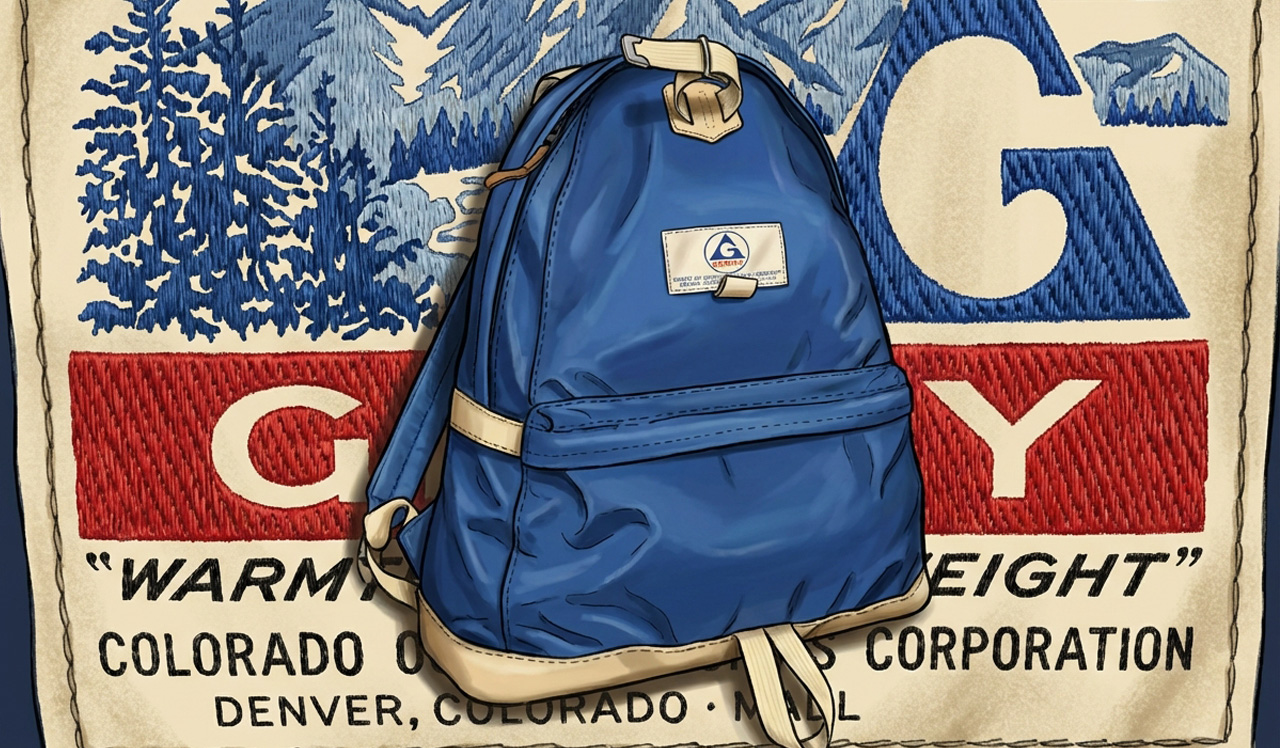
The most influential outdoor gear designer you’ve never heard of is in your pocket right now. Well, maybe he’s on your jacket. Or your backpack. And probably in your closet, your garage, and anywhere else you keep the stuff that gets you outside. That cord lock on your hoodie? His. Your stuff sack? His. The reason your backpack has zippers instead of buckles? All him.
“What’s funny is that most people use his inventions, but most people don’t know who Gerry Cunningham is.” (Writer and photographer Bruce Johnson)
This is the story of a man who designed for nature, not the market. Who believed good gear should sell itself, because it’s required to. Who advertised passion over capital gain, refused to compromise on his vision of the outdoor experience—and then disappeared right into it.
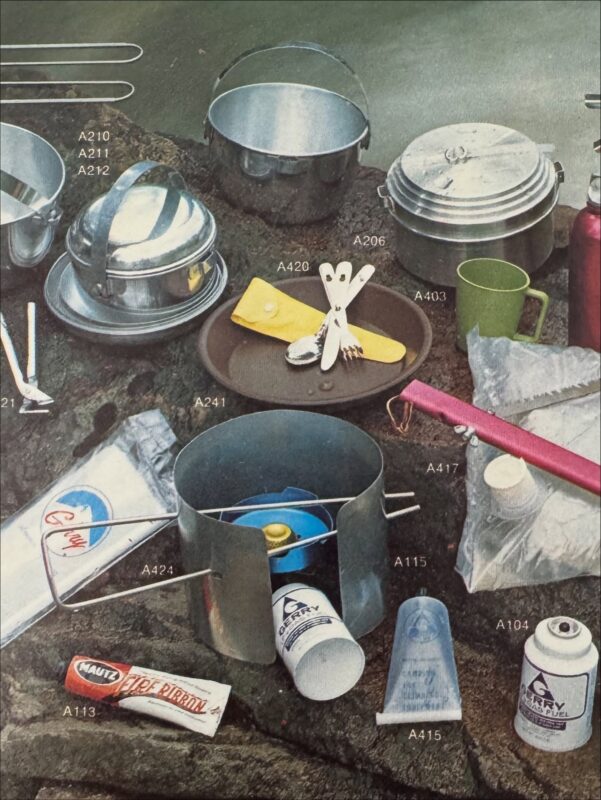
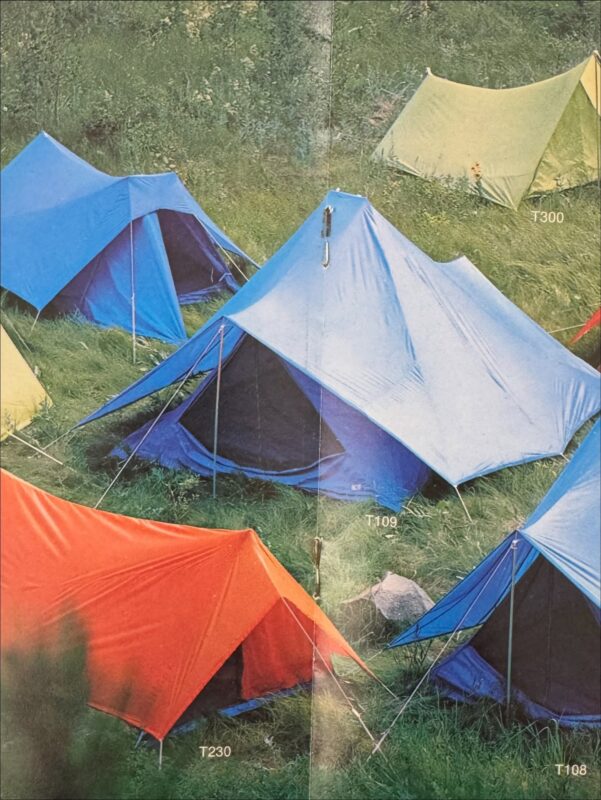
Speak the name Gerald ‘Gerry’ Cunningham and you might find out about a Kiwi writer who specialized in the Otaga region of southern New Zealand. Or you might hear about the company Gerry, a retail brand specializing in outdoor clothing and cold-weather garments. If the person is really in the know, they’ll be able to tell you that Gerry Cunningham was the original founder of this company (OG name Gerry Mountain Sports) and a brilliant, creative outdoorsman with a love for inventing.
Unlike retail successors that walked the line between their love of the wild and making a business from it, Gerry Cunningham wasn’t a diehard adventurer or soloist in the extreme sports world. He was a nature lover, a family man, a tinkerer and thinker. Born in Utica in upstate New York, Gerry’s father was a photographer and his mother a seamstress, talents Gerry learned and carried into his later years. Tall and lanky, he grew up skiing in the winter seasons and, in high school, used his developing sewing skills to start creating backpacks that were more comfortable for the everyday hiker. His own frame fell outside average proportions, which taught him early that adjustability mattered—a principle that would define his pack designs for decades.
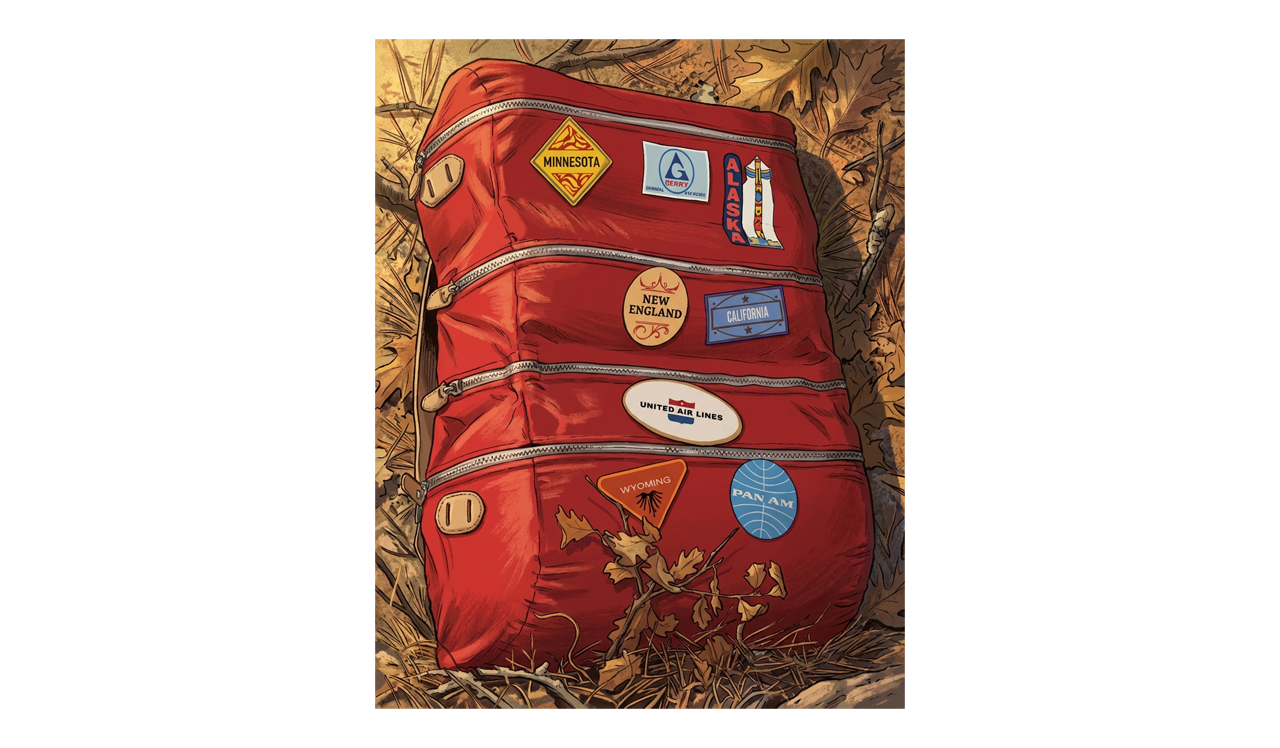
An inventor to the core, teenage Gerry paid for his outdoor adventures by making and selling cheaper alternatives for ‘sealskin climbers’—skiers with specialized strips on the bottom of their skis that helped them trudge uphill with less effort. While European imports dominated the market at premium prices, Gerry undercut them all, a teenage entrepreneur with a sewing machine and an eye for what worked
In 1938 Gerry wanted to create a backpack for faster entry than the widely used canvas and wooden structure bags with ‘flap and buckle’ closures. He designed the first prototype of a pack using zippers instead, meaning greater ease of use and faster access—a key element of modern bags.
Ousted from Antioch College in Ohio for verbalizing his desire to live off grid in the Rockies, the school Dean thought it was an unacceptable choice for an upcoming aeronautical engineer. “So much for my formal education, but I made one more important discovery [at Antioch]. I fell in love with a young lady named Ann Carman.”
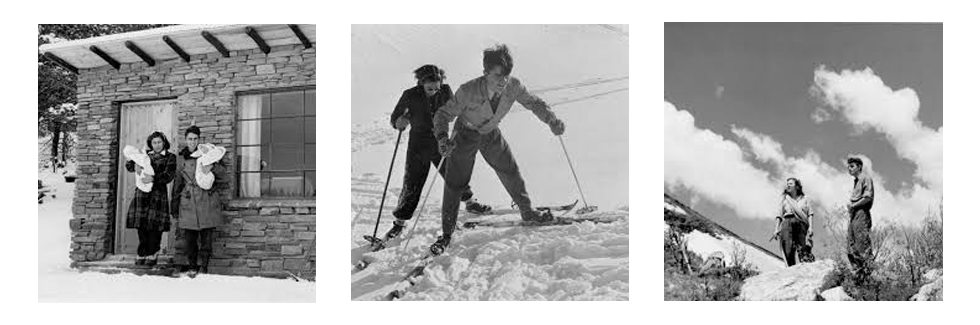
In Bruce Johnson’s book Gerry, To Live in the Mountains, Gerry describes Anne as a kindred spirit, in love with climbing rocks and trees, and together they pondered the idea of living in a cabin in the mountains. “Of course I didn’t realize it at the time, but after 63 years of happy marriage I guess it was the real thing.” (Gerry Cunningham). But just after marrying in 1942 and setting off on their Hudson River honeymoon, Gerry’s father waded up the river in full flood to hand Gerry a letter that would change the trajectory of both his business ideas and his marriage. He’d been drafted.
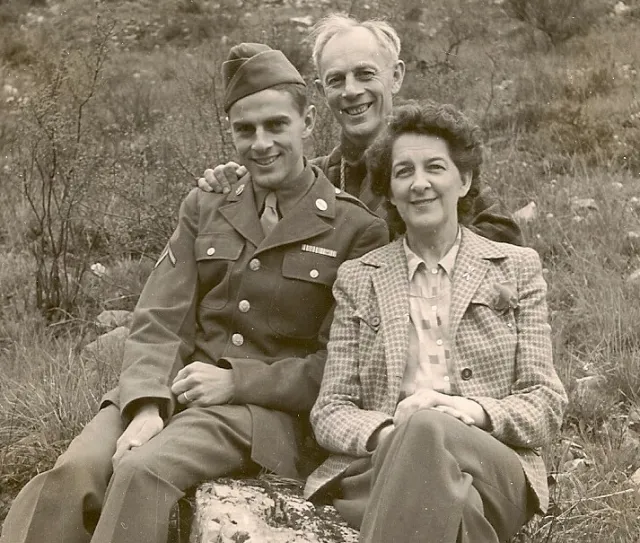
Gerry managed to join the 10th Mountain Division in Camp Hale, Colorado, largely because he was comfortable with the snow and skiing. The equipment was haphazard and the sleeping quarters lumpy and damp. He became renowned for tossing and turning, keeping his comrades awake as he groaned about the lousy sleeping gear. The drudgery of their living quarters inspired Gerry to pass the time by plotting new designs and imagining a business logo: a mountain shape with his name at the bottom. He swore to himself that if he ever got free of the war, he would make gear that kept you warm all night, safe from the elements (and things falling out of broken packs), and all without weighing a ton. The beginnings of the Gerry brand were in motion.
“The only reason I went into business in the first place was because nobody was interested in my stuff except the people who used gear.” (Gerry Cunningham)
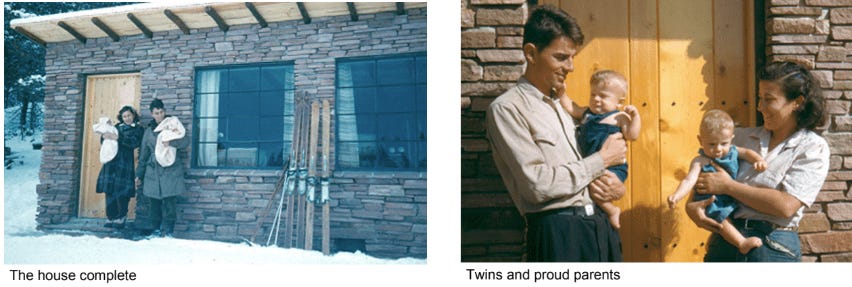
Eventually reunited beyond World War 2 and finding themselves back in Utica, Gerry and Anne decided to throw caution to the wind, travel to California and try to make a start on Gerry’s business. But after stopping in Colorado to catch up with one of Gerry’s 10th Division mates, they realised they weren’t going any further. They spent nearly every dollar they had buying 20 acres in Ward, Colorado—an old mining town perched at 9,253 feet elevation above Boulder—finally making their cabin in the mountains. When they stepped outside their new home they awesomely discovered Sawtooth, a mountain that reared up behind them and looked just like the one Gerry had envisioned for his logo. It was a sign. The isolation and harsh conditions at that altitude would prove perfect for testing gear in the years to come.
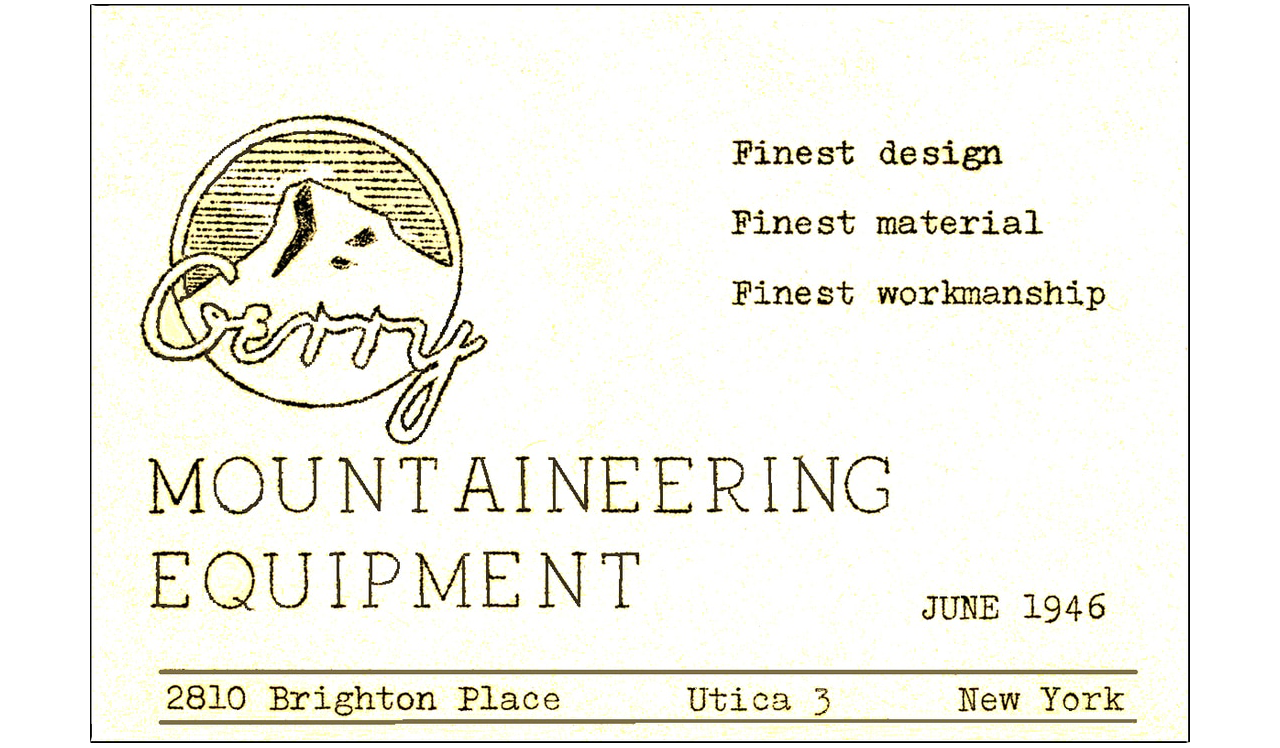
Gerry Mountain Sports officially began in 1946. To get your hands on the latest gear you had to order from a catalog—early editions hand-typed by Anne on a typewriter featured Gerry’s own hand-drawn illustrations, charmingly homemade compared to slick competitors. Initially, Gerry got people to give feedback on his products when they came past the house while en route to camping, but when word got out, so began daily commutes to his home where people would bang on his shed door wanting to try the latest equipment. He started to resent the intrusion and decided to open their first physical store down in Boulder—a new allocation of his time that would also give him his shed back to invent in peace.
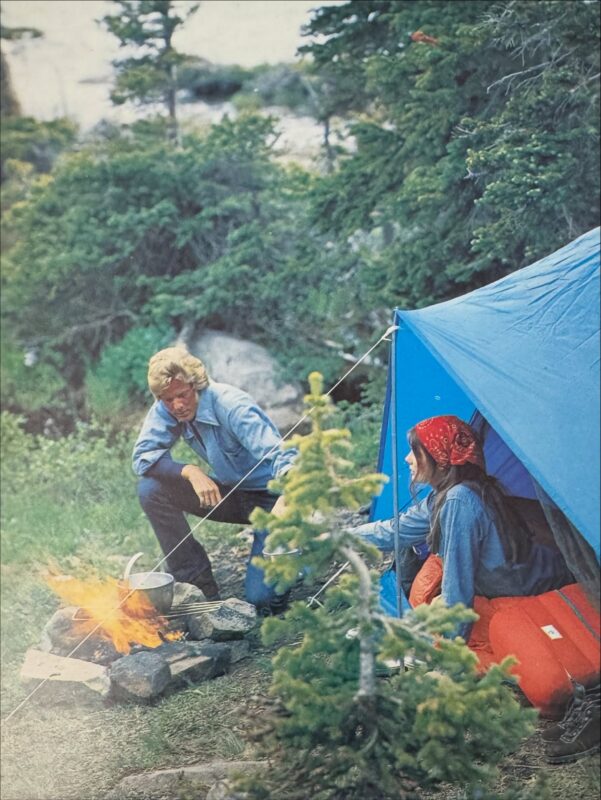
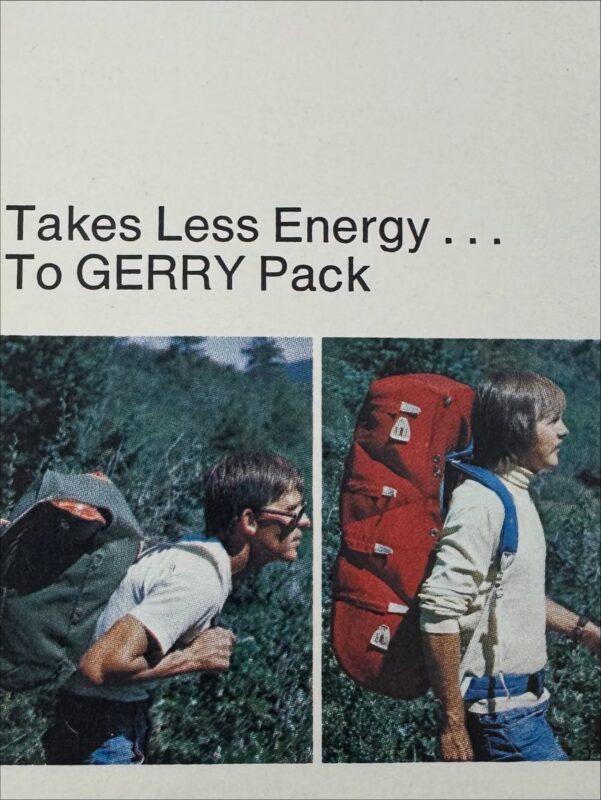
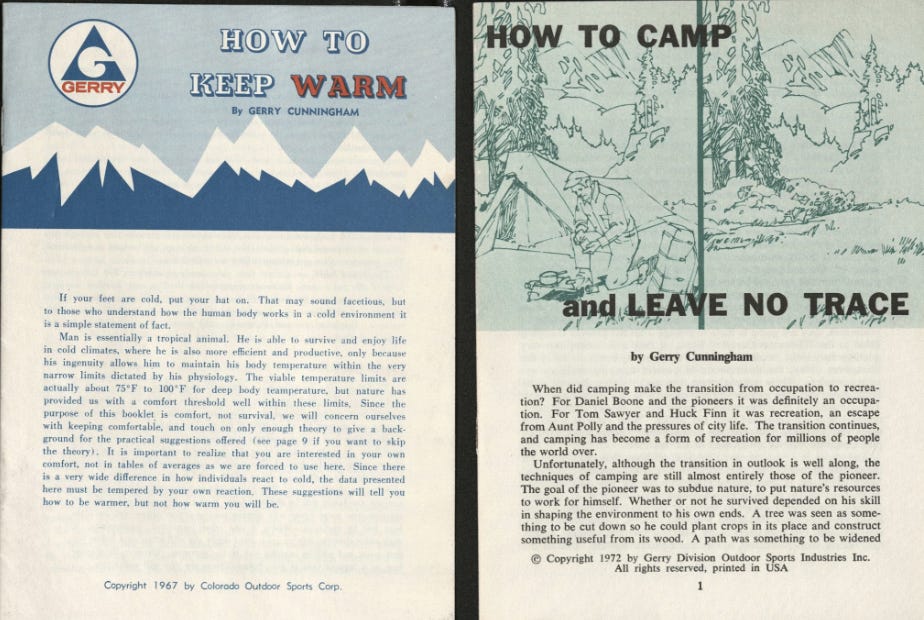
But Gerry didn’t want to just make gear; he wanted people to understand the importance of it. He believed families should be safe in the wild, that we should respect nature and leave things as we found them. He believed gear should be as light as possible and was a big follower of the ‘leave no trace’ camping movement. He wrote pamphlets that he handed out for free all over America, encouraging people to get out in nature and learn survival skills. Famously, Gerry refused to spend money on advertising, believing good gear would sell itself through word of mouth—a principled stance that would prove both his greatest strength and potential undoing when it came to business.
“Gerry believed that a family could go camping in the wild and no one would need to carry more than 10 kilos. His main ethos wasn’t about hardcore climbing, it was to be inclusive about family and for everyone to enjoy the experience.” (Bruce Johnson)
Countless climbers began to use Gerry products, known for endurance, strength, lightness and comfort. Almost the whole K2 expedition used his gear in 1952. Four of the survivors famously huddled all night inside a Gerry Mountain Tent only partially attached to the ice shelf, the risk of falling into nothingness imminent. This put Gerry products on the map, being used by nearly all expeditions in the Himalayas and Andes for years to come. The Gerry Himalayan tent was a larger version of the Mountain tent, with modern adjustments and rods in the side to firm up the exterior.
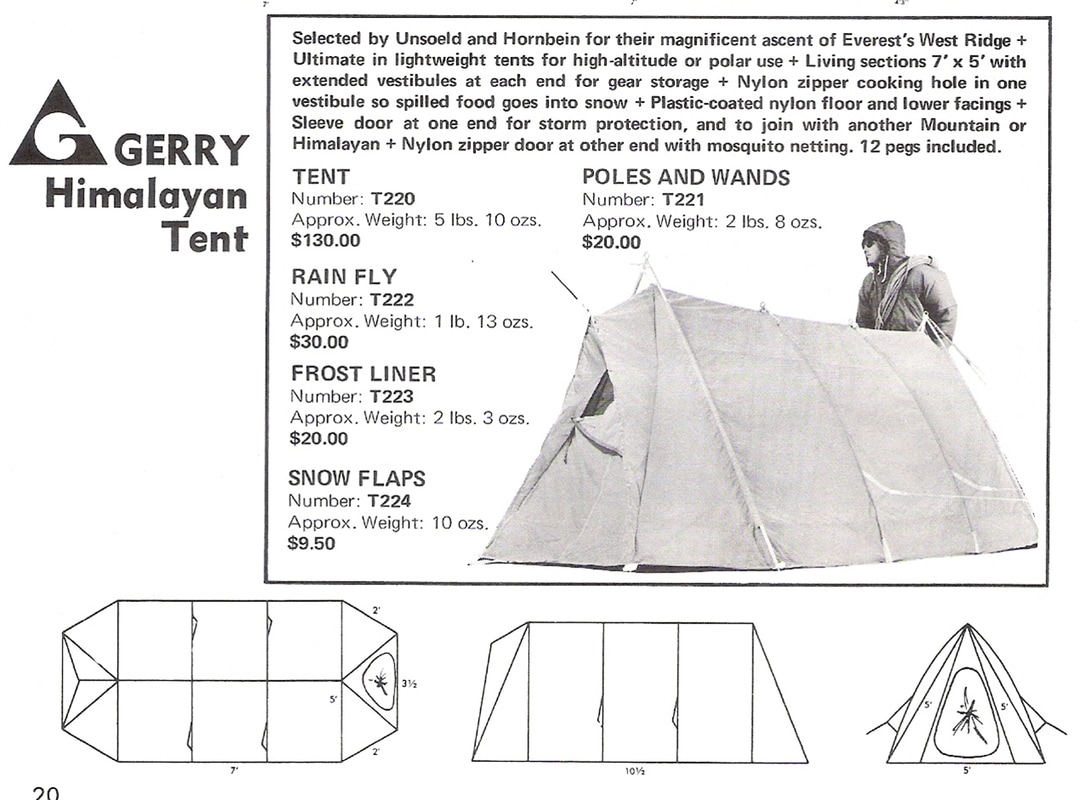
“The Himalayan tent was used by Jim Whittaker’s expedition on the first American ascent of Everest in 1963. When they discovered that their non-Gerry down jackets weren’t windproof, a dozen Gerry parkas were flown in by helicopter.” (Gerry’s daughter, Penny Cunningham)
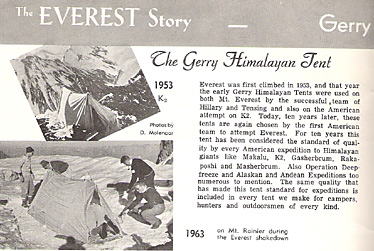
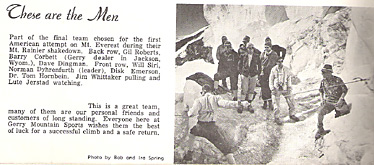
The drama of that resupply mission can’t be overstated—parkas flown to Nepal, then carried up the mountain by Sherpa in an emergency rescue-by-gear that would save the expedition. It was the kind of real-world testing that proved Gerry’s designs weren’t just clever, they were essential.
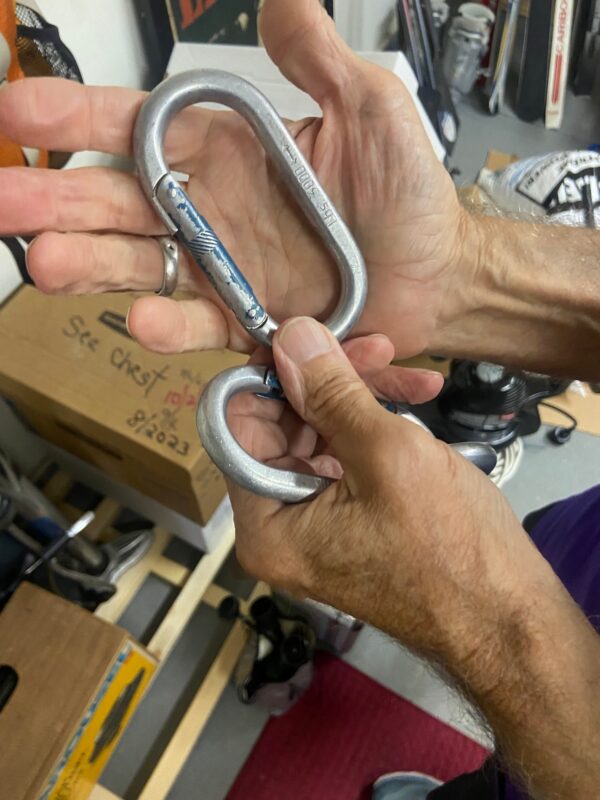
The ’50s were a prolific time for Gerry, an era of invention that would quietly reshape outdoor recreation. He invented the triangular carabiner, a more aligned shape for load force, complex rigging and secure anchor points than the D-shaped carabiners. He pioneered sewn-through down construction and differential cut for jackets (where the outer shell is cut larger than the inner shell to prevent compression of down), revolutionary advances in warmth-to-weight ratio that made high-altitude climbing more survivable.
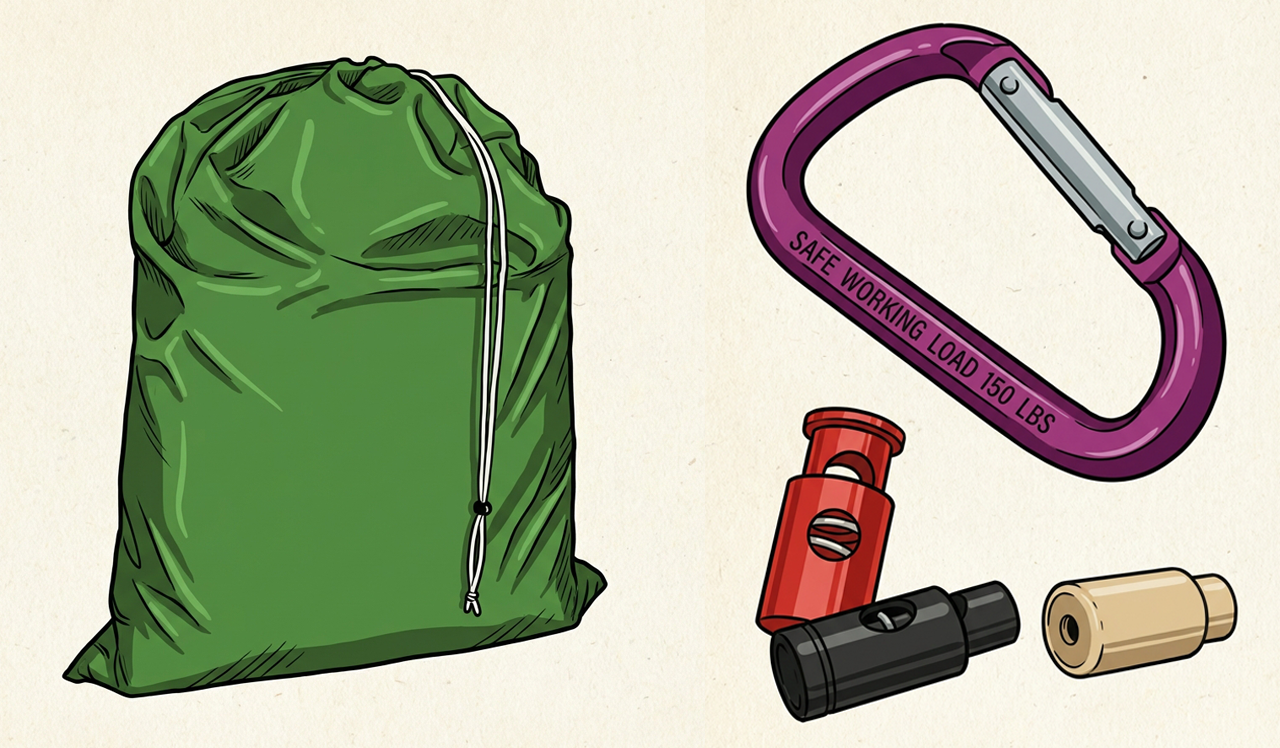
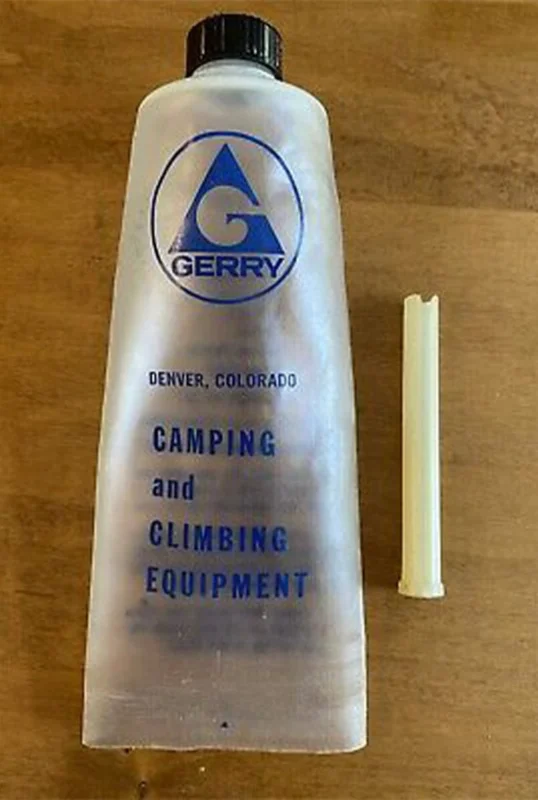
He invented the nylon stuff sack with a drawstring closure, now so ubiquitous we forget someone had to think of it first. Then there was the squeeze tube for easy access to food while climbing—inspired by toothpaste tubes, Gerry created reusable, washable tubes for spreads like peanut butter and jam. Climbers on cliff faces, unable to stop and dig through their packs, became devoted fans—some still seek out vintage Gerry tubes today.
But even better known is the spring-loaded drawstring clamp, these days called the cord lock. Originally used for mountaineers for quick clamping of equipment, you’d be hard-pressed to find anyone not using a cord lock on hoodies, backpacks, rain jackets, or camping gear. He even designed an equipment rack for climbers to organise their gear, influencing modern climbing gear organization systems.
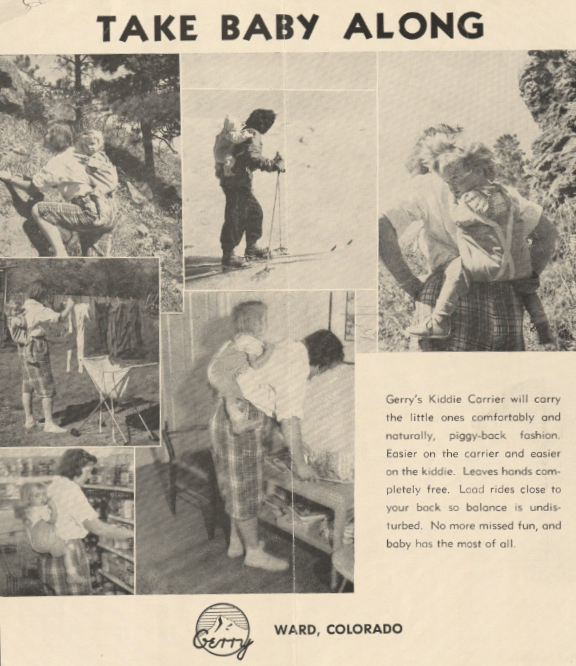
Most famously though, he invented the Gerry Kiddie Carrier—a lightweight, aluminum-based child carrier with an ‘S’ curve frame that allowed small children to face forward rather than backwards, creating an effortless, hands-free experience for the adult and a more nurturing experience for the child. Taking inspiration from Native America’s use of leather-pack child carriers, Gerry was the first person to send the message that children, mothers, and families could spend as much time hiking out in the wild as men. Baby carriers would continue to use the forward-facing design into the modern day and yet even now, when you search climbing gear inventors or climbing gear design names, Gerry Cunningham seems to be far from the main list.
“After finally moving into a skyscraper in Denver, it took nearly no time at all [for Gerry] to realize that meetings with people with ties and being talked over was not his idea of good living.” (Bruce Johnson)
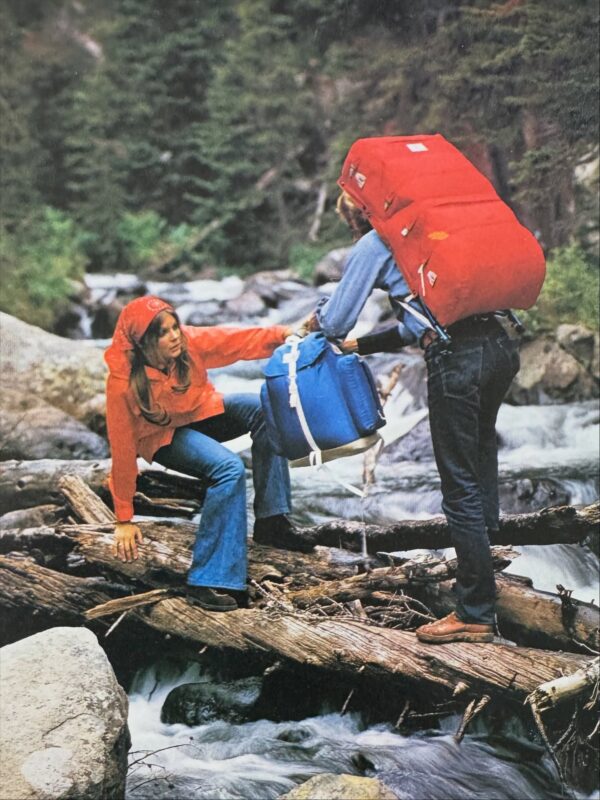
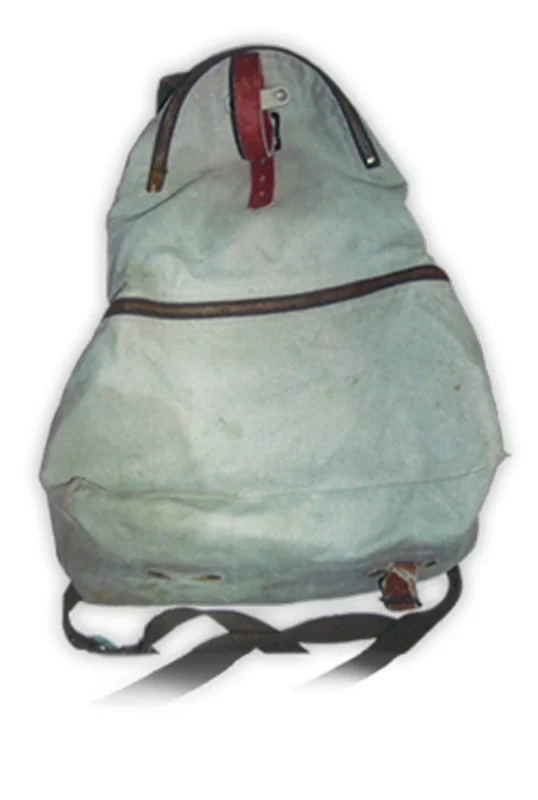
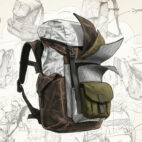
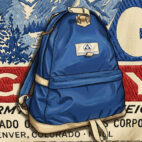
As product demand grew, Gerry finally opened up the design floor for other people to participate, among which included heavy-leather sewer Dale Johnson (Frostline Kits) and innovative designer George Lamb (Alp Sport). This essentially led to the growth of the company, and by 1964 Gerry Ski Coats were all over TV at the Winter Olympics. 1967 would see Gerry ditch canvas fabric and create the first nylon ‘teardrop’ backpack featuring a tapered, aerodynamic shape that sat higher on the back, provided better weight distribution and balance, and reduced wind resistance for climbers. The teardrop bag would go on to become one of the industry’s most iconic silhouettes.
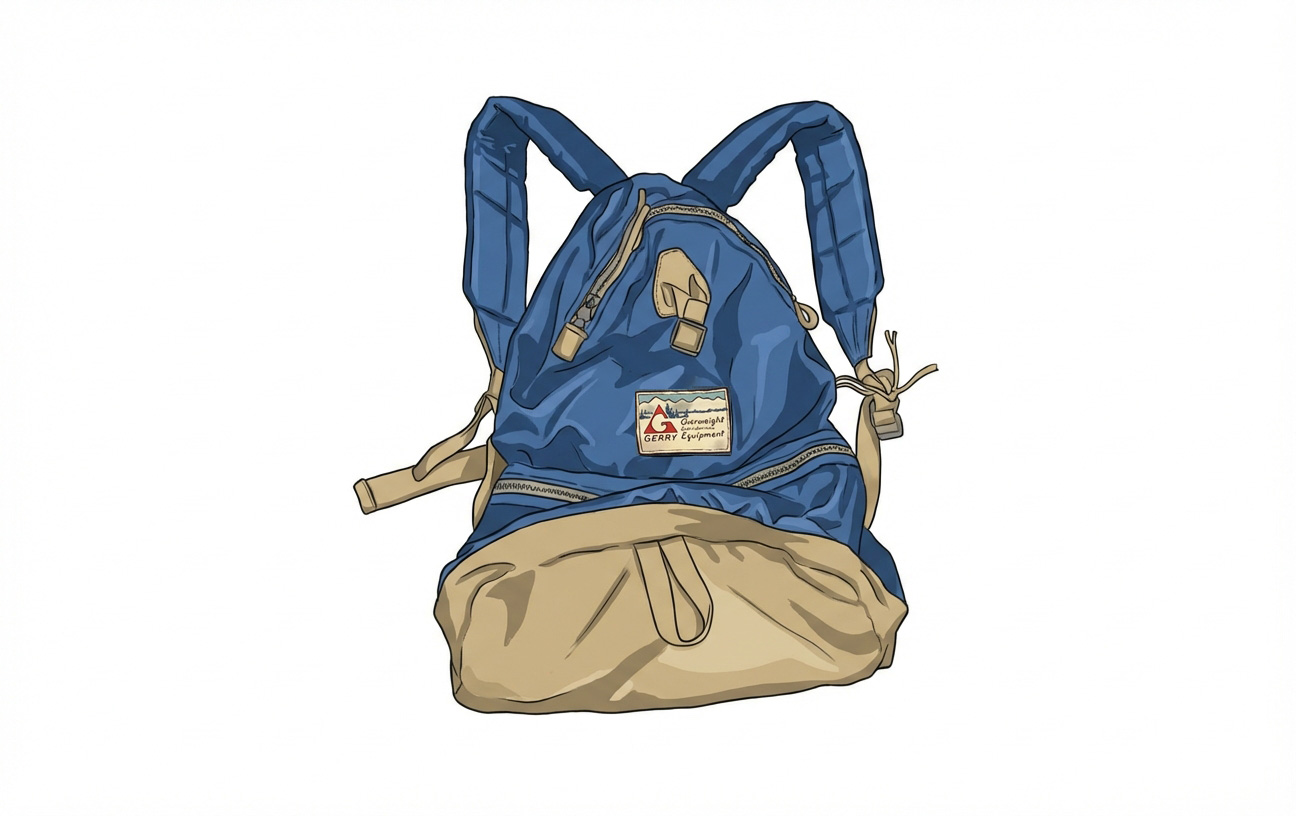
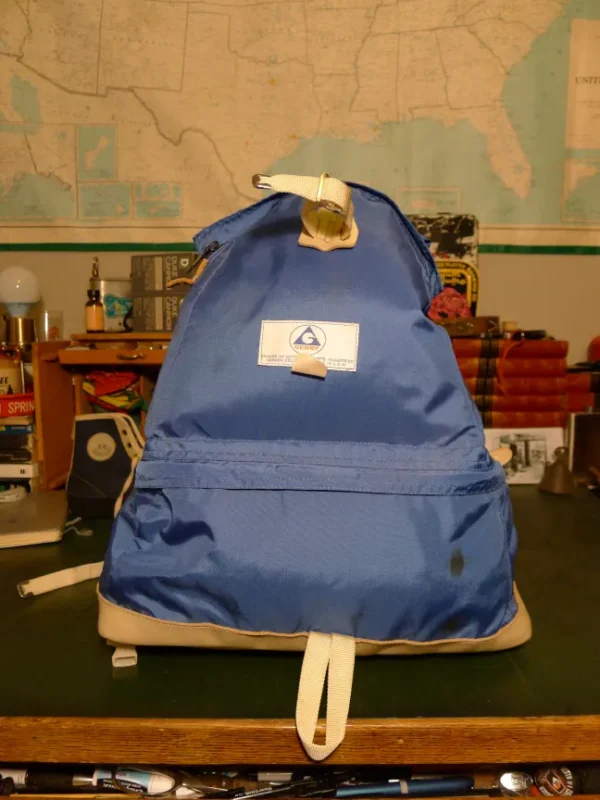
But Gerry’s business had grown, in his words, to be “too big and no fun”, and by 1970 his time with the Gerry brand came to a close. Put it down to bad financial choices, poor partnership decisions, or just a loss of love for the direction his business had taken, but you have to ask yourself if Gerry Cunningham had simply wanted to return to where it all started: productivity, usefulness, and a desire to leave things better. Or in other words: inventing.
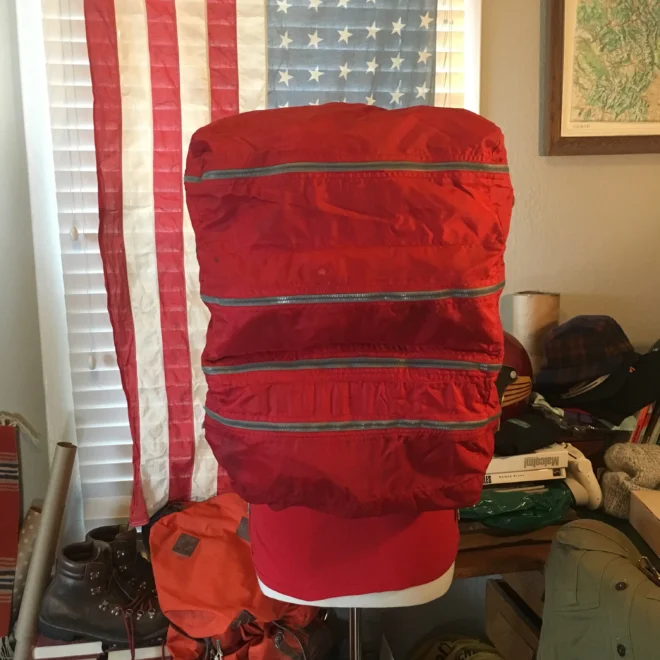
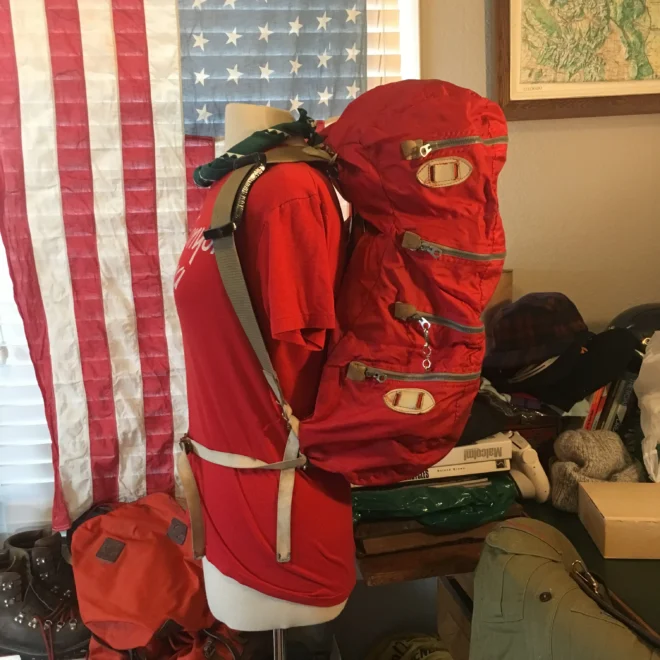
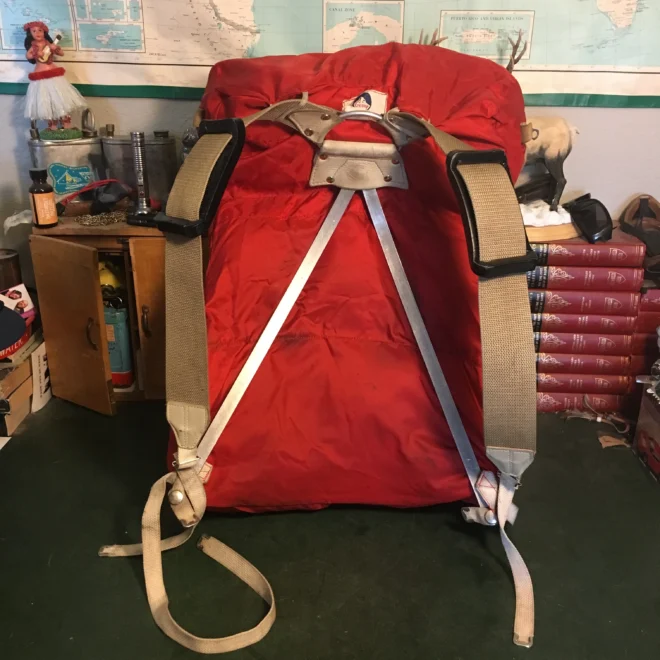
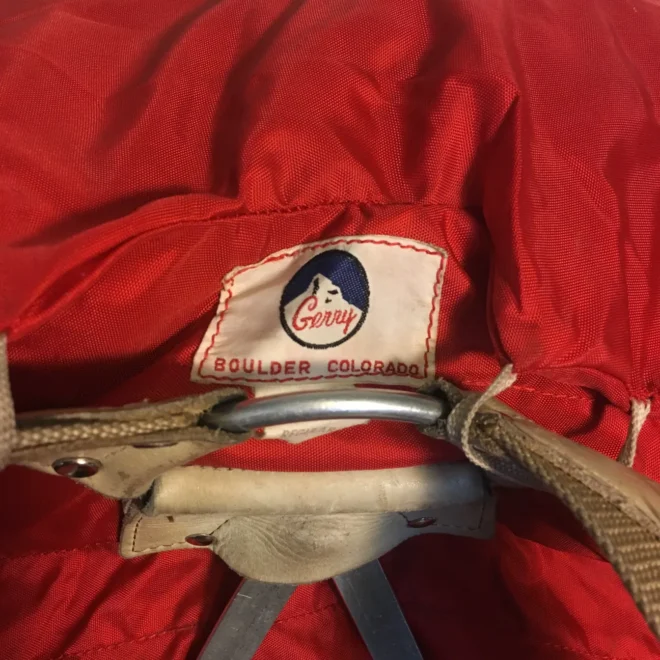
“Leave no trace, get out and enjoy [nature] as a family, appreciate the wild, preserve it. Those are the things I see as his lasting legacy.” (Bruce Johnson)
There isn’t a whole lot known about Gerry Cunningham in the years after he left the company. What we do know is that the gear innovation element left the brand when he did. In a time before social media and the internet, it was easy enough for Gerry to be usurped by bigger names when it came to gear; Patagonia, Eddie Bauer, The North Face. He and Anne remained active in environmental programs and energy conservation, and true to form, Gerry kept inventing—working on solar energy systems and doing up charter boats in the Southwest, a tinkerer to the end. His lifelong photography skills documented much of his gear testing and early climbing expeditions, unusual for gear makers of that era and a reminder that Gerry saw the whole picture: the equipment, the landscape, and the experience.
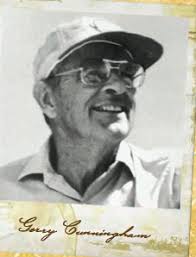
Gerry died in Patagonia, Arizona in 2010. Most of his designs have been surpassed by modern fabrics and fresh innovation. But some, like the cord lock, squeeze tube, teardrop, zippered backpack and the triangular carabiner remain to this day, a testament to Gerry’s hours locked in his shed trying again and again to make things better. Maybe we don’t know his name, but we know his products, and that’s a testament to Gerry’s aim—to improve our relationship with the wild, not the market. What he cared about was making us wiser, happier, more strategic campers. And that really all you need is to show up, do good work—and leave no trace.
This feature was written by Melbourne-based writer and performer, Esther Rivers.

 WAYS TO CARRY